Shop on Lazada
Fruit of the Loom products
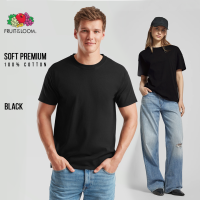
Fruit of the Loom Soft Premium T-Shirts for Men & Women 100% Cotton Mens T-shirt Plain Trendy Tops Neutral Collection
₱379.00₱609.00
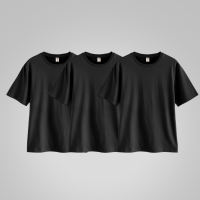
Fruit of the Loom 3pcs Soft Premium T-Shirt for Men & Women 100% Cotton Basic Plain Tees Menswear Pack of 3 Black
₱1,080.00₱1,299.00
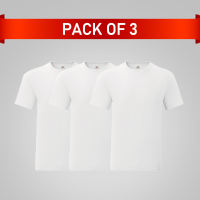
Fruit of the Loom 3pcs Soft Premium T-Shirt for Men & Women 100% Cotton Basic Plain Tees Menswear Pack of 3 White
₱1,165.00₱1,499.00
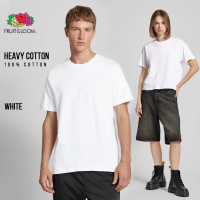
Fruit of the Loom Heavy Premium T-Shirt for Men & Women 100% Cotton Mens T-shirts Basic Plain Boxy Tee Casual Tops
₱521.00₱600.00
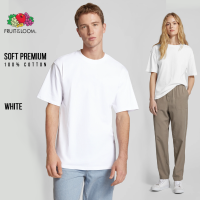
Fruit of the Loom Soft Premium & Classic Tshirts for Men & Women 100% Cotton Mens T-shirts Plain Top Neutral Collection
₱445.00₱649.00

Fruit of the Loom Active Premium Unisex Polo Shirt Plain Casual Wear 240 GSM
₱599.00₱1,298.00
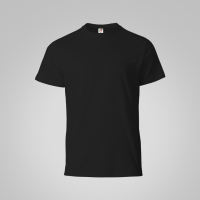
Fruit of the Loom Soft Premium T-Shirt for Men & Women 100% Cotton Mens T-shirts Trendy Daily Tops Basic Plain Tees Black
₱379.00₱609.00
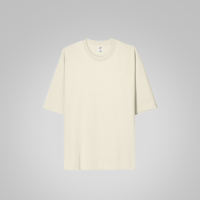
Fruit of the Loom Soft Premium Oversized Tshirt for Men & Women 100% Cotton Menswear Loose Fit Tops Plain Oversized Top
₱426.00₱659.00
About Fruit of the Loom
Overview
| Attribute | Details |
|---|---|
| Brand Name | Fruit of the Loom |
| Founded | 1851 |
| Original Company | B.B. & R. Knight Corporation |
| Founders | Benjamin Knight and Robert Knight |
| Headquarters | Bowling Green, Kentucky, United States |
| Industry | Apparel and Textiles |
| Parent Company | Berkshire Hathaway |
| Products | Underwear, T-shirts, socks, fleece, hoodies, activewear, children’s clothing, women’s apparel |
| Markets | Worldwide |
Fruit of the Loom is one of the world’s oldest and most recognizable clothing brands, specializing in underwear, casualwear, activewear, and basic apparel. Founded in 1851 in Rhode Island, United States, the company has built a reputation for producing affordable, comfortable, and durable clothing. Today, Fruit of the Loom is a wholly owned subsidiary of Berkshire Hathaway, the multinational conglomerate led by Warren Buffett, and its products are sold in more than 80 countries. [1]
History
Origins (1851–1871)
Fruit of the Loom traces its roots to 1851, when brothers Benjamin and Robert Knight purchased the Pontiac Mill in Warwick, Rhode Island. Their textile business quickly became known for producing high-quality cotton fabrics. [1]
The famous brand name “Fruit of the Loom” was adopted in 1856.
Origin of the Name
The story behind the name is unusual. A merchant named Rufus Skeel sold cloth supplied by the Knight brothers. His daughter painted colorful fruit images onto bolts of cloth to attract customers. The fruit-labeled fabrics became popular, inspiring Robert Knight to adopt both the artwork and the name Fruit of the Loom as the company’s trademark. [1]
One of America’s First Registered Trademarks
Fruit of the Loom holds a special place in U.S. trademark history.
In 1871, shortly after the United States enacted its first federal trademark law, the company officially registered the Fruit of the Loom trademark.
Its registration number was 418, making it one of the earliest trademarks ever issued in the United States. [1]
Expansion
Throughout the late 19th and early 20th centuries, the company expanded from producing cotton cloth into finished garments.
Major developments included:
-
Knitted underwear
-
Men’s basics
-
Children’s clothing
-
Women’s apparel
-
Sportswear
-
Casual clothing
By the mid-20th century, Fruit of the Loom had become one of America’s leading underwear manufacturers. [1]
Advertising and Brand Recognition
Fruit of the Loom became famous for memorable advertising campaigns.
The “Fruit Guys”
Introduced in 1975, the “Fruit Guys” became the company’s iconic mascots.
Actors dressed as:
-
Apples
-
Grapes
-
Leaves
-
Currants
appeared in television commercials, becoming one of the most recognizable advertising campaigns in American apparel history. [1]
Ownership Changes
The company experienced financial challenges during the 1990s and filed for bankruptcy in 1999.
In 2002, Berkshire Hathaway acquired Fruit of the Loom, providing financial stability and enabling significant global expansion. [1]
Major Acquisitions
Fruit of the Loom has expanded through acquisitions, including:
-
Russell Athletic
-
Vanity Fair Lingerie
-
BVD
-
Spalding
-
Jerzees
These brands broadened the company’s presence across athletic wear, lingerie, sports equipment, and printable apparel. [1]
Products
Today, Fruit of the Loom manufactures a wide range of apparel, including:
-
Underwear
-
Boxer briefs
-
Briefs
-
Bras
-
Panties
-
Socks
-
T-shirts
-
Hoodies
-
Sweatshirts
-
Sweatpants
-
Polo shirts
-
Tank tops
-
Children’s clothing
-
Activewear
-
Blank apparel for printing and embroidery
Its products are widely available through supermarkets, department stores, wholesalers, and online retailers. [1]
Manufacturing
Fruit of the Loom is notable for being vertically integrated, meaning it manages much of its own production process—from fabric manufacturing to sewing and distribution.
According to the company, the majority of the products it sells are manufactured in its own facilities, helping maintain quality control and supply chain efficiency. [1]
Sustainability
In recent years, the company has increased its focus on sustainability.
Key initiatives include:
-
Reduced greenhouse gas emissions
-
Improved energy efficiency
-
Responsible sourcing of cotton
-
Waste reduction
-
Water conservation
-
Recyclable packaging
-
Science-based climate targets
In 2020, Fruit of the Loom introduced its Fruitful Futures sustainability plan outlining long-term environmental goals. [1]
Logo
The Fruit of the Loom logo is one of the most recognizable in the apparel industry.
It traditionally features:
-
Red apple
-
Purple grapes
-
Green grapes
-
White currants (or yellow gooseberries)
-
Green leaves
The company has refreshed the artwork several times while preserving the overall fruit motif. Official historical records indicate that the official logo has never included a cornucopia, despite a widespread false memory often discussed online as part of the “Mandela Effect.” [1]
Global Presence
Today, Fruit of the Loom:
-
Operates manufacturing and distribution facilities across multiple countries
-
Employs thousands of people worldwide
-
Sells products in over 80 countries
-
Remains one of the largest underwear manufacturers globally. [1]
Brand Philosophy
The company’s guiding principles emphasize:
-
Comfort
-
Quality
-
Value
-
Reliability
-
Everyday affordability
Its focus is on producing practical clothing designed for daily wear while maintaining consistent quality at accessible prices. [1]
Timeline
-
1851 – B.B. & R. Knight Corporation founded.
-
1856 – “Fruit of the Loom” brand name adopted.
-
1871 – Trademark officially registered (No. 418).
-
1891 – Unconditional Guarantee introduced.
-
1932 – First manufacturing facility opened in Kentucky.
-
1959 – First television commercial aired.
-
1975 – “Fruit Guys” mascots debuted.
-
1983 – Expanded into women’s intimates.
-
1999 – Company filed for bankruptcy.
-
2002 – Acquired by Berkshire Hathaway.
-
2006 – Acquired Russell Corporation.
-
2007 – Acquired Vanity Fair Brands’ intimates business.
-
2020 – Launched the Fruitful Futures sustainability initiative. [1]
Legacy
With more than 170 years of history, Fruit of the Loom is among the oldest continuously operating apparel brands in the United States. It has become synonymous with affordable everyday essentials, particularly underwear and basic apparel, while maintaining a global presence through manufacturing, innovation, and a portfolio of well-known clothing and sporting goods brands. [1]