Shop on Lazada
Gaviscon products
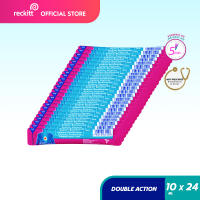
GAVISCON DOUBLE ACTION 10ML 24 SACHETS
₱1,003.92₱1,116.00
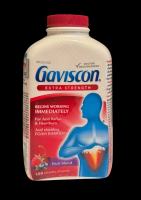
GAVISCON Extra Strength for Acid Reflux and Heartburn150 Chewable Foam tabs Exp.05/2028
₱1,979.00₱1,999.00
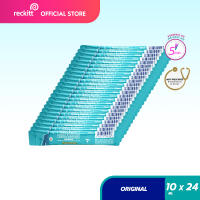
Gaviscon Original Antacid Liquid Sachet 10ml 24 SACHETS
₱910.00₱948.00
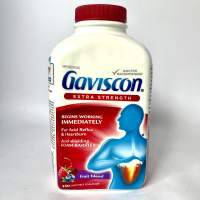
Gaviscon Extra Strength for Acid Reflux 150 Chewable & Original 100 Chewable Tablets
₱2,100.00₱2,125.00
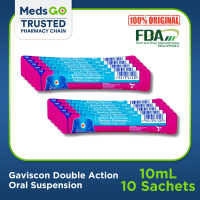
GAVISCON DOUBLE ACTION Liquid Sachet 10ml x 10s
₱918.35₱918.99
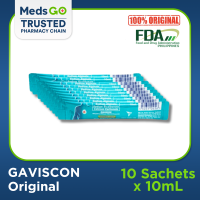
Original GAVISCON Liquid Sachet 10ml x 10s - Indigestion & Heartburn Relief
₱399.95₱442.99
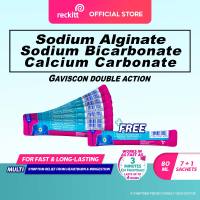
Gaviscon Double Action Antacid Liquid 80ml (10ml x 7+1) for Acid Reflux Heartburn Indigestion
₱305.50₱325.50
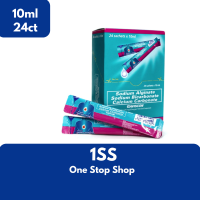
Gaviscon Double Action for heartburn 10ml x 24ct
₱1,485.00
Buy on LazadaAbout Gaviscon
Gaviscon is a widely marketed over-the-counter (OTC) medicine brand used primarily for the relief of heartburn, acid reflux, and indigestion. Unlike conventional antacids that mainly neutralise stomach acid, many Gaviscon formulations combine an alginate with antacid ingredients. The alginate reacts in the stomach to form a floating protective layer—often described by the brand as a “raft”—that helps reduce the movement of stomach contents and acid back into the oesophagus.1
The brand is owned and marketed globally by Reckitt, a multinational consumer-health company whose portfolio also includes brands such as Nurofen, Strepsils, Durex, and Mucinex.2
Note: Gaviscon is a brand rather than a single medicine. Its ingredients, strengths, indications, and available formulations differ between countries, so the product label in the relevant market should always be followed.
Overview
| Category | Information |
|---|---|
| Brand | Gaviscon |
| Industry | Consumer healthcare / pharmaceuticals |
| Main therapeutic area | Digestive health |
| Primary uses | Heartburn, acid reflux, indigestion |
| Key ingredient class | Alginate |
| Common alginate | Sodium alginate |
| Other ingredients | Depending on formulation: sodium bicarbonate, calcium carbonate, potassium bicarbonate, etc. |
| Major dosage forms | Liquid suspension, chewable tablets, sachets |
| Owner | Reckitt |
| Origin | United Kingdom / European pharmaceutical market |
| Global presence | More than 70 countries, according to Gaviscon’s current brand information |
| Malaysia | Gaviscon has been marketed locally for many years; Double Action launched in Malaysia in 2011 |
Gaviscon describes itself as having more than 40 years of experience in heartburn and indigestion treatment and states that the brand is now available in more than 70 countries.1
What is Gaviscon?
Gaviscon is a family of medicines designed to manage symptoms associated with gastro-oesophageal reflux, commonly experienced as:
- Heartburn
- Acid reflux
- A burning sensation behind the breastbone
- Acid or unpleasant fluid coming back into the throat
- Some forms of indigestion
- Difficulty swallowing associated with reflux symptoms
The key distinction between Gaviscon and a conventional acid-neutralising antacid is its use of alginate technology.
A conventional antacid primarily works chemically: it reacts with stomach acid and reduces its acidity. In contrast, Gaviscon’s alginate component has a different physical mechanism. When exposed to the acidic contents of the stomach, it forms a relatively buoyant layer on top of the stomach contents. This is commonly called an alginate raft. The raft is intended to act as a physical barrier that helps reduce reflux of acidic stomach contents into the oesophagus.1
Some Gaviscon products combine this mechanism with conventional antacid ingredients, giving them a two-part action.
History
Early development
The history of Gaviscon’s technology traces back to research into the relationship between viscosity and reflux. According to Gaviscon’s official history, Swedish radiologist Dr Stig Sandmark identified the potential of viscosity as a reflux suppressant in 1964. A product called Gastric Viscosity Control subsequently became available by prescription in Sweden.1
This concept eventually evolved into the Gaviscon product family.
Timeline
1964 — Early discovery
Dr Stig Sandmark identifies the potential of viscosity as a means of suppressing reflux.1
1970 — Gaviscon launched in the UK
Gaviscon was introduced in the United Kingdom as chewable chocolate-flavoured granules. The unusual chocolate flavour is no longer part of the modern range.1
2011 — Gaviscon Double Action in Malaysia
Gaviscon Double Action was introduced to the Malaysian market.1
2020s — Global brand
Gaviscon’s official brand information states that the product is now available in more than 70 countries and is used by millions of people.1
How Gaviscon works
The science behind Gaviscon can be divided into two principal mechanisms.
The alginate “raft”
The defining technology of many Gaviscon products is sodium alginate. Alginate is a polysaccharide obtained from brown seaweed. Gaviscon states that its sodium alginate is derived from seaweed sustainably harvested along the shores of Norway.1
After Gaviscon reaches the stomach, the alginate interacts with the stomach’s acidic environment and produces a gel-like floating layer. Simplified, the reaction is:
Sodium alginate + stomach contents → floating alginate barrier (“raft”)
The raft sits above much of the stomach contents and helps prevent acidic material from moving upward into the oesophagus. This is particularly relevant because reflux is not simply a problem of “too much acid”; the issue is that stomach contents are moving in the wrong direction—from the stomach toward the oesophagus.
Neutralising stomach acid
Some Gaviscon formulations also contain conventional antacid ingredients, particularly sodium bicarbonate and calcium carbonate. These ingredients chemically react with acid and reduce its acidity.1
For example, Malaysian Gaviscon Double Action contains, per 10 mL:
- 500 mg sodium alginate
- 213 mg sodium bicarbonate
- 325 mg calcium carbonate1
This explains the term “Double Action”: the formulation combines the protective alginate barrier with acid neutralisation.
In simplified form:
- Alginate → physical barrier against reflux
- Antacid → chemical neutralisation of acid
Together, these provide a different approach from a traditional antacid alone.
What is the “raft”?
The raft is arguably the most recognisable scientific concept associated with the Gaviscon brand. Conceptually, if the stomach is imagined as a container partly filled with liquid, the alginate forms a buoyant gel when exposed to stomach acid, creating a layer at the top of the stomach contents.
OESOPHAGUS

 │

 │

 ↑ acid/reflux reduced

 │

 ─────────────────

 ALGinate "RAFT"

 ─────────────────

 Stomach contents

 acid + food + fluid

 ─────────────────

 STOMACH
The purpose is not simply to make the stomach less acidic. The raft is intended to physically reduce the upward movement of stomach contents. This is one of the major points that distinguishes Gaviscon’s mechanism from many ordinary antacids.1
Main Gaviscon product families
Gaviscon does not have exactly the same portfolio in every country; formulations are adapted to individual markets. In Malaysia, for instance, the current official Gaviscon range includes products such as Gaviscon Peppermint, Gaviscon Double Action, and Gaviscon Advance.1
Gaviscon Peppermint
Gaviscon Peppermint represents the brand’s more traditional formulation. The Malaysian formulation contains sodium alginate, sodium bicarbonate, and calcium carbonate. Official product information describes the alginate as forming a protective raft while the bicarbonate and calcium carbonate provide antacid action.1
It is available in forms including liquid, tablets, and sachets.
Gaviscon Double Action
Gaviscon Double Action is designed around two mechanisms: the alginate barrier and acid neutralisation. In Malaysia, its liquid formulation contains sodium alginate, sodium bicarbonate, and calcium carbonate. The manufacturer describes it as providing relief for heartburn and indigestion.1
The product is available in liquid, liquid sachets, and tablets. Malaysian product information states that adults and children aged 12 years and over generally take the product after meals and at bedtime according to the specified dosage, while children under 12 should only use it on medical advice.1
Gaviscon Advance
Gaviscon Advance is positioned as a higher-strength alginate formulation. The Malaysian formulation contains:
- 1,000 mg sodium alginate per 10 mL
- 200 mg potassium hydrogen carbonate per 10 mL1
Compared with Gaviscon Peppermint, the Malaysian Gaviscon Advance formulation has twice the concentration of sodium alginate, according to the brand’s product information.1 It is designed to produce a stronger protective barrier and also has mucoadhesive properties, meaning the formulation can coat the oesophageal lining.1 The product is particularly positioned for more persistent or significant reflux symptoms.
Gaviscon and ordinary antacids: what is the difference?
A useful way to understand Gaviscon is to compare it with a conventional antacid.
| Feature | Conventional antacid | Gaviscon-type alginate product |
|---|---|---|
| Neutralises stomach acid | Yes | Some formulations |
| Forms physical barrier | Generally no | Yes |
| Uses alginate | Usually no | Yes |
| Targets reflux movement | Indirectly | Specifically addresses reflux with alginate raft |
| Available as liquid | Often | Yes |
| Available as tablets | Often | Yes |
| Suitable formulation varies by country | Yes | Yes |
The key distinction is:
- Antacid: “Make the acid less acidic.”
- Alginate: “Help stop stomach contents from coming back up.”
- Combination product: “Do both.”
This distinction is central to Gaviscon’s brand positioning.1
What conditions is Gaviscon used for?
Gaviscon products are primarily associated with symptoms caused by reflux and excess gastric acidity. Common symptoms include:
Heartburn
A burning sensation, usually felt behind the breastbone, that can occur when stomach contents reflux into the oesophagus.
Acid reflux
The movement of acidic stomach contents upward toward the oesophagus or throat.
Indigestion
A broader collection of upper-digestive symptoms, which can include discomfort, bloating, and fullness.
Reflux-related throat symptoms
Some formulations, particularly stronger alginate products, are marketed for symptoms such as fluid or acid reaching the back of the throat.1
Gaviscon should not, however, be thought of as a cure for every possible cause of these symptoms. Persistent or severe symptoms can indicate an underlying condition requiring medical assessment.
Gaviscon and GERD
GERD (gastroesophageal reflux disease) is a chronic condition involving recurrent reflux of stomach contents into the oesophagus. Gaviscon can be used to provide symptomatic relief from reflux-related symptoms, but it is not necessarily equivalent to long-term disease management.
For people with frequent or persistent reflux, clinicians may consider other approaches, including lifestyle changes or medicines that reduce acid production, depending on the diagnosis.
Gaviscon primarily provides symptom relief and reflux protection; it should not automatically be regarded as a cure for GERD.
Dosage forms
One reason for Gaviscon’s popularity is the variety of dosage forms available. Depending on the market and formulation, Gaviscon can be found as:
Liquid
A suspension that is swallowed after meals and/or before bedtime according to the product instructions.
Chewable tablets
Designed for convenient use without measuring liquid.
Sachets
Pre-measured liquid doses that are convenient for carrying outside the home.
The UK Gaviscon site, for example, lists chewable tablets, liquid suspension, and sachets among its available formats.3
Gaviscon in pregnancy
Heartburn and reflux are particularly common during pregnancy. Gaviscon markets certain formulations for use during pregnancy, but not every Gaviscon product is identical, and pregnancy does not mean that every formulation should automatically be taken without professional advice.
The Malaysian Gaviscon site specifically advises pregnant people to speak with a doctor or pharmacist before taking the medicine and to read the label.1 Gaviscon Advance in Malaysia is described as having the lowest sodium content in the Gaviscon range and is positioned as a suitable option for pregnant and breastfeeding women, but its product information still advises consultation when there are dietary restrictions involving sodium, potassium, or calcium.1
Safety and precautions
Gaviscon is generally intended for short-term symptomatic treatment, but it is still a medicine, not simply a food or supplement. Important considerations include:
- Follow the dosage on the specific package.
- Different Gaviscon products contain different active ingredients.
- Some formulations contain significant amounts of sodium and/or calcium.
- People on sodium-, calcium-, or potassium-restricted diets may need professional advice.
- Children may have different dosage requirements.
- Persistent symptoms should be medically assessed.
- Do not exceed the recommended dose.
For example, the Malaysian Double Action product specifically warns people who have been advised to follow a diet restricted in sodium or calcium salts to consult a doctor before use.1 The Malaysian Gaviscon site also advises seeking medical advice if symptoms are severe or prolonged.1
Side effects
Like other medicines, Gaviscon can cause side effects in some people. The Malaysian Gaviscon product information lists possible symptoms including:
- Constipation
- Diarrhoea
- Nausea
- Stomach cramps
- Taste disturbance
- Vomiting
The likelihood and nature of side effects depend on the specific formulation and dosage.1 Taking more than the recommended amount can increase the likelihood of adverse effects.
Brand ownership
Gaviscon is part of the consumer-health portfolio of Reckitt. Reckitt describes Gaviscon as one of its major brands in digestive health and positions it as a leading global heartburn and indigestion brand.2
The corporate relationship can be summarised as:
Reckitt
↓
Gaviscon
↓
Products for heartburn, acid reflux, and indigestion
The precise corporate entities responsible for manufacturing, registration, importation, and marketing can differ between countries. In Malaysia, the official Gaviscon site identifies RB (Health) Malaysia Sdn Bhd as the local company associated with the brand.1
Gaviscon in Malaysia
Gaviscon has a substantial presence in Malaysia’s OTC digestive-health market. The Malaysian portfolio currently includes Gaviscon Peppermint, Gaviscon Double Action, and Gaviscon Advance. The Malaysian website says Gaviscon Double Action was introduced to Malaysia in 2011.1
Malaysia’s official medicines database also contains registered Gaviscon products. For example, Gaviscon Infant Powder for Oral Suspension is registered in Malaysia under registration number MAL23086005X, with sodium alginate and magnesium alginate listed as active ingredients. This illustrates an important point: the Gaviscon range is broader than the adult products commonly seen on pharmacy shelves, and specialised formulations exist for particular uses and age groups.
Global positioning
Gaviscon’s central brand proposition is different from simply being an “acid medicine”. Its marketing emphasises three concepts:
- Fast relief → addresses existing discomfort.
- Alginate raft → provides a physical barrier against reflux.
- Longer protection → keeps working beyond the immediate neutralisation of acid in formulations designed for this purpose.
The Malaysian brand site currently claims relief lasting up to four hours for specified Gaviscon Original, Double Action, and Advance products, while noting that individual results can vary.1 The exact duration and claims should therefore be understood as product-specific, rather than assuming every Gaviscon product works for exactly four hours.
Why Gaviscon is distinctive
From a pharmaceutical and branding perspective, Gaviscon’s biggest differentiator is its combination of chemistry and physical protection.
- Traditional antacid: Acid → neutralisation
- Gaviscon alginate technology: Acidic stomach contents → alginate raft → reduced upward reflux
- Combination Gaviscon: Alginate raft + acid neutralisation
This has allowed Gaviscon to occupy a distinct position in the heartburn market rather than competing solely as another conventional antacid. Reckitt specifically describes the brand’s protective-barrier mechanism as a distinguishing feature.2
Brand identity
Gaviscon’s identity is strongly associated with:
- Heartburn relief
- Acid reflux protection
- The alginate raft
- Fast relief
- Long-lasting protection
- Everyday digestive comfort
- OTC accessibility
Its communications typically simplify the underlying gastrointestinal mechanism into a visual story: stomach acid rises upward, while the Gaviscon alginate layer acts as a floating shield. That visualisation is particularly important to the brand because it gives consumers an intuitive explanation of why Gaviscon is different from a standard antacid.
Gaviscon vs. acid-suppressing medicines
Gaviscon should also be distinguished from medicines such as proton-pump inhibitors (PPIs) and H2-receptor antagonists.
| Type | Main mechanism |
|---|---|
| Gaviscon alginate | Forms a physical barrier against reflux |
| Antacid | Neutralises existing stomach acid |
| H2 blocker | Reduces acid production through H2-receptor blockade |
| PPI | Strongly suppresses gastric acid production |
Gaviscon therefore does not primarily work by switching off the stomach’s acid production. Its principal advantage is addressing the physical reflux of stomach contents, while some formulations simultaneously neutralise acid.
Scientific concept behind the brand
At the scientific level, Gaviscon is an interesting example of a medicine whose therapeutic effect depends partly on physical properties, rather than solely on pharmacological interaction with receptors or enzymes. The central substance, alginate, comes from seaweed and has the ability to form a gel under appropriate conditions.
The resulting formulation can:
- Remain at the top of stomach contents.
- Form a protective layer.
- Reduce exposure of the oesophagus to refluxed material.
- In combination products, neutralise some gastric acid.
This is why Gaviscon is often described as an alginate-based reflux suppressant/antacid, rather than merely an ordinary antacid.
Criticism and limitations
Despite its widespread use, Gaviscon has limitations.
It is not one uniform formulation
“Taking Gaviscon” can mean taking very different products depending on the country. For example, Gaviscon Advance and Gaviscon Double Action have substantially different formulations in Malaysia.1
It treats symptoms rather than every underlying cause
Persistent reflux may require diagnosis and longer-term management.
Sodium content can matter
Some formulations contain appreciable amounts of sodium, making the product less straightforward for people following sodium-restricted diets.1
Persistent symptoms should not simply be masked
If symptoms continue despite appropriate use, medical assessment is appropriate. The Malaysian product information advises consultation when symptoms persist beyond the specified period.1
Gaviscon’s significance
Gaviscon is significant in the consumer-health industry because it helped popularise the concept that reflux can be managed not only by neutralising acid, but also by physically limiting reflux. Its commercial success has been built around turning a relatively technical pharmaceutical concept—alginate gel formation—into a simple consumer proposition: a protective barrier that helps keep stomach contents down.
Today, Gaviscon is a globally recognised digestive-health brand, with products spanning conventional alginate/antacid formulations, higher-strength alginate products, and specialised formulations. Reckitt identifies it as a major global heartburn and indigestion brand.2
Quick reference
Gaviscon in one sentence:
Gaviscon is a Reckitt-owned digestive-health brand whose alginate-based medicines relieve heartburn and reflux by forming a protective barrier over stomach contents, with some formulations also neutralising stomach acid.1
- Founded/launched: 1970 in the UK
- Underlying technology: Developed from reflux research dating to 1964
- Key ingredient: Sodium alginate in many formulations
- Source of alginate: Brown seaweed
- Primary indications: Heartburn, acid reflux, and indigestion
- Major mechanism: Alginate “raft”
- Additional mechanism: Acid neutralisation in combination products
- Owner: Reckitt
- Global availability: 70+ countries according to Gaviscon
- Malaysia launch milestone: Double Action introduced in 2011
- Common Malaysian products: Peppermint, Double Action, Advance
- Dosage forms: Liquids, tablets, and sachets, depending on product/market1