Shop on Lazada
Gibson products
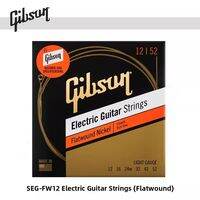
Gibson | Electric and Acoustic Guitar String Set 6 Strings
₱3,243.62
Buy on Lazada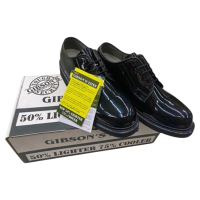
Gibson Lite Performance Leather Shoes – Lightweight & Comfortable (Black)
₱3,298.00
Buy on Lazada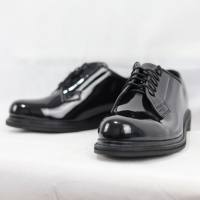
GIBSONS RUBBERSOLE WETLOOK CHAROL BLACK MEN CUT SIZE GOA SHOES (unisex)
₱2,579.00
Buy on Lazada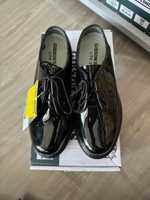
Gibson lites black shoes
₱2,800.00
Buy on Lazada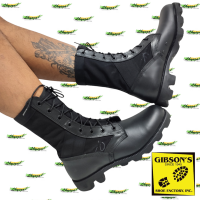
Gibson Tactical Combat Black- UNISEX STEEL TOE
₱2,558.00₱3,000.00

P N P RAINCOAT GREEN WITH REFLECTOR FOR SAFETY GREEN
₱1,771.00
Buy on Lazada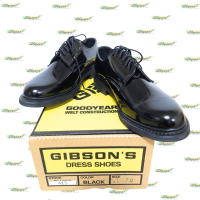
LEGIT - GIBSON S WOMEN 415 SHOES CLARINO WET LOOK FOR LADIES made from high-gloss leather
₱2,480.00₱2,550.00

UNDER ARMOUR PATROL SHOES MIDCUT WITH ZIPPER BLACK
₱2,343.00
Buy on LazadaAbout Gibson
Overview
-
Company: Gibson Inc.
-
Founded: 1894
-
Founder: Orville H. Gibson
-
Headquarters: Nashville
-
Industry: Musical instruments
-
Primary Products: Electric guitars, acoustic guitars, bass guitars, amplifiers, accessories, and audio equipment
-
Parent Company: Gibson Inc.
-
Official Website: Gibson.com
History
Origins (1894–1902)
Gibson began when Orville H. Gibson started handcrafting mandolins in Kalamazoo, Michigan. Unlike traditional instruments built from bent wood, he carved tops and backs from solid wood using techniques inspired by violin making. This innovation improved both structural strength and sound projection.
In 1896, Orville Gibson received a patent for his carved-top mandolin design. His instruments quickly gained popularity, leading five investors to establish the Gibson Mandolin-Guitar Manufacturing Company in 1902, officially transforming his workshop into a commercial manufacturer. [2]
Expansion and Innovation
Throughout the early 20th century, Gibson expanded beyond mandolins into guitars, banjos, and other stringed instruments.
Several innovations established Gibson as an industry leader:
-
Carved-top archtop guitars
-
Adjustable truss rod (1921)
-
Hollow-body jazz guitars
-
Flat-top acoustic guitars
-
Early electric guitars
-
High-quality handcrafted construction
These developments helped define the sound of American jazz, blues, folk, country, and eventually rock music. [2]
Birth of the Electric Guitar
During the 1930s Gibson became one of the pioneers of electric guitars.
Major milestones include:
-
1935: EH-150 Electric Hawaiian guitar
-
1936: ES-150, among the first commercially successful electric Spanish guitars
The ES-150 became famous through jazz guitarist Charlie Christian, who demonstrated the electric guitar’s potential as a solo instrument. [2]
The Golden Age (1950s–1960s)
The 1950s are widely considered Gibson’s golden era.
Many of the company’s most famous models were introduced during this period, including:
-
Les Paul
-
SG
-
ES-335
-
Flying V
-
Explorer
-
J-45
-
SJ-200
Many of these instruments remain in production today and are regarded as classics.
Famous Guitar Models
Les Paul
Perhaps Gibson’s most recognizable guitar, the Les Paul was developed in collaboration with guitarist and inventor Les Paul.
Characteristics include:
-
Solid mahogany body
-
Maple top
-
Set neck construction
-
Humbucking pickups
-
Rich sustain
-
Warm, powerful tone
Popular among:
-
Rock
-
Blues
-
Metal
-
Jazz
SG
Originally introduced as a redesign of the Les Paul, the SG became its own model.
Known for:
-
Thin double-cutaway body
-
Lightweight construction
-
Aggressive appearance
-
Fast neck access
ES-335
The ES-335 combines solid-body sustain with hollow-body resonance.
Widely used in:
-
Blues
-
Jazz
-
Rock
-
Fusion
Flying V
Released in 1958, the Flying V featured a futuristic body shape unlike anything before it.
It later became an icon in:
-
Hard rock
-
Heavy metal
Explorer
Another radical design from the late 1950s, the Explorer became especially popular among heavy rock and metal musicians decades later.
J-45
Nicknamed “The Workhorse,” the J-45 is Gibson’s flagship acoustic guitar.
Known for:
-
Warm tone
-
Excellent projection
-
Versatility
SJ-200
Introduced in 1937, the SJ-200 is Gibson’s premium jumbo acoustic guitar.
Features include:
-
Large body
-
Rich bass response
-
Decorative appointments
-
Powerful projection [2]
Craftsmanship
Gibson guitars are renowned for:
-
Hand-finished construction
-
Premium tonewoods
-
Nitrocellulose lacquer finishes
-
Set-neck construction
-
Precision fretwork
-
High-quality electronics
The company continues to produce many instruments in the United States, particularly in Nashville and its Custom Shop. [1]
Signature Sound
Gibson guitars are often associated with:
-
Thick, warm tones
-
Long sustain
-
Rich midrange
-
Powerful humbucker pickups
These tonal characteristics have made Gibson guitars staples across numerous musical genres.
Famous Artists
Over the decades, Gibson guitars have been used by countless influential musicians, including:
-
Jimmy Page
-
Slash
-
B.B. King
-
Chuck Berry
-
Angus Young
-
Eric Clapton
-
Joe Bonamassa
-
Tony Iommi
-
Billy Gibbons
-
Randy Rhoads
Their use of Gibson instruments has helped shape the sound of blues, rock, jazz, country, and heavy metal.
Gibson Family of Brands
Beyond the Gibson name, the company owns several well-known music brands, including:
-
Epiphone
-
Kramer
-
Mesa/Boogie
-
KRK Systems
-
Steinberger
These brands allow Gibson to serve a wide range of musicians, from beginners to touring professionals. [1]
Mission and Philosophy
Gibson describes its mission as creating instruments that inspire musicians and shape the future of music through craftsmanship, innovation, and quality. The company emphasizes supporting artists, musicians, music lovers, and communities through initiatives such as instrument manufacturing, educational content, and charitable programs like Gibson Gives. [2]
Legacy
For more than 130 years, Gibson has remained one of the most respected names in musical instruments. Its designs—particularly the Les Paul, SG, ES-335, Flying V, Explorer, J-45, and SJ-200—are considered benchmarks in guitar manufacturing. The company’s blend of traditional craftsmanship and ongoing innovation has made it a lasting symbol of excellence in the global music industry. [1]