Shop on Lazada
HOKA products
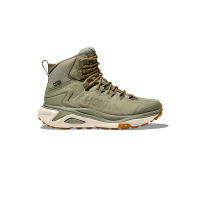
Official Genuine Hoka One One Kaha 3.0 Mid Sneakers 1162530BBLC Warranty 1 Year
₱3,450.00₱10,000.00
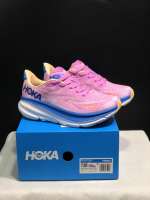
【100% ORIGINAL】Hoka One Clifton 9 Mesh Sports Running Shoes 1127896-EBDB Beige-purple
₱2,550.00₱6,500.00
【100% original】HOKA Challenger 8 | All-Terrain Running Shoes Unisex - MonsoonGrip™ Outsole & Breathable Mesh for Trail & Road
₱2,788.00₱9,990.00
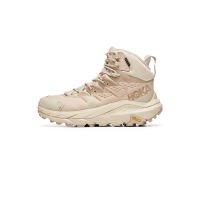
Official Genuine Hoka One One Kaha 2 GTX Sneakers 1123155BBLC Warranty 1 Year
₱3,500.00₱10,000.00
【100% original】Hoka One Challenger Atr 7 Shock Absorbing Road Running Shoes
₱2,789.00₱9,900.00
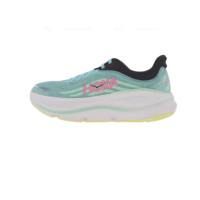
【Flаgship store】HOKA One Bondi 9 Womens Pink Running Shoes
₱5,500.00
Buy on Lazada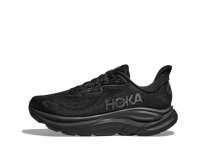
【100% original】HOKA CLIFTON 10 Low Cut Running Shoes Women Sneakers Pink
₱2,789.00₱9,900.00
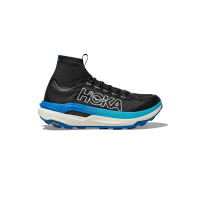
Official Genuine Hoka One One Tecton X3 Sneakers 1155112BHKB Warranty 1 Year
₱3,480.00₱10,000.00
About HOKA
Overview
HOKA is a global performance footwear brand best known for its highly cushioned running shoes, distinctive thick midsoles, and smooth, stable ride. Founded in 2009 in Annecy, France, HOKA began as a niche trail-running concept before expanding into road running, racing, hiking, fitness, walking, and lifestyle footwear. Today, it is one of the principal brands of Deckers Brands, alongside UGG and Teva.1
The brand’s defining philosophy is essentially high cushioning without excessive weight. Its unusual-looking shoes challenged the minimalist running trend of the late 2000s and helped popularise what became known as the maximalist approach to running footwear.
Deckers currently describes HOKA as a premium performance brand offering enhanced cushioning and inherent stability while maintaining relatively low weight.2
Brand profile
| Field | Information |
|---|---|
| Brand name | HOKA |
| Former name | Hoka One One |
| Founded | 2009 |
| Place of origin | Annecy, France |
| Founders | Nicolas Mermoud and Jean-Luc Diard |
| Industry | Athletic footwear, sportswear |
| Specialisation | Running, trail running, outdoor and performance footwear |
| Parent company | Deckers Brands |
| Current headquarters | Goleta, California, United States |
| Global market | Worldwide |
| Core identity | Cushioning, stability, lightweight performance |
| Current slogan/platform | Fly Human Fly |
| Major categories | Road running, trail running, hiking, fitness, lifestyle, apparel and accessories |
Origins
HOKA was created in 2009 by Nicolas Mermoud and Jean-Luc Diard, two individuals with backgrounds in running and the outdoor footwear industry. The brand was born in the French Alps, particularly around the trail-running culture of Annecy and Chamonix.3
The founders sought to address a specific problem: how a runner could descend a mountain faster while reducing the physical punishment associated with downhill running. Rather than making a conventional lightweight racing shoe, they developed a shoe with a very large midsole, substantial cushioning, and a geometry designed to make the transition through the foot more efficient. HOKA itself describes the original objective as improving endurance race times by creating a shoe that could go downhill faster.
The result looked dramatically different from the running shoes of the period. Instead of the relatively thin, low-profile footwear then associated with performance running, HOKA shoes featured unusually thick midsoles, substantial cushioning, a broad platform, a curved sole geometry, relatively low weight for the amount of material involved, and a distinctive rocking sensation during the stride. This visual difference initially made HOKA shoes seem strange compared with conventional running shoes, but the unconventional design became the foundation of the brand’s identity.
Naming history
The brand was originally called Hoka One One. The name is associated with the Māori language and is commonly explained by the company as conveying the idea of flying over the earth. The concept fitted the founders’ original ambition of creating footwear that could help runners move quickly over mountainous terrain.4
In 2021, the company transitioned from the name Hoka One One to simply HOKA as part of a broader simplification of the brand identity.5 Today, the name is generally styled simply as HOKA.
Maximalist design philosophy
HOKA emerged at almost the opposite end of the running shoe spectrum from the minimalist running movement. During the late 2000s and early 2010s, minimalist shoes were becoming increasingly influential, emphasising a more natural-feeling connection between the runner and the ground through thinner soles and less cushioning.
HOKA pursued the opposite direction with a philosophy combining more cushioning, low weight, efficient geometry, and stability. The result became known as maximalist footwear. Importantly, maximalist did not simply mean making the sole as thick as possible; HOKA’s design philosophy sought to combine the large midsole with a relatively lightweight construction and carefully engineered geometry. Deckers describes the brand’s characteristic combination as enhanced cushioning, inherent stability, and minimal weight.6 That combination became one of HOKA’s major competitive advantages.
Early adoption by ultrarunners
HOKA initially found its strongest audience among ultramarathon and trail runners. Long-distance mountain races place enormous demands on a runner’s feet and legs, and HOKA’s large cushioning platform and stable geometry appealed to athletes who needed protection and comfort over very long distances. The company states its products were originally designed for ultra-runners before expanding to a much broader athletic audience.
This is a significant part of HOKA’s history: the brand did not originally become famous as a mainstream lifestyle sneaker brand. It established credibility within a highly specialised performance community first, and that performance reputation later became the foundation for its mainstream expansion.
Acquisition by Deckers Brands
HOKA’s rapid growth required greater resources, distribution, and manufacturing capacity. Deckers Brands, the American footwear company behind brands such as UGG and Teva, became involved with HOKA in 2012. According to Deckers’ SEC filings, Deckers first acquired a noncontrolling interest in Hoka in May 2012 and subsequently acquired the remaining ownership interest in September 2012.
HOKA subsequently became part of the Deckers portfolio. This was a major turning point because it provided HOKA with the infrastructure needed to move from a relatively specialised running brand towards a global performance footwear business. Deckers’ strategy was to develop niche footwear brands with distinctive identities and turn them into international consumer brands, and HOKA became one of the company’s most successful examples of that strategy.
Product expansion
Although HOKA’s roots were in mountain and ultramarathon running, the brand progressively expanded into road running, daily training, marathon racing, track and speed-oriented footwear, trail running, hiking, fitness, walking, and lifestyle footwear. This expansion was strategically important because HOKA’s basic design philosophy of cushioning, stability, and efficient movement was not limited to mountain running.
As a result, the company could apply its technology to a much larger group of athletes. Deckers now describes HOKA’s product portfolio as including running, trail, hiking, fitness, and lifestyle footwear, together with apparel and accessories.
Signature design language
HOKA is perhaps most recognisable by its oversized midsole. The shoes tend to have a visually substantial amount of foam underneath the foot, but several design concepts work together.
Thick cushioning and lightweight construction
The large midsole provides a substantial amount of cushioning beneath the foot, which is the feature most people associate with HOKA. Despite the large-looking sole, HOKA has historically emphasised keeping its shoes relatively light, creating the unusual combination of a large shoe with relatively low weight.
Stable platform and rocker geometry
HOKA’s broad platform and geometry are intended to provide stability while running. Many HOKA shoes incorporate a curved geometry that helps guide the foot through the stride, contributing to the distinctive rolling or rocking sensation that many runners associate with the brand.
Meta-Rocker
One of HOKA’s best-known concepts is Meta-Rocker, a curved sole geometry designed to encourage a smoother transition through the gait cycle. The idea is not simply to put more foam underneath the foot, but to shape that foam so that the shoe helps the runner move forward efficiently.
Visual identity and aesthetics
The appearance of HOKA shoes is central to their engineering philosophy. Traditional running shoes often attempted to look sleek, low, and streamlined, but HOKA challenged that aesthetic. Its shoes could appear oversized, unusually tall, extremely cushioned, wide through the platform, and almost inflated compared with conventional trainers.
That appearance initially became controversial but eventually became a brand asset. What once made HOKA look unusual became one of the easiest ways for consumers to recognise a HOKA shoe. In effect, HOKA turned functional differentiation into visual branding.
Major shoe families
HOKA’s current lineup is much broader than its original ultramarathon shoes. Some of its best-known families include:
- Clifton: One of HOKA’s most recognisable everyday road-running models, generally positioned as a cushioned, versatile daily trainer rather than an extreme racing shoe.
- Bondi: Represents HOKA’s heavily cushioned road-running philosophy and is particularly associated with maximum cushioning and comfort.
- Speedgoat: One of HOKA’s signature trail-running models, closely associated with technical trail and mountain running. HOKA highlighted the Speedgoat 7 in a 2026 product announcement, showing that the model remains an important part of the brand’s trail-running identity.13
- Mach: A family that emphasises a lighter and faster-feeling running experience while retaining HOKA’s cushioning philosophy.
- Rocket and racing models: Performance-oriented racing shoes aimed at faster road running and competition, demonstrating how far the company has moved from its original ultra-distance niche.
Professional athletes and performance credibility
As HOKA grew, its relationship with elite athletes became increasingly important. The brand’s early credibility came from trail and ultramarathon athletes. Later, HOKA expanded its presence into elite road racing, marathon running, track and field, trail racing, ultramarathons, and major international competitions.
This helped establish an important brand message: HOKA is not merely a comfort shoe but performance footwear. That distinction matters because HOKA simultaneously became popular among everyday consumers.
Transition to lifestyle and cultural significance
One of the most significant developments in HOKA’s history is its movement beyond serious runners. HOKA shoes increasingly appeared among people who were walking, travelling, working on their feet, exercising casually, going to the gym, wearing sneakers as everyday fashion, or looking for comfortable footwear. Someone did not necessarily have to be a marathon runner to appreciate HOKA’s cushioning, and this helped transform HOKA from a specialist running company into a much broader performance and lifestyle brand. Deckers now explicitly describes HOKA as appealing to world champions, tastemakers, and everyday athletes.
HOKA also benefited from a broader change in sneaker aesthetics. For many years, athletic shoes were expected to be sleek and relatively understated, but HOKA’s chunky silhouette challenged that idea. The enormous sole became part of the fashion statement, coinciding with the growing popularity of chunky sneakers, technical fashion, outdoor-inspired clothing, athleisure, gorpcore, and comfort-oriented footwear. Consequently, HOKA’s unusual appearance became increasingly fashionable rather than merely functional, enabling the brand to move from running stores into mainstream retail and fashion culture.
HOKA’s story demonstrates how a highly specialised technical product can become a mainstream cultural product. The progression from the French Alps to ultrarunners, specialty running stores, mainstream runners, everyday consumers, and finally fashion and lifestyle is a powerful example of a modern sports brand expanding through authenticity. The brand did not initially try to become a fashion sneaker company; its unusual appearance came from its technical purpose, and eventually, that technical appearance itself became fashionable.
Brand philosophy
HOKA’s identity revolves around several recurring ideas:
- Innovation: HOKA positions itself as a company willing to challenge conventional ideas about footwear.
- Movement: The brand is fundamentally about helping people move, whether running competitively, hiking, exercising, or simply walking.
- Comfort: Cushioning remains one of HOKA’s most important consumer propositions.
- Performance: Despite its lifestyle popularity, HOKA continues to emphasise athletic performance.
- Optimism: HOKA’s storytelling frequently emphasises optimism and the idea of overcoming conventional thinking. Its current Deckers brand positioning uses “Fly Human Fly” as the HOKA platform.7
Corporate structure and financial performance
HOKA is not an independent publicly traded corporation today. It is a major brand within Deckers Brands, the publicly traded footwear company whose portfolio includes HOKA, UGG, and Teva.8 Deckers is headquartered in Goleta, California. This gives HOKA an interesting corporate identity characterised by French origin, American corporate ownership, and global consumer brand status. Its original product philosophy came from the French Alps, while its later commercial expansion was strongly supported by the American market and Deckers’ global infrastructure.
HOKA has become one of Deckers’ two dominant brands. For fiscal year 2026, ended March 31, 2026, HOKA generated approximately US$2.587 billion in net sales, up 15.9% from approximately US$2.233 billion the previous year.9 For comparison, Deckers reported approximately US$2.587 billion for HOKA, US$2.739 billion for UGG, and US$146.2 million for other brands in fiscal 2026 net sales.10 This makes HOKA one of the most important businesses within Deckers. Its sales are divided between wholesale (specialty running stores, sporting goods retailers, and other distributors) and direct-to-consumer channels, including HOKA’s own online and retail outlets.
Global expansion and manufacturing
HOKA has evolved from a French Alpine running concept into a genuinely international brand. Its products are now sold across major markets in North America, Europe, Asia-Pacific, Latin America, and other international markets. Deckers reported that HOKA’s international business has been an important source of growth, with overall international sales growing substantially in fiscal 2026 while HOKA itself continued expanding its global marketplace.
Like other major Deckers brands, HOKA does not primarily manufacture its footwear in company-owned factories. Deckers states that its products are manufactured by independent third-party contractors.11 This is a common structure in the global footwear industry, allowing a brand to concentrate on product design, research and development, marketing, athlete relationships, distribution, retail, and brand management.
Marketing and competition
HOKA’s marketing has historically relied heavily on the contrast between its products and conventional running shoes. The underlying message is essentially not to follow conventional design rules. Its visual identity is therefore extremely recognisable, featuring large midsoles, bold silhouettes, strong colour combinations, a distinctive HOKA logo, technical-looking construction, and a strong association with outdoor and athletic movement. The company’s current “Fly Human Fly” positioning extends this idea beyond running and frames HOKA as a brand for human movement more broadly.
HOKA competes across several different markets. In running, major competitors include ASICS, Brooks, New Balance, Saucony, On, Nike, and Adidas. In trail and outdoor categories, it competes with brands such as Salomon and Altra. HOKA’s competitive advantage lies in its combination of cushioning, lightweight construction, distinctive geometry, and strong brand recognition.
Industry influence and criticism
HOKA’s influence extends beyond its own sales. The company helped normalise the idea that a serious performance running shoe could have a very large amount of cushioning without necessarily being excessively heavy. That influenced the broader running industry, and today extremely cushioned running shoes are common across virtually every major running brand. The modern market contains everything from minimalist shoes to highly cushioned super trainers and racing shoes, and HOKA was one of the brands that helped make this transformation commercially successful.
However, HOKA is not without controversy or debate. Common discussions involve cushioning versus ground feel, as some runners prefer a more direct connection with the road. The thick midsole can make the shoes look bulky compared with traditional running shoes. Durability varies significantly by model, runner, terrain, and mileage. HOKA occupies a relatively premium segment of the running shoe market, which can make its shoes expensive compared with basic athletic footwear. Finally, the brand’s maximalist philosophy remains a matter of personal preference, as more cushioning is not automatically better for every runner.
Timeline
- 2009: HOKA is founded in France by Nicolas Mermoud and Jean-Luc Diard.12
- 2009–2010: The company develops its highly cushioned trail-running footwear and begins gaining attention among endurance athletes.
- 2012: Deckers acquires a noncontrolling interest in Hoka and later that year acquires the remaining ownership.
- 2013: HOKA becomes fully integrated into Deckers’ brand portfolio.
- 2010s: The brand expands beyond ultramarathons into mainstream road running and develops models such as Clifton and other major product families.
- Late 2010s: HOKA becomes increasingly visible among everyday runners and begins developing a broader lifestyle presence.
- 2021: The brand transitions from Hoka One One to simply HOKA.
- 2020s: HOKA becomes one of Deckers’ two largest brands and expands substantially in international markets.
- 2026: HOKA records approximately $2.587 billion in fiscal-year net sales, representing 15.9% year-over-year growth.13
Current status
As of 2026, HOKA is no longer a niche French trail-running experiment. It is a major global performance brand and a core business of Deckers Brands. Deckers describes HOKA as a premium, year-round performance footwear brand serving elite athletes, everyday athletes, and lifestyle consumers. Its current range extends from running and trail footwear to hiking, fitness, lifestyle products, apparel, and accessories.14
The brand’s growth is particularly notable because it has maintained a strong connection to its original technical identity while simultaneously becoming mainstream. HOKA’s significance is not simply that it makes cushioned running shoes; its real contribution to footwear is that it made extreme cushioning, unusual geometry, and visually oversized running shoes commercially desirable without abandoning the idea of serious athletic performance. That combination is what turned a 2009 French Alpine experiment into one of the world’s major running brands.15
References
- La historia detrás de las zapatillas HOKA. – HOKA® Oficial Chile
- HOKA ONE ONE® Brings Revolutionary Brand Experience Beyond Running :: Deckers Outdoor Corporation (DECK)
- About Us | HOKA
- Hoka (brand)
- SEC
- SEC
- Where is the Hoka brand from, and what is its origin?
- ¿De dónde es la marca Hoka y qué origen tiene?
- Who Owns Hoka? Deckers Brands and the Acquisition – LegalClarity
- deck-20260331
- Hoka: The Maximalist Bet That Changed Running
- How I Built This with Guy Raz – HOKA: Jean-Luc Diard and Nicolas Mermoud. The “Clown Shoe” That Became a $2B Bonanza Transcript and Discussion
- Everything About HOKA: Technologies, Naming & Abbreviations
- Amy Winters và Hành Trình Cùng HOKA
- October 31, 2025 – 10-Q: Quarterly report [Sections 13 or 15(d)] | Deckers Outdoor Corporation (DECK)