Shop on Lazada
GSK products
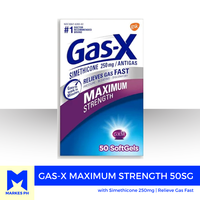
Gas-X Maximum Strength Gas Relief 50 Softgels with Simethicone 250 mg Antigas | Best Before 05/2028
₱2,395.00₱2,895.00
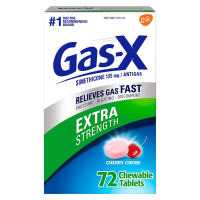
Gas-X Extra Strength Chewable Gas Relief Tablets with Simethicone 125 mg Cherry 72ct | Best Before 02/2029
₱2,295.00₱2,855.00
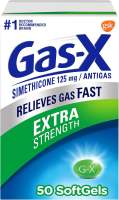
Gas-X Extra Strength Gas Relief Softgels with Simethicone 125 mg | Best Before 11/2028
₱1,995.00₱2,795.00
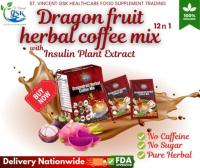
Dragon fruit Coffee with Insulin Plant Extract
₱244.90₱285.00
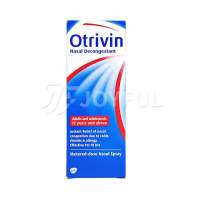
GSK Made in Swizerland Otrivin Nasal Decongestant Adults and Adolescents 12 years and above Metered-dose Nasal Spray 10ml
₱4,851.04₱5,350.00
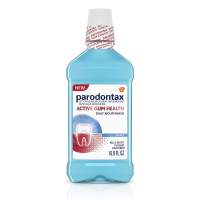
Parodontax Active Gum Repair Complete Protection Toothpaste | Mouthwash
₱745.00₱775.00

Dumping Cable YOKE-BOLT SIZES AVAILABLE
₱1,378.00₱1,600.00
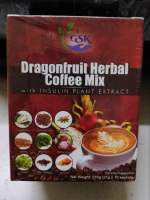
DRAGONFRUIT Herbal Coffee Mix with Insulin Box of 10 sachets
₱285.00₱350.00
About GSK
GSK plc, formerly known as GlaxoSmithKline plc, is a British multinational biopharmaceutical company headquartered in London, United Kingdom. The organisation researches, develops, manufactures, and commercialises vaccines, specialty medicines, and general medicines, with a strategic emphasis on the immune system, infectious diseases, and conditions where innovative treatments can deliver significant health impact.1
As of 2026, GSK ranks among the world’s leading pharmaceutical and vaccine manufacturers. In 2025, the group reported turnover of £32.7 billion, employed approximately 66,800 people across 70 countries, and operated 33 manufacturing sites globally.2
Corporate profile
| Item | Details |
|---|---|
| Company name | GSK plc |
| Former name | GlaxoSmithKline plc |
| Industry | Pharmaceuticals / Biotechnology / Healthcare |
| Founded | Roots trace back to 1715 |
| Modern GSK established | 2000 |
| Headquarters | London, United Kingdom |
| CEO | Luke Miels |
| Chair | Sir Jonathan Symonds |
| Employees | ~66,800 |
| Countries/markets | 70 countries |
| Manufacturing sites | 33 |
| 2025 turnover | £32.7 billion |
| Core businesses | Specialty medicines, vaccines, general medicines |
| Major therapeutic areas | Respiratory, immunology & inflammation, oncology, HIV, infectious diseases |
| Stock listing | London Stock Exchange; also traded in the US through ADRs |
| Website | gsk.com |
Financial figures presented above are derived primarily from the GSK 2025 Annual Report and corporate disclosures published in 2026.3
Business overview
GSK operates as a science-driven healthcare organisation focused on the discovery and development of medicines and vaccines for disease prevention and treatment, distinguishing it from consumer-health entities that market directly to the public. Its commercial activities are categorised into three primary segments.4
Specialty medicines
This segment comprises treatments for complex diseases typically managed by specialists. The portfolio addresses HIV, cancer, asthma and respiratory disorders, autoimmune and inflammatory conditions, and other serious illnesses. Many products within this category are positioned as first-in-class or best-in-class therapies.4
Vaccines
Vaccines represent a core competitive strength for GSK. The portfolio provides protection against shingles, RSV, meningitis, influenza, hepatitis, pneumococcal disease, rotavirus, and whooping cough. In 2025, the company delivered approximately 389 million vaccine doses worldwide.5
General medicines
These products are widely prescribed in primary care and community settings, including respiratory inhalers, antibiotics, and other established medications. GSK reports that its general medicines reach patients in more than 100 countries.6
History and heritage
The corporate lineage of GSK extends significantly beyond its current nomenclature, tracing back to the establishment of Plough Court Pharmacy in London in 1715. Over subsequent centuries, various pharmaceutical enterprises emerged, merged, and consolidated to form the modern entity.7
Key milestones
- 1715: Establishment of Plough Court Pharmacy in London, marking the earliest origin of the company’s heritage.
- 19th–20th centuries: Emergence of multiple pharmaceutical businesses in Britain, Europe, and the United States, including predecessors to the Glaxo and Wellcome groups.
- 1906: Burroughs Wellcome becomes a significant pharmaceutical entity, eventually integrating into the Wellcome group.
- 1908: Glaxo evolves from a New Zealand-based business into an international pharmaceutical company.
- 1995: Glaxo and Wellcome merge to form Glaxo Wellcome, substantially increasing operational scale.
- 2000: Glaxo Wellcome merges with SmithKline Beecham to create GlaxoSmithKline (GSK).
- 2015: GSK and Novartis complete a major asset exchange; GSK acquires Novartis’ vaccine business while divesting its oncology portfolio to Novartis.
- 2022: Consumer healthcare business separates to become Haleon, transforming GSK into a focused biopharma company.
The company’s historical archives identify 15 pioneering medicines and vaccines among its innovations since 1715.8
Strategic focus as a pure biopharma company
Historically, GSK maintained diversified operations spanning pharmaceuticals and consumer healthcare. Recognising that long-term growth opportunities lay in innovative medicines and vaccines, the company separated its consumer health division into Haleon. This restructuring enabled GSK to concentrate resources on vaccines, specialty medicines, and research and development, redefining its identity as a focused biopharmaceutical company rather than a diversified healthcare conglomerate.9
Current strategy
GSK articulates its purpose as uniting science, technology, and talent to get ahead of disease. The company has set an ambition to positively impact the health of 2.5 billion people by the end of the decade.10 Strategic investment is directed toward four key therapeutic areas:
Respiratory, immunology and inflammation
Building on a longstanding presence in respiratory medicine, GSK treats conditions such as asthma and COPD. The company also applies immunological expertise to diseases affecting the lungs, liver, and kidneys.11
Oncology
GSK is expanding its oncology footprint to establish it as a future growth engine. Activities encompass blood cancers, gynaecological cancers, lung cancer, gastrointestinal cancers, prostate cancer, and other solid tumours.12
HIV
A leader in HIV innovation for nearly four decades, GSK conducts its HIV business primarily through ViiV Healthcare, a specialist company in which it holds a majority stake.
Infectious diseases
This area covers meningitis, influenza, RSV, hepatitis, bacterial infections, and other infectious diseases, with vaccines serving as a critical component of the portfolio.13
Major products and brands
GSK maintains an extensive product portfolio grouped by business segment.
Vaccines
Key vaccine brands include Shingrix (shingles), Arexvy (RSV), Bexsero (meningococcal group B), Menveo (meningococcal disease), Boostrix (diphtheria, tetanus, pertussis), and Fluarix (influenza). Shingrix stands out as a flagship commercial product.
Respiratory medicines
GSK remains a leading global player in respiratory therapy with decades of experience in inhaled medicines for asthma and COPD. Notable brands include Trelegy Ellipta, Breo Ellipta / Relvar Ellipta, Anoro Ellipta, and Ventolin.
HIV medicines
Developed and commercialised largely through ViiV Healthcare, the HIV portfolio includes Dovato, Triumeq, Juluca, Cabenuva, Rukobia, and Vocabria. Long-acting treatment and prevention modalities represent a growing area of innovation.
Oncology
The oncology portfolio features Jemperli, Ojjaara, and Blenrep. GSK continues to expand its pipeline beyond historical focuses, viewing cancer as a vital long-term growth area.14
Research and development
Research and development (R&D) is central to GSK’s sustainability, addressing patent expiries and evolving medical needs. In 2025, R&D expenditure was approximately £7.5–8 billion. The company reported 58 assets in its pipeline, 17 assets in Phase III or registration, seven pivotal trial starts, five major product approvals, and £8 billion in innovation sales from products launched or expanded within the previous five years.15
The R&D philosophy integrates immune-system science, human genetics, advanced technologies, and data analytics to identify biological mechanisms where meaningful medical advantages can be achieved.
Vaccine capabilities
Vaccines constitute one of GSK’s most distinctive competitive advantages. The company possesses one of the industry’s broadest vaccine portfolios and extensive global manufacturing capacity. In 2025, GSK delivered 389 million doses, averaging over 1 million doses daily, and supplied 99 million doses of critical vaccines to Gavi to support lower-income countries.16
The company’s vaccine manufacturing heritage dates back to a smallpox vaccine operation established in the United States in 1882.
Global operational scale
Data from 2025 illustrates GSK’s extensive global infrastructure:
- 66,800 employees
- Operations in 70 countries
- 33 manufacturing sites
- £32.7 billion annual turnover
- £7.5 billion R&D expenditure
- 389 million vaccine doses delivered
These metrics reflect a comprehensive system spanning discovery, clinical trials, regulatory approval, manufacturing, distribution, and commercialisation.17
Financial performance
GSK reported the following results for the fiscal year 2025:
| Metric | 2025 |
|---|---|
| Group turnover | £32.7bn |
| Specialty medicines turnover | £13.5bn |
| Vaccines turnover | £9.2bn |
| General medicines turnover | £10.0bn |
| Total operating profit | £7.9bn |
| Core operating profit | £9.8bn |
| R&D expense | ~£7.5bn |
Sales grew by 7% at constant exchange rates in 2025, driven particularly by specialty medicines.18 The company aims to increase the proportion of revenue derived from specialty medicines and innovative products relative to mature medicines.
Corporate structure
Modern GSK is organised around three commercial pillars: Specialty Medicines (high-value innovative treatments), Vaccines (large-scale infectious disease prevention), and General Medicines (established primary care therapies). These operate under an R&D strategy focused on the four core therapeutic areas outlined above. Additionally, GSK maintains strategic relationships such as its majority stake in ViiV Healthcare for HIV.
Presence in Malaysia
GSK has maintained a significant presence in neighbouring Malaysia since October 1958. Today, GSK Malaysia employs over 400 people across pharmaceutical and vaccine operations and a Business Service Centre. Its regional operations cover vaccines, allergy, anti-infectives, CNS, dermatology, respiratory, urology, and specialty care, demonstrating an established local corporate footprint in Southeast Asia.19
Competitive landscape
GSK competes with major global pharmaceutical companies including Pfizer, AstraZeneca, Sanofi, Merck & Co., Johnson & Johnson, Novartis, and Roche. Its distinct strategic positioning combines vaccines, infectious diseases, respiratory medicine, HIV, and selected oncology and immunology areas, rather than competing uniformly across all pharmaceutical categories.
Distinctive characteristics
- Scientific heritage: Corporate roots extending over three centuries with a sustained record of pharmaceutical innovation.20
- Vaccine leadership: One of the industry’s broadest portfolios with massive global manufacturing and distribution capabilities.
- Respiratory expertise: Decades of experience and a large portfolio of inhaled medicines for asthma and COPD.
- HIV expertise: A leading position in HIV treatment and innovation through ViiV Healthcare.
- R&D scale: Annual investment of billions of pounds in research and clinical development.
- Global reach: Products and vaccines distributed worldwide, supported by an extensive supply chain network.
Challenges
Despite its scale, GSK faces structural challenges common to large pharmaceutical firms:
- Patent expiry: Loss of exclusivity on successful drugs invites generic competition.
- R&D risk: Drug development requires years of investment with high failure rates in clinical trials.
- Competition: Intense rivalry in vaccines, oncology, respiratory, and infectious disease markets.
- Pricing pressure: Continuous negotiations with governments and healthcare systems regarding reimbursement.
- Regulatory requirements: Stringent safety, efficacy, and manufacturing standards for all products.
- Pipeline execution: Future growth depends on successfully converting research into approved, commercially viable products.
Addressing these challenges necessitates a continued emphasis on strengthening the late-stage pipeline and accelerating R&D productivity.21
Transformation timeline
- 1715: Plough Court Pharmacy heritage established.
- 1900s: Growth of Glaxo, Wellcome, and other predecessor businesses.
- 1995: Merger of Glaxo and Wellcome.
- 2000: Formation of GlaxoSmithKline via merger with SmithKline Beecham.
- 2015: Major asset exchange with Novartis.
- 2022: Separation of consumer healthcare business into Haleon.
- 2020s: Increasing focus on vaccines, specialty medicines, infectious disease, and immune-system science.
- 2026: Operating as a focused global biopharma company with ~66,800 employees and £32.7bn turnover.22
Business model
GSK operates a cyclical business model wherein scientific research identifies disease mechanisms, leading to R&D and clinical trials. Successful candidates undergo regulatory approval before scaled manufacturing and commercialisation through healthcare systems. Revenue generated is reinvested into further R&D and returned to shareholders. This cycle of research, innovation, product delivery, and reinvestment underpins the company’s three business areas.23
Corporate culture and philosophy
GSK defines its culture through three principles: being ambitious for patients, accountable for impact, and doing the right thing. Ethics, compliance, and responsible business practices are considered fundamental. The broader purpose of “getting ahead of disease” places prevention on equal footing with treatment, a philosophy particularly relevant to its vaccine business.24
References
- GSK at a glance | GSK
- gsk-20251231
- Annual Report 2025 | GSK
- Why invest in GSK? | GSK
- Our product areas | GSK
- Vaccines | GSK US
- History and heritage | GSK
- Company | GSK
- Purpose, strategy and culture | GSK US
- 5493000HZTVUYLO1D793-2025-12-31-T01
- GSK Annual Report 2025
- Malaysia | GSK
- Media | GSK
- Corporate reports archive | GSK
- Corporate reports archive | GSK
- Reports archive | GSK
- GSK delivers strong 2025 performance and re-affirms long-term outlooks | GSK
- gsk-20241231
- Company | GSK
- Financial reports | GSK
- Company | GSK US
- Home | GSK
- Why invest in GSK? | GSK
- Reports archive | GSK