Shop on Lazada
HABA products
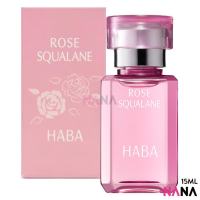
HABA Rose Squalane Limited 30ml
₱1,620.00₱1,940.00
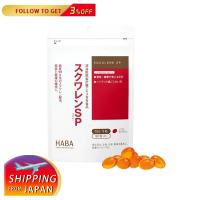
100% original HABA Squalene SP Liver Protection Supplement 90 tablets for 90 days made in japan original ship from Japan
₱932.17₱1,578.96
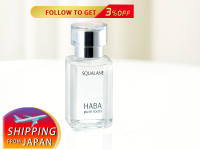
100% original HABA Pure Roots Squalane 15ml Squalane 30ml Squalane 60ml Squalane 120ml made in japan original
₱1,230.08₱1,605.48
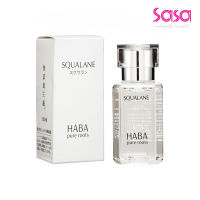
HABA Squalane (15ml / 30ml)
₱1,315.00₱2,630.00
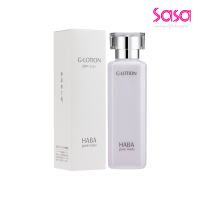
HABA G-Lotion (180ml)
₱1,390.00₱2,779.00
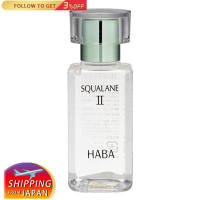
100% original HABA SQUALANE II 15ml /30ml/60ml made in japan original
₱1,153.20₱1,751.34
About HABA
HABA (Japanese: ハーバー, Hābā) is a Japanese skincare, cosmetics, and health-food brand operated by HABA Laboratories, Inc. (株式会社ハーバー研究所). Established in Tokyo in May 1983, the company is widely recognized for its minimalist approach to beauty, its commitment to “additive-free” formulations, and its signature high-purity squalane oil. The name HABA is an acronym for “Health Aid Beauty Aid,” reflecting the founder’s philosophy of supporting both inner health and external beauty. 1
HABA Laboratories currently develops, manufactures, and retails a diverse portfolio comprising cosmetics, quasi-drugs, dietary supplements, and functional foods. For the fiscal year ended March 2026, the group reported consolidated sales of ¥12.14 billion with a workforce of 523 employees. 2
Basic Information
| Item | Details |
|---|---|
| Brand | HABA / ハーバー |
| Company | HABA Laboratories, Inc. |
| Japanese Name | 株式会社ハーバー研究所 |
| Founded | May 1983 |
| Founder | Masayuki Koyanagi (小柳昌之) |
| Headquarters | Chiyoda-ku, Tokyo, Japan |
| Main Fields | Skincare, cosmetics, quasi-drugs, supplements, and health foods |
| Signature Ingredient | Squalane |
| Brand Philosophy | “Health Aid Beauty Aid” |
| Core Concept | 無添加主義 (Mutenka Shugi, “Additive-Free Philosophy”) |
| Current President | Mikio Nishi |
| FY2026 Consolidated Sales | ¥12.14 billion |
| FY2026 Employees | 523 |
Corporate data is derived from HABA Laboratories’ official profile and FY2026 financial disclosures. 3
Brand Name and Meaning
The name HABA is not merely phonetic but serves as a direct acronym:
Health Aid Beauty Aid
The company defines this as “helping/supporting beauty and health.” This distinction is significant because HABA was not originally established as a cosmetics manufacturer; its operations began with health supplements before expanding into topical skincare. 4 This dual focus on cultivating beauty through external care and internal wellness remains central to the brand’s corporate identity.
History
Foundation and Early Years
HABA was founded in May 1983 by Masayuki Koyanagi. Inspired by the burgeoning supplement industry in the United States, Koyanagi believed that Japanese consumers required nutritional products tailored specifically to local dietary habits rather than imported American concepts. Consequently, the company initially focused exclusively on nutritional supplements. 5
In August 1983, HABA commenced mail-order sales of vitamin-based nutritional supplements. However, the company’s trajectory shifted significantly later that year.
Discovery of Squalane
In November 1983, HABA introduced its first skincare products centered on squalane, including the Daily Plus series. This launch laid the groundwork for the brand’s future identity. 6 The company became synonymous with the use of highly purified squalane as a simplified, effective step for moisturizing and protecting the skin.
Manufacturing Expansion
In 1987, HABA established its own manufacturing subsidiary, HABA Inc., in Tomakomai, Hokkaido. This move allowed the company to maintain direct control over production quality and manufacturing processes rather than relying entirely on third-party contractors. 7
Growth in the 1990s
Throughout the 1990s, HABA broadened its skincare offerings and retail footprint:
- 1990: Production of G Lotion commenced.
- 1992: Actress Hisako Manda was appointed as the brand’s image character.
- 1998: The first department store counter, Shop HABA, opened in Sapporo.
- 1999: The Pure Makeup series was launched. 8
This decade marked HABA’s evolution from a niche mail-order business into a recognized Japanese beauty brand with a physical retail presence.
Establishing the Additive-Free Identity
The early 2000s were pivotal in defining the brand’s market position. In 2003, HABA completed a full makeup line colored exclusively with mineral and inorganic pigments, eliminating tar-based colorants. That same year, the company registered 「無添加主義®」 (Mutenka Shugi), trademarking its “Additive-Free Philosophy.” 9
Commercially, HABA expanded internationally with shop sales in Hong Kong starting in 2001 and achieved a listing on the Japanese JASDAQ market in 2003. 10
Core Philosophy: 無添加主義 (Mutenka Shugi)
The concept most closely associated with HABA is 無添加主義 (Mutenka Shugi). While often translated as “Additive-Free Philosophy,” it represents HABA’s specific formulation standards rather than a universal scientific definition. The company states that this philosophy involves selecting ingredients that balance gentleness with efficacy, providing only what the skin needs without unnecessary additions. 11
Excluded Ingredients
For its cosmetic products, HABA explicitly excludes five categories of ingredients:
- Paraben preservatives
- Petroleum-derived surfactants
- Synthetic fragrances
- Mineral oil
- Tar-based colors
It is important to note that “additive-free” in this context refers to adherence to these specific formulation standards. It does not imply that products are entirely free of all functional ingredients or preservation methods; individual formulations vary based on product requirements.
Significance of Squalane
HABA is frequently referred to as “the squalane company” due to the ingredient’s centrality to its brand identity.
Understanding Squalane
Squalane is a stable, hydrogenated derivative of squalene, a lipid naturally present in human sebum. HABA’s development philosophy posits that skincare should supplement the skin’s natural components rather than relying on complex synthetic formulations. 13
The company produces its signature high-purity squalane by hydrogenating squalene to enhance stability. Its flagship product, High-Grade “Squalane”, is marketed as being 100% squalane with a purity level of 99.9%. 14
The HABA Squalane Oil Routine
The HABA Squalane oil is the brand’s most iconic product, distinguished by a minimalist application concept:
Cleanse → Moisturize → Protect with Squalane
HABA promotes a basic skincare routine where a small amount of squalane oil replaces heavier moisturizers after applying lotion or toner. 15 This approach emphasizes functional simplicity over multi-step complexity, positioning the oil as a lightweight alternative for hydration and barrier protection.
Product Categories
While best known internationally for facial skincare, HABA maintains a comprehensive product portfolio.
Skincare
The skincare range encompasses cleansers, toners, moisturizers, facial oils, serums, creams, masks, and special treatments. Squalane is integrated throughout the line as a foundational ingredient. 16
Key products include:
- High-Grade “Squalane”
- G Lotion
- White Lady serum 17
- Various additive-free skincare lines
Makeup
HABA produces foundation, face powder, lip products, eye makeup, and other color cosmetics. A defining characteristic is the exclusive use of mineral and inorganic pigments. Since 1999, the company has utilized natural mineral pigments across its makeup range, avoiding tar-based colorants. 18
Hair and Body Care
Personal care offerings include shampoo, hair treatments, body care products, and soap. Notably, HABA highlights the use of soap-based shampoos and the exclusion of petroleum-derived surfactants in these categories as part of its environmental and safety commitments. 19
Supplements and Health Foods
Reflecting its origins, HABA continues to manufacture nutritional supplements and functional foods. This segment connects back to the founder’s original vision of developing health products suited to Japanese consumers, validating the “Health Aid” component of the brand name. 20
Approach to Skincare
HABA’s methodology can be summarized as “less, but better.” Rather than pursuing aggressive transformation, the brand focuses on supporting the skin’s natural functions through:
- High-quality raw materials
- Simple formulations
- Skin compatibility
- Squalane-based moisturization
- Minimalist routines
- Long-term daily care
This philosophy distinguishes HABA from brands that emphasize complex, multi-step regimens or highly active clinical interventions. 21
Quality and Manufacturing
HABA operates its own manufacturing subsidiary in Hokkaido, integrating production and quality control into its core value proposition. For cosmetics, the company maintains strict hygiene standards aligned with its additive-free philosophy and emphasizes the use of highly purified ingredients. Similarly, health food products are manufactured domestically in Japan using carefully selected raw materials. 22
Sustainability Initiatives
Environmental considerations have been increasingly incorporated into HABA’s product development. Current sustainability efforts include:
- Plastic reduction
- Use of FSC-certified paper
- Integration of recycled materials and biomass PET
- Environmentally conscious packaging design
- Reduction of manufacturing environmental impact
- Mineral-based makeup formulations
- Soap-based cleansing products
The company views these initiatives as an extension of its longstanding “additive-free” philosophy, applying the principle of gentleness to the broader environment. 23
Retail and Distribution
Originally reliant on mail-order and direct sales, HABA has since diversified its distribution channels. The current Japanese retail network includes online shopping, dedicated HABA shops, department store counters, drugstores, variety stores, and beauty consultation services.
Corporate materials identify major retail partners such as Mitsukoshi Isetan, Daimaru Matsuzakaya, and Loft. Historically, the company has reported operating more than 70 dedicated shops across Japan. 24
Market Positioning
Within the Japanese beauty landscape, HABA occupies a distinct niche. It is not positioned as a luxury fashion-house brand, a trend-driven K-beauty label, a mass-market drugstore option, or a dermatological prescription brand. Instead, its identity is defined by:
Japanese minimalist skincare + high-purity ingredients + additive-conscious formulation + long-term daily care
The brand is primarily associated with simplicity, gentleness, squalane, and domestic manufacturing.
International Presence
HABA began overseas retail operations in Hong Kong in 2001, subsequently expanding availability through international markets and online channels. 25 Globally, Squalane Oil serves as the primary entry point for new consumers discovering the brand.
Corporate Scale
HABA operates as part of a publicly disclosed corporate group centered on HABA Laboratories. Key financial metrics for the fiscal year ending March 2026 include:
- Revenue: ¥12.14 billion
- Operating Profit: ¥730 million
- Net Income: ¥760 million
- Consolidated Employees: 523
The company is headquartered in Kanda, Chiyoda-ku, Tokyo, with manufacturing facilities located in Hokkaido. 27 As of 2026, Mikio Nishi serves as Representative Director, President, and Executive Officer, having assumed the presidency in 2025. 28
Key Differentiators
HABA is distinguished by five core attributes:
- Health Origins: The brand’s foundation in vitamin and nutritional supplements creates a unique link between beauty and wellness. 29
- Squalane Centrality: High-purity squalane is the cornerstone of the brand’s identity, distinguishing it from competitors who may use the ingredient peripherally.
- Fundamental Minimalism: The philosophy focuses on providing essential nutrients while avoiding specific unnecessary ingredients, rather than simply marketing “natural” cosmetics.
- Philosophical Integration: 無添加主義 is a registered corporate concept integrated into R&D, not merely a marketing tagline. 30
- Holistic Portfolio: The continued inclusion of supplements and health foods reflects the original “Health Aid Beauty Aid” mission.
Timeline
| Year | Milestone |
|---|---|
| 1983 | HABA Laboratories founded in Tokyo |
| 1983 | Vitamin supplements launched |
| 1983 | Squalane-based skincare introduced |
| 1987 | Manufacturing subsidiary established in Hokkaido |
| 1990 | G Lotion production begins |
| 1998 | First HABA shop opens in Sapporo |
| 1999 | Pure Makeup series launched |
| 2001 | Overseas shop sales begin in Hong Kong |
| 2003 | Full mineral-color makeup line; “無添加主義®” trademark registered |
| 2003 | Company listed on JASDAQ |
| 2023 | HABA celebrates 40th anniversary |
| 2026 | ¥12.14 billion consolidated sales for FY2026 |
Summary
HABA is a Japanese beauty and health company founded in 1983 that combines minimalist skincare with nutritional science. Its identity is anchored by two pillars: the acronym “Health Aid Beauty Aid” and the registered philosophy of 無添加主義 (Additive-Free Philosophy). Rather than following transient trends, the brand has consistently emphasized high-purity squalane, the exclusion of specified additives, and simple daily routines designed to support the skin’s natural condition over the long term. 32
References
- 会社概要 | 企業情報 | ハーバー研究所
- ハーバーグループの理念 | 企業情報 | ハーバー研究所
- IR情報 | ハーバー研究所
- ハーバーのサプリメント | 無添加主義 ハーバーの公式オンラインショップ
- 創業者の想い | ハーバーについて | ハーバー研究所
- 沿革 | ハーバーについて | ハーバー研究所
- ハーバーのあゆみ | 個人投資家の皆様へ | IR情報 | ハーバー研究所
- 事業内容 | ハーバー研究所
- 商品概要 | 商品開発 | ハーバー研究所
- オイル美容Q&A | HABA note+ | 無添加主義 ハーバー
- HABA | Makeup
- 安全かつ環境に配慮したモノづくり | サステナビリティ | ハーバー研究所
- HABA | About Us
- 中途採用者向けリクルートページ | ハーバー研究所
- 代表メッセージ/役員一覧 | 企業情報 | ハーバー研究所
- HABA(Health Aid Beauty Aid=美と健康を助ける) 無添加主義(R)を貫いて40年 2023年5月17日 ハーバー研究所は創業40周年を迎えます | 株式会社ハーバー研究所
- ~ハーバー研究所のユーザー約2,000人に 「からだの不調アンケート」を実施~ コロナ禍でからだの不調を実感する人が約8割、 健康維持、病気予防のためにサプリメントや健康食品を 摂取した人も約8割! 不調改善への意識の高まりが顕著、 「人生100年時代の未病ケア」に注目! | 株式会社ハーバー研究所
- HABA(Health Aid Beauty Aid=美と健康を助ける) 無添加主義(R)を貫いて35年 2018年5月17日 ハーバー研究所は創業35周年を迎えます | 株式会社ハーバー研究所
- 企業情報 | ハーバー研究所
- ハーバー研究所
- よくあるご質問 | お問い合わせ | ハーバー研究所
- お問い合わせ | ハーバー研究所
- IRニュース | IR情報 | ハーバー研究所
- HABA | Squalane
- HABA | SkinCare
- HABA | Additive-free Cosmetics from Japan
- 中期経営計画 | IR情報 | ハーバー研究所
- HABA | Concept
- HABA | Graden Factory
- HABA | What’s new
- HABA | Supplement
- ハーバー : HABA – ファッションプレス