Shop on Lazada
Fleer Showcase products
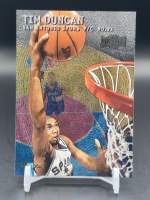
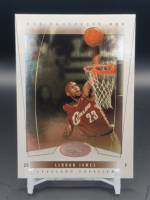
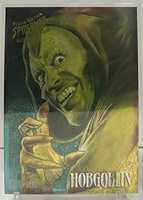
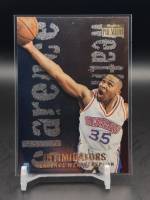
About Fleer Showcase
Fleer Showcase is a premium and later mid-to-high-end sports trading-card brand associated with Fleer, best known for basketball products and for its distinctive, highly structured approach to scarcity, rookie cards, inserts, parallels, serial numbering, and—later—autographs and memorabilia cards. The brand is particularly significant to collectors because it evolved directly from the influential Flair Showcase concept of the late 1990s before becoming a standalone Fleer Showcase product around 2000.1
Although the name Fleer Showcase is commonly used when discussing the entire lineage, there is an important distinction: the famous 1996–99 products were officially branded Flair Showcase, while Fleer Showcase became the actual product name beginning around 2000.
Infobox
| Field | Information |
|---|---|
| Brand | Fleer Showcase |
| Parent company/origin | Fleer |
| Industry | Sports trading cards |
| Primary era | c. 2000–2005 |
| Predecessor | Flair Showcase |
| Major sports | Basketball, football, baseball |
| Later use | Hockey and other Upper Deck-era products |
| Notable characteristics | Premium designs, serial numbering, rookie tiers, parallels, inserts, autographs, memorabilia |
| Most famous lineage | 1996–99 Flair Showcase → Fleer Showcase |
| Notable modern continuation | Upper Deck-era Fleer Showcase hockey |
History
Origins: Flair
The story of Fleer Showcase really begins with Flair, a premium basketball-card brand developed by Fleer in the mid-1990s.
Flair was positioned above Fleer’s conventional products and experimented heavily with premium card stock, foil, photography, elaborate printing techniques, and increasingly sophisticated insert structures. By 1996–97, Fleer transformed the concept into Flair Showcase, creating one of the more elaborate card constructions of the 1990s trading-card boom.
The 1996–97 product was particularly ambitious. Rather than simply making a base card and a few parallels, Fleer effectively created multiple versions of each player organized into different “Rows.”
Flair Showcase: The Foundation
1996–97 Flair Showcase
The 1996–97 season is arguably the most important year in the entire Showcase lineage.
The product contained 90 players, but each player could appear in three different “Rows”:
- Row 2 — Style
- Row 1 — Grace
- Row 0 — Showcase
That meant the nominal 90-player checklist effectively produced 270 different base cards. The rows represented different levels of scarcity, with Row 2 being the most accessible and Row 0 being the most difficult.
The system was further complicated by three different back themes:
- Showtime
- Showstopper
- Showpiece
The combination of a card’s Row and its back theme determined its relative scarcity.
This was one of the defining characteristics of Showcase: scarcity was designed into the architecture of the set rather than being limited to a handful of conventional inserts.
Notable rookies
The 1996–97 checklist is especially important because it included rookies such as:
- Allen Iverson
- Kobe Bryant-era contemporary stars and other major 1990s players
- Members of the celebrated 1996 NBA draft class
The 1996–97 checklist explicitly identifies Allen Iverson as a rookie.
The product also contained a Class of ’96 insert set featuring prominent rookies from that draft class.
1997–98: Complexity Increases
For 1997–98, Flair Showcase expanded its tiered philosophy even further.
Instead of three Rows, the product used four levels:
- Row 3
- Row 2
- Row 1
- Row 0
The different levels were combined with four thematic categories:
- Showtime
- Showstopper
- Showdown
- Showpiece
This created an extraordinarily complicated system of different scarcity combinations. Contemporary collector documentation describes the product as effectively having 320 cards representing 80 players, with four rows and four thematic levels.
The rarest Row 0 versions were also serial-numbered at different levels, including editions of:
- /250
- /500
- /1,000
- /2,000
depending on the particular version.
This period established the Showcase philosophy that would become highly recognizable among 1990s basketball-card collectors:
one player → multiple designs → multiple scarcity levels → multiple parallel combinations
1998–99: Refinement
The 1998–99 Flair Showcase product simplified the structure somewhat, returning to three principal Rows:
- Row 3 — Power
- Row 2 — Passion
- Row 1
The set continued using different combinations of themes and scarcity levels. The rarest versions incorporated serial numbering, including editions as low as several thousand copies or fewer.
Thus, by the end of the Flair Showcase era, the brand had developed a reputation for:
- elaborate parallel structures
- refractor-like surfaces
- premium-looking foil
- multiple player photographs
- tiered scarcity
- serial-numbered cards
- extremely complex checklists
This is the foundation upon which Fleer Showcase was built.
Transition to Fleer Showcase
Around 2000, Fleer changed the branding from Flair Showcase to Fleer Showcase.
This was more than a simple name change. The 2000 product significantly altered the formula.
The 2000 Fleer Showcase set was a 140-card product consisting of:
- 100 veteran cards
- 15 prospects numbered to 1,000
- 25 prospects numbered to 2,000
It also introduced a much more conventional set structure compared with the highly fragmented Flair Showcase products of the late 1990s.1
The shift is important historically because it marks the point where Showcase stopped being primarily synonymous with the elaborate Row system of the 1990s and became a broader Fleer premium-card brand.
2000 Fleer Showcase
The 2000 release also moved more strongly into the emerging “hit” culture of the modern sports-card hobby.
Among its inserts and premium cards were:
- Legacy Collection
- Masterpiece one-of-one cards
- Prospect Showcase First
- Fresh Ink autographs
- additional thematic inserts
- serial-numbered prospects
The Masterpiece cards were particularly notable because they were produced as 1/1 cards, an increasingly important concept in the hobby.
The product was also distributed as a hobby product in 24 packs of five cards, with a suggested retail price of $3.99 per pack.2
Basketball
Basketball became the most culturally important sport for the Showcase name.
The 2000–01 basketball release contained 121 cards, divided into:
- 90 veteran cards
- 10 Tier 1 rookies numbered to /500
- 10 Tier 2 rookies numbered to /1,500
- 11 Tier 3 rookies numbered to /2,000
The product was released in March 2001, with five cards per pack and a suggested retail price of $4.99.2
This demonstrates how Fleer Showcase increasingly used rookie tiers as a central part of the product’s identity.
Rather than simply printing thousands of identical rookie cards, Fleer created multiple levels of scarcity, giving collectors a reason to chase progressively rarer versions.
Football
Fleer Showcase was also used for football.
For example, 2000 Fleer Showcase Football contained 160 cards:
- 100 veterans
- 20 rookies numbered to /1,000
- 40 rookies numbered to /2,000
The base cards were produced with holographic foil and gold foil highlights, continuing the premium visual identity associated with the brand.3
The brand continued into subsequent football releases. The 2002 edition, for example, contained 166 cards and included serial-numbered Avant veterans and rookies as well as Rookie Showcase cards.4
Baseball
Fleer also used Showcase for baseball.
The 2003 Fleer Showcase Baseball set contained 145 cards and was divided into several thematic sections:
- active players
- retired players
- Showcasing Talent prospects
- update cards
The product was also unusually packaged, with different pack themes centered around Jersey, Leather and Lumber.5
This illustrates how the Showcase identity had expanded beyond a single basketball-oriented product into a broader premium sports-card brand.
Design Philosophy
One of Fleer Showcase’s defining characteristics was its emphasis on visual and physical presentation.
The brand generally attempted to look more luxurious than ordinary Fleer products.
Common design elements included:
Foil
Gold and holographic foil were heavily associated with Showcase. The 2000 football cards, for example, were described as holographic foil cards with gold foil highlights.6
Multiple photographs
The Flair Showcase era frequently used more than one image of a player, sometimes incorporating different photography into the card’s design.
Tiered designs
Rather than treating parallels as simple color variations, the original Showcase concept made different tiers part of the fundamental identity of each card.
Serial numbering
Numbering became increasingly important during the late-1990s/early-2000s period, particularly for rookies and premium parallels.
Autographs and memorabilia
As the hobby moved toward “hit”-driven products, Showcase increasingly incorporated:
- autographs
- game-used memorabilia
- serial-numbered cards
- extremely limited parallels
This represented an evolution from the experimental premium cards of the 1990s toward the modern hobby box model.
The Meaning of “Rows”
For collectors, Rows are perhaps the single most recognizable feature of early Showcase.
In the 1996–97 product, for example:
| Row | Name | General scarcity |
|---|---|---|
| Row 2 | Style | Most common |
| Row 1 | Grace | Scarcer |
| Row 0 | Showcase | Rarest |
The concept was deliberately designed like seating at a venue: row, section and seat were incorporated into the card’s identification system.7
Consequently, two cards featuring exactly the same player could nevertheless be substantially different collectibles.
For example, a collector pursuing a particular player might need to distinguish:
Player → Row → Section → Theme → Serial-numbered variation
rather than simply buying “the player’s Showcase card.”
That complexity is a major reason why 1990s Flair Showcase remains a specialist collecting area.
Relationship Between Flair Showcase and Fleer Showcase
This distinction is worth emphasizing.
Flair
Flair was the original premium Fleer brand.
↓
Flair Showcase
In 1996, Flair evolved into Flair Showcase, introducing the famous Row/Section/tier architecture.
↓
Fleer Showcase
Around 2000, Fleer replaced the Flair Showcase branding with Fleer Showcase, substantially changing the product structure.
↓
Later Fleer Showcase
The Showcase name subsequently appeared in various Fleer and, later, Upper Deck-era products.
A collector therefore shouldn’t automatically treat every card labeled Showcase as belonging to the same set or design system.
Fleer and the End of the Original Era
The early-2000s period was a difficult time for the sports-card industry. Fleer eventually entered bankruptcy in 2005, and its assets were acquired by Upper Deck. The broader Fleer history therefore explains why later Showcase products can exist under the Upper Deck umbrella despite the original brand being associated with Fleer.8
This is one reason the Showcase name has a somewhat unusual history: it isn’t simply a single uninterrupted Fleer product line.
Upper Deck Era
The Showcase name subsequently appeared in Upper Deck-era products.
One notable example is 2013–14 Fleer Showcase Hockey, which represented the first time the Showcase name was applied to hockey cards. The product featured a 100-card veteran base set and rookie-oriented material, while also drawing on designs and concepts associated with 1990s Fleer products.9
The brand continued in hockey, including 2016–17 Fleer Showcase Hockey. That release emphasized the retro appeal of the 1990s Fleer aesthetic and included popular hobby concepts such as Precious Metal Gems (PMG) and rookie autographs.8
Thus, in its later life, Fleer Showcase became partly a heritage/retro brand, allowing Upper Deck to exploit collectors’ nostalgia for Fleer’s 1990s designs.
Importance to the Hobby
Fleer Showcase is historically important for several reasons.
1. It helped popularize tiered scarcity
The original Flair Showcase products took the idea of parallels much further than simply changing a card’s color.
2. It anticipated modern premium collecting
Serial numbers, extremely limited parallels, autographs, memorabilia and 1/1 cards became central to the modern hobby.
3. It embraced complicated checklists
The Row/Section/Theme concept made collecting significantly more challenging than conventional base sets.
4. It benefited from the 1990s basketball boom
The original Showcase years coincided with an extremely active basketball-card market and included major stars and rookies.
5. It produced iconic rookie-era material
The 1996–97 checklist, for instance, includes Allen Iverson’s rookie card, making the product historically significant beyond its design alone.10
6. It became a nostalgia brand
Later Upper Deck products deliberately revisited the visual language of 1990s Fleer, helping keep the Showcase identity recognizable to collectors.
Notable Product Eras
| Era | Branding | Main significance |
|---|---|---|
| 1994–95 | Flair | Origins of Fleer’s premium Flair concept |
| 1995–96 | Flair | Continued premium experimentation |
| 1996–97 | Flair Showcase | Introduction of the famous Row system |
| 1997–98 | Flair Showcase | Four-row/four-theme complexity |
| 1998–99 | Flair Showcase | Refined tiered/serial-numbered structure |
| 1999–00 | Flair Showcase / transition | Final period of the Flair-branded lineage |
| 2000 | Fleer Showcase | Major rebranding and simplified structure |
| 2000–03 | Fleer Showcase | Basketball, football and baseball expansion |
| 2004–05 | Fleer era | Late original-Fleer period |
| 2013–14 onward | Fleer Showcase under Upper Deck | Retro/heritage revival, particularly hockey |
| 2016–17 | Fleer Showcase Hockey | PMG, rookie autographs and 1990s-inspired designs |
The exact boundaries can vary depending on whether one considers Flair, Flair Showcase, and Fleer Showcase separate brands or a continuous product lineage.11
Collecting Fleer Showcase
Collectors generally divide the hobby into several distinct areas.
1990s Flair Showcase
This is the most design-driven portion of the lineage. Collectors chase:
- Rows
- Sections
- Showtime
- Showstopper
- Showpiece
- Legacy Collection
- serial-numbered versions
- rare parallels
2000s Fleer Showcase
The emphasis shifts toward:
- rookies
- serial-numbered cards
- autographs
- memorabilia
- inserts
- prospects
- 1/1 cards
Modern Fleer Showcase
Later releases are often collected for:
- nostalgia
- retro designs
- PMG cards
- rookie cards
- autographs
- modern parallels
Legacy
Fleer Showcase occupies an interesting place in sports-card history because it sits at the intersection of two eras.
The late-1990s Flair Showcase products represent the peak of the hobby’s experimental premium-card era: elaborate designs, multiple rows, unusual scarcity systems, refractor-like surfaces and extremely complicated checklists.
The early-2000s Fleer Showcase products represent the transition toward the modern hobby: serial-numbered rookies, autographs, memorabilia, prospects and one-of-one cards.
And the later Upper Deck releases demonstrate a third role: Showcase as a nostalgia brand, drawing upon the visual identity of Fleer’s 1990s products for a newer generation of collectors.12
In short:
Flair created the Showcase concept; Fleer Showcase broadened it into a multi-sport premium brand; and later Upper Deck releases turned Showcase into a recognizable piece of Fleer nostalgia.
That is why, when collectors discuss “Fleer Showcase,” they may actually be referring to two closely connected but technically distinct eras: the 1996–99 Flair Showcase lineage and the 2000s Fleer Showcase brand that followed it.
References
- 2000 Fleer Showcase – BaseballCardPedia.com
- 2000-01 Fleer Showcase Basketball Sports Cards Online Values and Checklists
- 2000 Fleer Showcase Football Sports Cards Online Values and Checklists
- 2002 Fleer Showcase Football Sports Cards Online Values and Checklists
- 2003 Fleer Showcase Baseball Sports Cards Online Values and Checklists
- Baseball card
- Box Break: 2013-14 Fleer Showcase – Puck Junk
- 2016-17 Fleer Showcase Hockey Checklist, Release Date
- Beckett: Online Sports & Non Sports Cards Collectibles and Price Guide Subscription
- 2000 Fleer Showcase Legacy Collection Kobe Bryant 24/50 #85 PSA 8 NM-MT on Fanatics Collect
- Beckett: Online Sports & Non Sports Cards Collectibles and Price Guide Subscription
- Fleer Archives – Upper Deck