Shop on Lazada
Heartgard products
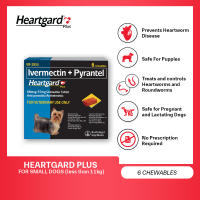
Heartgard Plus For Dogs (Less Than 11 Kg) 6 Chews / Box Treats and Controls Hookworms and Roundworms Safe For Lactating and Pregnant Dogs No Prescription Required
₱1,202.00
Buy on Lazada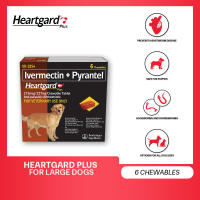
Heartgard Plus For Dogs 6 Chews / Box Treats and Controls Hookworms and Roundworms Safe For Lactating and Pregnant Dogs No Prescription Required
₱1,572.00
Buy on Lazada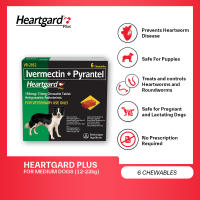
Heartgard Plus For Dogs (12-22 Kg) 6 Chews / Box Treats and Controls Hookworms and Roundworms Safe For Lactating and Pregnant Dogs No Prescription Required
₱1,388.00
Buy on Lazada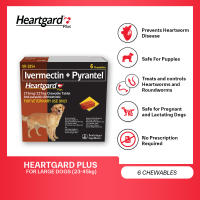
Heartgard Plus For Dogs (23-45 Kg) 6 Chews / Box Treats and Controls Hookworms and Roundworms Safe For Lactating and Pregnant Dogs No Prescription Required
₱1,572.00
Buy on Lazada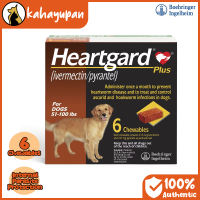
Heartgard Plus Internal Parasite Protection Chewable for Dogs
₱1,465.00
Buy on Lazada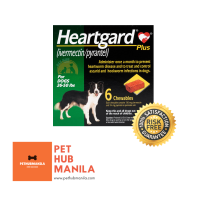
Heartgard Plus for Medium Dogs 26-50lbs (6 Chewables) 1box
₱1,129.00₱1,200.00
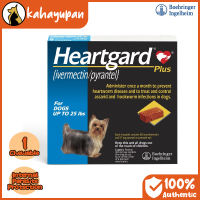
Heartgard Plus Single Deworming Chewables for Small Dogs 1-11kg
₱220.00
Buy on LazadaHeartgard Plus Deworming Chewables for Large Dogs 23-43kg
₱1,465.00
Buy on LazadaAbout Heartgard
Overview
Heartgard is a veterinary parasiticide brand best known for monthly heartworm prevention in dogs. Owned and marketed by Boehringer Ingelheim Animal Health, it has become one of the most recognised names in companion-animal parasite control.1 The flagship canine products utilise ivermectin as the primary active ingredient, while Heartgard Plus combines ivermectin with pyrantel to provide additional protection against specific intestinal worms.2
| Category | Information |
|---|---|
| Brand | Heartgard® |
| Industry | Animal health / veterinary pharmaceuticals |
| Primary use | Prevention of heartworm disease |
| Main animal species | Dogs; cat products also exist |
| Key canine active ingredient | Ivermectin |
| Heartgard Plus ingredients | Ivermectin + pyrantel |
| Administration | Oral chewable |
| Typical frequency | Once monthly |
| Manufacturer/marketer | Boehringer Ingelheim Animal Health |
| Product category | Antiparasitic / heartworm preventive |
| Target parasites | Heartworm larvae; Heartgard Plus additionally targets certain hookworms and roundworms |
| U.S. regulatory status | Heartgard Plus is FDA-approved under NADA #140-971 |
Pharmacology and Indications
Heartgard is classified as a preventive veterinary medicine rather than a treatment for established adult heartworm disease. Its primary indication is the prevention of infection by Dirofilaria immitis, the canine heartworm transmitted by mosquitoes. Following transmission via a mosquito bite, infective larvae undergo tissue-stage development before maturing into adult worms. Heartgard functions by eliminating these tissue-stage larvae before they reach maturity, providing protection for approximately 30 days post-infection.1
It is clinically significant that Heartgard does not eliminate established adult heartworms. Consequently, dogs should be tested for existing heartworm infection prior to commencing any preventive regimen.
Heartgard vs Heartgard Plus
The Heartgard product family comprises distinct formulations with varying antiparasitic spectra.
Heartgard
The original canine formulation contains ivermectin and is indicated principally for the prevention of canine heartworm disease. Manufacturer information describes it as a monthly chewable suitable for puppies from six weeks of age, with no minimum weight requirement specified.1
Heartgard Plus
Heartgard Plus incorporates pyrantel alongside ivermectin, resulting in a broader antiparasitic indication. In addition to heartworm prevention, it is indicated for the treatment and control of:2
- Roundworms: Toxocara canis and Toxascaris leonina
- Hookworms: Ancylostoma caninum, Uncinaria stenocephala, and Ancylostoma braziliense
This dual-action profile positions Heartgard Plus as both a heartworm preventive and an intestinal worm treatment.
Mechanism of Action
The two active ingredients in Heartgard Plus serve distinct pharmacological roles:
- Ivermectin: At recommended doses, this component targets susceptible developmental stages of Dirofilaria immitis, eliminating larvae before they develop into adult heartworms.
- Pyrantel: This component addresses intestinal parasites, providing treatment and control for the specified canine hookworms and roundworms.
Administration and Dosage
Heartgard products are formulated as oral chewables rather than injections or topical treatments. Heartgard Plus is presented as a real-beef chew to enhance palatability and support monthly compliance. The manufacturer indicates that the chew may be offered directly by hand or administered with a small amount of food.1
Administration occurs at monthly intervals. For Heartgard Plus, the official U.S. dosing guidelines are weight-based:
| Dog weight | Chewables per month |
|---|---|
| 0–25 lb | 1 |
| 26–50 lb | 1 |
| 51–100 lb | 1 |
| Over 100 lb | Appropriate combination of chewables |
As formulation and approved indications may vary by country and product version, local veterinary labelling and regulations in the Philippines should always take precedence over international references.
History and Corporate Ownership
Heartgard forms part of the companion-animal health portfolio of Boehringer Ingelheim Animal Health. The parent company traces its origins to 1885, when Albert Boehringer founded the enterprise in Ingelheim, Germany. The animal health division expanded significantly through various stages, including the acquisition of Merial in 2017.1
Current manufacturer documentation states that Heartgard products have been used for more than 35 years, with over 2 billion doses dispensed globally, reflecting the brand’s extensive history in the heartworm prevention market.3
Feline Formulation
Boehringer Ingelheim also markets Heartgard Chewables for Cats. This feline-specific product contains ivermectin and is indicated for preventing feline heartworm disease as well as removing and controlling certain hookworms. It is approved for use in kittens aged six weeks and older.1
Veterinarians and pet owners must note that feline and canine formulations are not interchangeable; species-specific dosing and instructions must be strictly adhered to.
Safety Profile
When used according to label directions, Heartgard products are generally well tolerated. However, as veterinary medicines, they carry potential adverse effects. Reported reactions for Heartgard Plus include digestive and neurological effects, although vomiting and diarrhoea were rarely observed in cited clinical field trials.2
Crucially, because Heartgard Plus does not eliminate adult heartworms, manufacturers recommend testing all dogs for existing infection before starting prevention.2 Official prescribing information also addresses ivermectin sensitivity at substantially elevated doses in certain breeds, including Collies. At the recommended Heartgard dosage, the manufacturer reports a substantial safety margin, including for Collie breeds.
Regulatory Status
In the United States, Heartgard Plus is an FDA-approved animal drug under New Animal Drug Application (NADA) No. 140-971.2 As a veterinary pharmaceutical, availability, labelling, prescription requirements, and approved uses differ between jurisdictions. In the Philippines, practitioners and consumers should consult local regulatory approvals and product inserts for specific legal and clinical guidance.
Brand Positioning and Portfolio
Heartgard’s brand identity focuses on three core pillars: heartworm prevention against mosquito-transmitted parasites, monthly compliance through routine administration, and palatability via the real-beef chew format. Marketing materials emphasise the product’s long-standing trust, citing over 2 billion administrations and more than 30 years of protection history.1
Within the broader Boehringer Ingelheim Animal Health canine parasiticide portfolio, Heartgard occupies the heartworm-prevention segment. Other products in the portfolio, such as NexGard and NexGard Plus, offer different combinations of flea, tick, heartworm, and intestinal-parasite protection.1
Summary
Heartgard is a long-established veterinary parasite-prevention brand centred on monthly heartworm protection. Its most widely recognised product, Heartgard Plus, combines ivermectin for heartworm prevention with pyrantel for the control of specific intestinal nematodes. Administered orally once monthly, it prevents immature heartworms from developing into adults but does not treat established adult heartworm disease, underscoring the importance of pre-treatment veterinary testing. The brand currently operates under the Boehringer Ingelheim Animal Health companion-animal pharmaceutical portfolio.2
Disclaimer: This article provides a brand and product overview and does not constitute veterinary advice. Product indications and labelling vary by country; a licensed veterinarian should determine the appropriate preventive regimen for individual animals.