Shop on Lazada
Huawei products
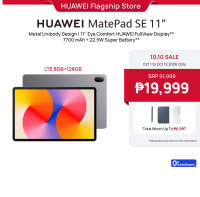
HUAWEI MatePad SE 11″ Tablet | WiFi / LTE | 4/6/8GB+128GB
₱19,699.00₱21,999.00
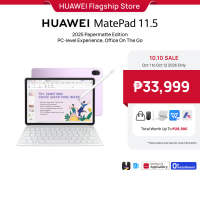
HUAWEI MatePad 11.5 2026 Dynamic Edition / 2025 Papermatte Tablet | WiFi | 8GB+128/256GB
₱32,999.00₱39,999.00
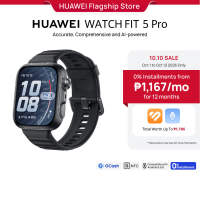
HUAWEI WATCH FIT 5 Series Smartwatch l 1.92“ FullView Display* l Diabetes Risk Study* l CE-certified ECG* & Pulse Wave Arrhythmia l Mini-workout l Racket Sports l Up to 10 days Battery Life l Gcash WatchPay l iOS & Android Compatible
₱13,990.00₱13,999.00
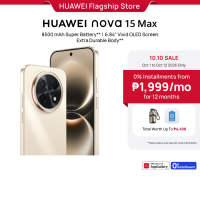
HUAWEI nova 15 Max Smartphone | 16GB*(8GB + 8GB)+256GB | 8500 mAh Super Battery l 6.84″ Vivid OLED Screen l Extra-Durable Body l 50 MP RYYB Ultra-Clear Camera l Stunning Stereo Dual Speakers
₱23,990.00₱24,999.00
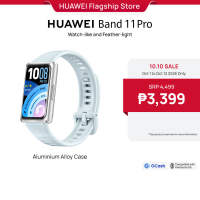
HUAWEI Band 11 Series Smartwatch l 1.62″ AMOLED Display l Professional Health Management l 100+ Workout Modes
₱3,390.00₱4,499.00
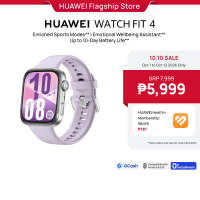
HUAWEI WATCH FIT 4 Series Smartwatch | ECG*| Health Management | Precise Positioning | Golf & Diving* | Up to 10-Day Battery Life | Compatible to iOS & Android
₱5,499.00₱7,999.00
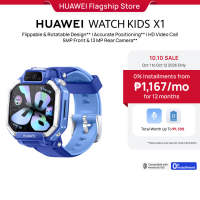
HUAWEI WATCH KIDS X1 l Watch Phone l Accurate Positioning l HD Video Calls l 5MP Front & 13 MP Rear Camera l Shake to Add Friends l Health Assistant l 32GB Storage
₱13,990.00₱15,999.00
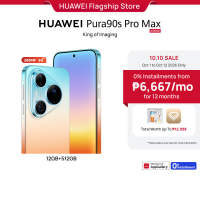
HUAWEI Pura 90s Series 5G Smartphone l 200MP Ultra Large Sensor Telephoto Camera* l 50MP Ultra Lighting HDR Camera* l 2nd Gen True-to-Colour Camera l AI-powered Imaging
₱74,999.00₱79,999.00
About Huawei
Overview
| Attribute | Information |
|---|---|
| Full Name | Huawei Technologies Co., Ltd. |
| Founded | 1987 |
| Founder | Ren Zhengfei |
| Headquarters | Shenzhen, Guangdong, China |
| Industry | Information and Communications Technology (ICT) |
| Products | Smartphones, tablets, laptops, smartwatches, telecommunications equipment, cloud services, AI solutions, networking equipment, enterprise software, digital power systems |
| Services | Cloud computing, enterprise networking, cybersecurity, AI platforms, consumer digital services |
| Operating Areas | Over 170 countries and regions |
| Employees | Approximately 213,000 (2025) |
| Ownership | Private company primarily owned through an employee shareholding program |
History
Huawei was established in 1987 by Ren Zhengfei, a former engineer, with a small initial investment in Shenzhen, one of China’s first Special Economic Zones.
Initially, Huawei acted as a reseller of imported telephone switches. The company soon shifted toward designing and manufacturing its own telecommunications equipment, investing heavily in research and development.
During the 1990s, Huawei expanded rapidly across China by supplying telecommunications infrastructure to rural and urban areas. By the early 2000s, the company had entered international markets and began competing with major global networking companies.
Huawei later diversified into:
-
Consumer electronics
-
Smartphones
-
Enterprise networking
-
Cloud computing
-
Artificial intelligence
-
Smart automotive technologies
-
Renewable energy and digital power systems
Today, Huawei serves more than three billion people through its technologies and services worldwide.
Mission
Huawei states that its mission is:
“Bring digital to every person, home and organization for a fully connected, intelligent world.”
The company focuses on:
-
Digital transformation
-
Connectivity
-
Artificial intelligence
-
Cloud computing
-
Sustainable technology
-
Innovation
Main Business Areas
Huawei operates through several major business divisions.
1. ICT Infrastructure
Huawei is among the world’s largest suppliers of:
-
5G equipment
-
Optical networks
-
Routers
-
Data centers
-
Wireless infrastructure
-
Core telecom systems
Its networking equipment is used by telecommunications operators around the world.
2. Consumer Business
Huawei manufactures a wide range of consumer electronics, including:
-
Smartphones
-
Tablets
-
Laptops
-
Smartwatches
-
Wireless earbuds
-
Smart displays
-
Smart home devices
Popular smartphone series include:
-
Mate Series
-
P Series (now Pura Series)
-
Nova Series
3. Huawei Cloud
Huawei Cloud provides services such as:
-
Cloud computing
-
AI development platforms
-
Big data analytics
-
Database services
-
Enterprise cloud infrastructure
Its cloud platform supports businesses, governments, and developers in many regions.
4. Enterprise Solutions
Huawei develops technologies for:
-
Government agencies
-
Financial institutions
-
Healthcare
-
Manufacturing
-
Transportation
-
Education
-
Energy
Products include:
-
Servers
-
Storage systems
-
Campus networking
-
AI solutions
-
Smart city platforms
5. Digital Power
Huawei also develops:
-
Solar energy technologies
-
Electric vehicle charging systems
-
Data center power solutions
-
Energy storage
-
Intelligent power management
Research and Innovation
Huawei is widely recognized for its significant investment in research and development (R&D). The company operates numerous research centers worldwide and files thousands of patents each year.
Its research areas include:
-
Artificial Intelligence
-
Wireless communications
-
Semiconductors
-
Cloud computing
-
Optical technology
-
Operating systems
-
Battery technologies
-
6G research
Huawei consistently allocates a substantial share of its revenue to R&D.
Software Ecosystem
Huawei has developed its own software ecosystem, including:
-
HarmonyOS (operating system)
-
AppGallery
-
Huawei Mobile Services (HMS)
-
Petal Search
-
Petal Maps
-
Huawei Health
-
Huawei Cloud
These services became increasingly important after U.S. trade restrictions affected Huawei’s access to some technologies and services.
Global Presence
Huawei operates in more than 170 countries and regions, supporting telecommunications networks, enterprise customers, and consumers worldwide.
Its technologies are widely used in:
-
Telecommunications
-
Banking
-
Healthcare
-
Transportation
-
Education
-
Manufacturing
-
Energy
Corporate Structure
Huawei describes itself as a private company owned primarily through an employee shareholding program. The founder, Ren Zhengfei, retains a small ownership stake, while the majority of shares are held by current and retired employees participating in the program.
Major Product Categories
Huawei’s product portfolio includes:
-
Smartphones
-
Tablets
-
Laptops
-
Desktop computers
-
Smartwatches
-
Fitness bands
-
Earbuds
-
Smart displays
-
Wi-Fi routers
-
5G infrastructure
-
Optical networking equipment
-
Enterprise servers
-
Cloud platforms
-
AI processors
-
Solar inverters
-
EV charging systems
Awards and Recognition
Huawei has received international recognition for:
-
Telecommunications innovation
-
Patent filings
-
Network technology
-
Consumer electronics
-
Camera technology in smartphones
-
Enterprise digital transformation
Challenges and Controversies
Huawei has faced significant geopolitical and regulatory challenges in recent years. Several countries have restricted or banned Huawei equipment in parts of their telecommunications infrastructure due to national security concerns. Huawei has consistently denied allegations that its equipment is used for espionage or poses security risks. The company has also been affected by U.S. export controls, which limited access to certain semiconductors and software, prompting increased investment in domestic technologies and alternative ecosystems.
Current Focus
Huawei’s current strategic priorities include:
-
Artificial Intelligence
-
Cloud computing
-
HarmonyOS ecosystem
-
Enterprise digital transformation
-
Smart vehicles
-
Digital energy
-
Next-generation wireless technologies
-
Sustainable ICT infrastructure
Summary
Huawei is one of the world’s largest technology companies, with businesses spanning telecommunications infrastructure, consumer electronics, cloud services, AI, enterprise solutions, and digital energy. Since its founding in 1987, it has expanded from a small telecommunications equipment reseller into a global technology provider operating in more than 170 countries. The company is known for its strong emphasis on research and development, extensive patent portfolio, and broad product ecosystem, while also remaining a central figure in international discussions about technology, trade, and cybersecurity.