Shop on Lazada
Icon products
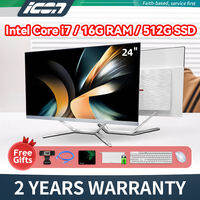
ICON all in one pc 24 inch monitor Intel Core i3/i5/i7 16G RAM 512G SSD desktop computer High configuration Office computer Ultra-thin desktop computer for the home Student computer
₱18,400.53₱31,998.00
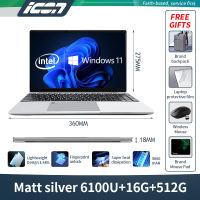
ICON Brand New Laptop Intel Win11 Intel Core 6100U 256G 512G Solid State Hard Disk 15.6-Inch HD Portable Student Office Business Game Laptop brand new original
₱21,383.02₱59,998.00
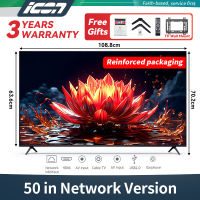
ICON Smart Tv Hd LED Extra Slim Television Google Flat Screen Portable Smart TV 50/42/32inch【22/30 IN LED TV NOT Smart TV 】
₱13,474.03₱21,998.00
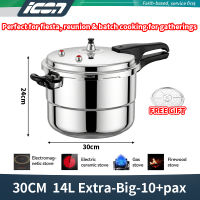
ICON Pressure Cooker 3.5L 5.5L 10L 14L Domestic Gas Aluminum Alloy Pressure Cooker Multi-Function Non-Stick Cooker Capable Of Steaming Stewing Boiling And Fast Cooking Anti Scald Handle Safety Valve
₱1,677.76₱3,424.00
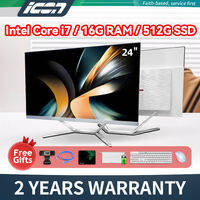
ICON All in One Desktop PC Computer Set PC Full Set Intel Core i3/i5/i7 8G/16G RAM 120G/240G SSD for Home/Office/Business Simple Fashion Energy Saving High Speed Hard Disk 20 inch Large Monitor ultrathin High configuration
₱18,739.06₱29,999.00
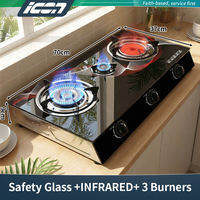
ICON triple burner gas stove heavy duty BPS Safety Glass 4.2KW Easy Clean 3 burners Cooker,Tempered glass gas stove,explosion-proof stove,gas saving stove
₱1,495.36₱3,044.00

Plantar fascia ball massage ball muscle relaxation massager foot massage roller meridian unblocking magic tool
₱196.35₱549.00
ICON all in one pc 24 inch monitor Intel Core i3/i5/i7 16G RAM 512G SSD desktop computer High configuration Office computer Ultra-thin desktop computer for the home Student computer
₱18,739.06₱30,000.00
About Icon
Icon (stylized as ICON) is a consumer electronics and home appliances brand operating in the Philippine market. The brand primarily sells affordable household appliances through online marketplaces such as Lazada and its own Philippine website. Its product lineup focuses on everyday home essentials including electric fans, kitchen appliances, and small household devices targeted at value-conscious consumers. [1]
Overview
| Attribute | Information |
|---|---|
| Brand Name | ICON |
| Industry | Consumer Electronics & Home Appliances |
| Founded | 1998 (according to the company) |
| Headquarters | Reported by the company as the United States |
| China Branch | Established in 2002 |
| Philippines Operations | Began in 2018 |
| Primary Market | Philippines |
| Sales Channels | Official website, Lazada, and other online marketplaces |
| Product Focus | Small home appliances and consumer electronics |
The above company history is based on ICON’s own published corporate information. [2]
History
According to the company’s official profile, ICON Electronic Technology Co., Ltd. was established in 1998. The company states that it is headquartered in the United States, expanded by opening a branch in China in 2002, and entered the Philippine market in 2018.
Its Philippine operations include a warehouse and distribution center in Metro Manila, allowing the company to maintain local inventory and provide faster shipping to customers throughout the country. [3]
Business Model
ICON operates as a mass-market appliance brand emphasizing:
-
Affordable pricing
-
Online-first retail
-
Local warehousing in the Philippines
-
Fast nationwide delivery
-
Broad selection of household products
Rather than specializing in premium appliances, the brand focuses on practical everyday products intended for regular household use. [4]
Product Categories
ICON’s Philippine catalog includes products in several categories, including:
Cooling Appliances
-
Stand fans
-
Desk fans
-
Wall fans
-
Industrial fans
-
Circulation fans
Kitchen Appliances
-
Rice cookers
-
Electric kettles
-
Air fryers
-
Blenders
-
Food processors
-
Electric cookers
Household Appliances
-
Vacuum cleaners
-
Garment steamers
-
Cleaning equipment
-
Small home electronics
The exact product lineup changes over time as new models are introduced. [5]
Philippine Operations
ICON reports that its Philippine branch:
-
Operates a warehouse of approximately 9,000 square meters
-
Stocks products locally for faster fulfillment
-
Supports nationwide online sales
-
Focuses on supplying the Philippine consumer market
The company highlights local inventory as one of its competitive advantages over sellers shipping directly from overseas. [6]
Brand Philosophy
According to the company’s official materials, ICON follows the principles of:
-
“Honesty first”
-
“Service first”
-
Providing quality products at competitive prices
-
Pursuing long-term growth in the electronics industry
The company also states an ambition to become a Fortune 500 enterprise, though this is presented as a corporate aspiration rather than an achieved status. [7]
Presence in the Philippines
ICON has built much of its Philippine presence through e-commerce platforms, particularly in the Home Appliances category on Lazada, where it sells small household appliances directly to consumers. The brand’s online strategy emphasizes competitive pricing, promotional discounts, and local fulfillment. [8]
Position in the Market
ICON competes primarily in the budget and mid-range home appliance segment. Its competitors include established appliance brands commonly available in the Philippines, such as Hanabishi, Kyowa, Standard, Asahi, and American Home. Rather than focusing on premium features, ICON’s products are generally marketed on affordability and everyday functionality. [9]
Notes
Because ICON is a privately held company, relatively little independently verified corporate information is publicly available. Most details regarding its founding, headquarters, expansion history, and facilities come from the company’s own official publications rather than third-party business databases. [10]