Shop on Lazada
Kate Spade products
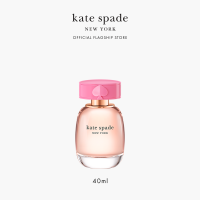
Kate Spade Eau de Parfum 40ml - EDP For Her (Female Perfume) | Fragrance for Women
₱3,250.00
Buy on Lazada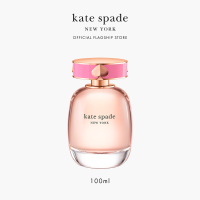
Kate Spade Eau de Parfum 100ml - EDP For Her (Female Perfume) | Fragrance for Women
₱7,250.00
Buy on Lazada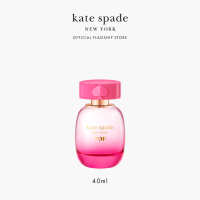
Kate Spade Pop Eau de Parfum 40ml - EDP For Her (Female Perfume) | Fragrance for Women
₱3,350.00
Buy on Lazada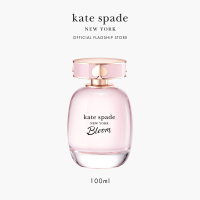
Kate Spade Bloom Eau de Toilette 100ml - EDT For Her (Female Perfume) | Fragrance for Women
₱6,200.00
Buy on Lazada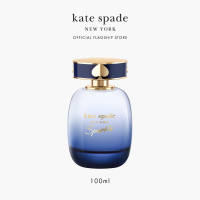
Kate Spade Sparkle Eau de Parfum Intense 100ml - EDP For Her (Female Perfume) | Fragrance for Women
₱6,600.00
Buy on Lazada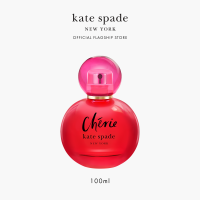
Kate Spade Cherie Eau de Parfum 100ml - EDP For Her (Female Perfume) | Fragrance for Women
₱6,200.00
Buy on Lazada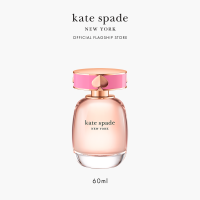
Kate Spade Eau de Parfum 60ml - EDP For Her (Female Perfume) | Fragrance for Women
₱5,200.00
Buy on Lazada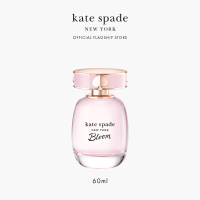
Kate Spade Bloom Eau de Toilette 60ml - EDT For Her (Female Perfume) | Fragrance for Women
₱4,700.00
Buy on LazadaAbout Kate Spade
Overview
Kate Spade New York, commonly referred to as Kate Spade, is an American fashion and lifestyle brand recognized for its colorful, feminine, playful, and sophisticated aesthetic. Founded in 1993, the company started with a small collection of handbags and has since expanded into a global lifestyle house offering handbags, clothing, shoes, jewelry, accessories, home décor, gifts, and other everyday products. It is currently part of Tapestry, Inc., alongside Coach and Stuart Weitzman 1.
Basic Information
| Category | Information |
|---|---|
| Full name | Kate Spade New York |
| Founded | 1993 |
| Founders | Kate Spade, Andy Spade, Elyce Arons, Pamela Bell |
| Industry | Fashion, accessories, lifestyle |
| Headquarters | New York City, United States |
| Parent company | Tapestry, Inc. |
| Main products | Handbags, clothing, shoes, jewelry, accessories, home décor, gifts |
| Brand character | Colorful, optimistic, feminine, playful, sophisticated |
| Current CEO & Brand President | Eva Erdmann |
| Current Executive Creative Director | Jonathan Saunders (effective August 26, 2026) |
Tapestry describes Kate Spade New York as a global lifestyle brand, reporting approximately $1.2 billion in net sales, 360 directly operated stores, and 4,000 employees on its brand portfolio page.
Founding and Early History
The story of Kate Spade began with Katherine Noel Brosnahan, later known as Kate Spade. Before founding the company, Kate worked as an accessories editor at Mademoiselle magazine in New York. She identified a gap in the market: she wanted a handbag that was simultaneously fashionable, practical, simple, and well designed, but could not find one that met her needs 2. Consequently, she decided to design her own handbags.
Kate and her husband, Andy Spade, began developing the business in the early 1990s. Their initial prototypes were created using relatively simple materials, including construction paper, as they experimented with shapes and proportions. The concept deliberately diverged from many luxury handbags of the period; instead of emphasizing traditional status symbols, Kate focused on clean shapes, useful design, bright colors, and clever details 3.
The company officially launched in 1993, initially featuring six essential handbag styles. One of the most significant early designs was the Sam bag, which became closely associated with the brand’s identity 4.
Brand Philosophy
The original concept behind Kate Spade was straightforward:
Make everyday fashion more colorful, functional, optimistic, and fun.
This philosophy became the foundation of the brand. Rather than positioning itself purely around traditional luxury, Kate Spade developed a distinctive combination of:
- New York sophistication
- American practicality
- Bright colors
- Feminine styling
- Playfulness and wit
- Clean, modern silhouettes
- Unexpected details
The company today describes its aesthetic using ideas such as color, optimism, femininity, thoughtful details, polished ease, and joy 5. This combination helped Kate Spade establish a recognizable position between traditional luxury fashion and more accessible contemporary fashion.
Rise of the Handbag Brand
Handbags served as the foundation of Kate Spade’s success. The early designs were recognizable because they did not rely heavily on complicated ornamentation. Instead, the brand emphasized simple geometric shapes, strong colors, functional construction, and its distinctive label.
The company’s approach was particularly influential during the 1990s as handbags became increasingly important fashion accessories. Kate Spade helped popularize the idea that a handbag could be both practical and expressive. As popularity grew, the brand opened its first store in SoHo, New York, in 1996 6. From there, Kate Spade expanded from a handbag label into a broader lifestyle brand.
Expansion Beyond Handbags
Although handbags remain one of Kate Spade’s most recognizable categories, the company eventually expanded into many areas of fashion and lifestyle. Today, its product categories include:
Fashion
- Handbags
- Ready-to-wear clothing
- Shoes
- Jewelry
- Accessories
Lifestyle
- Home décor
- Gifts
- Tech accessories
- Stationery and related products
The brand’s own description emphasizes that it has evolved from its original six handbags into a global lifestyle brand 7. This expansion allowed customers to experience the Kate Spade aesthetic across multiple parts of everyday life rather than simply through handbags.
Visual Identity
One of the key reasons Kate Spade became recognizable is its strong visual identity.
The Spade Symbol ♠
The spade is the brand’s most recognizable symbol. It connects directly to the name “Kate Spade” while also functioning as a simple graphic element. Depending on the product, the spade can appear prominently or as a subtle detail. The brand describes its approach as integrating its signature mark into designs, sometimes obviously and sometimes as a small hidden detail.
Typography and Labels
The “kate spade new york” wordmark is another important part of the brand identity. Early handbags famously used the label prominently, helping establish immediate recognition.
Colors
Color is perhaps the most distinctive part of Kate Spade’s visual language. The brand frequently uses:
- Pink
- Red
- Green
- Yellow
- Blue
- Black and white
- Pastel colors
- Bold color combinations
Instead of treating color merely as decoration, Kate Spade uses it as an important part of its personality.
Signature Design Language
Kate Spade’s design language can generally be described as modern, feminine, colorful, polished, and playful. Several recurring design elements have become associated with the brand:
Stripes
Stripes are frequently used to create graphic, energetic patterns.
Polka Dots
Dots have been an enduring Kate Spade motif and contribute to the brand’s playful character.
Florals
Floral patterns are frequently interpreted in bright, contemporary ways.
Bows
Bows and other feminine details appear throughout the brand’s accessories and fashion collections.
Spades
The spade symbol is integrated into handbags, jewelry, clothing, footwear, packaging, and accessories.
Kate Spade itself identifies labels, stripes, and dots among its signature visual elements 8.
Position in Fashion
Kate Spade occupies a distinct position within the fashion industry. It is generally associated with premium/contemporary fashion rather than the ultra-luxury segment represented by houses such as Chanel, Hermès, or Louis Vuitton.
Its historical appeal came partly from offering consumers products that felt:
fashionable + recognizable + aspirational + relatively accessible
This made Kate Spade particularly attractive to consumers looking for a designer aesthetic without necessarily entering the highest-priced luxury market. The brand also developed a strong association with professional women and younger consumers who wanted accessories that could transition between work, social occasions, and everyday life.
Founders and Leadership
Kate Spade was not a solo business venture. Kate Spade and Andy Spade played complementary roles in building the company. Kate brought her experience and perspective in fashion and accessories, while Andy contributed business, branding, and creative expertise. Their partnership became an important part of the company’s origin story. The company’s founders also included Elyce Arons and Pamela Bell.
Corporate Ownership
Kate Spade went through several stages of corporate ownership as it expanded. In 2017, Coach, Inc. agreed to acquire Kate Spade for approximately $2.4 billion. Coach subsequently changed its corporate name to Tapestry, Inc. in October 2017 9.
Today, Kate Spade New York operates as one of Tapestry’s major brands. Tapestry’s portfolio includes:
- Coach
- Kate Spade New York
- Stuart Weitzman
The brands operate with their own identities while belonging to the same parent company.
Lifestyle Brand Evolution
A major transformation in the company’s history was the shift from handbag company → lifestyle brand. Originally, the core question was essentially:
“What should a great handbag look like?”
Today, the broader question is:
“What does the Kate Spade world look like?”
That means the brand can appear in:
- A handbag
- A dress
- A pair of shoes
- Earrings
- A phone accessory
- Home décor
- Gifts
- Stationery
- Seasonal collections
This creates a consistent lifestyle ecosystem around the brand. Tapestry describes the company today as designing “extraordinary things for the everyday”.
The “Joy” Philosophy
One of Kate Spade’s strongest modern brand concepts is joy. The brand’s philosophy is centered on the belief that fashion should not only communicate status or sophistication—it should also create an emotional response. Its current messaging emphasizes ideas such as:
Joy • Optimism • Color • Femininity • Celebration
This represents an evolution from the original handbag concept while retaining the company’s historical personality 10. In other words, Kate Spade’s identity is not simply “expensive fashion.” It is closer to fashion that makes everyday life feel happier and more expressive.
Kate Spade and Women
Women’s fashion has always been central to the brand. Kate Spade’s original business was created in response to a woman’s practical need for a stylish handbag, and the brand subsequently developed a strong relationship with female consumers. The company has also undertaken initiatives related to women’s economic empowerment and well-being. Its social-impact materials have described programs supporting women entrepreneurs, education, economic opportunity, and mental well-being.
This makes the brand’s identity broader than simply selling accessories: it has also attempted to build a cultural identity around women, confidence, creativity, and independence.
Social and Cultural Impact
Kate Spade became particularly influential because it helped change perceptions of what a contemporary designer handbag could be. Its designs demonstrated that a fashion accessory could be:
- Simple rather than heavily decorated
- Colorful rather than conservative
- Feminine without being overly formal
- Practical while remaining fashionable
- Playful while still sophisticated
The distinctive aesthetic became especially recognizable during the 1990s and 2000s. The brand’s success also contributed to the broader growth of the contemporary handbag market, where recognizable designer brands could occupy the space between mass-market fashion and traditional luxury.
Kate Spade the Person
It is important to distinguish Kate Spade the designer from Kate Spade New York the company. Kate Spade, born Katherine Noel Brosnahan, was an American fashion designer and entrepreneur. She co-founded the brand in 1993 and became closely identified with its aesthetic. She died in 2018 at the age of 55. Her name, however, continues to be used by the fashion company she helped establish. The modern Kate Spade New York brand has evolved considerably beyond its founder’s original handbag collection, but it continues to draw on the design principles associated with her work.
Current Creative Direction
As of 2026, Kate Spade is entering another creative chapter. Tapestry announced in July 2026 that Jonathan Saunders would become Kate Spade New York’s Executive Creative Director, effective August 26, 2026. He will oversee product design and the brand’s visual identity and report to Brand President and CEO Eva Erdmann 11.
Saunders has previously worked with major fashion and luxury companies including Alexander McQueen, Diane von Furstenberg, Calvin Klein, Tiffany & Co., Pucci, and & Other Stories 12. His appointment is intended to connect Kate Spade’s established brand codes with a new generation of consumers.
Current Business
According to Tapestry’s current brand information, Kate Spade New York has approximately:
- $1.2 billion in net sales
- 360 directly operated stores
- 4,000 employees
These figures illustrate how far the company has expanded from its original six-handbag collection in 1993 13. Recent reporting also indicates that the brand is undergoing a turnaround effort after weaker sales, with Tapestry specifically identifying Kate Spade as an area requiring renewed momentum 14.
What Makes Kate Spade Different?
If reduced to its essential characteristics, Kate Spade can be understood through five major ideas:
| Element | Kate Spade identity |
|---|---|
| Color | Bright, sophisticated, expressive |
| Design | Clean, modern, feminine |
| Personality | Playful, optimistic, witty |
| Products | Everyday lifestyle and fashion |
| Emotion | Joy and celebration |
Its major competitive advantage is therefore not simply the physical design of a handbag. It is the world surrounding the product. A Kate Spade bag communicates a particular personality: polished but not overly serious, feminine but contemporary, recognizable but playful.
Brand Evolution Timeline
1993 — Kate Spade launches with six handbag designs.
↓
1990s — The handbag business rapidly gains recognition.
↓
1996 — First Kate Spade store opens in SoHo, New York.
↓
2000s — The company expands into clothing, accessories, fragrance, home, and other lifestyle categories.
↓
2017 — Kate Spade is acquired by Coach, Inc. for approximately $2.4 billion.
↓
2017 — Coach, Inc. becomes Tapestry, Inc.
↓
2020s — Kate Spade continues as a global lifestyle brand centered on color, optimism, femininity, and joy.
↓
2026 — Jonathan Saunders is appointed Executive Creative Director, beginning a new creative era.
Summary
Kate Spade New York is an American fashion and lifestyle brand founded in 1993 by Kate Spade, Andy Spade, Elyce Arons, and Pamela Bell. Beginning with six handbags designed to combine practicality with modern style, the company grew into an internationally recognized lifestyle house known for colorful designs, feminine silhouettes, playful details, and its distinctive spade logo. Over time, it expanded into clothing, footwear, jewelry, accessories, home décor, gifts, and other categories. Acquired by Coach in 2017 and now part of Tapestry, Inc., Kate Spade continues to position itself around optimism, color, thoughtful design, and the idea that fashion should bring joy to everyday life.
References
- Our Brands: Coach & Kate Spade New York
- kate spade new york® Singapore Official Site I Handbags, Clothing & Accessories Who We Are kate spade new york®…
- Kate Spade
- kate spade new york® Malaysia Official Site I Handbags, Clothing & Accessories About Us kate spade new york® Malaysia…
- Who We Are | Kate Spade Australia
- Kate Spade Announces New Structure for Creative Organization
- Kate Spade New York
- Kate Spade New York Names Jonathan Saunders Executive Creative Director – Tapestry, Inc.
- Tapestry forecasts muted annual sales as Kate Spade struggles; shares tumble
- Iconic Brands, Expansive Possibilities
- Kate Spade New York – People and Organizations – Barack Obama Presidential Library Artifact Collection
- 企業情報について
- Who We Are | Kate Spade
- Who We Are | Kate Spade UK