Shop on Lazada
Keep products
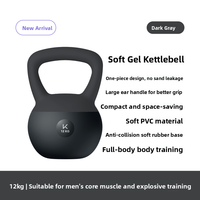
Keep | Fitness Soft Kettlebell for Home Exercise Squatting and Hip Shaping
₱3,753.40₱5,598.03
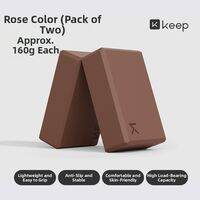
Keep | High-Density Auxiliary Exercise Support Yoga Block
₱554.18₱948.44
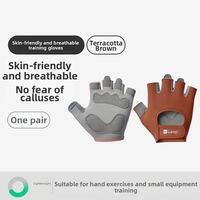
Keep | Anti-Slip and Wear-Resistant Fitness Gloves
₱573.34₱880.47
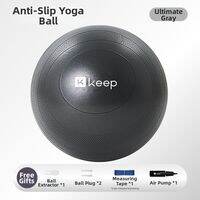
Keep | Non-slip Pressure-resistant Fitness Ball
₱1,480.41₱2,474.19
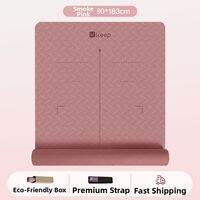
Keep | Thick Wide Silent Anti-slip Shock Absorption Exercise Mat for Yoga and Dance
₱1,986.23₱3,380.06
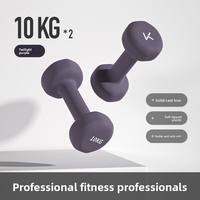
Keep | Home Use Dumbbells For Men Women Beginner Arm Muscle Strength Training
₱6,348.93₱9,215.63
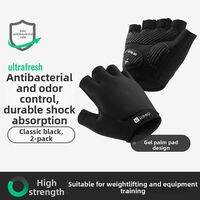
Keep | Lightweight Gym Gloves for Anti-Callus and Finger Protection
₱713.13₱1,162.10
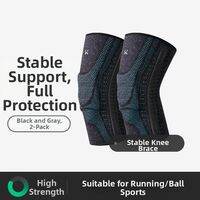
Keep | Supportive Knee Protector
₱1,686.13₱2,636.11
About Keep
Keep Company, commonly branded as KEEP, is an independent American footwear and apparel company established in Los Angeles in 2006. Originally focused on clean, understated vegan footwear, the label has evolved into a broader lifestyle brand encompassing shoes, clothing, objects, and limited-edition collaborations. Its identity is rooted in vegan and cruelty-free products, craftsmanship, ethical production, sustainability, and the independent creative culture of Los Angeles.1
The company currently describes itself as “Independent Since 2006,” “Made in LA,” and “Vegan.” Its contemporary assortment includes work shoes, casual footwear, hand-dyed T-shirts and sweatshirts, custom merchandise, and other small-batch goods.2
Basic information
| Category | Information |
|---|---|
| Brand name | Keep Company / KEEP |
| Founded | 2006 |
| Origin | Los Angeles, California, United States |
| Industry | Footwear, apparel and lifestyle goods |
| Original focus | Vegan footwear |
| Current focus | Footwear, apparel, hand-dyed goods, work shoes and custom merchandise |
| Positioning | Independent, vegan, design-oriented lifestyle brand |
| Business model | Primarily direct-to-consumer |
| Official website | keepcompany.com |
Keep Company is privately held and is identified in industry databases as a small Los Angeles-based apparel and footwear business.3
History
Founding
Keep was launched in the summer of 2006 in Los Angeles. According to the company, the founders sought to create classic, clean shoes without the bulk and unnecessary complexity often associated with other footwear brands.4
Contemporary coverage from 2006 identifies Margot Jacobs and Una Kim as the founders. Early Keep was closely connected to the independent design, music, art, and retail culture of Los Angeles. Initial product releases included silhouettes such as the Benten, Duke, and Ramos.5
The brand emerged at the intersection of independent fashion, sneaker culture, veganism, contemporary craft, and Los Angeles creative culture. Rather than competing directly with major athletic shoe corporations, Keep cultivated a boutique, lifestyle-oriented identity.
Design philosophy
Keep’s philosophy extends beyond the concept of “vegan shoes.” The company describes itself as simultaneously a shoe company, apparel maker, creator of objects, curator, and lifestyle concept, with a stated goal of keeping things personal, detailed, simple, and pure.6
This approach historically translated into footwear characterized by:
- Relatively simple silhouettes
- Minimal branding
- Casual and unisex styling
- Unusual textiles
- Distinctive colors and patterns
- Understated aesthetics rather than aggressive technical performance
The brand aimed to present ethical footwear as desirable fashion, rather than treating veganism as the sole visual identifier of the product.
Veganism and production standards
Veganism is a defining characteristic of Keep. The company states that its products are vegan and cruelty-free, avoiding animal-derived materials. It has also described its footwear factories as being audited by international third-party organizations for working conditions.6
The brand’s philosophy integrates animal welfare, environmental consciousness, and ethical manufacturing. Keep has emphasized the use of natural, organic, and sustainably grown materials where possible.7 However, the company acknowledges that “vegan” does not automatically equate to zero environmental impact, as synthetic footwear can involve petroleum-derived materials. Keep’s approach is best understood as an effort to combine animal-free materials with responsible sourcing and design.
Craftsmanship and materials
Keep has historically distinguished itself through the use of textiles and craft techniques uncommon in mainstream sneaker production. The company has highlighted the use of:
- Handwoven ikat
- Traditional Japanese indigo
- Hand-pieced quilt patchwork
- Herringbone textiles
- Materials sourced from artisans in Guatemala, Japan, and North America8
This material selection informs the brand’s aesthetic, which frequently combines simple Western shoe silhouettes with globally influenced textile traditions, resulting in a handmade or independent-fashion character.
Product design
Keep’s footwear portfolio has included several recognizable silhouettes throughout its history.
Benten
The Benten was one of the brand’s early signature designs, described in contemporary coverage as a fashion-oriented interpretation of the classic boat shoe featuring a molded rubber sole and canvas construction.9 It became central to Keep’s early sneaker and streetwear identity and later appeared in collaborations.
Homer
The Homer remains a recognizable Keep silhouette. The company continues to offer this model in its modern product range, including black versions.29
Guerra
The Guerra represented another key element of Keep’s footwear vocabulary, including high-top styling. A notable iteration was the Tegan and Sara collaboration, which utilized the Guerra silhouette.10
Shaheen
The Shaheen is significant to Keep’s contemporary evolution. The current version is a work-oriented shoe designed for demanding environments such as professional kitchens. It features synthetic nubuck, water- and oil-resistant construction, arch and heel support, and a non-slip sole.27
The modern product line reflects a dual focus on both fashion/lifestyle footwear and practical work footwear.
Work footwear
A significant development in Keep’s current business is its emphasis on work footwear. The company markets work shoes specifically to chefs and professional crews, designed around practical requirements including slip resistance, water and oil resistance, support, comfort, and durability. Keep states that its work shoes have been tested by real chefs and crews.8
The Gourmand collaboration exemplifies this direction. Keep worked with chef Alvin Cailan on a kitchen shoe combining the brand’s minimalist aesthetic with professional requirements, utilizing synthetic nubuck, water and oil resistance, additional arch and heel support, and a non-slip outsole.30
Apparel
Although Keep began primarily as a footwear company, apparel has become integral to its identity. The current collection includes T-shirts, sweatshirts, and garments featuring hand-dyeing, ice-dyeing, crystal-dyeing, and Arashi-dyeing techniques, as well as custom printed merchandise.11
Some products are dyed to order in Keep’s Los Angeles studio, generally in small batches.12 This practice reinforces the brand’s original independent and craft orientation, emphasizing small-scale production and individual variation over standardized mass-market clothing.
Collaborations
Collaborations have played a meaningful role in Keep’s cultural identity, extending beyond traditional fashion partnerships to include figures and organizations from music, food, art, and independent retail.
Tegan and Sara
In 2014, Canadian musicians Tegan and Sara collaborated with Keep on two limited-edition shoes: a Tegan Keep Plimsoll Homer and a Sara Keep Hi Top Guerra. The project used customized materials and graphics and supported the New York Civil Liberties Union’s Teen Activist Project.4
Patta
Keep collaborated with Amsterdam sneaker and streetwear retailer Patta on a special edition Benten. The release combined Keep’s boat-shoe-inspired silhouette with Patta’s distinctive color and branding approach and was distributed through select international sneaker retailers.9
Music culture
According to co-founder Una Kim, Keep’s broader collaboration history has included musicians and culturally influential names such as Animal Collective, Bon Iver, and Dinosaur Jr.13 This aligns with the brand’s historical positioning as an independent culture brand rather than a conventional footwear corporation.
Brand philosophy
Keep’s philosophy is summarized by three core concepts:
Consciousness
The company uses the phrase “CONSCIOUSNESS. COMMUNITY. CRAFT.” to describe its approach.14 This encompasses veganism, ethical production, material selection, environmental awareness, and conscious consumption.
Community
Keep has historically positioned itself within creative communities, viewing customers as participants rather than mere consumers. Collaborations with musicians, artists, chefs, and independent retailers reinforce this community-oriented perspective.
Craft
Craft is the most visually evident element of the brand. The use of unusual textiles, hand-dyeing, artisanal techniques, limited runs, and custom graphics differentiates Keep from mass-produced footwear.
Meaning of the name
The name “Keep” is integral to the company’s philosophy. The brand explains that KEEP is intended as an incantation, reminder, invocation, and call to battle, connecting the word to the things people choose to retain and the persistence required to continue creating.15
There is also an emotional dimension to the name. Keep posits that what ultimately lasts are not the physical items themselves, but the memories and experiences associated with wearing them, including travel, adventures, and personal milestones.15 The name essentially represents a philosophy of retaining things that acquire personal meaning.
Visual identity
Keep’s aesthetic can be described as minimalist, playful, handmade, alternative, and utilitarian. It generally avoids the aggressive performance aesthetic associated with major sneaker brands, instead emphasizing clean shapes, restrained logos, interesting fabrics, unexpected colors, graphic details, vintage references, and handmade-looking finishes.
This visual language makes the brand recognizable to those interested in independent fashion, vegan fashion, and alternative sneaker culture.
Comparison with mainstream brands
Keep occupies a distinct position relative to major sneaker corporations.
| Keep | Mainstream sneaker giants |
|---|---|
| Independent | Large corporations |
| Vegan-focused | Material philosophy varies |
| Craft-oriented | Industrial-scale production |
| Small-batch elements | Mass production |
| Lifestyle/design focus | Sports and lifestyle |
| Strong ethical identity | Varies by brand/product |
| Alternative fashion culture | Mainstream culture |
| Minimal branding | Often strong logo identity |
Keep’s appeal lies less in technological performance and more in identity, materials, ethics, and design.
Cultural significance
Keep emerged during a period when vegan fashion was still relatively niche. In the mid-2000s, consumers seeking vegan shoes had fewer fashionable options than are available today. Keep helped demonstrate that vegan footwear could be presented as a design product rather than merely an ethical substitute.
Its collaborations connected vegan footwear to indie music, sneaker culture, contemporary art, independent retail, streetwear, and creative communities. A 2013 interview with Una Kim highlighted Keep’s combination of vegan and cruelty-free production, distinctive textiles, and collaborations with musicians and retailers.16
Current operations
Keep’s current business differs from its early-2000s sneaker identity. The website presents the company as “Independent since 2006 · Made in LA · Vegan,” emphasizing work shoes, hand-dyed apparel, and custom merchandise.17
The product lineup includes models such as the Shaheen and Homer, alongside dyed T-shirts and sweatshirts.18 The brand also operates a custom merchandising and screen-printing business, offering tour merchandise, tie-dyes, and custom printed products for bands, companies, and groups.19
Contemporary Keep functions as a small independent lifestyle and manufacturing brand with roots in vegan footwear.
Business model
Keep has evolved from a boutique retail operation into a direct-to-consumer and small-batch business. Its website sells directly to consumers and combines multiple revenue streams:
- Footwear
- Work shoes
- Apparel
- Hand-dyed products
- Custom merchandise
- Uniform and work-shoe programs
- Collaborative products
The company describes its dyed garments as being produced in small batches in Los Angeles, while its work-shoe program offers customization for organizations.20
Strengths
- Strong point of view: Keep maintains a clear vegan, independent, and craft-oriented identity.
- Early mover in vegan fashion: Established in 2006, the brand entered the market when stylish vegan footwear was less mainstream.21
- Distinctive design language: The combination of simple silhouettes and unusual textiles creates a recognizable aesthetic.
- Authentic independent positioning: Los Angeles roots, small-batch production, and creative collaborations reinforce its independent character.
- Ability to evolve: The expansion into professional work shoes demonstrates the application of its design philosophy to functional footwear.
Limitations and challenges
Keep’s independent scale presents certain limitations compared to major brands like Nike, adidas, Vans, or Converse, including lower visibility, smaller distribution networks, fewer physical retail locations, less marketing power, a smaller product ecosystem, and less technological R&D.
There is also a potential tension between vegan materials and sustainability, as synthetic materials may address animal welfare concerns without eliminating environmental impacts. Additionally, the brand’s current positioning is broader than its original identity; new audiences may encounter work shoes and custom merchandise, whereas the historical reputation is tied to distinctive vegan sneakers.
Timeline
- 2005: Trademark records indicate first use of the KEEP mark in commerce around this period.22
- 2006: Keep Company launches in Los Angeles with early products including the Benten, Duke, and Ramos.23
- Late 2000s: Keep develops a reputation in independent sneaker and fashion circles and begins collaborations with international retailers such as Patta.23
- Early 2010s: The brand becomes increasingly associated with vegan footwear, unusual textiles, ethical production, and musician collaborations.24
- 2014: Keep collaborates with Tegan and Sara on two limited-edition shoes supporting a youth civil-liberties initiative.25
- 2020s: Keep expands its focus beyond traditional lifestyle sneakers into work footwear, hand-dyed apparel, and custom merchandise.26
- 2026: The brand continues operating as an independent, vegan, Los Angeles-based company, with footwear and apparel available through its official online store.27
Assessment
Keep Company is a niche but historically significant American footwear and lifestyle brand. Its importance lies not in scale, but in its integration of vegan materials, fashion design, independent culture, craftsmanship, and ethical production during a period when these elements were unusual in mainstream footwear.
The brand has evolved rather than disappearing with the initial wave of vegan fashion enthusiasm. Its contemporary emphasis on professional work shoes, hand-dyed clothing, and custom production gives it a more utilitarian and craft-oriented direction than its original sneaker-focused identity.28 Vintage Keep sneakers from the 2006–2015 period represent artifacts of the early vegan and independent sneaker movement, predating the expansion of vegan footwear into a larger fashion category.
References
- About Us – Keep Company
- Keep Company | LinkedIn
- Vegan Work Shoes & Hand-Dyed Apparel | Keep Company
- Keep Shoe Collaboration! – Tegan and Sara
- Keep Company – COOL HUNTING®
- Hello! – Keep Company
- THE SHAHEEN Gourmand | Vegan Shoes | Work Shoe – Keep Company
- Keep x Gourmand – Keep Company
- Patta x Keep Benten – SneakerNews.com
- KEEP – Keep Company, LLC Trademark Registration
- Canadian Trademarks Details: KEEP LOGO — 1314283 — Canadian Trademarks Database – Intellectual property and copyright – Canadian Intellectual Property Office – Innovation, Science and Economic Development Canada
- About Us – KEEP Boutique
- Shop By Brand – KEEP Boutique
- Keep – Crunchbase Company Profile & Funding
- KEEP FRED | LinkedIn
- Keep Company | LinkedIn
- Keep Company | LinkedIn
- KEEPOUT Official Web Site
- Our Story – &Keep
- KEEPSTYLE — contemporary clothing brand — Chic design — Free delivery
- About us
- KEEPS | About Us
- Our Story – The Keep
- Keep Company: Revenue, Products & eCommerce Insights | Brand Profile
- Kept | Full-Service Branded Merchandise Company
- Keep x Superfruit – Keep Company
- THE SHAHEEN Gourmand | Vegan Shoes | Work Shoe – Keep Company
- THE SHAHEEN Oxblood | Vegan Shoes – Keep Company
- THE HOMER Black | Vegan Shoes | Work Shoe – Keep Company
- Shaheen Vegan Work Shoe – Gourmand | Keep Company