Shop on Lazada
Kinoki products
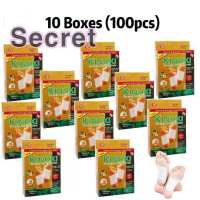
(10box Or 100pcs) Kinoki Detox Foot Pads GOLD Ginger plus Salt 10 pads each pack Authentic (Gold BOX)
₱148.00₱555.00
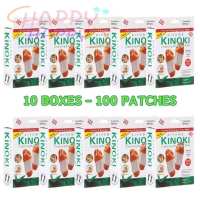
(10box Or 100pcs) Original Kinoki Cleansing Detox Foot Pads Organic Herbal CIeansing Patches(white Box)
₱138.00₱555.00
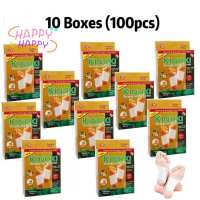
(10boxs Or 100pcs)gold Original Kinoki Cleansing Detox Foot Pads Organic Herbal CIeansing Patches (gold Box)
₱148.00₱333.00
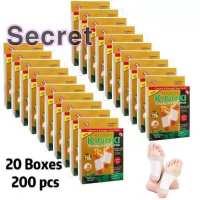
(20box Or 200pcs) Kinoki Detox Foot Pads GOLD Ginger plus Salt 10 pads each pack Authentic (Gold BOX)
₱278.00₱666.00
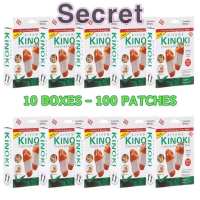
(10boxs Or 100pcs)White Original Kinoki Cleansing Detox Foot Pads Organic Herbal CIeansing Patches
₱138.00₱555.00
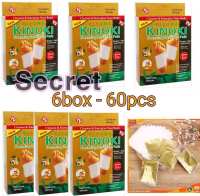
(6box Or 60pcs) Kinoki Detox Foot Pads GOLD Ginger plus Salt 10 pads each pack Authentic (Gold BOX)
₱99.00₱222.00
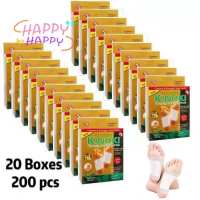
(20boxs Or 200pcs)gold Original Kinoki Cleansing Detox Foot Pads Organic Herbal CIeansing Patches (gold Box)
₱278.00₱666.00
![[MEGA SALE] New Arrival Kinoki Footpad Japanese Bamboo Foot Patch Cleansing Original Package.](https://ph-live.slatic.net/p/2667279b6cf4aaa4acee0e8590049c79.jpg_200x200q80.jpg)
[MEGA SALE] New Arrival Kinoki Footpad Japanese Bamboo Foot Patch Cleansing Original Package.
₱75.00₱299.00
About Kinoki
Kinoki is a brand best known for detoxification foot pads, adhesive patches designed to be worn on the soles of the feet, typically overnight. Marketing for these products has historically claimed they can draw toxins and other unwanted substances out of the body through the skin. The brand gained significant prominence in the late 2000s through television infomercials and the direct-response “As Seen on TV” market.
Despite its commercial visibility, Kinoki has a controversial history. Its original marketing made extensive health and detoxification claims that were challenged by the U.S. Federal Trade Commission (FTC). In 2010, a federal court entered a settlement order against the marketers, prohibiting them from marketing or selling a wide range of health-related products.1
Overview
| Field | Information |
|---|---|
| Brand | Kinoki |
| Best known for | Detox foot pads / cleansing foot pads |
| Product category | Foot-care, wellness, alternative-health products |
| Main product concept | Adhesive pads worn on the feet, generally overnight |
| Market positioning | Detoxification, cleansing and wellness |
| Notable period of popularity | Late 2000s–early 2010s |
| Famous marketing channel | Television infomercials and direct response |
| Notable legal controversy | U.S. FTC action over allegedly deceptive/unsubstantiated health claims |
| Current status | Kinoki-branded products continue to appear in some markets, but trademark ownership and product offerings have changed over time |
History
Origins and early trademarks
The name KINOKI has appeared in several U.S. trademark applications involving foot pads and related products. An earlier application filed in 2007 described foot pads as transdermal patches intended to absorb bodily secretions for cosmetic purposes; this registration was subsequently abandoned after an inter partes proceeding.
Another KINOKI registration, filed in 2010, concerned medical adhesive products such as wound dressings and adhesive pads. That registration was eventually cancelled in 2017.2 A later U.S. registration associated the KINOKI name with aromatic body-care products and cleansing foot pads for cosmetic purposes. This registration was issued in November 2017 to Pearl Enterprises, LLC.34
These records indicate that “Kinoki” has not always represented one single, continuously documented corporate entity. The trademark history involves different applicants and product classifications over time.
The Kinoki Detox Foot Pad
The product most closely associated with the brand is the Kinoki Detox Foot Pad. The basic usage concept involves removing the backing from an adhesive pad, placing it on the sole of the foot, and wearing it while sleeping. Upon removal, the pad typically appears dark or discolored. Marketing materials have historically presented this discoloration as evidence that unwanted substances had been extracted from the body.
The FTC’s 2009 complaint documented Kinoki advertising claiming the pads could remove substances including heavy metals, metabolic wastes, toxins, parasites and chemicals. Advertisements also associated the product with weight loss and the treatment of various medical conditions.5
Some versions of the product have been marketed with ingredients such as bamboo vinegar, herbal extracts, minerals such as tourmaline, ginger and salt. Contemporary listings in Southeast Asian markets, for example, include Kinoki products marketed as “Gold,” “Ginger + Salt,” and standard cleansing/detox foot pads.61112
Marketing concept
Kinoki’s marketing strategy centered on the concept of an “overnight detox.” Rather than requiring medication, dietary changes, or complex treatments, consumers were promised a convenient solution: attach a pad before bed, sleep, and remove it in the morning. The visual transformation of the pad was a critical component of this strategy. A light-colored pad becoming dark after exposure to moisture was presented in advertisements as proof of toxin extraction.78
This visual element made Kinoki particularly suited to infomercial marketing, as the supposed “before and after” effect could be demonstrated clearly on screen.
The “Japanese” connection
Kinoki advertising historically presented the product as being based on an “ancient Japanese” or Japanese-reflexology concept. The FTC complaint specifically documented advertisements describing Kinoki as being based on “ancient Japanese reflexology.”5
It is important to distinguish this marketing narrative from verified historical origin. Available trademark and regulatory records do not establish Kinoki as an ancient Japanese medical tradition or demonstrate that the modern Kinoki product originated as a traditional Japanese therapy. While “Japanese” heritage was a key part of the product’s story, it does not constitute proof of traditional medical provenance.
FTC controversy
Kinoki’s most significant historical event was its confrontation with the U.S. Federal Trade Commission. In January 2009, the FTC sued Xacta 3000, Inc. and associated individuals over the marketing of Kinoki Foot Pads, alleging that advertisements made deceptive claims about the pads’ ability to remove toxins and treat numerous medical conditions.5
According to the FTC, Kinoki advertising claimed that the pads could:
- remove toxins and metabolic wastes;
- remove heavy metals;
- remove parasites and chemicals;
- remove cellulite;
- treat depression and fatigue;
- treat diabetes and arthritis;
- treat high blood pressure;
- strengthen a weakened immune system; and
- contribute to weight loss.
The FTC stated that these claims were false or unsupported by evidence at the time they were made.5
2010 settlement
In November 2010, the FTC announced that a federal judge had imposed a ban on the marketers of Kinoki “Detox” Foot Pads. The defendants, Yehuda (Juda) Levin and Xacta 3000, Inc., agreed to a judgment of $14.5 million, representing total revenues from Kinoki Foot Pad sales. This judgment was suspended due to the defendants’ inability to pay, subject to conditions regarding their financial representations.118
The court order prohibited the defendants from promoting or selling a broad range of dietary supplements, foods, drugs, or medical devices.1 The FTC noted that the stipulated final order was entered for settlement purposes and did not constitute an admission of a law violation by the defendants.1
Scientific validity of detox claims
When evaluating Kinoki, it is necessary to distinguish between marketing claims and scientific consensus. There is no established scientific basis for the claim that adhesive foot pads can extract systemic toxins, heavy metals, or metabolic waste from the body through the soles of the feet.
The darkening of a pad is not, in itself, evidence of toxin removal. Explanations for the color change typically involve reactions between moisture, sweat, and the pad’s ingredients. Modern medical science emphasizes that the human body already possesses sophisticated systems for processing and eliminating waste, primarily through the liver and kidneys.1319
Consequently, Kinoki is generally categorized as a wellness or alternative-health product rather than a scientifically established detoxification treatment.
Presence in Southeast Asia
Kinoki has maintained a recognizable presence in Southeast Asian marketplaces, including Indonesia and the broader region. E-commerce platforms currently list multiple Kinoki-branded foot-pad products, including Gold, White, Ginger, and Ginger + Salt variants. Some listings describe them using local terms such as koyo kaki alongside English descriptors like “detox foot pads.”6101112
Regulatory bodies in the region have also encountered Kinoki products. For instance, Indonesian FDA/BPOM annual reports have listed Kiyome Kinoki Cleansing Detox Foot Pads and Kiyome Kinoki Cleansing Detox Foot Pads Ginger+Salt in enforcement contexts, classifying them under health supplements and marking them as TIE (Tanpa Izin Edar, meaning without marketing authorization).10
For consumers in the Philippines and neighboring countries, this highlights that availability on regional e-commerce sites does not necessarily confirm local regulatory authorization. Buyers should verify the registration status of specific products with the Philippine Food and Drug Administration (FDA) or relevant local authorities before purchase.
Trademark situation
The intellectual property history of the name “Kinoki” is complex and involves multiple entities:
- A 2007 U.S. KINOKI application concerning foot pads was abandoned.
- A 2010 KINOKI registration concerning medical adhesive products was later cancelled.2
- Pearl Enterprises, LLC obtained a KINOKI registration in 2017 covering cosmetic cleansing foot pads.34
- A newer U.S. application filed in November 2024 by Boolevard Cosmetics Ltd seeks KINOKI protection for adhesive plasters, herbal bandages, and transdermal patches marketed for body cleansing and detoxification.91415
Given this record, it would be inaccurate to state that one company has owned Kinoki continuously since its creation. The public trademark record reflects multiple applicants and shifting ownership over the years.
Product variants
Depending on the market and time period, Kinoki-related products have appeared under various names, including:
- Kinoki Detox Foot Pads
- Kinoki Cleansing Detox Foot Pads
- Kinoki Gold
- Kinoki White
- Kinoki Ginger
- Kinoki Ginger + Salt
- Kiyome Kinoki Cleansing Detox Foot Pads
Formulations and manufacturers vary significantly. Therefore, the name Kinoki alone should not be treated as proof that two products sold in different countries are manufactured by the same company or contain identical ingredients.
Brand identity
From a branding perspective, Kinoki exemplifies direct-response wellness marketing. Its identity combines several consumer appeals: natural ingredients, Japanese-inspired aesthetics, overnight convenience, visible results, and detoxification. The visual product experience is central to this identity; users can physically observe the pad changing color, creating a perception of efficacy even though the color change does not scientifically validate toxin removal.
Legacy
Kinoki is notable today for two distinct reasons. First, it remains one of the most recognizable products of the late-2000s detox-product and infomercial boom. Second, it serves as a prominent case study in discussions regarding unsupported health claims and consumer protection. The FTC’s action against its marketers made Kinoki a frequently cited example of the challenges regulators face when wellness products make medical or physiological claims without adequate evidence.1617
Summary
Kinoki is a wellness brand primarily associated with adhesive “detox” foot pads. The brand’s original appeal stemmed from the promise that consumers could remove toxins simply by wearing a pad overnight, supported by marketing emphasizing natural ingredients, Japanese concepts, and visible discoloration. However, these detoxification claims are not scientifically established, and the brand’s original U.S. marketing was the subject of a major FTC enforcement action resulting in a 2010 federal ban and suspended $14.5 million judgment.118
Today, Kinoki-branded products remain available in various markets, including in Southeast Asia. However, modern products, manufacturers, trademark owners, and regulatory statuses differ from the original operation and should be verified individually.17
References
- NELSON et al v. XACTA 3000 INC. et al, No. 3:2008cv05426 – Document 63 (D.N.J. 2010) :: Justia
- KINOKI Trademark – Serial Number 77329616 :: Justia Trademarks
- KINOKI Trademark – Registration Number 3943580 – Serial Number 85092943 :: Justia Trademarks
- KINOKI Trademark of Pearl Enterprises, LLC – Registration Number 5332292 – Serial Number 85941092 :: Justia Trademarks
- FTC Charges Marketers of Kinoki Foot Pads With Deceptive Advertising; Seeks Funds for Consumer Redress | Federal Trade Commission
- Kinoki 🔥 – Terlengkap & Promo Juli 2026
- Kinoki Detox: Rasakan Kaki Enteng dan Lebih Segar!
- Kinoki Detox: Benarkah Ampuh Buang Racun Tubuh?
- KINOKI Trademark Application of Boolevard Cosmetics Ltd – Serial Number 98872790 :: Justia Trademarks
- Kiyome Kinoki Foot Pads Gold – Koyo Kaki Bahan Alami – Apotek Mandjur
- Jual Kinoki Detox Foot Pads 🏷️ 100% Original, Harga & Kualitas Terbaik Juli 2026
- Jual Kinoki Detox Foot Pads Kaki 🏷️ 100% Original, Harga & Kualitas Terbaik Juni 2026
- Koyo Kinoki Ampuh Atasi Pegal dan Serap Racun Tubuh?
- KINOKI Trademark (USPTO Serial 98872790) | USPTO Record | TrademarkElite
- KINOKI – Boolevard Cosmetics Ltd Trademark Registration
- TRANSCRIPT Ross and Carrie Detox their Soles (Part 2) | Maximum Fun
- Federal Trade Commission v. Bronson Partners, LLC, No. 10-878 (2d Cir. 2011) :: Justia
- MEMORANDUM OPINION for NELSON et al v. XACTA 3000 INC. et al :: Justia Dockets & Filings
- Kinoki Foot Pads: The Real Truth | Glamour