Shop on Lazada
Pyunkang Yul products
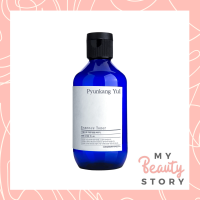
Pyunkang Yul Essence Toner 200ml / 100ml / 30ml
₱875.00₱1,000.00
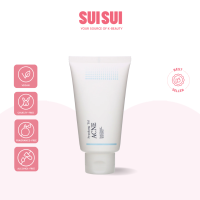
Pyunkang Yul ACNE Facial Cleanser 120ml
₱365.00₱499.00
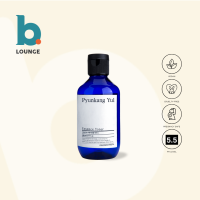
Pyunkang Yul Essence Toner
₱599.00₱699.00
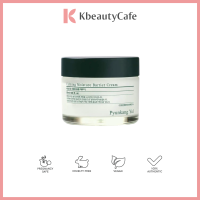
Pyunkang Yul Calming Moisture Barrier Cream
₱550.00₱950.00
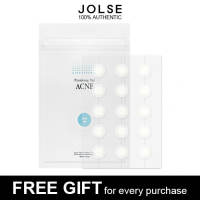
Pyunkang Yul ACNE Spot Patch Super Thin 15ea
₱209.00₱257.00
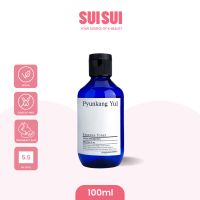
Pyunkang Yul Essence Toner
₱599.00₱649.00
![[Pyunkang Yul] Essence Toner 100 / 200ml](https://my-live-01.slatic.net/p/3dab84f9774a1e63f584eef192bafabf.png_200x200q80.jpg)
[Pyunkang Yul] Essence Toner 100 / 200ml
₱945.00₱1,183.00
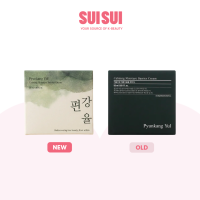
Pyunkang Yul Calming Moisture Barrier Cream 50ml
₱599.00₱750.00
About Pyunkang Yul
Pyunkang Yul (편강율) is a South Korean skincare brand grounded in the principles of traditional Korean medicine (Hanbang), minimalist formulation, and skin-barrier care. Rather than positioning itself solely as a conventional K-beauty label, Pyunkang Yul derives its identity from the clinical heritage of Pyunkang Oriental Medicine Clinic and its extensive history with herbal medicine. The brand cites approximately 50 years of Eastern-medicine experience as the foundation for its product development 1.
Its most recognised product is the Essence Toner, though the catalogue now includes moisturisers, creams, cleansers, and specialised lines for sensitive, acne-prone, and infant or children’s skin. The company operates an official global website at pyunkangyulglobal.com.
Basic information
| Field | Information |
|---|---|
| Brand name | Pyunkang Yul (편강율) |
| Country | South Korea |
| Industry | Cosmetics / skincare / personal care |
| Core category | Korean skincare |
| Brand philosophy | Minimalism, Hanbang, skin balance, barrier care |
| Heritage | Pyunkang Oriental Medicine / Eastern medicine |
| Modern skincare laboratory | Pyunkang Korean Medicine Skin Laboratory |
| Company | Pyunkang Oriental Medical Skin Science Research Institute Co., Ltd. |
| Business registration | 367-88-00255 |
| Head office | Dalseong-gun, Daegu, South Korea |
| Flagship store | Bukchon, Jongno-gu, Seoul |
| Major markets | South Korea and international markets |
The current official global site identifies the operating entity as Pyunkang Oriental Medical Skin Science Research Institute Co., Ltd., with Donggeun Kim listed as CEO 1.
Brand name and origin
The Korean brand name is written 편강율 (Pyungang-yul / Pyunkang Yul). This designation is intrinsically linked to the Pyunkang medical tradition from which the cosmetics line emerged. A key distinction exists between the two entities: Pyunkang Yul is a skincare brand, whereas the broader institutional heritage belongs to the field of Korean medicine.
The brand’s developmental trajectory follows a specific path: traditional Korean medicine led to clinical experience, which informed skincare research and ultimately resulted in minimalist cosmetics. This origin story differentiates Pyunkang Yul from many K-beauty brands established primarily as cosmetic companies.
Historical background
Heritage versus corporate establishment
According to the brand’s official history, its skincare philosophy stems from decades of clinical practice in Eastern medicine. Practitioners accumulated experience through the preparation and refinement of herbal medicines, subsequently applying this knowledge to dermatological care 1. Consequently, while the brand presents a heritage spanning approximately 50 years, the modern cosmetics company is significantly newer.
The Pyunkang Korean Medicine Skin Laboratory was established in October 2015, according to a Korean government-linked business profile 2. This research centre inherited the philosophy of Pyunkang Oriental Medicine Clinic and developed skincare products based on patient data and clinical observation. The timeline of development proceeded from long-standing Korean-medicine practice and clinical experience with herbs to the establishment of the laboratory in 2015, followed by the development of Pyunkang Yul skincare and expansion into international markets. The brand describes this transition as the point where clinical expertise was adapted to create a skincare system intended for daily consumer use rather than exclusive patient treatment 1.
Philosophy
Pyunkang Yul’s philosophy is summarised by three concepts: less, gentle, and balanced. The brand maintains that effective skincare does not require an exhaustive list of ingredients. Instead, it prioritises necessary components while avoiding superfluous additives. Official materials describe this approach as using “the bare, essential ingredients from nature” to formulate products for sensitised skin 1.
Minimalism
Pyunkang Yul is distinguished by relatively simple formulas and restrained packaging. The underlying principle is not merely that natural ingredients are superior, but that fewer unnecessary ingredients reduce potential irritation and simplify skincare routines. This philosophy appeals particularly to consumers who prefer uncomplicated regimens.
Skin balance
Rather than focusing exclusively on dramatic cosmetic transformation, Pyunkang Yul emphasises restoring or maintaining the skin’s equilibrium. Key objectives include hydration, moisture retention, skin-barrier support, soothing, reduction of dryness and irritation, and overall comfort. Current global messaging frames skincare as a means to help skin return to its natural healthy rhythm 1.
Hanbang influence
Hanbang (한방) refers broadly to traditional Korean medicine. Pyunkang Yul incorporates Hanbang concepts through ingredients associated with traditional herbal medicine rather than treating it solely as a marketing aesthetic. Botanical extracts appearing across various formulations include Astragalus root, honeysuckle, Centella asiatica, mugwort, licorice, ginger, and green tea. Specific ingredient profiles vary considerably between products.
Differentiation from typical K-beauty
Pyunkang Yul occupies a distinct position within the Korean skincare industry. While many K-beauty brands emphasise multi-step routines, innovative textures, brightening, anti-ageing, trendy ingredients, colourful packaging, and rapid product launches, Pyunkang Yul built its identity around minimalism, Hanbang, sensitive-skin care, and barrier support. Its aesthetic is consequently quieter and more clinical.
The brand’s characteristic packaging, particularly its deep blue colour, reinforces this identity. Pyunkang Yul describes its signature blue as an interpretation of traditional Korean colour aesthetics and a symbol of tranquillity, balance, and the skin’s recovery journey 1.
Essence Toner
The product most strongly associated with the brand is the Pyunkang Yul Essence Toner. It gained recognition among international K-beauty consumers for differing significantly from typical watery Korean toners. Instead, it possesses a thicker, essence-like texture.
The official product description states it is centred around Astragalus Root Extract, a plant with a long history in traditional Korean medicine. The brand positions the product primarily around hydration, moisture retention, skin comfort, and barrier support 1. Unlike water-based toners that evaporate quickly, this product spreads slowly, absorbs gradually, and leaves a hydrated finish. These characteristics have made it popular among individuals with dry, dehydrated, sensitive, or compromised-feeling skin, as well as those following minimalist routines. The current formulation is described as dermatologically tested and non-irritating, with 24-hour hydration retention testing 1.
Product categories and lines
Pyunkang Yul has expanded beyond toners and moisturisers to cover multiple categories. The official store currently separates products into categories such as Basic, ATO, and AC, alongside broader skincare, body, hair, and cleansing classifications 3.
Facial skincare
The facial skincare range includes toners, essences, serums, ampoules, moisturisers, creams, balms, eye creams, masks, cleansers, and sunscreens.
Basic line
The Basic line represents the brand’s original minimalist identity. Typical products include the Essence Toner, Moisture Cream, Nutrition Cream, Balancing Gel, cleansing products, and various moisturising items. The primary focus is hydration and basic skin maintenance.
Calming Line
The Calming Line targets sensitive, irritated, acne-prone, or stressed skin. The collection includes Calming Moisture Barrier Cream, Calming Moisture Nourishing Cream, Calming Moisture Serum, Calming Deep Moisture Toner, Calming Moisture Mist, Calming Madecassoside Spot Cream, Calming Low pH Foaming Cleanser, Calming Acne Cleansing Foam, and Calming Sun Cream 1. The Calming Moisture Nourishing Cream combines Centella asiatica, ceramides, hyaluronic acid, and shea butter, positioning it towards sensitive and dryness-prone skin 1.
ATO Line
The ATO Line is designed specifically for dry, sensitive, delicate, and infant or children’s skin. The range includes ATO Cream Blue Label, ATO Mild Sun Cream, ATO Moisturizing Soothing Gel Lotion, ATO Panthenol Ceramide Balm Cream, ATO Nourishing Baby Oil, ATO Bubble Wash & Shampoo, ATO Intensive Soothing Mist, and ATO Wash & Shampoo Blue Label 1. The ATO Cream Blue Label is marketed for babies, children, and adults with dry or sensitive skin and contains ceramide, macadamia seed oil, shea butter, and honeysuckle extract 1. This line demonstrates the brand’s expansion into family and body care.
Ingredient philosophy
Pyunkang Yul’s ingredient strategy combines traditional herbal components with modern skin-barrier science. Traditional ingredients include Astragalus root, honeysuckle, Centella asiatica, mugwort, licorice, ginger, and green tea. Newer formulas also incorporate ingredients familiar from contemporary dermatological skincare, such as ceramides, hyaluronic acid, panthenol, niacinamide, squalane, and madecassoside. This hybrid approach—traditional Korean herbal philosophy combined with modern cosmetic formulation—is central to the brand’s identity.
Natural versus formulated
While Pyunkang Yul frequently emphasises nature, herbal medicine, and essential ingredients, its products are not exclusively “all-natural.” Modern cosmetic formulas require functional ingredients for preservation, texture, stability, emulsification, pH adjustment, safety, and sensory feel. For example, the Calming Moisture Nourishing Cream contains botanical extracts alongside ceramides, hyaluronic-acid derivatives, emollients, emulsifiers, preservatives, and other standard cosmetic ingredients 1. Therefore, Pyunkang Yul is more accurately described as a Hanbang-inspired, minimalist skincare brand rather than an exclusively natural or herbal one.
Sensitive skin and barrier care
Sensitive skin is a primary consumer positioning for Pyunkang Yul. The brand consistently focuses on soothing, hydration, barrier support, and low-irritation formulations. Its global website explicitly states that products are formulated with sensitised skin in mind 1. However, suitability for sensitive skin does not guarantee universal compatibility. Some products contain botanical extracts or aromatic plant oils; for instance, ATO Nourishing Baby Oil contains orange, bergamot, and mandarin oils 1. Consumers with highly reactive skin are advised to review individual ingredient lists.
Newer products increasingly combine the brand’s herbal heritage with ingredients associated with contemporary barrier science, such as ceramides, hyaluronic acid, panthenol, and botanical extracts. This allows Pyunkang Yul to appeal to both consumers interested in traditional Korean medicine and those seeking modern dermatological skincare 1.
Packaging and visual identity
Pyunkang Yul’s visual identity is characterised by restraint. Signature elements include deep blue and white colourways, simple typography, minimal graphics, clinical-looking containers, and limited decorative packaging. The brand associates its signature blue with traditional Korean aesthetics and concepts of rest, balance, and harmony with nature 1. This visual language reinforces the message that skincare should be calm rather than complicated.
Flagship store
Pyunkang Yul operates a physical flagship store in Bukchon, Seoul, located at 35-4 Bukchon-ro 5ga-gil, Jongno-gu, Seoul, South Korea 1. The four-storey space includes a Tea House, an exhibition area presenting Pyunkang’s herbal heritage, a product floor, and a rooftop space. Designed around concepts of emptiness, rest, nature, and Korean aesthetics, the location reflects the brand’s positioning as a cultural and lifestyle concept rather than merely a retail outlet 1.
International presence
Pyunkang Yul has expanded significantly beyond South Korea. The company operates an international online store with shipping capabilities and maintains offices in Korea alongside a U.S. corporate entity 1. International popularity has been driven largely by the Essence Toner and the brand’s alignment with minimalist, sensitive-skin skincare trends discovered via social media and K-beauty platforms.
Consumer profile
Pyunkang Yul is generally suited to consumers seeking minimalist skincare, hydration-focused routines, barrier-support products, gentle formulas, Hanbang-inspired ingredients, fragrance-light options, and straightforward packaging at accessible price points. It may be less suitable for those seeking highly active-focused skincare, aggressive exfoliation, dramatic instant brightening, complex anti-ageing systems, heavily fragranced luxury products, or elaborate multi-step routines. The brand prioritises skin comfort and maintenance over aggressive cosmetic transformation.
Strengths and limitations
Strengths
- Distinct brand identity: The narrative linking Korean medicine, herbs, minimalism, and skin balance distinguishes it from generic K-beauty labels.
- Sensitive skin positioning: Emphasis on hydration, soothing, and barrier support provides a clear niche.
- Simplified routines: Products integrate easily into uncomplicated regimens.
- Traditional-modern balance: Newer formulas incorporate contemporary skincare science alongside traditional ingredients.
- Recognisable hero product: The Essence Toner serves as a clear entry point to the brand.
Limitations
- Minimalism is not inherently superior: Shorter ingredient lists do not automatically indicate better quality; formulation stability and individual response matter.
- Potential for reactions: Herbal and “natural” ingredients can still cause irritation.
- Expanding complexity: As the brand has added Basic, Calming, ATO, acne-care, brightening, anti-ageing, body, and hair lines, the original minimalist identity may appear less obvious to new consumers 3.
- Formulation variance: Not all products share the extreme simplicity of the Essence Toner; ingredient lists vary across the range.
Market positioning
Pyunkang Yul functions as a bridge between traditional Korean medicine-inspired skincare, minimalist skincare, and sensitive-skin/barrier care. Its relationship to various market categories is outlined below:
| Category | Relationship to Pyunkang Yul |
|---|---|
| Traditional Hanbang skincare | Core heritage |
| Modern Korean skincare | Modern formulation and product development |
| Dermatological/barrier skincare | Increasingly important focus |
| Natural skincare | Strong botanical influence, but not exclusively natural |
| Minimalist skincare | Defining characteristic |
| Luxury skincare | Positioned as accessible rather than luxury |
| Family/baby skincare | Significant presence through the ATO line |
Brand ecosystem
The current Pyunkang Yul ecosystem extends beyond facial toners. It encompasses facial skincare (Basic, Calming, acne/troubled skin, brightening, anti-ageing, moisturising), family skincare (ATO, baby, kids), and personal care (body, hair, cleansing). This expansion is reflected in the brand’s current official catalogue 3.
Historically, Pyunkang Yul is understood as a Hanbang-inspired minimalist skincare brand; commercially, it has evolved into a comprehensive Korean personal-care brand with a strong reputation for addressing sensitive and dry skin. Its competitive advantage lies in the combination of heritage, philosophy, packaging, formulation style, and product positioning, successfully translating the specialised concept of Korean herbal medicine into products relevant to the modern global skincare market.