Shop on Lazada
Kioxia products
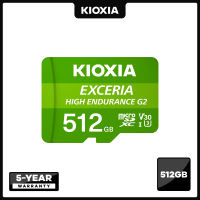
Kioxia 512GB Exceria High Endurance G2 microSD Memory Card (LMHE2G512GG2)
₱5,819.00
Buy on Lazada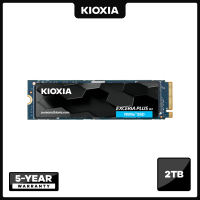
Kioxia Exceria PLUS G3 2TB NVMe SSD (LSD10Z002TG8)
₱16,029.00₱19,999.00
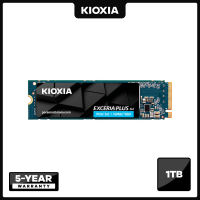
Kioxia Exceria PLUS G4 1TB NVMe SSD (LVD10Z001TG8)
₱10,659.00₱13,999.00
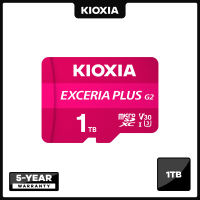
Kioxia 1TB Exceria Plus G2 microSD Memory Card (LMPL2M001TG2)
₱7,149.00₱9,999.00
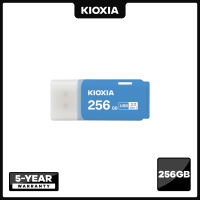
Kioxia TransMemory U301 256GB USB 3.2 Gen 1 Flash Drive ~Choose Your Color
₱1,299.00₱1,799.00
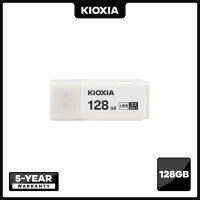
Kioxia TransMemory U301 128GB USB 3.2 Gen 1 Flash Drive ~Choose Your Color
₱939.00₱1,099.00
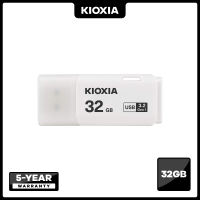
Kioxia TransMemory U301 32GB USB Flash Drive (LU301W032GG4)
₱559.00
Buy on Lazada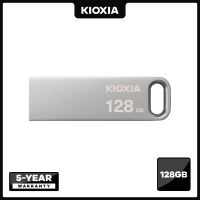
Kioxia 128GB TransMemory U366 USB Flash Drive (LU366S128GG4)
₱839.00₱999.00
About Kioxia
Kioxia Corporation is a Japanese semiconductor company specializing in flash memory and solid-state storage (SSD) technologies. It is one of the world’s largest manufacturers of NAND flash memory and is widely recognized as the inventor of NAND flash technology, which has become the foundation of modern digital storage used in smartphones, laptops, servers, AI systems, cameras, and data centers. [1]
Overview
| Attribute | Details |
|---|---|
| Company Name | Kioxia Corporation |
| Industry | Semiconductor / Memory Storage |
| Founded | April 1, 2017 (as Toshiba Memory Corporation) |
| Current Brand Name | Since October 1, 2019 |
| Headquarters | Tokyo, Japan |
| CEO | Hiroo Ota |
| Parent Company | Kioxia Holdings Corporation |
| Main Products | NAND Flash Memory, SSDs, Embedded Memory, microSD, SD Cards, USB Flash Drives |
| Global Presence | Manufacturing, R&D, and sales operations across Asia, Europe, and the Americas |
History
Origins at Toshiba
Kioxia’s roots trace back to Toshiba Corporation, whose engineers developed the world’s first NAND flash memory in 1987.
This invention revolutionized digital storage because NAND flash:
-
Stores data without power (non-volatile)
-
Is faster than hard drives
-
Uses less power
-
Is highly durable
-
Can store massive amounts of information
Today virtually every SSD, USB drive, smartphone storage chip, and memory card uses NAND flash technology derived from this invention. [2]
Becoming Toshiba Memory
In 2017, Toshiba separated its memory business into a new company called Toshiba Memory Corporation as part of a corporate restructuring. [3]
The Birth of Kioxia
On October 1, 2019, Toshiba Memory officially changed its name to Kioxia Corporation.
The name combines two words:
-
Kioku (記憶) — Japanese for “memory”
-
Axia — Greek for “value”
Together, Kioxia means “memory with value.” The rebranding reflected the company’s ambition to become an independent global leader in memory technology. [4]
Products
Kioxia develops a broad range of storage products for consumers, enterprises, and industrial customers.
1. SSDs (Solid-State Drives)
Used in:
-
Gaming PCs
-
Laptops
-
Enterprise servers
-
Cloud data centers
-
AI infrastructure
Examples include consumer NVMe SSDs and high-performance enterprise SSDs.
2. NAND Flash Memory
These chips serve as storage in:
-
Smartphones
-
Tablets
-
Cameras
-
Automotive systems
-
Data centers
-
IoT devices
-
AI servers
3. Memory Cards
Consumer storage products include:
-
microSD cards
-
SD cards
-
USB flash drives
4. Embedded Memory
Used by manufacturers in:
-
Smartphones
-
Automotive electronics
-
Smart TVs
-
Medical devices
-
Industrial equipment
5. Enterprise Storage
Kioxia supplies high-capacity SSDs optimized for:
-
Cloud computing
-
Artificial intelligence
-
Big data
-
Enterprise databases
-
Hyperscale data centers [5]
Technology Leadership
Kioxia is recognized for several major technological milestones.
Inventor of NAND Flash
Its predecessor at Toshiba invented NAND flash memory in 1987, a breakthrough that transformed digital storage. [6]
BiCS FLASH™
Kioxia’s BiCS FLASH™ is its proprietary 3D NAND technology, stacking memory cells vertically to achieve:
-
Higher capacity
-
Better performance
-
Lower power consumption
-
Greater durability [7]
Advanced Manufacturing
The company operates some of the world’s largest flash-memory fabrication facilities, including the Yokkaichi and Kitakami plants in Japan, using advanced automation and AI-assisted manufacturing. [8]
Manufacturing
Major production facilities include:
-
Yokkaichi Plant (Mie Prefecture) — one of the world’s largest flash-memory manufacturing complexes.
-
Kitakami Plant (Iwate Prefecture) — a newer facility focused on advanced BiCS FLASH production and expansion for future demand. [9]
Markets Served
Kioxia supplies memory products to industries including:
-
Consumer electronics
-
Enterprise IT
-
Cloud computing
-
Artificial intelligence
-
Automotive
-
Mobile devices
-
Industrial systems
-
Networking
-
Medical equipment
-
Gaming
-
Edge computing [10]
Global Position
Kioxia is consistently recognized as one of the world’s leading producers of NAND flash memory. It competes with other major memory manufacturers such as:
-
Samsung Electronics
-
SK hynix
-
Micron Technology
-
SanDisk [11]
Research and Innovation
Kioxia invests heavily in research on:
-
Next-generation NAND flash
-
AI storage
-
PCIe SSD technologies
-
Data-center optimization
-
Energy-efficient memory
-
High-capacity enterprise storage
-
Advanced semiconductor manufacturing [12]
Brand Identity
The company’s mission is:
“By evolving memory, we create uplifting experiences and change the world.” [13]
Its branding emphasizes:
-
Innovation
-
Reliability
-
Sustainability
-
High performance
-
Advanced memory technologies
Sustainability
Kioxia promotes:
-
Reduced power consumption in manufacturing
-
Efficient semiconductor production
-
Environmental responsibility
-
Responsible sourcing
-
Long-term technological sustainability [14]
Recent Developments
In recent years, Kioxia has expanded production of next-generation BiCS FLASH memory to address growing demand from AI, cloud computing, and hyperscale data centers. The company has also strengthened its manufacturing capabilities at its Kitakami facilities and continues to invest in advanced NAND technologies. [15]
Why Kioxia Matters
Kioxia’s technology underpins many everyday digital experiences. Its memory products are found in:
-
Smartphones
-
Personal computers
-
Gaming consoles
-
Cameras
-
Cloud servers
-
AI infrastructure
-
Automotive electronics
-
Consumer storage devices
Because modern computing depends on fast, reliable, non-volatile storage, Kioxia plays a foundational role in the global semiconductor ecosystem.
Quick Facts
-
Founded: 2017 (as Toshiba Memory Corporation)
-
Renamed: 2019 as Kioxia Corporation
-
Headquarters: Tokyo, Japan
-
Industry: Semiconductor and memory storage
-
Known for: Inventing NAND flash memory (through its Toshiba heritage)
-
Core products: NAND flash memory, SSDs, memory cards, USB flash drives, embedded storage
-
Global focus: Consumer electronics, enterprise storage, cloud computing, AI, automotive, and industrial markets. [16]