Shop on Lazada
Kotobukiya products
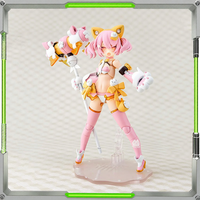
Kotobukiya | Ready-to-ship Assemblable Model
₱3,480.00₱4,768.00
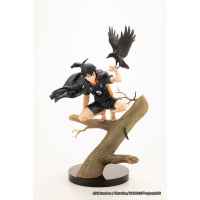
Haikyu!! - Tobio Kageyama ARTFX J 1/8 Scale Figure Anime/Action Figure Collectible Statue Figurine
₱6,999.00
Buy on Lazada
【100% original From Japan 】 Kotobukiya Nisemonogatari Shinobu Oshino 1/8 scale PVC painted finished product
₱6,482.90₱12,817.00
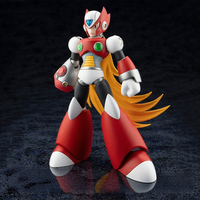
Kotobukiya | Assembly Model Action Gift
₱4,694.00₱6,034.00
![Kotobukiya Metal Gear Solid 4 Guns of the Patriot - Metal Gear Rex (2026) [Model Kit]](https://sg-test-11.slatic.net/p/0cff44242cf70218afe9248b453af5f9.jpg_200x200q80.jpg)
Kotobukiya Metal Gear Solid 4 Guns of the Patriot - Metal Gear Rex (2026) [Model Kit]
₱5,290.00
Buy on Lazada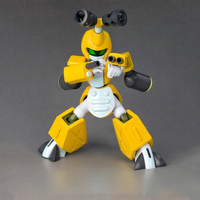
Kotobukiya | Assembly Model Kits
₱3,317.00₱3,553.00
![Kotobukiya Medabot KBT00-M Metabee (Metal Beetle) [Model Kit]](https://sg-test-11.slatic.net/p/697354c47aa86697d52ef11fc76bfb58.jpg_200x200q80.jpg)
Kotobukiya Medabot KBT00-M Metabee (Metal Beetle) [Model Kit]
₱3,290.00
Buy on Lazada![Kotobukiya Megalomaria Unlimited Universe - Vanguard Leader [Model Kit]](https://sg-test-11.slatic.net/p/adcd890827168e474e7d83e7e3ce804d.jpg_200x200q80.jpg)
Kotobukiya Megalomaria Unlimited Universe - Vanguard Leader [Model Kit]
₱2,610.00
Buy on LazadaAbout Kotobukiya
Kotobukiya Co., Ltd. (株式会社壽屋, Kabushiki-gaisha Kotobukiya), commonly referred to as Kotobukiya, is a Japanese hobby, toy, and entertainment company headquartered in Tachikawa, Tokyo. Internationally, the firm is best known for its extensive range of plastic model kits, scale figures, statues, character goods, and original intellectual properties (IPs) 1. Originally established as a neighbourhood toy store, the company has grown into one of Japan’s leading producers of merchandise based on anime, manga, video games, films, and proprietary characters.
Prominent modern brands under the Kotobukiya umbrella include Frame Arms, Frame Arms Girl, Megami Device, Hexa Gear, Sousai Shoujo Teien, Arcanadea, M.S.G, ARTFX, and BISHOUJO. In addition to these original lines, the company manufactures licensed products featuring franchises such as Star Wars, Marvel, DC, Pokémon, The Legend of Zelda, and Street Fighter.
Company profile
| Category | Information |
|---|---|
| Japanese name | 株式会社 壽屋 |
| English name | Kotobukiya Co., Ltd. |
| Common name | KOTOBUKIYA / Kotobukiya |
| Founded | January 7, 1953 (as a corporation) |
| Origins | Toy retailer in Tachikawa, Tokyo |
| Headquarters | Tachikawa, Tokyo, Japan |
| Industry | Hobby, toys, collectibles, entertainment/IP |
| Major products | Plastic models, figures, statues, character goods |
| President | Kazuyuki Shimizu |
| Employees | 277 |
| U.S. presence | Kotobukiya US branch in Torrance, California |
| Stock listing | Tokyo Stock Exchange Standard Market |
| Core philosophy | Creating and sharing happiness through hobbies |
According to its current corporate profile, Kotobukiya was formally established on January 7, 1953, maintains its headquarters in Tachikawa, and employs 277 staff members 2.
Name and identity
The official Japanese corporate name is 株式会社壽屋 (Kabushiki-gaisha Kotobukiya). The kanji 壽 is an older form of 寿, conveying meanings of longevity, celebration, or long life. In international markets, however, the company predominantly uses the romanised brand name KOTOBUKIYA.
It is important to note that Kotobukiya functions as a corporate entity and umbrella brand rather than a single product line. It manages numerous sub-brands and series across different categories:
KOTOBUKIYA
├── Plastic Models
│ ├── Frame Arms
│ ├── Frame Arms Girl
│ ├── Megami Device
│ ├── Hexa Gear
│ ├── Sousai Shoujo Teien
│ └── Arcanadea
├── Figures & Statues
│ ├── ARTFX
│ └── BISHOUJO
├── Modeling Support Goods
│ └── M.S.G
└── Licensed Products
├── Anime
├── Manga
├── Games
├── Movies
└── Other franchises
This integration of original IP, licensed IP, model kits, and finished figures defines the company’s unique position in the hobby industry.
Origins: from toy store to manufacturer
Kotobukiya’s history predates its formal incorporation. The company traces its roots to 1947, when it began operations as a toy store in Tachikawa. In January 1953, the business was incorporated as Yugen Kaisha Kotobukiya. For approximately three decades, it operated primarily as a traditional local toy retailer 3.
In 1967, the company opened a shop named Ningyo to Omocha Kotobukiya (“Dolls and Toys Kotobukiya”) within Tachikawa’s First Department Store. By 1981, the retail operation had adopted the Kotobukiya trade name. This background distinguishes Kotobukiya from competitors that originated as manufacturers; instead, the company evolved progressively from a retailer to a hobby specialist, then to a model and figure manufacturer, and eventually to an IP and content developer.
Entry into model kits
During the 1980s, Kotobukiya began its transition into manufacturing. Key milestones in this period include:
- 1983: Commencement of mail-order sales and expansion of hobby operations.
- 1984: Release of Armament, the company’s first original garage kit.
- 1989: Launch of a fully articulated model kit as an original product.
- 1990s: Significant expansion into character models and figures 4.
This shift allowed Kotobukiya to develop proprietary manufacturing expertise and original designs, laying the foundation for its modern identity.
Evangelion and the figure business
The anime boom of the 1990s marked a critical turning point. Following the cultural impact of Neon Genesis Evangelion, Kotobukiya produced three-dimensional merchandise featuring characters and mecha such as Rei Ayanami and Evangelion Unit-01. Corporate records identify the 1995 Evangelion phenomenon and the associated product releases as pivotal moments that ignited the company’s figure business 5.
This era established a fundamental business model for Kotobukiya: transforming popular fictional characters into highly detailed, three-dimensional collectibles and hobby products.
ARTFX
Launched in 1999, ARTFX is one of Kotobukiya’s most recognisable figure brands. Initially focusing on soft-vinyl and PVC statues, including characters from Final Fantasy, the line quickly expanded beyond Japanese anime 6. ARTFX became significant for its extensive use of Western entertainment licenses, covering franchises such as Star Wars, Marvel, DC, Disney, various video games, and Western comics. This demonstrated Kotobukiya’s ability to adapt both Eastern and Western characters into high-end Japanese collectible figures.
Expansion into Western licenses
International licensing has been central to Kotobukiya’s growth. In 2001, the company secured a license from Lucasfilm to produce Star Wars merchandise 7. Subsequent agreements covered properties including Batman, Marvel, Disney, Pirates of the Caribbean, and numerous video game franchises. Notable releases included Star Wars characters such as C-3PO and R2-D2, alongside a growing portfolio of Marvel and other major entertainment titles 8. This diversification reduced reliance on domestic animation and broadened the company’s global appeal.
The BISHOUJO series
The BISHOUJO line is closely associated with Kotobukiya’s modern identity. The term bishōjo (美少女) translates to “beautiful girl.” Rather than replicating original character designs, this series reinterprets female characters from diverse franchises through a distinct Japanese illustration aesthetic, often in collaboration with artists such as Shunya Yamashita.
This approach has been applied to characters from DC Comics, Marvel, horror franchises, video games, and Japanese media, creating a consistent visual language that unifies disparate cultural sources into a signature Kotobukiya style.
Original IP development
Historically reliant on licensed characters, Kotobukiya has increasingly focused on creating proprietary intellectual properties. This strategic shift moved the company from simply adapting existing characters to developing universes designed to generate model kits, figures, accessories, animation, and games organically. This strategy has yielded several major original franchises.
Frame Arms
Frame Arms is a foundational original model kit franchise centred on customisable mecha. The series emphasises interchangeable armour, weapons, mechanical design, and shared connection standards. Its focus on customisation over static completion influenced subsequent Kotobukiya product lines.
M.S.G (Modeling Support Goods)
M.S.G consists of weapons, armour, hands, effect parts, and option equipment designed to enhance customisation. These products function as components within a larger interconnected hobby system, encouraging users to modify and expand their models. Current products continue to emphasise compatibility between M.S.G and multiple other series 9.
Frame Arms Girl
Launched in 2015, Frame Arms Girl reinterprets Frame Arms mecha as articulated bishōjo character models. Described as a spin-off of the original series, these kits combine female characters with robotic elements and customisation systems 10. Features typically include articulated bodies, interchangeable faces, multiple hands, decals, 3 mm connection points, and compatibility with M.S.G and other Kotobukiya systems. Many modern kits utilise moulded colours and pre-printed faces, reducing the need for painting 11.
Frame Arms Girl anime adaptation
In 2017, Frame Arms Girl received a television anime adaptation, marking Kotobukiya’s transition from model manufacturer to IP and content creator 12. This was followed by the theatrical release Frame Arms Girl: Kyakkya Ufufu na Wonderland in 2019 13. These projects exemplify the company’s strategy of expanding model kits into broader media ecosystems.
Megami Device
Megami Device features articulated female characters combined with heavy weaponry and armour. The series comprises approximately 14 cm plastic model kits built around the “machineca” body designed by Masaki Apsy, with aesthetics developed in collaboration with various illustrators 14. Models typically offer two configurations: Armed Mode (with weapons and armour) and Unarmed Mode (character only), balancing figure appeal with mechanical modelling. Kits utilise 3 mm connection points for extensive customisation 15.
The machineca concept
The machineca body system provides a highly articulated common platform that supports diverse character designs. Modern Megami Device products feature extensive articulation, multiple face parts, interchangeable equipment, and cross-series compatibility. Product descriptions highlight interoperability with M.S.G, Frame Arms, Frame Arms Girl, Hexa Gear, Sousai Shoujo Teien, and Arcanadea.
Hexa Gear
Hexa Gear is an original mecha universe emphasising military science fiction, vehicles, creatures, and modular machinery. Designed around a shared mechanical ecosystem, it demonstrates that Kotobukiya’s original IP strategy extends beyond bishōjo products.
Sousai Shoujo Teien
Sousai Shoujo Teien (創彩少女庭園) focuses on stylised depictions of everyday Japanese schoolgirls rather than armoured combat characters. The models highlight school uniforms, casual clothing, hairstyles, and daily life poses, representing the philosophy that the character itself can be the hobby.
Arcanadea
Arcanadea is a fantasy-oriented model kit line combining bishōjo design with magical motifs, armour, and weapons. Like other original series, it participates in Kotobukiya’s cross-compatible customisation ecosystem.
Other original series
Kotobukiya’s licensing site lists additional original IPs including Evoloid, Megalomaria, and Kaiju Sekai Seifuku. This breadth confirms the company’s evolution into an IP development firm centred on hobby goods.
Cross-compatibility
A defining feature of modern Kotobukiya products is cross-compatibility between families. Shared connection standards allow parts from one line to be used with another. Product descriptions frequently cite compatibility among M.S.G, Frame Arms, Frame Arms Girl, Megami Device, Hexa Gear, Sousai Shoujo Teien, and Arcanadea 16. This creates a comprehensive model-kit ecosystem where enthusiasts can combine components from multiple series to create original designs.
Licensed model kits
Kotobukiya continues to produce model kits based on external IPs. Historically, this portfolio has included:
- Anime & manga: Various Japanese franchises.
- Video games: Characters and machines from major Japanese and Western titles.
- Movies: Science fiction, superhero, and fantasy properties.
- Comics: Marvel and DC characters.
- Pokémon: Figures and related merchandise.
The licensed business expanded significantly following agreements for properties such as Star Wars and Batman 17.
Figures vs. model kits
Kotobukiya operates in two distinct but complementary categories:
Finished collectibles
Products such as statues, PVC figures, ARTFX, and BISHOUJO items arrive ready for display. Their primary appeal lies in sculpt quality, paint application, character likeness, and presentation.
Plastic model kits
These require assembly by the user. Their appeal centres on construction, articulation, customisation, painting, and posing. Kotobukiya’s strength in both categories distinguishes it from companies focused exclusively on either finished figures or traditional mecha kits.
Design and engineering characteristics
Kotobukiya products exhibit a recognisable aesthetic defined by several key traits:
- Mechanical detailing: Armour and weapons often feature intricate subdivisions.
- Stylised proportions: Designs frequently favour anime-inspired aesthetics over strict realism.
- Character-focused sculpting: Female character kits receive particular attention to faces, hair, and body proportions.
- Interchangeability: Kits are designed as platforms for modification rather than static sculptures.
- Colour separation: Parts are moulded in multiple colours to achieve a complete appearance without painting.
- Pre-printed faces: Tampographically printed facial expressions are standard in character kits.
- Customisation: Weapons, armour, and accessories are frequently swappable between compatible kits.
Current product ranges explicitly highlight pre-coloured parts, pre-printed faces, and 3 mm connection systems 18.
Industry comparisons
Kotobukiya vs. Bandai
While often compared, the two companies occupy distinct niches:
| Feature | Kotobukiya | Bandai |
|---|---|---|
| Major strength | Character kits, mecha, figures, original IP | Gundam, anime/game toys, character models |
| Model ecosystem | Frame Arms, Megami Device, FA Girl | Gunpla |
| Customisation | Extremely important | Extremely important |
| Character girl kits | Major focus | Also significant |
| Figures | Major business | Major business |
| Western licenses | Strong | Strong |
| Original IP | Very important | Important |
| Overall image | Hobby/collector-oriented | Mass-market entertainment/hobby giant |
Bandai is significantly larger corporately, but Kotobukiya has succeeded by combining high-end character aesthetics with serious model-kit engineering.
Kotobukiya vs. Good Smile Company
While there is overlap in anime figures, identities differ. Good Smile Company is associated with Nendoroid, figma, and scale figures. Kotobukiya is distinguished by plastic model kits, ARTFX, BISHOUJO, and customisable original-IP models like Frame Arms Girl and Megami Device. This positions Kotobukiya uniquely between figure collectors and plastic modellers.
International expansion
Kotobukiya has become increasingly international. A KOTOBUKIYA US Branch Office was established in Torrance, California, in 2017 19. Corporate information also lists Kotobukiya America Inc. and a Shanghai-based group company 20. Products have developed significant communities in North America, Europe, Southeast Asia, China, and South Korea. During its 70th-anniversary period, the company reported that approximately 30% of sales were overseas, underscoring the importance of global markets.
Corporate transformation
Kotobukiya’s development spans six distinct eras:
- Retailer (1947–1980s): A Tachikawa toy store serving local customers.
- Hobby manufacturer (1980s–1990s): Production of garage kits and character products.
- Figure manufacturer (1990s–2000s): Expansion into anime, game, and movie figures.
- Global licensed manufacturer (2000s–2010s): Partnerships with international entertainment companies.
- Original-IP developer (2009 onward): Creation of Frame Arms, Megami Device, and other proprietary franchises.
- Integrated hobby/IP company (2010s–present): Combination of model kits, figures, original IP, licensing, animation, retail, and international distribution.
Public listing
Kotobukiya became publicly traded in September 2017 on the Tokyo Stock Exchange’s JASDAQ market. Following market restructuring, it is now listed on the Standard Market 21. This milestone marked its evolution from a regional retailer to an international public company.
70th anniversary
Manufacturing and business philosophy
Kotobukiya’s corporate message emphasises creating value through hobbies, technology, and original content. Core activities include planning, manufacturing, and selling plastic models, figures, and hobby goods, alongside investment in overseas expansion, original IP, and new entertainment ventures 24.
Revenue streams are diversified across:
- Original IP: Proprietary franchises offering greater control over development.
- Licensed IP: Products based on established external franchises.
- Figures: High-value collectibles.
- Model kits: Assembly-based products.
- Accessories: M.S.G and option parts driving repeat purchases.
- Media: Expansion of successful IPs into animation, games, and events.
Design processes involve close collaboration between illustrators, sculptors, mechanical designers, and engineers. For example, Megami Device has featured work by designers such as Masaki Apsy, Humikane Shimada, and Nidy-2D-. This interdisciplinary approach ensures that products serve as platforms for customisation rather than predetermined static objects.
Market reception
Collectors value Kotobukiya for sculpt quality, anime aesthetics, variety, and original characters. Model builders appreciate the “sandbox” nature of the kits, which support weapon swaps, part mixing, kitbashing, and original creations. The company has been instrumental in the growth of the girlpla (female character plastic model) market. By December 2020, cumulative worldwide shipments of original-IP female-character plastic models—primarily Frame Arms Girl and Megami Device—had surpassed 2.5 million units 25.
Retail presence
Despite its manufacturing focus, Kotobukiya maintains a retail identity through dedicated stores including Kotobukiya Tachikawa, Kotobukiya Akihabara, and Kotobukiya Nipponbashi 26. The Akihabara location is particularly notable given the district’s status as a hub for anime and hobby culture. Online retail operations also continue.
Major brands overview
| Brand | Main concept | Type |
|---|---|---|
| Frame Arms | Customisable original mecha | Plastic models |
| Frame Arms Girl | Bishōjo versions of Frame Arms | Character model kits |
| Megami Device | Armoured/customisable female characters | Character model kits |
| M.S.G | Weapons and customisation parts | Accessories |
| Hexa Gear | Modular sci-fi machines | Plastic models |
| Sousai Shoujo Teien | Everyday schoolgirl characters | Character model kits |
| Arcanadea | Fantasy bishōjo characters | Character model kits |
| Megalomaria | Character/mechanical customisation | Plastic models |
| ARTFX | High-quality character statues/figures | Figures |
| BISHOUJO | Japanese-style reinterpretations | Figures/statues |
| Evoloid | Original mechanical/character concept | Plastic models |
| Licensed products | Characters owned by other companies | Figures/models/goods |
Many of these original properties are identified as key assets on the company’s licensing site 27.
Timeline
- 1947: Business begins as a toy store in Tachikawa 28.
- 1953: Incorporated on January 7.
- 1967: Major Tachikawa toy store opens.
- 1981: Adopts the Kotobukiya trade name.
- 1984: Releases first original garage kit, Armament.
- 1989: Fully articulated models establish manufacturing credentials.
- 1995: Evangelion products drive figure business expansion.
- 1996: Becomes a kabushiki-gaisha.
- 1999: ARTFX brand launches.
- 2001: Obtains Star Wars license; opens Nipponbashi store.
- 2004: Akihabara store opens.
- 2005: Batman products released via Warner Bros. license.
- 2009: BISHOUJO and Frame Arms become portfolio pillars 29.
- 2015: Frame Arms Girl launches.
- 2016: Megami Device launches.
- 2017: U.S. branch opens; stock market listing; Frame Arms Girl TV anime airs.
- 2019: Frame Arms Girl theatrical project released.
- 2020: Original-IP girl-plastic-model shipments surpass 2.5 million units worldwide 30.
- 2022–2023: 70th-anniversary projects and original-IP expansion.
- 2023: TOKYO Mark domestic manufacturing label announced 31.
- 2026: Continues as a publicly traded hobby/IP company with 277 employees and headquarters in Tachikawa.
References
- 会社概要 – 株式会社 壽屋 企業情報ポータルサイト
- 社長あいさつ – 株式会社 壽屋 企業情報ポータルサイト
- Company Profile|KOTOBUKIYA | Figures・ Model Kits・Hobby
- 会社沿革 – 株式会社 壽屋 企業情報ポータルサイト
- おかげさまで壽屋は創立70周年を迎えます – 株式会社 壽屋 企業情報ポータルサイト
- STARTGOALCORPORATEPROFILE
- FRAME ARMS GIRL SHINGEN|FRAME ARMS GIRL|Female Character Model Kits (Girlpla)|Model Kits|KOTOBUKIYA | Figures・ Model Kits・Hobby
- WISM・Soldier ASSAULT/SCOUT|MEGAMI DEVICE|Female Character Model Kits (Girlpla)|Model Kits|KOTOBUKIYA | Figures・ Model Kits・Hobby
- FRAME ARMS GIRL WILBER NINE|FRAME ARMS GIRL|Female Character Model Kits (Girlpla)|Model Kits|KOTOBUKIYA | Figures・ Model Kits・Hobby
- AUV Susanowo|MEGAMI DEVICE|Female Character Model Kits (Girlpla)|Model Kits|KOTOBUKIYA | Figures・ Model Kits・Hobby
- AUV SUSANOWO REGALIA|MEGAMI DEVICE|Female Character Model Kits (Girlpla)|Model Kits|KOTOBUKIYA | Figures・ Model Kits・Hobby
- PUNI☆MOFU MAO|MEGAMI DEVICE|Female Character Model Kits (Girlpla)|Model Kits|KOTOBUKIYA | Figures・ Model Kits・Hobby
- 壽屋ライセンスビジネスサイト
- 「自社IP美少女キャラクタープラモデル」シリーズ 世界累計出荷数250万個突破! – 株式会社 壽屋 企業情報ポータルサイト
- STARTGOALCORPORATEPROFILE
- 7809 壽屋 適時開示情報 < 銘柄分析 | 株マップ.com
- Kotobukiya (TYO:7809) Company Profile & Description
- Kotobukiya – Bulbapedia, the community-driven Pokémon encyclopedia
- Kotobukiya – JoJo’s Bizarre Encyclopedia | JoJo Wiki
- 株式会社壽屋 – ログミーファイナンス
- 自社IP美少女プラモデル世界累計出荷数840万個突破のお知らせ – 株式会社 壽屋 企業情報ポータルサイト
- 自社IP美少女プラモデル世界累計出荷数700万個突破のお知らせ – 株式会社 壽屋 企業情報ポータルサイト
- Kotobukiya | Company Overview & News
- 自社IPプラモデル「メガミデバイス」シリーズ 世界累計出荷数200万個突破! – 株式会社 壽屋 企業情報ポータルサイト
- KOTOBUKIYA CO., LTD. – Annual Report 2021 | FinancialFilings
- 感動と驚きの仕掛け人vol.1|「創彩少女庭園」のプロデューサーに聞く(1) – 株式会社 壽屋 企業情報ポータルサイト
- フレームアームズ – 壽屋ライセンスビジネスサイト
- 企業情報 – 株式会社 壽屋 企業情報ポータルサイト
- ASRA TAMAMONOMAE UTAGE|MEGAMI DEVICE|Female Character Model Kits (Girlpla)|Model Kits|KOTOBUKIYA | Figures・ Model Kits・Hobby
- PUNI☆MOFU TU|MEGAMI DEVICE|Female Character Model Kits (Girlpla)|Model Kits|KOTOBUKIYA | Figures・ Model Kits・Hobby
- AUV AME NO UZUME SUNSHINE|MEGAMI DEVICE|Female Character Model Kits (Girlpla)|Model Kits|KOTOBUKIYA | Figures・ Model Kits・Hobby