Shop on Lazada
Heno de Pravia products
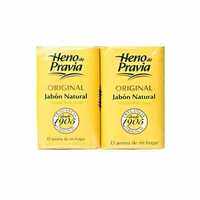
LOWEST PRICE Heno De Pravia Natural Bath Soap (2pcs bar soap)
₱238.00
Buy on Lazada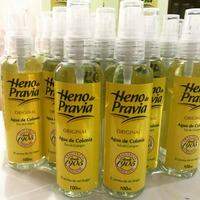
Original Heno De Pravia Cologne 100ml
₱125.00
Buy on Lazada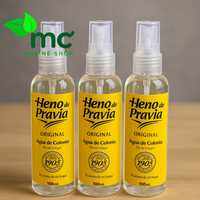
Heno De Pravia Original Cologne 100ml – Classic Fresh Scent from Spain
₱341.00₱375.00
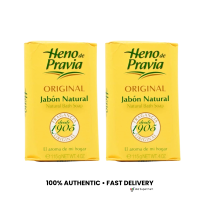
Heno de Pravia Original Bar Soap 2pcs x 115g
₱309.00₱352.00
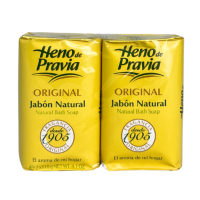
Heno De Pravia Natural Bath Soap 2 x 115g
₱219.00
Buy on Lazada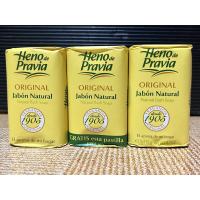
Heno de Pravia Original Natural Bath Soap 115g (3 pack or 1 pack)
₱479.00
Buy on Lazada
Heno de Pravia Bar Soap (2pcs Bar Soap)
₱247.00
Buy on Lazada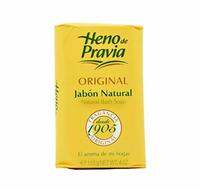
Heno De Pravia Bar Soap Original 4oz
₱169.00
Buy on LazadaAbout Heno de Pravia
Heno de Pravia is a historic Spanish personal-care and fragrance brand best known for its distinctive green bar of perfumed soap and its characteristic scent inspired by freshly cut hay. Created by Perfumería Gal in the early 20th century, the brand is currently part of the portfolio of the Spanish beauty company Puig. As of 2025, Puig continues to list Heno de Pravia among its owned and licensed beauty brands.
The name literally translates to “Hay of Pravia,” referring to Pravia, a town in Asturias in northern Spain. The brand’s identity is closely associated with Spanish rural landscapes, freshness, cleanliness, nostalgia, and traditional family bathing. While primarily identified as a Spanish domestic classic, historical advertising material documents the product’s presence in the Philippines, where the green soap became recognizable as a Spanish beauty import.9
Infobox
| Category | Information |
|---|---|
| Brand name | Heno de Pravia |
| Meaning | “Hay of Pravia” |
| Origin | Spain |
| Founded / introduced | 1905 |
| Founder associated with the brand | Salvador Echeandía Gal |
| Original company | Perfumería Gal |
| Current owner / group | Puig |
| Main category | Personal care and fragrance |
| Best known for | Green perfumed soap |
| Signature concept | Aroma of freshly cut hay |
| Original market | Spain |
| Notable products | Bar soap, liquid/cream soaps, shower products, deodorants and colognes |
| Brand heritage | More than 120 years |
Origins
The history of Heno de Pravia dates to 1903, when Salvador Echeandía Gal, one of the founders of Perfumería Gal, was travelling through Asturias. According to traditional accounts of the brand’s origin, Echeandía passed through the town of Pravia and was struck by the smell of freshly cut hay. He subsequently sought to reproduce that specific rural aroma as a fragrance.1
This concept was developed into a commercial product, and in 1905, Perfumería Gal introduced a soap bearing the Heno de Pravia name. The product was distinctive for its era; rather than being marketed solely as a utilitarian cleanser, it was strongly associated with a recognizable perfume. The visual design reinforced this concept: the green soap represented fresh vegetation, while the yellow packaging evoked dried hay. Combined with the geographic reference in the name, this combination of fragrance, colour, and packaging established one of the most recognizable identities in Spanish consumer culture.2
Perfumería Gal
Heno de Pravia originated from Perfumería Gal, a significant Spanish perfume and personal-care company, rather than a modern cosmetics corporation. Salvador Echeandía Gal had begun developing personal-care products in Madrid in the late 19th century. The company subsequently expanded its operations and international presence, selling hair lotions, perfumes, powders, and soaps.3 Perfumería Gal was notable for adopting modern manufacturing and marketing techniques during a period when the Spanish personal-care industry was still developing. Heno de Pravia became one of its most enduring products.
The name “Heno de Pravia”
The name functions as a form of geographic branding. “Heno” means hay, “de” means of or from, and “Pravia” refers to the Asturian town. Thus, Heno de Pravia translates to “Hay of Pravia.” This naming strategy transformed an ordinary natural material into an olfactory identity. Rather than naming the soap after a conventional cosmetic benefit, Gal associated it with a specific place and sensory memory, an approach that has remained central to the brand’s identity for generations.
The famous green soap
The original Heno de Pravia bar remains the product most strongly associated with the brand. Its traditional appearance consists of a moss- or grass-green bar accompanied by yellow packaging, a design intended to communicate the idea of both fresh and dried hay.4 The soap became sufficiently recognizable that the words “Heno de Pravia” eventually became synonymous with the fragrance itself rather than merely the physical product. Consequently, the scent serves as the primary identifier of the brand.
Fragrance profile
The central olfactory concept of Heno de Pravia is the smell of freshly cut grass or hay, interpreted through perfumery rather than as a literal reproduction of a field. Historical descriptions associate the fragrance with ingredients including geranium, lavender, and sandalwood, which contribute to its floral, herbal, and woody character.5 The traditional profile is characterized as green, herbal, floral, softly woody, clean, soapy, fresh, and nostalgic. This composition established a distinctly recognizable Spanish “clean” scent.
Trademark and early development
The Heno de Pravia name was formally registered as a trademark, with sources placing the registration of the toilet-soap mark in 1911.5 By this period, the brand had evolved from an individual experiment into an established consumer product. Its longevity is notable given the significant shifts in the personal-care industry over the last century, transitioning from traditional bar soaps to liquid cleansers, shower gels, deodorants, and modern fragrances.
Advertising and Art Deco
Advertising played a critical role in the longevity of Heno de Pravia. Perfumería Gal was a pioneer of professional advertising in Spain, employing prominent illustrators and artists to establish a distinctive visual language.6 Artists associated with the brand’s advertising history include A. Ehrmann, Alfons Mucha, Federico Ribas, and Pedro Prat Caballí. The company’s campaigns incorporated styles associated with the early 20th-century poster tradition and Art Nouveau and Art Deco aesthetics. Through these efforts, Heno de Pravia was presented not merely as soap but as an aspirational lifestyle and beauty product.
Celebrity endorsements
Perfumería Gal utilized celebrity endorsement strategies early in its history. Actresses and public figures such as Margarita Xirgu, María Guerrero, and María Ladrón de Guevara appeared in advertising connected with Gal’s products and Heno de Pravia. This helped position the soap as a sophisticated item rather than a basic household cleaner. The strategy functioned similarly to modern influencer marketing, associating the product with admired personalities to communicate quality and desirability.
Expansion during the 20th century
Perfumería Gal expanded significantly during the first half of the 20th century, establishing commercial operations in locations including Paris, London, the United States, Argentina, and Mexico. The 1920s and 1930s were particularly significant decades; the company became a major European personal-care manufacturer and was appointed a supplier to the Spanish Royal Household in 1925. During this era, Heno de Pravia became associated with Spanish concepts of elegance, cleanliness, and refinement alongside everyday hygiene.
Radio advertising
Following the rise of mass radio, Heno de Pravia adapted its marketing strategy. During the 1950s, the brand increasingly utilized radio advertising and musical spots. This transition allowed a brand originally communicated through printed illustrations to be conveyed through sound. Given that the brand’s strongest asset was its fragrance, radio advertising helped embed the scent in consumers’ memories even without physical interaction with the product.
Television and the “aroma of home”
Television advertising began in the 1970s, marking another major transformation. A pivotal campaign titled “El aroma de mi hogar” (“The aroma of my home”) associated the fragrance with childhood, family, and domestic familiarity. This repositioning turned the brand’s age into an advantage, effectively communicating that Heno de Pravia smells like home. This established the brand as a nostalgic product linked to parents, grandparents, and family rituals. The campaign achieved international recognition, reportedly winning a Gold Lion at Cannes in the 1970s.
From soap to a full personal-care range
While the green bar remains the symbol of Heno de Pravia, the brand eventually expanded its product universe to include cream soaps, shower and body cleansers, gels, deodorants, body-care products, eau de cologne, and family fragrances. This expansion allowed the brand to remain relevant as consumer habits shifted from traditional bar soap toward liquid and spray formats.10 The core strategy involved modernizing the format without abandoning the foundational fragrance identity.
The importance of the fragrance
Unlike many heritage brands where the product changes while the name remains constant, the fragrance itself constitutes the heritage of Heno de Pravia. Consumers encountering the scent decades after their first exposure often immediately associate it with the brand. This phenomenon, known as olfactory memory, allows the smell to trigger recollections of people, places, and past eras, contributing significantly to the brand’s survival over more than a century.
Heno de Pravia and nostalgia
Nostalgia is considered one of the brand’s strongest modern assets. Its imagery evokes traditional Spanish bathrooms, family homes, grandparents, childhood, rural landscapes, freshly washed skin, and classic packaging. Rather than becoming a liability, the brand’s age has been integrated into its appeal. Modern consumers may purchase the product not only for its utility but because the scent represents a specific idea of Spanish domestic life. Spanish media have frequently described the brand in terms of this connection between fragrance and memories of home.7
Acquisition by Puig
A significant corporate change occurred in 2004 when Perfumería Gal and its brands, including Heno de Pravia, were absorbed by the Spanish beauty and fashion group Puig.8 This integrated Heno de Pravia into a larger international beauty organization. Current corporate reporting continues to list Heno de Pravia among Puig’s beauty brands.11 It is important to note that Heno de Pravia is no longer an independent company but operates as a heritage brand within Puig’s broader portfolio.
International presence
Although Heno de Pravia is closely associated with Spain, its products have reached international markets. Its global history traces back to the early 20th-century expansion of Perfumería Gal, which established foreign operations in Europe and the Americas. The soap also developed a notable presence in markets outside Spain. Historical advertising material documents its presence in the Philippines, where the green soap became recognizable as a Spanish beauty product.9 Consequently, Heno de Pravia serves as both a Spanish domestic classic and an example of Spain’s historical exportation of perfume and personal-care culture.
110th anniversary
In 2015, Heno de Pravia marked its 110th anniversary. To commemorate the occasion, the brand released a limited edition of its eau de cologne featuring vintage-inspired packaging associated with illustrator Federico Ribas, whose artistic relationship with Perfumería Gal had begun decades earlier. This celebration exemplifies the brand’s approach to heritage marketing, openly celebrating its longevity rather than obscuring it.
Visual identity
The visual identity of Heno de Pravia traditionally revolves around three core elements:
Green
The green soap represents fresh hay and vegetation.
Yellow
The yellow packaging represents dried hay and reinforces the rural inspiration.
Typography and classic imagery
The brand has historically utilized typography and graphic elements associated with traditional Spanish advertising. Even when packaging is modernized, sufficient traditional visual vocabulary is retained to ensure recognition.
Brand positioning
Heno de Pravia occupies a unique position in the beauty market as a heritage personal-care brand, distinct from both luxury perfume houses and mass-market soaps. Its primary attributes include:
- Heritage: Over a century of continuous brand history.
- Recognition: A distinctive green soap and characteristic scent.
- Nostalgia: Strong associations with family and childhood.
- Spanish identity: A name and origin directly connected with Asturias and Spain.
- Affordability: Historically positioned as an everyday personal-care product.
- Fragrance: The scent serves as the brand’s most significant intangible asset.
Cultural significance
Heno de Pravia has transcended its status as a commercial product to become part of the cultural history of Spanish advertising, cosmetics, and domestic life. Its influence extends to the town that inspired it; Pravia features a Parque Heno de Pravia, named in recognition of the brand’s association with the municipality. This reflects a rare instance where a commercial product has generated a strong enough association with a real location to become part of that place’s cultural identity.
Timeline
| Year | Event |
|---|---|
| 1903 | Echeandía encounters the aroma of freshly cut hay around Pravia, inspiring the concept. |
| 1905 | Heno de Pravia is introduced. |
| 1911 | The Heno de Pravia toilet-soap trademark is registered.5 |
| 1910s | The brand develops sophisticated illustrated advertising. |
| 1980s–1990s | Product formats expand into modern liquid and spray products.10 |
| 2004 | Perfumería Gal and Heno de Pravia become part of Puig.8 |
| 2025 | Puig continues to list Heno de Pravia among its beauty brands.11 |
Factors in brand success
The enduring success of Heno de Pravia can be attributed to five defining characteristics:
Memorable origin story
The narrative of a businessman smelling freshly cut hay in Asturias and deciding to recreate it as a perfume provides a foundational mythos.
Instantly recognizable product
The green bar of soap serves as a consistent visual signature.
Distinctive fragrance
The herbal, floral, and woody interpretation of hay has become inextricably linked with the brand name.
Exceptional advertising
From illustrated posters to celebrity endorsements, radio, and television, the company has repeatedly adapted its marketing to new media.6
Nostalgia
Rather than competing solely on modernity, the brand has leveraged its long history as a competitive advantage.
Place in Spanish beauty history
Heno de Pravia illustrates the evolution of the Spanish cosmetics industry from traditional perfumery and soapmaking to modern mass-market personal care. Beginning as a physical bar of soap, it evolved into a fragrance, an advertising icon, a family brand, and finally a heritage brand. This trajectory explains its continued recognition more than a century after its introduction.
References
- Heno de Pravia, un pedazo de Asturias en cada hogar | Fortuna | Cinco Días
- Heno de Pravia, la historia del jabón de tocador más antiguo de España que nació durante un paseo por el campo | Belleza | S Moda | EL PAÍS
- Heno de Pravia
- Perfumería Gal
- Heno de Pravia
- Heno de Pravia, la historia del jabón de tocador más antiguo de España que nació durante un paseo por el campo | Belleza | S Moda | EL PAÍS
- La historia de Heno de Pravia recorrerá España – IPMARK | Información de valor sobre marketing, publicidad, comunicación y tendencias digitales
- Heno de Pravia expone su historia en una muestra itinerante
- Heno de Pravia
- Centro de Documentación Publicitaria
- #veranodepatentes | ELZABURU