Shop on Lazada
Kyocera products

Kyocera Cooling Vest (includes 2 pcs cooling fan)
₱4,326.00₱6,180.00
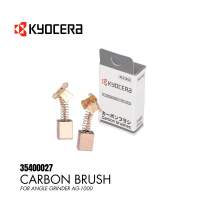
Kyocera Spare Parts - Carbon Brush (2pcs/set)
₱350.00
Buy on Lazada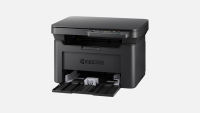
Kyocera MA2000W Laser Printer Print Scan and Copy Photocopier
₱11,200.00
Buy on LazadaKyocera MA2000 Laser Printer Print Scan and Copy Photocopier
₱9,900.00
Buy on Lazada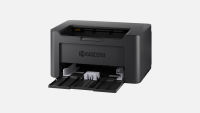
Kyocera PA2000 Monochrome Desktop Laser Printer
₱6,450.00
Buy on Lazada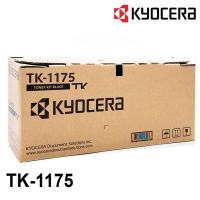
Kyocera TK-1175 Laser Jet Toner for M2540dnL / M2640idw
₱7,410.00
Buy on Lazada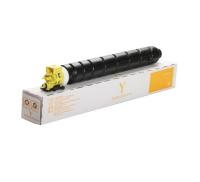
Kyocera TK-8349 toner cartridge TASKalfa 2552ci and 2553ci TK8349 TK 8349 TK-8349K TK-8349C TK-8349M TK-8349Y TK8349K TK8349C TK8349M TK8349Y
₱6,500.00
Buy on Lazada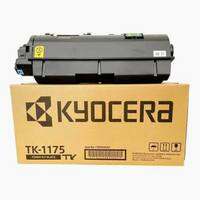
Original/Genuine Kyocera TK-1175 Toner Kit M2540dn M2640idw M2040
₱6,500.00
Buy on LazadaAbout Kyocera
Kyocera Corporation (Japanese: 京セラ株式会社, _Kyōsera Kabushiki-gaisha_) is a Japanese multinational manufacturer specializing in advanced ceramics, electronics, industrial components, document solutions, telecommunications equipment, and renewable energy technologies. Headquartered in Kyoto, Japan, Kyocera is one of the world’s leading producers of fine ceramic components and a major supplier of products for the automotive, semiconductor, electronics, healthcare, and office equipment industries. Founded in 1959, the company has grown into a global enterprise operating in more than 30 countries with tens of thousands of employees worldwide. [1]
Overview
| Category | Details |
|---|---|
| Company Name | KYOCERA Corporation |
| Native Name | 京セラ株式会社 |
| Founded | April 1, 1959 |
| Founder | Kazuo Inamori |
| Headquarters | Kyoto, Japan |
| Industry | Electronics, Advanced Ceramics, Industrial Manufacturing |
| Type | Public Company |
| Employees | Approximately 73,856 (2026) |
| Group Companies | 279 |
| Stock Exchange | Tokyo Stock Exchange |
| Global Presence | Operations across Asia, Europe, North America, South America, and Oceania |
History
Foundation (1959)
Kyocera was established on April 1, 1959 as Kyoto Ceramic Co., Ltd. by engineer Kazuo Inamori together with a small team of employees. The company started with capital of 3 million yen and just 28 employees, focusing on manufacturing fine ceramic components for television picture tubes. The company’s success came from developing high-performance industrial ceramics that offered excellent heat resistance, durability, and electrical insulation. These products quickly gained recognition in Japan’s growing electronics industry. [2]
Growth and International Expansion
During the 1960s and 1970s, Kyocera expanded rapidly by:
-
Opening manufacturing plants across Japan
-
Establishing overseas offices in the United States
-
Entering European markets
-
Developing ceramic technologies for industrial and electronic applications
In 1982, Kyoto Ceramic officially changed its corporate name to Kyocera Corporation, reflecting its evolution from a ceramics manufacturer into a diversified technology company. The modern corporate logo was introduced the same year. [3]
Modern Era
Today, Kyocera operates in numerous technology sectors including:
-
Semiconductor components
-
Electronic devices
-
Industrial machinery
-
Office equipment
-
Telecommunications
-
Renewable energy
-
Automotive components
-
Medical technologies
Annual consolidated revenue exceeds 2 trillion Japanese yen, making Kyocera one of Japan’s largest industrial technology companies. [4]
Meaning of the Name
The name Kyocera comes from the words:
-
Kyo → Kyoto
-
Cera → Ceramic
The company originally operated under the name Kyoto Ceramic Co., Ltd., and the shortened form “Kyocera” became its official corporate name in 1982. [5]
Business Segments
Kyocera operates through several major business divisions.
1. Core Components
Produces:
-
Fine ceramics
-
Semiconductor packages
-
Electronic substrates
-
Automotive ceramic parts
-
Industrial ceramic materials
These products are used in smartphones, automobiles, aerospace equipment, and semiconductor manufacturing. [6]
2. Electronic Components
Manufactures:
-
Capacitors
-
Connectors
-
Crystal devices
-
RF components
-
Sensors
Customers include major electronics manufacturers around the world. [7]
3. Document Solutions
Kyocera is internationally recognized for:
-
Laser printers
-
Multifunction printers (MFPs)
-
Photocopiers
-
Document management software
-
Enterprise printing solutions
Its printers are known for long-life components designed to reduce maintenance and waste. [8]
4. Industrial Tools
The company manufactures:
-
Cutting tools
-
Precision machining equipment
-
Diamond tools
-
Industrial machinery
These are widely used in automotive, aerospace, and metalworking industries. [9]
5. Communications
Kyocera has produced:
-
Mobile phones
-
Rugged smartphones
-
Wireless communication devices
-
Network equipment
The company is especially known in North America and Japan for durable phones designed for industrial and emergency-service use. [10]
6. Renewable Energy
Kyocera has invested heavily in:
-
Solar panels
-
Energy storage systems
-
Smart energy management
-
Sustainable technologies
The company has been involved in solar technology since the 1970s and remains active in renewable energy solutions. [11]
Major Products
Kyocera manufactures thousands of products, including:
-
Fine ceramics
-
Semiconductor packages
-
Electronic connectors
-
Capacitors
-
Crystal oscillators
-
Ceramic knives
-
Office printers
-
Multifunction copiers
-
Mobile phones
-
Industrial cutting tools
-
Solar panels
-
Automotive components
-
Medical devices
Brand Philosophy
Kyocera’s corporate philosophy is built around:
“To contribute to the advancement of society and humankind.”
Its brand emphasizes two guiding principles:
-
Do what’s right
-
Do what’s new
These principles reflect the company’s focus on ethical business practices, innovation, and long-term value creation. [13]
Logo
The Kyocera logo features:
-
A stylized “K”
-
A surrounding “C” representing “Ceramics”
Introduced in 1982, the design symbolizes the company’s origins in advanced ceramics while reflecting its broader technological identity. [14]
Global Presence
Kyocera serves customers in industries such as:
-
Consumer electronics
-
Automotive
-
Aerospace
-
Telecommunications
-
Medical devices
-
Renewable energy
-
Industrial manufacturing
-
Information technology
The company maintains manufacturing, research, sales, and support facilities across Japan, the United States, Europe, China, Southeast Asia, and other regions. [15]
Innovation
Kyocera is known for pioneering work in:
-
Fine ceramic engineering
-
Semiconductor packaging
-
Electronic materials
-
Precision manufacturing
-
Industrial ceramics
-
Renewable energy technologies
Its ceramic materials are valued for their resistance to heat, wear, and corrosion, making them essential in high-performance industrial and electronic applications. [16]
Corporate Culture
The management philosophy established by founder Kazuo Inamori emphasizes:
-
Respect for employees
-
Ethical leadership
-
Continuous improvement
-
Customer-first thinking
-
Long-term sustainable growth
These principles have significantly influenced Kyocera’s corporate culture and global reputation. [17]
Quick Facts
-
Founded in 1959 in Kyoto, Japan.
-
Started with 28 employees as a fine ceramics company.
-
Renamed from Kyoto Ceramic to Kyocera in 1982.
-
Operates 279 group companies worldwide.
-
Employs about 73,856 people (as of March 2026).
-
Annual consolidated revenue exceeds ¥2 trillion.
-
Known globally for advanced ceramics, electronic components, office document solutions, industrial tools, and renewable energy technologies. [18]