Shop on Lazada
Libbey products
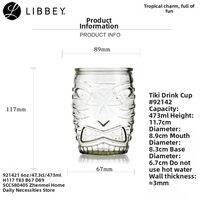
Libbey | Tiki Style Creative Pattern Cocktail Glass 473ml
₱226.30
Buy on Lazada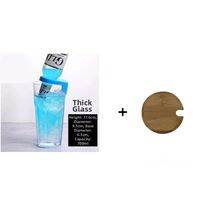
Heat Resistant Glass Cup 500ml
₱424.00
Buy on Lazada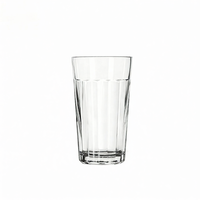
Libbey | Striped Glass Cup
₱265.00₱277.00
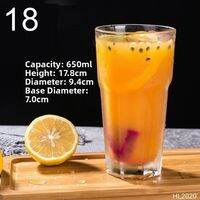
Thickened Octagonal Glass Cup Large Capacity
₱376.00
Buy on Lazada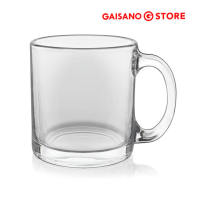
Libbey Robusta Mug4pc Set 13oz/384ml
₱690.00
Buy on Lazada
Creative Blue Round Beverage Glass
₱234.00₱325.00
About Libbey
Overview
Libbey is an American glassware and tabletop brand with origins tracing back to 1818. Originally established as the New England Glass Company in East Cambridge, Massachusetts, the business became closely identified with Toledo, Ohio, after Edward Drummond Libbey relocated operations there in 1888. The company adopted the name Libbey Glass Company in 1892.1
Today, Libbey is widely recognised for its drinking glasses, stemware, barware, serveware, bakeware and other tabletop products, catering to both household consumers and foodservice professionals. Rather than positioning itself solely as a glass manufacturer, the company describes its role as that of a worldwide “total tabletop” provider.1
Quick Facts
| Category | Information |
|---|---|
| Brand | Libbey |
| Origin | United States |
| Roots founded | 1818 |
| Original company | New England Glass Company |
| Major historic location | Toledo, Ohio |
| Libbey name adopted | 1892 |
| Industry | Glassware & Tabletop |
| Main products | Drinkware, stemware, barware, serveware, bakeware, dinnerware and related tabletop products |
| Markets | Consumer/home and foodservice |
| Positioning | Functional, durable and design-oriented tabletop products |
| Known for | Glassmaking innovation, mass-produced glassware and extensive drinkware collections |
| Current portfolio | Libbey plus several regional and partner brands |
History
1818: The Beginning
The heritage of Libbey began with the founding of the New England Glass Company in East Cambridge, Massachusetts, in 1818. This origin gives the brand a history spanning more than two centuries.1
During its early years, the business operated within America’s developing glass industry, manufacturing products at a time when glassmaking remained a relatively labour-intensive craft.
1888: Relocation to Toledo
A pivotal moment occurred in 1888 when Edward Drummond Libbey moved the company from Massachusetts to Toledo, Ohio. Toledo provided significant advantages for glass production, including access to natural gas, high-quality sand and robust transportation infrastructure via railroads and waterways.1
This relocation helped establish Toledo as a major centre for American glass manufacturing, eventually earning the city the nickname “The Glass City.”
1892: Adoption of the Libbey Name
In 1892, the business was renamed The Libbey Glass Company. This change marked the beginning of the corporate identity that would later achieve international recognition.1
1893: World’s Columbian Exposition
Libbey achieved a significant branding milestone at the 1893 World’s Columbian Exposition in Chicago. The company constructed a model glass factory at the exhibition to demonstrate glassmaking techniques to the public. Libbey also gained fame for elaborate glass creations, helping to cement its reputation across the United States.1
This era was notable for the simultaneous development of two distinct brand identities:
- Industrial innovator: Utilising technology to manufacture glass more efficiently.
- Design-oriented glassmaker: Producing decorative and high-end glassware.
Glassmaking Innovation
One of Libbey’s most significant contributions to the industry was its role in the mechanisation and automation of glass production.
The company was associated with key manufacturing developments, including the automated production of light bulbs, bottles and tableware. Historical records link these advancements to figures such as Michael Owens, whose work helped transform glassmaking from a manual craft into a highly automated industrial process.
Libbey highlights several historical achievements in its corporate narrative, including:
- Automatic production of lightbulbs
- Machine-blown glass
- One-piece press-and-blow stemware
- Development of specialised glassmaking processes
This technological heritage distinguishes Libbey from standard glassware labels.
Transition to Tabletop Solutions
Over time, Libbey shifted its focus increasingly towards tabletop products. Rather than concentrating exclusively on glass as an industrial material, the company developed products specifically for:
- Homes
- Restaurants
- Hotels
- Bars
- Cafés
- Catering services
- Hospitality venues
- Professional foodservice operations
Consequently, the modern company positions itself as a tabletop solutions provider, offering categories that extend beyond drinking glasses to include dinnerware, flatware and serving products.
Product Categories
Drinkware
Drinkware remains central to the Libbey identity. Collections available through its retail channels include:2
- Tumblers
- Highball glasses
- Rocks/old-fashioned glasses
- Juice glasses
- Beer glasses
- Water glasses
- Pitchers
- Specialty drinking glasses
Stemware
Libbey produces a wide range of stemmed glassware, including:2
- Wine glasses
- Champagne glasses
- Coupes
- Martini glasses
- Cocktail stemware
- Specialty tasting glasses
Lines such as the Signature collection feature premium stemware and cocktail/spirits products.
Barware and Cocktail Glasses
The brand maintains a strong presence in bar and cocktail glassware, with designs tailored for:
- Margaritas
- Martinis
- Whiskey and bourbon
- Cocktails
- Beer
- Spirits
- Tiki drinks
This range ensures relevance for both household use and professional bartending environments.
Serveware
Products intended for entertaining and serving include:1
- Pitchers
- Serving glasses
- Bowls
- Cake stands
- Other tabletop accessories
Bakeware
The modern portfolio extends into bakeware, particularly through its broader tabletop offerings and Latin American brand portfolio.
Brand Philosophy
Libbey’s contemporary positioning focuses on facilitating memorable experiences centred on food, drinks and entertaining. Corporate messaging describes its products as being designed for:
“the makers of drinks, the makers of meals and the makers of memories.”
The brand emphasises a balance of beauty, durability, functionality and innovation. Rather than positioning itself primarily as an ultra-luxury manufacturer, Libbey’s core appeal lies in combining good design, practical functionality, durability, accessible pricing and professional heritage.
Market Segments
Consumer Market
For households, Libbey has historically been strong in everyday glassware. Products are designed for repeated daily use rather than serving solely as decorative items. Current consumer offerings encompass extensive collections of tumblers, wine glasses, cocktail glasses, pitchers and specialty glasses.2
The company’s online store lists more than 250 products under the Libbey collection, demonstrating the breadth of its consumer range.
Foodservice and Hospitality
A substantial portion of the business serves the foodservice sector. Restaurants, bars, hotels and hospitality venues require glassware capable of withstanding:
- Frequent washing
- Heavy daily use
- Commercial handling
- Repeated service cycles
- Storage and stacking
- Breakage risks
Libbey markets specific products for these professional environments, describing its foodservice operation as providing tabletop solutions aligned with menu requirements and professional service standards. This professional heritage contributes to the brand’s common association with restaurants and bars.
Signature Collection
The Signature Collection represents one of Libbey’s higher-end product lines. Positioned as American-made luxury glassware, it utilises the ClearFire glassmaking process. According to product information, this collection is lead-free and BPA-free, emphasising clarity, brightness and resilience.
This line illustrates Libbey’s strategy of maintaining a large mainstream business while simultaneously offering premium glassware options.
Global Brand Portfolio
Libbey operates as part of a broader global family that includes brands such as Crisa, alongside other regional and partner brands. Acquisitions of businesses including World Tableware, Syracuse Tableware, Crisa and Crisal, as well as partnerships with European brands, have expanded the portfolio beyond glassware into wider tabletop categories.1
Brands associated with the current portfolio include:
- Libbey
- Reserve by Libbey
- Crisa
- Royal Leerdam
- Syracuse
- World Tableware
- Santa Elenita
- Pyrorey
- Various European partner brands
The specific portfolio composition varies by market and over time.
Manufacturing and Origin
It is important to note that not every Libbey product is manufactured in the United States. The company maintains an international manufacturing and supply footprint. However, Libbey continues to produce a substantial range of products domestically and actively markets certain collections as American-made, with dedicated “Made in USA” selections available in its shop.21
Libbey is best described as an American-founded and American-branded glassware company with a global manufacturing and market presence.
Corporate History
The corporate history of Libbey is distinct from that of the consumer brand. Libbey became a publicly traded company in 1993, with shares trading under the ticker LBY.1 The company subsequently expanded through acquisitions to build a broad international tabletop portfolio.
2020 Bankruptcy
A significant event in recent corporate history occurred during the COVID-19 pandemic. In 2020, Libbey entered Chapter 11 bankruptcy protection as the pandemic severely impacted restaurants, bars and other foodservice clients. The company emerged from Chapter 11 in October 2020.3
This financial restructuring should be distinguished from the brand’s long operational history; the Libbey brand survived and continues to be marketed as a longstanding American glassware name.
Design Identity
Libbey’s design language is notably broad due to its dual focus on everyday consumers and professional foodservice. Collections range from simple clear, straight-sided tumblers to highly decorative items such as:2
- Tiki glasses
- Vintage-inspired drinkware
- Coloured glass
- Patterned tumblers
- Specialty cocktail glasses
- Premium stemware
Rather than adhering to a single aesthetic, the brand identity is built around functional glassware offered in a wide variety of shapes and styles.
Significance
Libbey’s importance in the industry stems from several factors:
- Exceptional longevity: With origins in 1818, Libbey belongs to a select group of American manufacturing names with a history exceeding two centuries.
- Industrial innovation: The company played a key role in the transition from artisanal glassmaking to automated mass production.
- Democratisation of glassware: Industrial production enabled attractive glass products to become accessible to ordinary households, rather than remaining exclusive to wealthy customers.
- Professional adoption: Deep establishment in restaurants, bars and hospitality sectors has provided credibility beyond the consumer retail market.
- Broad product range: Evolution from a glass manufacturer into a complete tabletop supplier covering numerous categories beyond drinking glasses.
Market Positioning
Libbey occupies a position between mass-market household glassware and high-end crystal/luxury glassware.
| Segment | Typical Positioning |
|---|---|
| Low-cost generic glassware | Primarily price-driven |
| Libbey | Accessible design + durability + heritage |
| Premium Libbey/Signature | Higher-end performance and design |
| Luxury crystal brands | Craftsmanship, prestige and luxury |
The brand leverages industrial-scale manufacturing expertise to create products that retain a stylish and premium feel without the exclusivity of luxury crystal.
Comparison with Crystal Brands
Libbey should not be conflated with traditional European crystal houses. Its historical strength lies in glassmaking at scale, particularly durable everyday and foodservice glassware. While some collections are premium, the overall brand focuses on functional glassware for everyday and professional use rather than luxury crystal as a status symbol. This distinction is relevant when comparing Libbey with manufacturers such as Waterford or Baccarat.
Brand Strengths
Key strengths of the Libbey brand include:
- Over 200 years of glassmaking heritage
- Strong American manufacturing history
- Deep expertise in industrial glass production
- Extensive product selection
- Significant presence in foodservice
- Large consumer-market footprint
- Broad range of designs
- Availability of premium collections alongside everyday products
- Strong association with durability and practicality
- Global distribution and diverse brand portfolio
Considerations
Consumers and buyers should be aware of the following:
- Product origin varies: The Libbey name does not guarantee that every item was made in the USA.21
- Quality tiers: Products span different price and quality levels.
- Brand positioning: The identity is primarily functional and accessible rather than narrowly luxurious.
- Corporate complexity: The current brand should not be confused with every historical corporate entity that has owned or operated Libbey businesses.
Libbey Today
As of 2026, Libbey presents itself as a global tabletop company with more than two centuries of glassmaking heritage. Its strategy combines historical glass expertise with a broader range of tabletop products and brands.1
The consumer business continues to offer hundreds of products, while the foodservice division targets professional users requiring attractive and durable tabletop solutions.1 The company’s philosophy can be summarised as a combination of heritage, innovation, durability, design and everyday usability.