Shop on Lazada
LION products
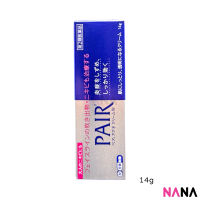
LION (JAPAN) PAIR Acne Cream W 14g Antibacterial Acne Face Cream
₱390.00₱530.00
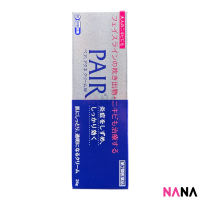
LION (JAPAN) PAIR Acne Cream W 24g Antibacterial Acne Face Cream
₱520.00₱600.00
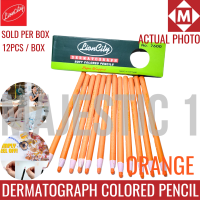
Lion City Dermatograph Pencil 1Dozen (12 Pieces/box)
₱189.00
Buy on Lazada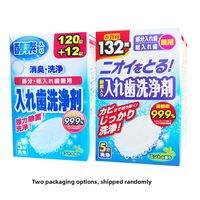
LION | Antibacterial Denture Cleansing Tablets
₱541.00₱1,118.00
LION (JAPAN) PAIR Acne Cream W 24g Antibacterial Acne Face Cream
₱490.00₱650.00
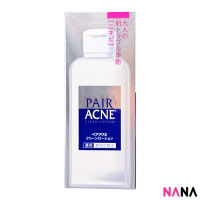
Lion Pair Acne Clean Lotion 160ml
₱870.00₱1,120.00
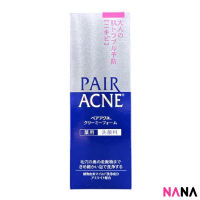
Lion Pair Acne Creamy Foam Facial Washing Foam 80g
₱590.00₱700.00
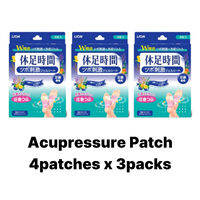
LION Cooling and Acupressure Foot Patch 2types - Gel Pad for FeetLeg and Scalp Hydrogel Foot Mask
₱990.00₱1,950.00
About LION
Lion Corporation (Japanese: ライオン株式会社, Raion Kabushiki-gaisha) is a major Japanese manufacturer of consumer goods, best known for its oral-care products, detergents, household cleaners, personal-care items, and over-the-counter pharmaceuticals. Headquartered in Kuramae, Taito-ku, Tokyo, Japan, the company has evolved from a small soap and toothpowder business established in 1891 into a multinational group with operations and affiliates throughout Asia.1
The company’s current corporate purpose is “Make a difference in everyday lives by redesigning habits (ReDesign),” which reflects its long-standing focus on improving daily routines such as brushing teeth, washing hands, doing laundry, and maintaining household cleanliness.1
Company Profile
| Category | Information |
|---|---|
| Company | Lion Corporation |
| Japanese name | ライオン株式会社 |
| Industry | Consumer goods, personal care, household products, pharmaceuticals |
| Founded | October 30, 1891 |
| Established as a corporation | September 1918 |
| Headquarters | Kuramae, Taito-ku, Tokyo, Japan |
| President | Masayuki Takemori |
| Capital | ¥34.4 billion (as of December 2025) |
| Employees | 8,346 consolidated (as of December 31, 2025) |
| FY2025 consolidated net sales | ¥422 billion |
| Main markets | Japan and other Asian markets |
| Corporate purpose | “Make a difference in everyday lives by redesigning habits” |
Figures are derived from Lion Corporation’s FY2025 reporting and current corporate information.1
History
Lion traces its origins to 1891, when entrepreneur Tomijiro Kobayashi founded T. Kobayashi & Co. in Kanda, Tokyo. The original enterprise traded in soap and raw materials for matches.1
The company’s early growth was closely tied to hygiene and oral care. It began selling beauty and laundry soaps in 1893, and in 1896 introduced Lion Toothpowder, a product line that eventually became one of the foundations of the modern corporation.1
A significant milestone occurred in 1911 with the launch of Lion Dental Cream, described by the company as Japan’s first toothpaste packaged in a tube. Two years later, it introduced Lion Kodomo Toothpaste specifically for children.1
Diversification into Consumer Goods
During the first half of the 20th century, Lion expanded beyond oral care into soaps, laundry products, and household cleaning. In 1919, the soap division became Lion Soap Co., Ltd., while the toothpaste business developed separately as Lion Dentifrice. These two entities eventually formed the core components of today’s Lion Corporation.1
Notable historical product launches include:
- Lion Toothpowder (1896)
- Lion Dental Cream (1911)
- Lion Kodomo Toothpaste (1913)
- Lion Laundry Soap (1920)
- Lipon F (1956): Kitchen detergent for fruits, vegetables, and tableware
- Dash (1967): Laundry detergent using alpha-olefin sulfonate
- TOP (1979)
- Clinica Lion (1981)
- KireiKirei (1997)
- TOP NANOX (2010)
- NANOX one (2023)1
Formation of Modern Lion Corporation
In 1980, Lion Dentifrice Co., Ltd. and Lion Fat and Oil Co., Ltd. merged to create the current Lion Corporation. This consolidation brought the company’s major business fields—oral care, detergents, household products, and personal care—under a single corporate organization.1
Throughout the 1980s and 1990s, Lion diversified its portfolio to include oral hygiene, laundry, dishwashing, hair care, body care, deodorants, household cleaning, and pharmaceuticals. During this period, the company also expanded internationally, particularly across Asia.1
International Expansion
While fundamentally a Japanese company, Lion maintains a significant presence in Asian markets. One of its earliest overseas ventures was Lion Dentifrice (Malaysia) Sdn. Bhd., established in 1960. The group subsequently expanded into other territories.1
Today, Lion operates businesses, subsidiaries, and joint ventures in Japan, Thailand, South Korea, Malaysia, Indonesia, Philippines, Vietnam, China, Bangladesh, and other Asian markets. Its international strategy has historically emphasized adapting products to local consumer needs rather than simply exporting Japanese formulations.1
LION in the Philippines
Lion Corporation lists the Philippines among its key overseas markets where it operates businesses and affiliates. As with other international territories, products available in the Philippine market may differ in formulation, packaging, or branding from those sold in Japan to suit local preferences and regulatory requirements.1
Main Businesses
Lion’s operations are broadly divided into consumer products, industrial products, and overseas business. According to its FY2025 profile, consolidated net sales were approximately ¥422 billion, distributed as follows:1
- Consumer Products: 53%
- Industrial Products: 9%
- Overseas: 38%
Consumer Products Segment
The consumer products business encompasses several categories:
- Oral Healthcare: Toothpaste, toothbrushes, mouthwash, and related oral-care items.
- Beauty Care: Body soap, hair-care products, deodorants, and personal-care items.
- Fabric Care: Laundry detergents, fabric-care products, and specialized laundry solutions.
- Living Care: Dishwashing products, household cleaners, and daily-use household items.
- Pharmaceuticals: Over-the-counter medicines, eye-care products, and health-related items.
In FY2025, the consumer-products sales mix was approximately 32% oral healthcare, 25% fabric care, 11% beauty care, 11% pharmaceuticals, and 9% living care, with other products comprising the remainder.1
Major Brands
Lion owns and operates an extensive portfolio of brands, which often varies by country due to localization. Key global and regional brands include:
Oral Care
- Clinica: A preventive dental care brand covering toothpaste, toothbrushes, and related products.
- Systema: An oral-care range focused on gum and periodontal care, particularly toothbrushes.
- NONIO: A brand emphasizing breath care and daily oral hygiene.
- Kodomo: A children’s oral-care brand with roots in Lion’s early pediatric toothpaste products.
- OCH-TUNE: Introduced in 2024, this concept offers toothpaste, toothbrushes, and mouthwash organized around personal styles such as “FAST” and “SLOW.”1
Laundry and Fabric Care
- NANOX: A concentrated liquid detergent family and one of Lion’s most recognized laundry brands.
- TOP: A historic laundry detergent brand dating back to 1979.
- Acron: A detergent range designed for delicate clothing, with an updated line launched in 2026.1
Household Cleaning
- CHARMY: A major dishwashing detergent family.
- Magica: Dishwashing products emphasizing grease removal and cleaning performance.
- LOOK: Household cleaning brand covering bathroom and toilet cleaners.
Personal Care
- KireiKirei: A hand-washing and hygiene brand introduced in 1997 with medicated hand soap.1
- Ban: A long-standing deodorant and antiperspirant brand.
- hadakara: A body soap featuring moisturizing technology.
Healthcare
Lion develops and markets pharmaceutical and health-related products. Notably, it launched BUFFERIN in Japan in 1963, which remains one of the company’s best-known historical healthcare brands.1
Research and Development
Research and development is central to Lion’s positioning as a company that seeks to change everyday behavior through science and product design. R&D efforts span oral health, surfactants and detergency, skin care, hygiene, pharmaceuticals, household cleaning, and environmental performance.1
The company combines consumer research with fundamental technological development. Historically, Lion has aligned product innovation with shifts in consumer habits; for example, its oral-care business has been linked to dental education and preventive dentistry since the early 20th century.1
Oral Health Heritage
Oral healthcare is integral to Lion’s historical identity rather than merely one product category among many. Since its beginnings in soap and toothpowder, the company has undertaken numerous initiatives to promote dental hygiene, including:1
- Introduction of children’s toothpaste in 1913
- Establishment of a children’s dental clinic in 1921
- Public oral-hygiene lectures and mass tooth-brushing activities for children
- Dental-health education programs for mothers and children
- Development of fluoride-containing toothpaste
- Preventive-dentistry products such as Clinica and Systema
These efforts have contributed to Lion’s enduring brand association with health, hygiene, and daily habits.1
Environmental and Sustainability Efforts
Lion has addressed environmental issues systematically since the 1970s. In 1973, it developed Seseragi, a phosphate-free detergent, ahead of prevailing industry trends. Subsequent initiatives have included biodegradable surfactants, plant-derived raw materials, concentrated detergents, reduced packaging, water and energy efficiency improvements, toothbrush recycling, environmental labeling, and sustainable manufacturing practices.1
By 2001, all Lion factories had received ISO 14001 environmental-management certification. The company launched its ECO LION Declaration in 2006 and established environmental criteria known as the Lion Eco Standards.1
Corporate Philosophy
Lion’s philosophy stems from founder Tomijiro Kobayashi’s principle of contributing to society through business, described as “working for the benefit of people and society.” This ethos continues to influence the company’s approach to products, education, and sustainability.1
Its current purpose, “Make a difference in everyday lives by redesigning habits,” is referred to internally as “ReDesign.” Rather than simply selling commodities, Lion aims to make everyday behaviors healthier, easier, cleaner, and more sustainable.1
Brand Identity
While the name LION provides distinctive visual recognition, the brand is positioned around everyday usefulness and health rather than luxury or status. Key themes in the company’s identity include:1
- Health: Particularly oral and personal health
- Cleanliness: Laundry, dishwashing, and household hygiene
- Science: R&D-driven product development
- Everyday Habits: Encouraging better daily routines
- Family: Evident in children’s and household products
- Sustainability: Reducing environmental impact while maintaining performance
This combination enables Lion to operate across diverse product categories that might otherwise appear unrelated.1
Market Position
In Japan, Lion is a leading household and personal-care manufacturer, competing with companies such as Kao, Unicharm, P&G Japan, and other domestic and international firms. Its competitive strength derives partly from portfolio breadth; consumers may encounter Lion products across multiple daily touchpoints, from oral care and bathing to laundry, dishwashing, and healthcare. This ubiquity underpins the company’s modern “everyday habits” positioning.1
Corporate Scale
As of December 2025, Lion reported 8,346 consolidated employees, ¥34.4 billion in capital, and ¥422 billion in consolidated net sales. The company operates 12 domestic offices, research centers, and plants, along with eight domestic affiliates. Overseas operations account for a substantial portion of group sales, reflecting the company’s evolution beyond its original toothpaste-and-soap identity.1
Recent Developments
Lion continues to develop products centered on health, cleanliness, convenience, and sustainability. Recent introductions include OCH-TUNE oral-care products (2024), NANOX one concentrated laundry detergent, new LOOK toilet-cleaning products, updated Acron formulations, and new CHARMY dishwashing products.1
In 2026, Lion announced plans for a new pharmaceutical-products plant at a consolidated subsidiary in Vietnam, illustrating ongoing expansion of its Asian manufacturing and healthcare capabilities.1
Regional Product Variations
The LION brand does not represent an identical product portfolio in every country. While the parent company is Lion Corporation of Japan, individual markets have local subsidiaries, joint ventures, and localized formulations. Consequently, a LION toothpaste, detergent, or personal-care product sold in the Philippines or other Asian markets may differ in formulation, packaging, branding, or distribution from its Japanese counterpart.1
Timeline
| Year | Milestone |
|---|---|
| 1891 | Tomijiro Kobayashi establishes T. Kobayashi & Co. |
| 1893 | Soap products launched |
| 1896 | Lion Toothpowder launched |
| 1911 | Lion Dental Cream introduced |
| 1913 | Children’s toothpaste introduced |
| 1919 | Lion Soap established |
| 1920 | Plant-derived Lion Laundry Soap launched |
| 1921 | Children’s dental clinic established |
| 1956 | Lipon F kitchen detergent launched |
| 1960 | First post-war overseas venture in Malaysia |
| 1963 | BUFFERIN launched |
| 1966 | Lion establishes Thai business |
| 1967 | Dash laundry detergent launched |
| 1973 | Phosphate-free Seseragi detergent launched |
| 1979 | TOP laundry detergent launched |
| 1980 | Lion Dentifrice and Lion Fat and Oil merge to form Lion Corporation |
| 1981 | Clinica Lion launched |
| 1997 | KireiKirei launched |
| 2010 | TOP NANOX launched |
| 2015 | Toothbrush recycling program established |
| 2016 | TOP SUPER NANOX launched |
| 2023 | NANOX one launched |
| 2024 | OCH-TUNE oral-care range launched |
| 2025 | LOOK Plus Whole Toilet Antibacterial & Deodorizing Fogger launched |
| 2026 | Further expansion of Acron, CHARMY, and pharmaceutical operations |