Shop on Lazada
Little Trees products
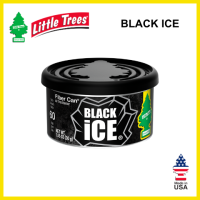
Little Trees Fiber Can Air Freshener Black Ice 1.05 oz (30g) 1-PC
₱199.00
Buy on Lazada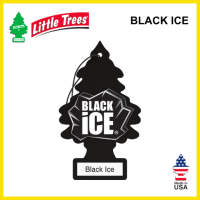
Little Trees Air Freshener Black Ice 1-PC
₱69.00
Buy on Lazada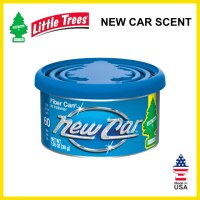
Little Trees Fiber Can Air Freshener New Car Scent 1.05 oz (30g) 1-PC
₱199.00
Buy on Lazada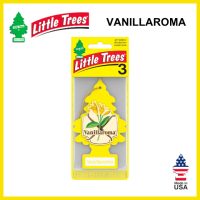
Little Trees Air Freshener Vanillaroma 3-PC
₱189.00
Buy on Lazada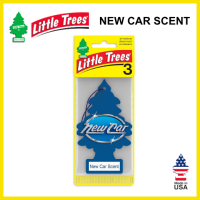
Little Trees Air Freshener New Car Scent 3-PC
₱189.00
Buy on Lazada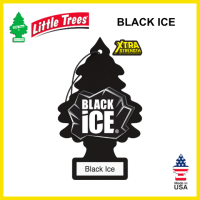
Little Trees X-Tra Strength Air Freshener Black Ice 1-PC
₱109.00
Buy on Lazada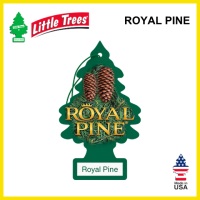
Little Trees Air Freshener Royal Pine 1-PC
₱69.00
Buy on Lazada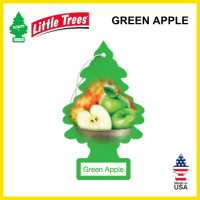
Little Trees Air Freshener Green Apple 1-PC
₱69.00
Buy on LazadaAbout Little Trees
Little Trees is an American brand of disposable air fresheners best known for its distinctive tree-shaped fragrance products, traditionally hung from a vehicle’s rear-view mirror. The brand is manufactured by CAR-FRESHNER Corporation, headquartered in Watertown, New York, United States. The product was invented in 1952 by Julius Sämann and has since become one of the most recognizable automotive air-freshener designs in the world.1
The signature Little Trees product consists of a scented, absorbent material cut into the shape of a stylized evergreen tree. Although originally designed for automobiles, the products are also marketed for use in other small spaces, including homes, garages, bathrooms, laundry rooms, and areas affected by odors.1
History
Origins
The story of Little Trees began in 1952 in Watertown, New York. According to the company, a milk-truck driver complained to Julius Sämann about the persistent smell of spilled milk in his vehicle. Sämann, who had previously spent years extracting aromatic oils in the pine forests of Canada, began experimenting with fragrances and a specialized absorbent material.1
Sämann developed a scented material that could gradually release fragrance and gave it the shape of an abstract evergreen tree. The design was inspired by his experience with Canada’s pine forests. The original product was introduced under the CAR-FRESHNER name and became the foundation for what would eventually become the Little Trees brand.1
The earliest fragrances included Royal Pine, Spice, and Bouquet. Royal Pine in particular reflected Sämann’s background with pine-tree aromas and remains one of the brand’s classic fragrances more than seven decades later.1
Early growth
The tree-shaped air freshener proved relatively simple to manufacture, distribute, and use. Products began selling throughout the United States before gaining an international following. The distinctive shape also became an important part of the product’s identity: consumers could recognize the product even without seeing its name.1
Over the following decades, Little Trees expanded beyond its original fragrances and developed a much larger fragrance portfolio. The company eventually introduced scents such as Vanillaroma, New Car Scent, Caribbean Colada, and Black Ice, among many others.1
The Little Trees design
The most important characteristic of Little Trees is its stylized evergreen-tree silhouette.
The design serves several purposes:
- It visually communicates the product’s connection with freshness and nature.
- It makes the product immediately recognizable.
- It provides a compact shape suitable for hanging inside vehicles.
- It has become closely associated with the Little Trees identity itself.
The tree is generally made from a specialized absorbent material containing fragrance. The product is packaged so that fragrance is gradually released when the Tree is exposed to air. The current company describes its Trees as being printed on premium specialty paper and protected by a special film that helps retain the fragrance before use.1
The standard Tree is designed to be slowly pulled from its packaging, with the company stating that the fragrance can last up to seven weeks when used according to its instructions.1
Products
Although the original hanging Tree remains the brand’s best-known product, Little Trees has expanded into several forms of air freshening.
The current product categories include:
- Tree — the classic hanging, tree-shaped air freshener.
- Xtra Strength — a stronger version of the traditional fragrance format.
- Vent Wrap — designed to attach to vehicle air vents.
- Fiber Can — a container-based fragrance product.
- Spray — fragrance delivered as an aerosol or spray format.1
This expansion has allowed the brand to move beyond the traditional rear-view-mirror air freshener while retaining its recognizable fragrances and visual identity.
Fragrances
Fragrance variety is a major part of the Little Trees brand. The company currently offers more than 40 fragrances across its product range.1
Some of its better-known fragrances include:
- Black Ice
- Royal Pine
- Vanillaroma
- New Car Scent
- Caribbean Colada
- Bayside Breeze
- Wild Cherry
- Coconut
- Lavender
- Green Apple
- Cotton Candy
- Leather
- Cinnamon Apple
- Fresh Shave
The range spans several fragrance categories, including woody, fruity, sweet, tropical, clean, and traditionally automotive scents.
Black Ice
Black Ice is one of the most strongly associated fragrances with the modern Little Trees brand. It was introduced in 2004, and has become an important commercial product within the company’s portfolio. Court records concerning CAR-FRESHNER’s products indicate that Black Ice products generated substantial U.S. sales during the 2010s.
Manufacturing
Little Trees products are manufactured in the United States. The company states that its Trees are produced at facilities in Watertown, New York, and DeWitt, Iowa.1
The brand emphasizes quality control and fragrance testing. According to the company, fragrances are developed with fragrance-industry partners and are designed to comply with applicable International Fragrance Association (IFRA) guidelines as well as the company’s internal safety standards.1
International presence
Little Trees has a significant international presence, although the products are not always sold under the Little Trees name.
In different European markets, the same basic family of products has historically been marketed under names including:
- WUNDER-BAUM
- ARBRE MAGIQUE
The different regional names reflect the company’s international licensing and distribution structure while retaining the recognizable tree concept.1
Thus, the familiar hanging tree is essentially a global product concept that appears under different brand names depending on the market.
Corporate ownership and trademarks
The company behind the product is CAR-FRESHNER Corporation, while the company’s official website states that LITTLE TREES, CAR-FRESHNER, and the Tree design are trademarks of Julius Sämann Ltd.1
This distinction is important because “Little Trees” is both the name of the consumer-facing brand and part of a broader intellectual-property portfolio associated with the Sämann business.
The company is known for actively protecting its trademarks, particularly the distinctive tree shape and associated branding. The Tree design has therefore become not merely a product shape but a significant part of the company’s intellectual property.1
Brand identity
Little Trees has an unusually strong visual identity for an air-freshener company. Its branding is built around three immediately recognizable elements:
The tree shape — the most important visual identifier.
The hanging format — strongly associated with automobile interiors and rear-view mirrors.
The fragrance name and color — different fragrances are represented through distinctive colors, graphics, and names.
This combination has made Little Trees recognizable even when the product is seen from a distance.
The company itself describes the Tree as a symbol of freshness and notes that its products have appeared in numerous movies and television programs.1
Cultural significance
Little Trees occupies an unusual position in popular culture because its product has become recognizable beyond its practical purpose.
The hanging tree has become strongly associated with cars, driving, road culture, and automotive interiors. Its distinctive silhouette has appeared in films, television programs, advertising, art, and other forms of popular culture. The brand itself notes that Little Trees have appeared in countless movies and television shows.1
The product is also an example of how a simple industrial object can become a recognizable cultural symbol. Rather than continually redesigning the basic product, the company has maintained the fundamental tree shape for decades while changing fragrances, colors, packaging, and product formats.
Significance of the brand
Little Trees is notable for several reasons:
- Early innovation — it helped establish the modern automotive air-freshener category in 1952.1
- Distinctive design — the evergreen-tree silhouette is instantly recognizable.
- Longevity — the basic product concept has remained commercially successful for more than 70 years.
- International reach — the products are sold or licensed under different names in markets around the world.1
- Strong brand recognition — the tree itself functions almost like a logo.
- Product diversification — the company has expanded from hanging Trees into vent, container, and spray formats.1
Timeline
| Year | Event |
|---|---|
| 1952 | Julius Sämann develops the first Little Trees-style automotive air freshener in Watertown, New York.1 |
| 1950s onward | The tree-shaped air freshener expands throughout the United States and begins developing an international following. |
| Later decades | The fragrance portfolio expands beyond the original Royal Pine, Spice, and Bouquet.1 |
| 1980s | Vanillaroma becomes an important fragrance in the company’s history.1 |
| 2004 | Black Ice is introduced. |
| 2013 | The company introduces the Bayside Breeze fragrance and launches the PERK brand.1 |
| 2015 | Various PERK products are moved into the Little Trees brand, incorporating fragrances such as Caribbean Colada into newer formats.1 |
| Today | Little Trees offers multiple air-freshening formats and more than 40 fragrances, with manufacturing in the United States.1 |
Summary
Little Trees is essentially the brand that popularized the iconic hanging car air freshener. Founded around Julius Sämann’s 1952 invention, the company transformed a simple fragrance-impregnated material into a highly recognizable consumer product by combining scent, distinctive design, affordability, and convenience.
What began with a complaint about the smell of spilled milk in a truck eventually developed into a globally recognized automotive-accessory brand. More than seven decades later, the small evergreen-shaped air freshener remains the company’s defining product, while the brand has expanded into numerous fragrances and modern air-freshening formats.1