Shop on Lazada
Lomography products
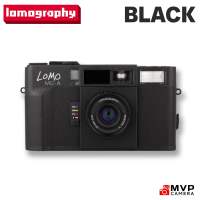
LOMOGRAPHY Lomo MC-A MCA 135 35mm Film Camera Black Silver MVP CAMERA
₱31,990.00
Buy on Lazada
LOMOGRAPHY Z35DEV Lomo Daylight Developing Tank for 135 35mm Negative Film MVP CAMERA
₱4,980.00
Buy on Lazada![[OFFICIAL PH] LOMOGRAPHY LC-A MINITAR-1 Art Lens Manual Pancake 32mm f2.8 Leica M MVP CAMERA](https://ph-live.slatic.net/p/3b1b0e29011c970041ec6a2eafe9c148.jpg_200x200q80.jpg)
[OFFICIAL PH] LOMOGRAPHY LC-A MINITAR-1 Art Lens Manual Pancake 32mm f2.8 Leica M MVP CAMERA
₱12,990.00
Buy on Lazada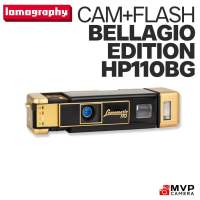
LOMOGRAPHY Lomomatic 110 Golden Gate Metal Bellagio Zebra Crossing Film HP110LM HP110COL MVP CAMERA
₱10,980.00
Buy on Lazada
LOMOGRAPHY LomoChrome LC Color ’92 135 35mm Sunkissed ISO 400 36EXP Color Negative C41 MVP CAMERA
₱920.00
Buy on Lazada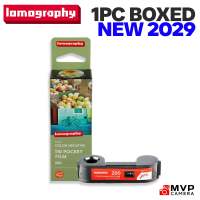
LOMOGRAPHY Color Tiger Negative Film 110 ISO 200 f110c1 C41 Process MVP CAMERA
₱668.00
Buy on Lazada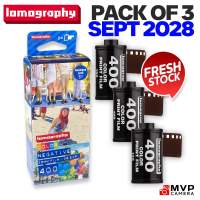
LOMOGRAPHY Color Negative 400 Film CN400 135 35mm ISO 400 f436c3 MVP CAMERA
₱3,280.00
Buy on Lazada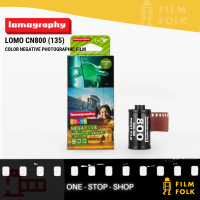
LOMO CN800 FILM (135) - COLORED PHOTOGRAPHIC FILM
₱1,200.00
Buy on LazadaAbout Lomography
Lomography is an Austrian photography brand and international analogue photography movement dedicated to creative, experimental, and unconventional approaches to film photography. The company manufactures analogue cameras, lenses, photographic films, and accessories, while also sustaining a global community of practitioners known as Lomographers.1
The brand derives its name from the Soviet-era LOMO LC-A camera (Lomo Kompakt Automat), a compact 35mm film camera originally produced by the Russian optical manufacturer LOMO PLC in Saint Petersburg. This camera became the cornerstone of the Lomography movement after being rediscovered by Austrian students in the early 1990s.12
History
Origins of the LOMO LC-A (1980s)
The origins of Lomography are rooted in the development of the LOMO LC-A within the Soviet Union. In 1982, engineers at LOMO PLC in Saint Petersburg designed a compact camera inspired by the Japanese Cosina CX-1/CX-2 series. Responding to a government directive for a durable and affordable camera for general consumers, they created the LOMO LC-A, which entered mass production in 1984.2
The LC-A featured a fixed 32mm f/2.8 Minitar-1 lens that became renowned for producing images characterised by:
- Strong colours
- High contrast
- Darkened corners (vignetting)
- Slight distortions
- Unexpected artistic effects
These optical traits later defined the core aesthetic of the Lomography movement.1
Discovery and Birth of the Lomography Movement (1991–1992)
Following the dissolution of the Soviet Union, production of the LC-A declined. In 1991, a group of Viennese students encountered used LC-A cameras during a visit to Prague. They photographed casually, often without careful composition, and were captivated by the unusual colours and spontaneous results.1
The students brought the camera back to Austria, where interest grew rapidly. In 1992, they established the Lomographic Society International (LSI) in Vienna, transforming a forgotten Soviet product into an international artistic movement.2
The movement advocated that photography should be:
- Spontaneous rather than technically perfect
- Experimental rather than controlled
- Personal rather than commercial
The Lomography Philosophy
Lomography developed around the concept of embracing imperfections in photography. Rather than correcting flaws, the movement celebrates them as creative assets.
The brand is closely associated with the “10 Golden Rules of Lomography”, which encourage photographers to:
- Carry a camera everywhere
- Shoot without overthinking
- Experiment with unusual angles
- Accept accidental results
- Capture everyday moments
This philosophy challenged traditional notions that quality photography required expensive equipment, precise composition, or technical perfection.1
Company Development
Following the success of the movement, the organisation evolved into a commercial entity known as Lomographische AG, now commonly branded as Lomography. Headquartered in Vienna, Austria, the company expanded beyond the original LC-A to create new cameras, films, and tools designed for creative experimentation.1
Cameras
LOMO LC-A+
Introduced in 2006, this model is a modern continuation of the original LC-A concept. It retains the classic compact design and signature photographic style while adding features such as multiple exposure capabilities.1
Diana Series
Based on inexpensive plastic cameras from the 1960s, the Diana line was revived by Lomography with models such as the Diana F+ and Diana Mini. These cameras emphasise dreamy images, soft focus, and light leaks.
Holga-inspired and Toy Cameras
Lomography played a significant role in reviving low-cost, experimental cameras often referred to as “toy cameras.”
Lomo’Instant
Entering the instant photography market, the Lomo’Instant series combines instant film with creative controls, including multiple exposures and interchangeable lenses.1
Film Production
Lomography produces a range of analogue photographic films, including:
- Color negative films
- Black-and-white films
- Slide films
- Experimental specialty films
Notable Lomography film stocks include:
- Color Negative 100
- Color Negative 400
- Lomochrome Purple
- Lomochrome Metropolis
- Berlin Kino
- Lady Grey Black & White
The company has been instrumental in supporting film photography throughout the digital era.
Product Design and Characteristics
Experimental Features
Many Lomography cameras incorporate:
- Multiple exposure modes
- Unusual lenses
- Wide-angle effects
- Light leaks
- Soft focus effects
- Plastic lens characteristics
Simple Operation
Unlike professional equipment, many Lomography cameras prioritise accessibility, allowing beginners to create distinctive images without extensive technical knowledge.
Artistic Imperfection
The brand intentionally embraces blur, grain, colour shifts, unexpected exposure, and optical imperfections. These qualities collectively form what is often described as the “Lomo look.”
Lomography and the Revival of Film Photography
During the rise of digital photography in the 2000s, Lomography emerged as a key driver of renewed interest in analogue photography. The brand contributed to the popularity of film photography communities, photo walks, camera collecting, experimental image-making, and alternative photographic processes. Through exhibitions, workshops, and online platforms, Lomography encouraged photographers worldwide to continue using film cameras.1
Lomography Community
A central pillar of the brand is the worldwide community of Lomographers. Activities include:
- Photo exhibitions
- Film photography competitions
- Workshops
- Camera launches
- International meetups
- Online photo sharing
The company also established Lomography Embassies, physical and cultural spaces where photographers could meet, display work, and learn about analogue photography.1
Relationship Between LOMO and Lomography
Although their names are linked, LOMO PLC and Lomography are distinct organisations:
- LOMO PLC: The original Russian optical manufacturer that created the LC-A camera.
- Lomography: The Austrian company and movement that popularised the LC-A internationally and developed the Lomography brand.12
While inspired by the LC-A, the Lomography brand has grown into an independent photography ecosystem.
Cultural Impact
Lomography influenced modern photography by shifting attitudes toward technical perfection. It helped popularise the idea that mistakes, accidents, and unpredictable results could serve as artistic strengths. The movement is frequently associated with retro aesthetics, DIY creativity, nostalgia for analogue processes, anti-perfectionist photography, and youth photography culture.
Legacy
Lomography remains one of the most recognisable names in analogue photography. Despite the dominance of digital cameras and smartphones in everyday imaging, the brand continues to promote film as a creative medium. Its legacy extends beyond hardware to the creation of a global community that views photography as an experiment, an adventure, and a form of personal expression.1
Quick Facts
| Category | Details |
|---|---|
| Brand name | Lomography |
| Founded | 1992 |
| Origin | Vienna, Austria |
| Industry | Photography / Imaging |
| Main products | Film cameras, lenses, film, accessories |
| Famous camera | LOMO LC-A |
| Founder movement | Lomographic Society International |
| Photography style | Experimental analogue photography |
| Headquarters | Vienna, Austria |
| Main philosophy | Creativity through imperfection |