Shop on Lazada
Loqi products
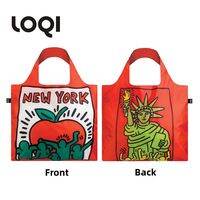
Loqi | Museum Artistic Design Eco-Friendly Bag
₱1,181.35
Buy on Lazada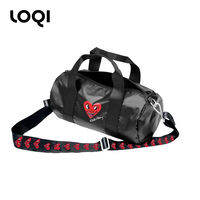
Loqi | Reflective Artist Collaboration Shopping Bag
₱2,559.63
Buy on Lazada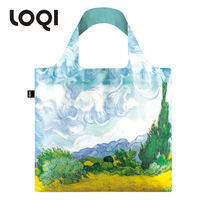
Loqi | Collapsible Large Capacity Shopping Bag
₱1,203.66
Buy on Lazada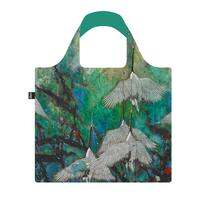
Loqi | Artistic Lightweight Folding Tote
₱1,167.75
Buy on Lazada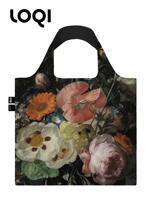
Loqi | Large Capacity Lightweight Shopping Bag
₱1,068.33
Buy on Lazada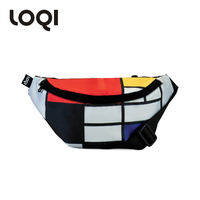
Loqi | Multi-purpose Foldable Crossbody Tote Bag
₱2,364.81
Buy on Lazada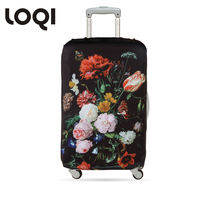
Loqi | Dustproof Waterproof Luggage Protective Cover
₱1,716.29₱3,270.97
Loqi | Dust Proof Waterproof Protective Luggage Cover
₱1,475.52₱2,786.56
About Loqi
Overview
Loqi is a Berlin-based design brand best known for its reusable, lightweight bags featuring artwork, graphic design, and cultural imagery. The company positions its products at the intersection of art, everyday utility, sustainability, and museum culture 1. Its collaborations include major museums, artists, cultural institutions, and commercial brands.
| Category | Information |
|---|---|
| Brand | Loqi |
| Founded | 2013 |
| Founder / CEO | Belinda Klaes |
| Base | Berlin, Germany |
| Industry | Fashion accessories, bags, design, lifestyle |
| Best known for | Reusable art-print bags |
| Core idea | Turning everyday bags into portable art |
| Main materials | Recycled textiles, including recycled polyester |
| Key markets | Museum retail, design stores, lifestyle, fashion and travel |
| Major collaborators | Artists, museums, cultural institutions and global brands |
| Notable museum relationships | Tate, Guggenheim, Van Gogh Museum, Louvre, MoMA, Getty and many others |
| Product categories | Bags, bumbags, weekender bags, laptop sleeves, zip pockets and children’s products |
| Headquarters / creative presence | Berlin |
The 2013 founding date and Belinda Klaes’s role are documented by IESE, while Loqi’s current site describes its Berlin creative operation and global museum network 1.
History
Loqi was founded in 2013 by Belinda Klaes, an Australian-born entrepreneur based in Germany. Klaes’s original concept was relatively simple: take an inexpensive, practical everyday object—a shopping or tote bag—and turn it into a canvas for art and design.
Rather than treating art merchandise as something confined to a museum gift shop, Loqi developed products that allowed artworks and graphic designs to travel into everyday life. This helped the company establish relationships with museums and galleries around the world.
According to IESE’s profile of Klaes, the company initially featured contemporary graphic designers and subsequently expanded its collaborations to major museums and collections, including institutions such as the Louvre, Guggenheim, and Van Gogh Museum.
Today, Loqi describes itself as a leading museum-bag brand and says it works with over 300 museums and cultural institutions 1.
Philosophy
The central philosophy of Loqi can be summarized as the belief that everyday objects can be vehicles for art. The company asks why a bag should be merely functional when it can simultaneously be a piece of design.
Loqi describes each bag as a kind of canvas or platform for ideas, using collaborations with artists and cultural institutions to make art accessible outside traditional gallery spaces 1.
This gives Loqi a distinctive position between several industries:
- Art — reproducing and interpreting artworks.
- Museum culture — producing official merchandise and collaborations.
- Fashion — using prints, colors, patterns, and seasonal collections.
- Product design — emphasizing lightweight, functional products.
- Sustainability — promoting reusable bags and recycled materials.
- Licensing and collaboration — working with artists, brands, and institutions.
Products
Loqi is primarily associated with its foldable and reusable bags, but its product range has expanded considerably.
Current categories include:
- Recycled shopping/tote bags
- Bumbags
- Weekender bags
- Laptop sleeves
- Zip pockets
- Kids’ products
- Pleated bags
- Metallic bags
- Reflective bags
- Transparent bags
- Limited editions 1
The classic Loqi bag is deliberately simple in construction; its visual identity comes primarily from the artwork or graphic printed across the fabric. That simplicity is important to the brand’s business model. The physical bag provides the functional object, while the artwork provides the emotional and cultural value.
Art Collaborations
Art collaborations are arguably the most distinctive part of Loqi’s identity. The company has produced bags featuring works or designs associated with artists such as:
- Vincent van Gogh
- Keith Haring
- Hilma af Klint
- William Morris
- Katsushika Hokusai
- Albrecht Dürer
- Frida Kahlo
- Roy Lichtenstein
- Louise Bourgeois
- Moomin
- Tom of Finland
- Guerrilla Girls
Its current collections range from historic masterpieces to modern and contemporary art 1. For example, the official store currently features designs based on Van Gogh’s Almond Blossom and Irises, Hokusai’s The Great Wave, and works associated with Keith Haring 1. This approach means that a Loqi bag can function almost like a portable art print.
Museum Partnerships
Museums are particularly important to Loqi. The company says its products can be found through institutions including:
- Tate
- Guggenheim
- Van Gogh Museum
- Louvre
- MoMA
- Getty
- Centre Pompidou
- Rijksmuseum
- LACMA
- The Broad
- Louvre Abu Dhabi
- National Gallery
- Victoria and Albert Museum
- Museum Ludwig
- Brooklyn Museum
- Museum of Fine Arts Boston
and many others 1.
Loqi’s museum business is more than simply selling pre-existing bags. It also offers custom museum merchandise, allowing institutions to put their own collections and visual identities onto Loqi products. The company says it has more than 10 years of experience in the museum channel and works with over 300 museums 1. This makes Loqi an interesting example of the modern museum merchandise economy, where cultural institutions extend their brands beyond exhibitions and into everyday consumer products.
Sustainability
Sustainability is another major component of Loqi’s current positioning. The company says that in 2020 it moved to 100% recycled GreenCircle/JIAREN material for its main sustainable product line. It also highlights OEKO-TEX certification, FSC-certified packaging, sustainable shipping partnerships, and waterless printing 1.
Recycled Materials
The company says most of its bags are made from 100% recycled fabric. It distinguishes this from simply making bags from virgin plastic or from conventional recycled PET bottles 1.
Durability
Loqi emphasizes that its bags are designed to be used repeatedly rather than treated as disposable shopping bags. The company says its bags undergo a 20 kg stress test 1.
Waterless Printing
Loqi says its products are printed using waterless printing, a process intended to reduce water consumption during production 1.
Certifications
The company highlights standards and certifications including:
- OEKO-TEX
- FSC
- BSCI
- GRS 1
Manufacturing
Loqi states that its products are manufactured in China at a family-run factory employing around 150 people. The company says the factory owns a 30% share in Loqi and operates under BSCI certification 1. This is notable because Loqi’s sustainability story isn’t based simply on the word “recycled”; it also discusses manufacturing standards, printing technology, packaging, shipping, and product longevity.
Business Model
Loqi effectively operates across several related business models.
Direct-to-Consumer
Loqi sells its own collections through its online store, including artist collaborations, seasonal designs, and limited editions 1.
Museum Retail
Museums sell Loqi products through their stores, giving Loqi access to an audience already interested in art and design.
Artist and Cultural Licensing
Loqi works with artists and cultural institutions to transform artworks into commercial products. The company says these partnerships generate revenue for artists and institutions 1.
Corporate and Custom Products
Loqi also creates customized bags for companies, cultural organizations, sporting events, and other brands. Its published examples include TikTok, Rolex, H&M, Lufthansa, Singapore Airlines, Starbucks, Leica, and Berlinale, among many others 1. This B2B operation is important because it means Loqi isn’t simply a consumer bag company—it is also a design and manufacturing partner.
Brand Identity
Loqi’s visual identity is unusually dependent on prints. Instead of building a recognizable fashion silhouette like a luxury handbag company, Loqi makes the surface of the product its principal design element.
That produces three recognizable characteristics:
- Colorful: Many Loqi products use saturated colors and large-scale graphics.
- Artistic: The designs frequently reference recognizable works of art or established artists.
- Accessible: The products allow consumers to own or carry an interpretation of an artwork without purchasing expensive fine art.
This is essentially Loqi’s competitive proposition: art combined with utility, affordability, and portability.
The Museum Bag Concept
One of Loqi’s strongest associations is with the museum bag. A traditional museum souvenir might be a postcard, poster, book, or coffee mug. Loqi effectively turns that concept into something more useful: a reusable bag.
This is strategically clever because the bag becomes a form of mobile advertising for the museum or artist. Someone carrying a Van Gogh or Hokusai Loqi bag is effectively displaying the artwork in public. Loqi itself describes its bags as a way of bringing art into people’s everyday lives 1.
Collaborations Beyond Museums
Loqi has also worked extensively outside traditional art institutions. Its custom and collaboration portfolio includes fashion, travel, technology, sports, hospitality, and cultural organizations. Examples listed by the company include TikTok, Rolex, Thierry Mugler, Moulin Rouge, Longines, Lufthansa, Singapore Airlines, Starbucks, and Leica 1.
This demonstrates that Loqi’s underlying product is essentially a blank branded canvas. A museum can put an artwork on it, a fashion brand can put its logo on it, an airline can create a travel-themed version, and a technology company can use it as promotional merchandise. The underlying manufacturing platform remains similar.
Creative Headquarters
Loqi has a distinctive creative space in Berlin known as the Loqi Tower. The company describes it as a creative headquarters, gallery, and collaborative hub where artists, designers, and other creatives can meet. It is located at Berlin’s Frankfurter Tor in a historic high-rise structure dating from the 1950s 1.
The office was designed by Studio Aisslinger, and Loqi describes the space as both a workplace and venue for creative events, exhibitions, workshops, fashion events, and gatherings 1. This physical space reinforces the company’s positioning: Loqi presents itself not merely as a bag manufacturer, but as a creative design brand rooted in Berlin.
Market Differentiation
Loqi’s differentiation comes from the combination of several things that are normally separate:
| Traditional bag brand | Loqi |
|---|---|
| Product-focused | Product + artwork |
| Fashion branding | Art/cultural branding |
| Seasonal designs | Artist/museum collaborations |
| Functional accessory | Portable art object |
| Retail stores | Museum + design retail |
| Virgin or mixed materials | Strong emphasis on recycled materials |
| Brand-owned identity | Many external artistic identities |
Its biggest strength is therefore not necessarily the physical complexity of the bag. The bag is deliberately uncomplicated; the intellectual property, artwork, collaborations, and cultural associations provide much of the differentiation.
Sustainability vs. Style
Loqi’s proposition is particularly interesting because it doesn’t present sustainability as the only reason to buy the product. Instead, the brand combines the desire for something useful and visually distinctive with the preference for a reusable bag. That makes the environmental benefit a complement to the design proposition rather than the entire proposition. Loqi explicitly describes this philosophy as combining fashion and function with minimal environmental impact 1.
Charitable and Social Initiatives
Loqi also operates initiatives in which sales contribute to causes. Its current online store, for example, advertises a 25% donation to (RED) for a designated initiative 1. More broadly, the company says its artist and institutional collaborations are structured so that participating artists and organizations can generate revenue from their work 1.
Global Presence
Although Loqi is strongly associated with Berlin, its commercial footprint is international. The company’s products are distributed through museums, galleries, design stores, and other retail channels around the world. Loqi lists institutions spanning Europe, North America, Asia, and Australia among its network 1.
This gives the brand an unusual geographic identity: a German/Berlin-based company with global art collaborations and international museum distribution.
Overall Assessment
Loqi is best understood as an art-and-design lifestyle brand built around reusable bags, rather than simply a tote-bag manufacturer. Its business has three interconnected pillars:
- Art & Culture: Turning famous artworks and contemporary design into everyday products.
- Sustainability: Using recycled materials and reusable products as an alternative to disposable bags.
- Collaboration: Working with museums, artists, corporations, and cultural organizations.
The result is a brand sitting somewhere between museum merchandise, contemporary design, fashion accessories, and sustainable consumer goods. Its most distinctive achievement is arguably the transformation of the humble reusable shopping bag into a portable piece of cultural merchandise. A Loqi bag can simultaneously function as a shopping bag, fashion accessory, advertisement, museum souvenir, and wearable art print.
In short, Loqi’s core idea is simple: take art out of the gallery and put it into everyday life. That philosophy has allowed the Berlin company, founded by Belinda Klaes in 2013, to build a global network of museum and artist collaborations while making the reusable bag its central creative medium 1.