Shop on Lazada
Cath Kidston products
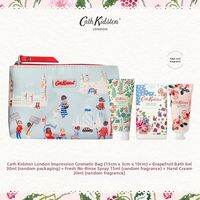
Cath Kidston | Travel Beauty and Care Kit travel essentials
₱1,181.00
Buy on Lazada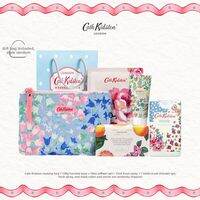
Cath Kidston | Travel Skincare Kit Makeup Bag Soap Hand Cream Face Mist
₱589.00₱2,086.00
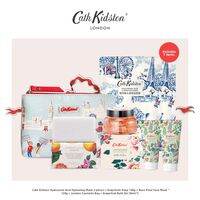
Cath Kidston | Travel Personal Care Kit
₱822.00₱2,503.00
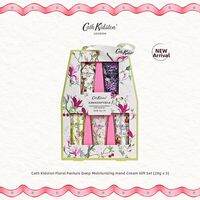
Cath Kidston | Moisturizing Hand Cream Sample
₱1,084.00₱2,050.00
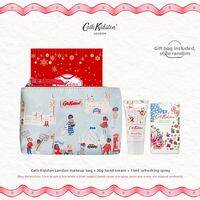
Cath Kidston | Travel Skincare Set Wedding Favor
₱508.00₱1,205.00
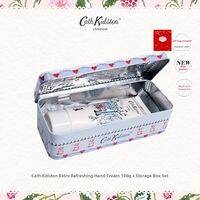
Cath Kidston | Festival Teacher Student Gift Box
₱1,040.00₱1,157.00
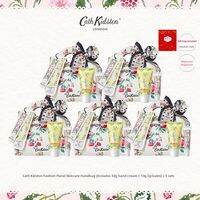
Cath Kidston | Fragrant Hand Cream and Lip Balm Set for Gift
₱5,283.00₱5,738.00
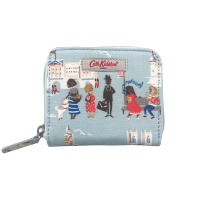
Cath Kidston Compact Continental Wallet Water Resistant Small Purse London People Pattern Powder Blue Color
₱1,999.00₱3,000.00
About Cath Kidston
Overview
Cath Kidston is a British lifestyle brand recognised for its colourful floral prints, nostalgic imagery, and products that merge vintage aesthetics with practical everyday design. Founded in London in 1993 by designer Cath Kidston, the label evolved from a small shop selling vintage-inspired home goods into an internationally recognised name spanning fashion, accessories, homeware, children’s products, and lifestyle goods 1.
Today, Cath Kidston operates as a brand and intellectual-property business owned by NEXT plc. NEXT acquired the brand name, domains, and intellectual property in 2023 following the administration of the former operating company. The brand has since been rebuilt through new product ranges, licensing agreements, collaborations, and international markets 3.
| Category | Information |
|---|---|
| Brand name | Cath Kidston |
| Founded | 1993 |
| Founder | Cath Kidston |
| Origin | London, England, United Kingdom |
| Original sector | Homeware / interiors |
| Current positioning | Lifestyle, fashion, accessories, homeware & licensing |
| Signature aesthetic | British nostalgia, florals, vintage-inspired prints, playful illustrations |
| Current owner of brand/IP | NEXT plc |
| Key acquisition | March 2023 |
| Acquisition details | Brand name, domains & intellectual property |
| Original founder’s role today | Cath Kidston is no longer the operating owner of the brand |
| Notable markets | UK and international markets, particularly Japan and Southeast Asia |
NEXT’s annual reporting continues to classify Cath Kidston among its wholly owned brands, alongside names such as MADE and Russell & Bromley 2.
The Founder: Cath Kidston
The brand was established by Cath Kidston, a British designer with a background in interiors and a keen interest in vintage objects, fabrics, and traditional British domestic culture. In 1993, she opened her first shop in London’s Notting Hill and Holland Park area. The original concept was modest, presenting vintage finds, fabrics, and practical household products with a fresh, colourful design sensibility. One of the early products associated with the business was the decorated or embroidered tea towel 3.
Kidston’s significant innovation was not merely selling vintage products but reinterpreting British nostalgia for a contemporary consumer. Rather than treating old-fashioned domestic aesthetics as unfashionable, the brand made them cheerful, colourful, and desirable. This approach became the foundation of the Cath Kidston identity.
Design Philosophy
The brand’s central design philosophy combines nostalgic British imagery with playful colour and practical everyday products. Cath Kidston took visual references associated with traditional British life—including flowers, gardens, cottages, animals, countryside scenes, London imagery, gingham, stripes, and vintage domestic objects—and transformed them into commercially accessible patterns. Its Japanese official site describes the brand as combining a vintage feeling with modern design, particularly through floral and British-inspired motifs 4.
Crucially, Cath Kidston was not designed to resemble a museum reconstruction of Victorian Britain. Instead, it created a stylised, optimistic version of British nostalgia that distinguished it from traditional heritage brands.
Signature Visual Identity
Floral Prints
Flowers are fundamental to the brand’s identity. Rather than relying on a single permanent floral pattern, Cath Kidston developed an extensive vocabulary of floral designs, including ditsy flowers, roses, sprigs, botanical arrangements, and decorative compositions. The current print archive includes designs such as Harmony Ditsy, Lace Sprigs, Ribbon Bow, Bows & Rose, Painted Gingham, London Town, Hackney Rose, Button Block Floral, and Rose Miniature 4. Consequently, the print itself often functions almost like a brand logo.
British Motifs
The brand frequently incorporates recognisable British imagery without relying primarily on conventional Union Jack motifs. Examples include London landmarks, Royal Guards, countryside references, cottages, gardens, dogs, traditional domestic objects, vintage vehicles, picnic imagery, and British typography. This creates a visual world that communicates “Britishness” through atmosphere rather than national symbols.
Hand-Drawn Quality
An essential element of the brand is the impression of handmade illustration. Current brand materials emphasise that prints are created by a British creative team, with designs developed through hand-painted artwork 4. This handmade quality helps distinguish Cath Kidston from mass-market floral patterns, ensuring designs feel personal, imperfect, cheerful, nostalgic, and collectible rather than purely digital or minimalist.
Product Categories
While originally associated with home furnishings, Cath Kidston has expanded into a broader lifestyle brand.
Bags and Accessories
Bags have historically been one of the strongest categories, including tote bags, handbags, backpacks, book bags, purses, wallets, pouches, and luggage-related products. The brand’s colourful prints make these items effective statement pieces where the pattern is immediately visible and recognisable.
Homeware
Connecting directly to the brand’s heritage in interiors, this category includes kitchen textiles, towels, tableware, storage solutions, bedding, decorative items, stationery, and household accessories.
Fashion
The brand has expanded into dresses, tops, knitwear, outerwear, accessories, and children’s clothing. Fashion allows the same prints found on home products to become part of a consumer’s personal style.
Children’s Products
Children’s products have become increasingly relevant to the brand’s contemporary strategy. Reporting from NEXT specifically identified childrenswear as an area of focus when rebuilding Cath Kidston after its acquisition 2.
Beauty and Lifestyle
The contemporary brand covers categories such as beauty, stationery, and other lifestyle products. Its current Japanese store, for example, categorises products across bags, accessories, fashion, beauty, home, collaborations, kids, and pets 5.
International Expansion and Asian Markets
Cath Kidston’s growth was unusually rapid for a design-led British lifestyle business. At its peak, it operated a substantial UK store estate alongside international outlets and franchise operations. Its appeal was particularly strong in East Asia, where the brand’s “Britishness” became a significant asset. While floral domestic imagery could be interpreted as nostalgic in Britain, in international markets it represented an attractive idea of British lifestyle and culture.
Japan and Southeast Asia
Japan remains a vital market for Cath Kidston. The Japanese business continues to operate a substantial retail and online presence, describing the brand as a lifestyle label born in London’s Notting Hill in 1993 5. As of 2026, the Japanese operation remains active with new stores and contemporary collaborations continuing. For instance, a new Cath Kidston store opened at OIMACHI TRACKS in Tokyo in March 2026 6, while another gift-oriented store opened at Tamagawa Takashimaya S.C. in June 2026 7.
This continued activity is significant because the brand’s story is sometimes misunderstood as ending with the collapse of its original UK retail company. While the original corporate business did collapse, the Cath Kidston brand itself survived and continues to thrive in key Asian markets.
Corporate History
Foundation and Early Growth (1993–2010s)
Cath Kidston established the brand in London in 1993, focusing initially on vintage-inspired interiors, fabrics, and household products 1. Throughout the 2000s, the brand expanded beyond a small interiors shop into fashion, bags, and accessories. By the 2010s, it had become a major British lifestyle brand with approximately 60 UK stores and significant international franchise operations 8.
Private Equity and Administration (2016–2022)
In 2016, the company was acquired by Baring Private Equity Asia (BPEA). However, the COVID-19 pandemic created enormous pressure on the business, leading to administration in April 2020 and major store closures 3. Although a rescue arrangement allowed the brand to continue, its physical UK presence was substantially reduced. In 2022, the business was acquired by restructuring investor Hilco Capital, but the turnaround proved short-lived.
Acquisition by NEXT (2023–Present)
On 28 March 2023, CK Acquisitions Limited entered administration. Administrators subsequently sold the Cath Kidston brand, website, and intellectual property to NEXT Retail Limited, part of NEXT plc, for a reported £8.5 million 39. Crucially, NEXT acquired the brand assets and intellectual property rather than the old retail company and its stores. The remaining four UK stores were wound down 9.
Business Model Under NEXT
The NEXT era represents a fundamental shift in the business model. Instead of rebuilding Cath Kidston as a conventional high-street retailer, NEXT treats it as a wholly owned brand and licensing business. Annual reporting indicates that Cath Kidston operates as an independent brand within the portfolio with its own design and marketing activity, while NEXT provides infrastructure such as retail distribution and commercial capabilities 2.
This asset-light approach contrasts sharply with the previous model:
- Old Model: Brand → Own stores → Wholesale → Franchises → International retail
- New Model: Brand/IP → Design → Licensing → Collaborations → NEXT distribution → Selected international retail
Following the 2023 acquisition, NEXT began rebuilding the brand with a small collection of bags and home textiles launched in autumn 2023, followed by expanded ranges in accessories and childrenswear. International expansion, particularly in Southeast Asia, was identified as a strategic focus 10.
Collaborations and Intellectual Property
Collaborations have become central to the contemporary strategy. NEXT has described plans for collaborations based around hand-painted prints and storytelling, mentioning properties such as Miffy and Paddington 10. Because Cath Kidston’s core strength is its visual universe rather than a specific product category, recognisable prints can be applied across bags, clothing, children’s products, stationery, and homeware without losing brand identity.
If one element deserves identification as the core intellectual property, it is the print library. These designs are not merely decoration but constitute a major part of the brand’s commercial value. NEXT’s strategy reflects this, utilising the brand’s identity across different product categories and licensing arrangements rather than relying on physical shops 11.
Brand Values and Positioning
Cath Kidston can be understood through several core values:
- British Nostalgia: An idealised, cheerful interpretation of British life.
- Everyday Joy: Making ordinary objects feel decorative and enjoyable.
- Femininity: A historically strong feminine aesthetic using florals, pastels, and decorative patterns.
- Playfulness: Optimistic and approachable illustrations and characters.
- Practicality: Functional everyday objects despite their decorative appearance.
- Collectability: A wide variety of prints encourages consumers to seek specific patterns.
Historically associated with women and families who appreciate vintage aesthetics and British culture, the brand’s contemporary strategy now targets younger consumers, children, international shoppers, and collectors. The Japanese business, for instance, explicitly positions the brand as appealing across generations 14.
Unlike traditional fashion houses or pure homeware retailers, Cath Kidston occupies a unique space between fashion, homeware, accessories, gifting, and British lifestyle. This consistency—flowers, nostalgia, Britishness, colour, and illustration—makes the brand recognisable even when product categories change.
Current Status (2026)
As of 2026, Cath Kidston remains active under NEXT ownership. NEXT’s January 2026 annual report lists Cath Kidston among its wholly owned brands 12. Simultaneously, the Japanese operation demonstrates substantial physical retail presence, with new stores and campaigns launching throughout 2026 1516.
It is essential to distinguish between the old operating company (CK Acquisitions), which entered administration in 2023, and Cath Kidston as a brand/IP asset, which was acquired by NEXT and continues to operate. The brand’s enduring competitive advantage lies in its distinctive visual language: nostalgic British themes, floral patterns, hand-drawn illustrations, and cheerful colours. Today, it continues as a design-led global lifestyle brand with an emphasis on licensing, collaborations, and international markets 13.
Timeline
- 1993: Cath Kidston founded in London by Cath Kidston 1.
- 1990s–2000s: Develops from a small interiors business into a broader lifestyle brand.
- 2010s: Rapid UK and international expansion; approximately 60 UK stores at peak 8.
- 2016: Acquired by Baring Private Equity Asia.
- 2020: Enters administration during the COVID-era retail crisis; large-scale store closures follow 3.
- 2022: Acquired by Hilco Capital.
- March 2023: CK Acquisitions enters administration; NEXT acquires the Cath Kidston brand, website/domain assets, and IP for £8.5 million 39.
- Late 2023: NEXT begins rebuilding the brand with new product ranges 10.
- 2024–2025: Continues as a wholly owned NEXT brand with licensing and international development.
- 2026: Brand remains active; NEXT continues to own IP; international markets such as Japan operate stores, e-commerce, and new collaborations 12.
References
- CK Acquisitions Limited (“Cath Kidston”, or “the Company”) in administration – completes sale of Brand, Website and Intellectual Property to Next Retail Limited
- Next Adds To Portfolio Of Brands With Cath Kidston
- Next buys Cath Kidston brand for £8.5m with remaining UK stores to close | Retail industry | The Guardian
- PRINT – Cath Kidston
- Home page – Cath Kidston
- 🎀Cath Kidston 大井町トラックス店 Grand Open🎀
- 🎀Cath Kidston 玉川髙島屋S.C.店 NEW OPEN🎀
- ‘Great brand, right price’: Why Next has snapped up the Cath Kidston brand
- Next confirms Cath Kidston acquisition for £8.5m – FashionNetwork
- 「フルーティーコーディアル ソーダフロート」 プレゼントキャンペーン – Cath Kidston
- Next acquires Cath Kidston out of administration | Retail Bulletin
- 〖重要〗配送料条件改定のお知らせ – Cath Kidston
- 〖2026年1月始まり〗B6マンスリーダイアリー | Cath Kidston 日本公式オンラインストア | キャスキッドソン
- 〖X キャンペーン〗 教えて!あなたが愛したCathKidston – Cath Kidston
- 〖2026年4月始まり〗マンスリーダイアリー | Cath Kidston 日本公式オンラインストア | キャスキッドソン
- 〖2026年〗卓上カレンダー | Cath Kidston 日本公式オンラインストア | キャスキッドソン