Shop on Lazada
Lucas products
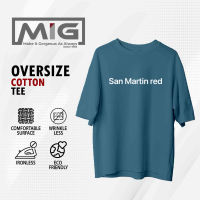
LUCAS MENS IMPORTED COTTON TSHIRT
₱399.00₱599.00
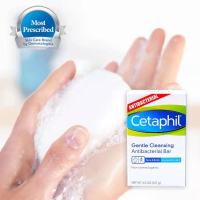
LUCAS Cetaphil Gentle Cleansing Antibacterial Soap Bar 127g
₱25.00₱99.00

LUCAS Thick Bottom Slip-ons Summer Footwear Sandals Slipper for Women
₱75.00₱199.00

LUCAS LADYS 2024 New Summer versatile light luxury non-slip casual slippers 2318
₱129.00₱199.00

LUCAS WOMENS SUMMER FALT SANDALS
₱119.00₱299.00
LUCAS CETAPIL BODY SOAP 127G 4IN1
₱25.00₱39.00

LUCAS MENS SUMMER FASHION SLIPPER 889
₱75.00₱139.00
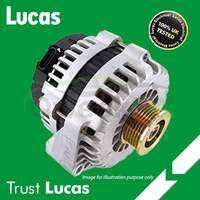
GENUINE LUCAS ALTERNATOR ASSEMBLY FOR Mazda 6 CX-7 CX-9 2007-UP 110A 12V 6 Groove 3 Pins Oval Socket
₱26,250.00
Buy on LazadaAbout Lucas
Lucas is a Mexican confectionery brand best known for chile-spiced, fruit-flavoured candies that combine sweet, sour, salty, tangy, and spicy taste profiles. The brand originated in Monterrey, Nuevo León, Mexico, in 1986 when two entrepreneurs began producing sweets from tamarind pulp 1. It later became part of Mars, Incorporated and is currently marketed within the company’s global confectionery portfolio 14.
Lucas distinguishes itself from conventional confectionery brands through its emphasis on intense flavour combinations rooted in Mexican enchilado candy culture. Rather than focusing primarily on sweetness, its products commonly blend fruit flavours with chile, salt, sourness, and tamarind or chamoy-style notes. Mars Mexico describes Lucas as a specialist in dulces enchilados and one of Mexico’s most intense spicy-candy brands.
Overview
| Category | Information |
|---|---|
| Brand | Lucas |
| Origin | Monterrey, Nuevo León, Mexico |
| Founded | 1986 |
| Industry | Confectionery / candy |
| Main category | Mexican spicy (enchilado) candy |
| Original concept | Tamarind-pulp candy |
| Parent company | Mars, Incorporated |
| Key markets | Mexico, United States and international markets |
| Known for | Chile, tamarind, fruit, sour and spicy candy |
| Current positioning | Intense, playful Mexican confectionery |
History
Origins
The history of Lucas began in 1986 in Monterrey, where two Mexican entrepreneurs started experimenting with candies made from tamarind pulp 2. Their early product, associated with the name Rico Pelo Loco, helped establish the distinctive flavour direction that would eventually characterise the brand. According to the brand’s official history, the popularity of tamarind served as the foundation for the company’s subsequent development 1.
This origin was significant because tamarind already held a strong place in Mexican food and confectionery culture. Its naturally sweet-and-sour profile pairs well with chile and salt, allowing Lucas to develop a flavour identity distinct from conventional Western sweets.
Brand development
As the business grew, it expanded beyond tamarind pulp into a broader range of fruit-based and chile-spiced confectionery. Products were developed in various formats rather than solely as traditional hard candies.
One of the most notable historical products was Lucas Acidito, which featured a chile-and-lemon flavour profile 3. The combination of sour citrus, chile, and salt became a defining element of the brand’s identity. Over time, Lucas became associated not merely with a single sweet but with an entire category of highly flavoured Mexican confectionery 3.
Acquisition by Mars
A pivotal moment in the brand’s history occurred in 2001 when Mars acquired Lucas 4. Mars has stated that this acquisition strategically linked Lucas with its wider confectionery operations 4.
The acquisition provided Lucas with access to the resources, manufacturing infrastructure, and international distribution capabilities of one of the world’s largest privately held food companies. Mars continues to list Lucas among its brands in Mexico, describing it as a specialist in spicy Mexican candy.
Today, the official Lucas website presents the brand as part of the Mars family and features a portfolio including Muecas, Gusano, Bomvaso, Panzón, Polvos, and Skwinkles 1.
Product identity
Lucas products are recognisable for their unconventional approach to flavour. A typical product may combine several sensations simultaneously:
- 🌶️ Chile / spiciness
- 🍋 Sourness
- 🧂 Saltiness
- 🥭 Fruit flavours
- 🟤 Tamarind
- 🍬 Sweetness
- 🍋 Citrus
- 🍹 Chamoy-style flavours
This combination is often described as enchilado, a Mexican confectionery style in which fruit and candy are paired with chile and other savoury or acidic ingredients. The brand’s marketing summarises its positioning around an “explosion of intensity” and emphasises unusual formats alongside intense flavour experiences 1.
Major product lines
Lucas Muecas
Muecas is part of the current Lucas portfolio and follows the brand’s characteristic combination of candy and intense seasoning. The name references the facial expressions people make when experiencing strong sour, spicy, or tangy flavours.
Lucas Gusano
Gusano is a worm-shaped product associated with the brand’s fruit-and-spicy candy concept. Its distinctive shape reflects the brand’s strategy of making the format of the candy as memorable as its flavour.
Lucas Skwinkles
Skwinkles represents another key direction for the brand: soft, elongated fruit candy combined with intense flavouring. This product helped Lucas expand beyond powdered sweets into more elaborate confectionery formats 1.
Lucas Polvos
Polvos, or powders, are among the formats most closely associated with the Lucas identity. These products can be consumed directly or used to add spicy, sour, or fruity notes to other foods.
Lucas Bomvaso and Panzón
Bomvaso and Panzón are additional products in the current range, illustrating the brand’s continued focus on unique shapes, packaging, and consumption experiences 2.
2004 lead controversy
Lucas has a significant and controversial chapter in its history regarding food safety in export markets.
In 2004, several Lucas products sold in the United States were subject to public health actions after testing revealed elevated levels of lead in certain Mexican candies. The Illinois Department of Public Health specifically identified Lucas Limon, Super Lucas, Lucas Acidito, and Lucas Limon con Chile in a statewide embargo involving lead-tainted sweets.
A Connecticut Department of Public Health alert similarly identified several Lucas products among candies found to contain elevated lead levels.
This episode occurred during a broader US investigation into lead contamination in imported Mexican candies. Environmental health organisations subsequently worked with manufacturers, including Mars, on measures to eliminate lead hazards from candy production.
It is important to distinguish this historical food safety controversy, which involved specific products and production periods, from the present-day Lucas brand. Lucas continues to be sold today and is actively marketed by Mars.
Brand positioning
Lucas occupies a unique position in the global confectionery market. While most large candy brands traditionally emphasise sweetness, chocolate, fruit, or mint, Lucas builds its identity around sensory intensity. Its core proposition can be summarised as a combination of sweet, sour, salty, spicy, and fruity elements.
This makes Lucas particularly representative of Mexican dulces enchilados, where chile and other savoury or acidic components are deliberately incorporated into sweet products. The brand also uses humour, exaggerated reactions, colourful packaging, and playful product shapes to reinforce the idea that consuming Lucas is an experiential activity rather than simply eating a sweet.
Cultural significance
Lucas is closely connected to the evolution of modern Mexican spicy-candy culture. Tamarind, chile, lime, salt, and chamoy are familiar flavour elements in Mexican snacks and sweets, and Lucas packages these tastes into commercialised, portable confectionery products.
This gives the brand a distinctive cultural position: although it is now owned by a multinational corporation, its identity remains strongly associated with Mexican flavours and confectionery traditions. The brand states that its candies are sold throughout Mexico and in parts of the United States, while also being available in multiple countries internationally 1.
Lucas under Mars
Lucas is now part of the broader Mars confectionery portfolio, alongside brands such as M&M’S, Snickers, Skittles, Extra, Orbit, and Hubba Bubba. Mars’ Mexican brand portfolio specifically describes Lucas as a specialist in spicy candy and highlights its range of distinctive formats.
Mars traces its roots to 1911, when Frank C. Mars began making butter-cream candy, eventually developing into the multinational company that owns the Lucas brand today.
International presence
Although Lucas is fundamentally a Mexican-origin brand, its appeal has expanded beyond its home market. The official brand history states that its products are available in Mexico, parts of the United States, and multiple countries around the world 1.
This international expansion is supported by the growing popularity of Mexican snacks and increasing global interest in sweet-and-spicy flavour combinations. Lucas therefore occupies a space between a traditional Mexican candy brand and a globally distributed multinational confectionery label.
Brand philosophy
The central idea behind Lucas is intensity. Rather than offering a subtle or conventional candy experience, the brand deliberately designs its products to be more sour, spicy, colourful, playful, unusual, and interactive. Current official branding repeatedly emphasises the concept of an “intense” experience 1. This philosophy explains why facial expressions, unique shapes, and exaggerated visual branding are common elements in Lucas marketing.
Timeline
- 1986 – Two Mexican entrepreneurs begin making tamarind-pulp candy in Monterrey 12.
- Late 1980s – The business develops a broader candy identity around products such as Lucas Acidito and chile-fruit combinations 3.
- 1990s – Lucas expands its range of spicy, sour, and fruit-flavoured confectionery.
- 2001 – Mars acquires Lucas 4.
- 2004 – Several Lucas products become involved in US public health actions concerning elevated lead levels in certain candies.
- 2000s–2010s – The brand continues developing new formats and products under Mars.
- Today – Lucas remains an active Mars confectionery brand, with products including Muecas, Gusano, Bomvaso, Panzón, Polvos, and Skwinkles 1.
References
- About LUCAS | History of Lucas
- La historia de los dulces Lucas | LUCAS MX
- Lucas Candy History: Flavors & Varieties | SnackHistory
- En el 2001 Mars adquirió Lucas®, enlazándolo estratégicamente con Wrigley, uno de nuestros segmentos de negocio enfocado a la parte de goma de mascar y confitería. Nuestras operaciones… | Mars