Shop on Lazada
lululemon products
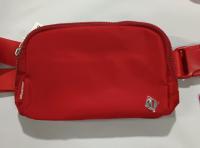
NEW Lululemon crossbody bags chest bag sports bag small bag for outdoor beltbags waistbags
₱399.00₱999.00
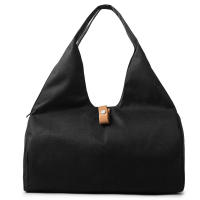
lululemon Travel Bag Womens Large Capacity Portable Luggage Storage Shoulder Dry Wet Separation Sports Gym Bag
₱1,099.00₱2,600.00
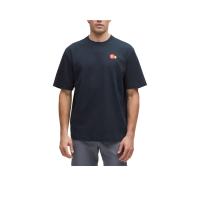
Lululemon Heavyweight Cotton Jersey T Shirt Lemon T Shirt Mens LM3FONS
₱42,240.00
Buy on Lazada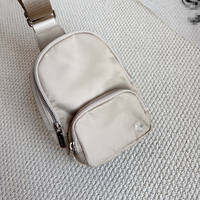
Summer Casual Versatile Outdoor Waistpack Chest Bag for Couples by Lululemon
₱1,476.32₱1,580.00
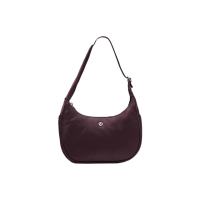
Lululemon City Essentials Nylon Polyester Shoulder Bag Womens Plum Purple
₱20,265.00
Buy on Lazada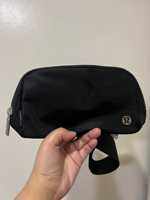
Lululemon Belt Bag (1L and 2L)
₱3,750.00
Buy on Lazada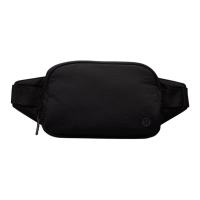
Lululemon Nylon With Recycled Polyester One Shoulder Crossbody Fanny Pack Unisex Black LU9BUCS-BLK
₱16,328.00
Buy on Lazadalululemon New Crew Backpack - 22L Ultra-Light Large Capacity Sports Outdoor Leisure Computer Multi-functional Dual-Shoulder Bag
₱3,200.00₱6,480.68
About lululemon
Overview
lululemon, officially lululemon athletica inc., is a Canadian multinational company specializing in athletic apparel, footwear, and accessories. Headquartered in Vancouver, British Columbia, the brand is best known for its premium yoga and activewear but has since expanded to serve customers across running, training, tennis, golf, and general lifestyle categories.1 Founded in 1998, lululemon has grown from a niche yoga retailer into a global enterprise operating over 800 stores with approximately 39,000 employees across 24 company-operated markets. In fiscal 2025, the company reported revenue of approximately US$11.1 billion.2
The company positions itself as a creator of “transformational products and experiences” intended to foster connection and wellbeing.3 Its business model relies primarily on direct-to-consumer retail and e-commerce rather than wholesale distribution.
Corporate Profile
| Category | Information |
|---|---|
| Company name | lululemon athletica inc. |
| Brand name | lululemon |
| Founded | 1998 |
| Founder | Chip Wilson |
| Headquarters | Vancouver, British Columbia, Canada |
| Industry | Athletic apparel, footwear & accessories |
| Core categories | Yoga, running, training, tennis, golf, lifestyle |
| Business model | Direct-to-consumer retail + e-commerce |
| Stock ticker | NASDAQ: LULU |
| 2025 revenue | US$11.1 billion |
| Stores | 811 company-operated stores (FY2025 year-end) |
| Employees | ~39,000 |
| Brand positioning | Premium / technical athletic & lifestyle apparel |
History
Foundation and Early Years
Chip Wilson founded lululemon in Vancouver in 1998. The original concept addressed a gap in the market for well-designed clothing specifically for women practicing yoga, responding to increasing female participation in athletics.4 Rather than treating yoga wear as generic sportswear, the company prioritized technical fabrics, fit, and functionality, establishing its premium positioning early on. The first official store in Canada opened in 2000.
Expansion and Public Listing
In 2003, lululemon opened its first location in the United States, marking the beginning of its transition from a local retailer to an international brand.5 To support this growth, private-equity firm Advent International invested in the company in 2005.6 lululemon subsequently went public in July 2007, listing on the NASDAQ under the ticker symbol LULU.7
Diversification and Global Growth
Throughout the 2010s, the brand expanded beyond women’s yoga apparel to include men’s clothing, running and training gear, casual lifestyle wear, and technical outerwear. This shift repositioned lululemon as a holistic active-lifestyle brand. In 2022, the company formally entered the footwear category with designs tailored for specific activities such as running and training.8
Between 2023 and 2025, lululemon accelerated its international footprint, entering markets including Spain, Thailand, China, and Italy.9 Notably, the first Italian store opened in Milan in 2025.10 By 2026, the global store count exceeded 800. During this period, the company also began a leadership transition, naming Heidi O’Neill as incoming CEO and updating its board of directors.11
Products
While originally famous for yoga pants, lululemon now offers a comprehensive range of performance and lifestyle products.
Women’s Apparel
Key categories include leggings, yoga pants, shorts, sports bras, tops, T-shirts, tank tops, jackets, sweaters, dresses, skirts, and specialized running and training attire.
Men’s Apparel
The men’s line features training shirts, running apparel, shorts, pants, jackets, T-shirts, sweaters, and the signature ABC pants.
Footwear
Since entering the category in 2022, lululemon has developed shoes oriented toward running, training, and other athletic pursuits.12
Accessories
The brand retails bags, backpacks, yoga mats and props, hats, socks, water bottles, and small accessories.
Signature Franchises
Several product lines define the brand’s technical and aesthetic identity:
- Align: Associated with yoga and lightweight comfort, this franchise includes some of the brand’s most recognizable leggings.
- ABC: A staple in men’s offerings, these pants combine the look of everyday trousers with the stretch and mobility of athletic wear.
- Scuba: Comprising hoodies and sweatshirts, this line represents the brand’s success in crossover lifestyle apparel.
- Wundermost: Identified alongside Align, Scuba, and ABC as a key product platform.14
These franchises exemplify the strategy of integrating technical athletic design into everyday clothing.
Brand Philosophy and Positioning
lululemon does not compete primarily on price. Instead, its value proposition combines technical performance, premium design, comfort, and community.13 The company emphasizes proprietary fabric innovation and functional design refined through direct feedback from athletes and customers. This approach distinguishes it as a premium athletic-lifestyle brand rather than a conventional sportswear manufacturer.
Market Position
lululemon occupies a unique space between traditional sportswear giants like Nike and adidas, and premium fashion or wellness brands. Competitors vary by category and include Under Armour, Alo Yoga, Athleta, Vuori, and On. However, lululemon differentiates itself by centering the brand experience on community, wellness, and mindful living rather than solely on competitive sport.
Target Demographic
Historically focused on affluent women interested in yoga and wellness, the target audience has broadened significantly. The brand now serves both men and women engaged in diverse activities including running, training, tennis, and golf. The core consumer profile is characterized as health-conscious, active, style-aware, and willing to invest in premium quality.15
Pricing Strategy
lululemon’s premium pricing reflects several strategic factors:
- Fabric Technology: Significant investment goes into specialized materials engineered for stretch, softness, moisture management, and durability.
- Product Development: Products are rigorously tested with athletes and local communities to refine fit and function.16
- Brand Positioning: The company deliberately targets the premium segment.
- Retail Experience: Stores function as community hubs hosting events and ambassador interactions, adding value beyond simple transactions.
- Brand Loyalty: Strong identity and customer retention support the price point.
Community and Marketing
Community engagement is considered a primary competitive advantage. lululemon views community as the backbone of the brand, fostering relationships with local yoga instructors, fitness professionals, and athletes.17 Through its ambassador program, local influencers and professionals represent the brand and participate in grassroots activities, creating a feedback loop that drives product improvement and loyalty.18 This strategy differs markedly from traditional celebrity endorsement models.
Marketing efforts focus on selling a lifestyle rather than individual products. Messaging connects apparel to concepts of wellness, mindfulness, personal growth, and self-improvement. Consequently, purchasing lululemon is often associated with aspiring to a healthy, active, and balanced identity.
Retail Operations
lululemon employs a vertically integrated retail strategy combining physical stores, e-commerce, and digital experiences. Stores serve as critical touchpoints for community interaction and are adapted to reflect local preferences.19 As of the end of fiscal 2025, the company operated 811 stores globally, having added 44 net new locations during the year.20
International Expansion
Originally a Canadian company, lululemon has established a significant global presence across North America, Europe, Asia, and Australia/New Zealand. Recent expansion milestones include entry into China, Spain, Thailand, Italy, and Greece.21 International markets have become increasingly vital to growth; in fiscal 2025, international revenue rose 22% even as Americas revenue declined slightly.22
Financial Performance
lululemon has scaled into a major global retailer. Key financial metrics for fiscal 2025 include:
- Revenue: US$11.1 billion
- Revenue Growth: 5%
- Gross Profit: US$6.3 billion
- Operating Income: US$2.2 billion
- Store Count: 811 company-operated locations
- Workforce: Approximately 39,000 employees
The company previously surpassed US$10 billion in annual revenue in 2024, marking a significant developmental milestone.
Sustainability and Social Impact
Environmental and social initiatives are integrated into corporate strategy. Key areas include sustainable material development, textile recycling, circularity, responsible supply chains, and mental health programs. In 2023, lululemon partnered with Samsara Eco to scale textile-to-textile recycling and introduced plant-based nylon developed with Geno. Additionally, the lululemon Gives initiative aims to improve global wellbeing, with the company reporting that it provided 10 million people access to critical wellbeing programs by 2025.
Visual Identity
The lululemon logo features a stylized red symbol resembling an abstract female silhouette within a circle, typically paired with a lowercase wordmark. The consistent use of lowercase lettering is a distinct element of the brand’s visual language. Imagery emphasizes clean design, athletic movement, nature, minimalism, and contemporary urban lifestyles.
Controversies and Governance
Like many global brands, lululemon has navigated public controversies. In the early 2010s, comments by founder Chip Wilson regarding women’s yoga pants drew significant criticism. Wilson subsequently distanced himself from operations and left the board in 2015 following these controversies and his involvement in a competing business. Despite this separation, he remained a significant shareholder and entered into a cooperation agreement with the company regarding board changes in 2026. These events highlight the distinction between the founder’s personal history and the modern corporate entity.
Leadership Transition
As of 2026, lululemon is undergoing a significant leadership refresh. Heidi O’Neill was announced as incoming CEO in April 2026, and the board was updated with new directors including Laura Gentile and Marc Maurer. Current strategic priorities include reaccelerating North American growth, continuing international expansion, strengthening product innovation, and maintaining premium positioning while evolving beyond the brand’s original yoga-centric identity.
References
- Our History | lululemon
- Our Unique Proposition | lululemon
- About Us | lululemon
- Year in Review | lululemon
- lululemon athletica inc. Announces Fourth Quarter and Full Year Fiscal 2025 Results | lululemon
- Lululemon Athletica Gains Partners In Growth Equity Investment – Board, Management And Financial Expertise To Assist Expansion | lululemon
- October_09_Final.ppt [Compatibility Mode]
- Press Releases | lululemon
- lululemon Highlights Strength of its Refreshed Board, with the Right Expertise to Drive the Company’s Next Phase of Growth and Enhanced Shareholder Value | lululemon
- Global Presence | lululemon
- Community Engagement | lululemon
- 0001213900-26-058118
- lululemon Enters into Cooperation Agreement with Chip Wilson; Laura Gentile and Marc Maurer to Join Company’s Board of Directors | lululemon
- Investors | lululemon
- lululemon athletica inc. Announces CEO Succession Plan | lululemon
- Press Releases | lululemon
- Annual Reports | lululemon
- lululemon
- Media | lululemon
- Results Center | lululemon
- lululemon
- Our Business | lululemon