Shop on Lazada
Lysol products
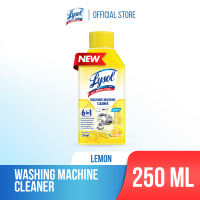
Lysol Washing Machine Cleaner Lemon 250mL - Remove Dirt / Kill Germs / Prevent Bad Odor
₱320.00
Buy on Lazada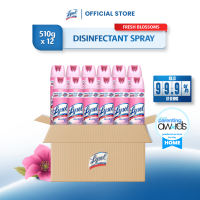
Lysol Antibacterial Disinfectant Spray Cleaner Fresh Blossoms 510 G Set of 12
₱6,643.92₱7,068.00
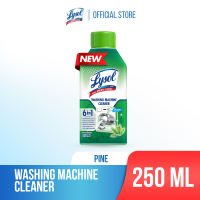
Lysol Washing Machine Cleaner Pine 250mL - Remove Dirt / Kill Germs / Prevent Bad Odor
₱320.00
Buy on Lazada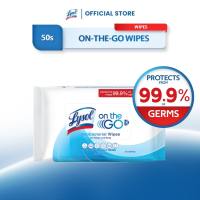
Lysol On-The-Go Antibacterial Hand & Body Wipes 50 Pulls - Disinfects / Moisturizes / Kills Germs
₱159.00
Buy on Lazada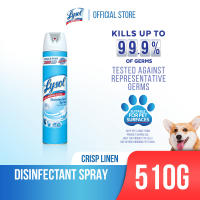
Lysol Disinfectant Spray Cleaner Crisp Linen 510g - Kills Germs & Mold / Room Freshener / Deodorizer
₱589.00
Buy on Lazada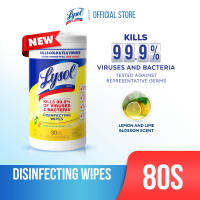
Lysol Disinfectant Surface Wipes - 80 Pulls - Kills Viruses & Bacteria
₱299.00
Buy on Lazada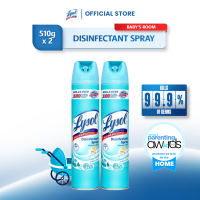
Lysol Antibacterial Disinfectant Spray Cleaner Babys Room 510 G Set of 2
₱1,178.00
Buy on Lazada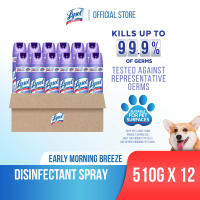
Lysol Antibacterial Disinfectant Spray Cleaner Early Morning Breeze 510 G Set of 12
₱6,643.92₱7,068.00
About Lysol
Overview
| Attribute | Information |
|---|---|
| Brand Name | Lysol |
| Industry | Household cleaning & disinfection |
| Owner | Reckitt |
| Founded | 1889 |
| Country of Origin | Germany (later established in the United States market) |
| Headquarters (Brand Owner) | Slough, England (Reckitt) |
| Product Categories | Disinfectant sprays, wipes, liquid cleaners, toilet bowl cleaners, laundry sanitizers, hand soaps, hand sanitizers |
| Markets | North America, Latin America, Europe, Asia, Middle East, and others |
| Official Website | Lysol.com |
Lysol is an American brand of disinfectants and household cleaning products owned by Reckitt, one of the world’s largest consumer health and hygiene companies. Established in 1889, Lysol has grown into one of the world’s best-known disinfectant brands, offering products designed to kill illness-causing bacteria, viruses, and fungi on household surfaces, fabrics, and in the air. Today, the brand is sold in more than 20 markets worldwide and is recognized for its role in promoting hygiene and infection prevention.
History
Origins (1889)
Lysol was first introduced in 1889 by Dr. Gustav Raupenstrauch in Germany during a cholera epidemic. The original product was developed as a medical disinfectant intended to help control the spread of infectious diseases. Early formulations contained cresols, chemicals derived from coal tar that were widely used as antiseptics at the time.
Expansion into the United States
Later in 1889, the product was imported into the United States by Lehn & Fink, which registered the Lysol trademark and began marketing it as a household and medical disinfectant. During the early 20th century, hospitals, clinics, and households increasingly adopted Lysol for sanitation.
During the Spanish Flu Pandemic (1918)
During the 1918 influenza pandemic, Lysol was widely promoted as a disinfectant to help reduce the spread of disease. Although medical understanding of viruses was limited at the time, disinfectants became an important part of public hygiene campaigns.
Mid-20th Century
Throughout the 1900s, Lysol expanded its product portfolio beyond concentrated disinfectants into sprays and household cleaners. The brand became a common fixture in homes, hospitals, schools, and public facilities.
A notable part of its history is that, from the 1920s through the mid-20th century, Lysol was also marketed in the U.S. as a feminine hygiene product and contraceptive—uses that are now recognized as unsafe and medically inappropriate. Those products were eventually discontinued as medical knowledge and regulations evolved.
Acquisition by Reckitt
In 1994, Reckitt & Colman acquired Lehn & Fink, bringing Lysol into its portfolio. After the merger of Reckitt & Colman with Benckiser in 1999, Lysol became one of the flagship hygiene brands under Reckitt.
Products
Lysol manufactures a broad range of cleaning and disinfecting products, including:
-
Disinfectant Sprays
-
Disinfecting Wipes
-
Multi-Surface Cleaners
-
Bathroom Cleaners
-
Toilet Bowl Cleaners
-
Laundry Sanitizers
-
Mold & Mildew Removers
-
Hand Soap
-
Hand Sanitizer
-
Air Sanitizers (available in selected markets)
Many Lysol products are formulated to eliminate 99.9% of bacteria and viruses when used according to the label instructions. Specific effectiveness varies by product and the microorganisms listed on its regulatory approval.
Technology
Depending on the product, Lysol formulations may use different active ingredients, including:
-
Benzalkonium chloride
-
Ethanol (alcohol)
-
Hydrogen peroxide
-
Quaternary ammonium compounds
-
Sodium hypochlorite (bleach, in certain products)
Each formulation is designed for specific applications, such as disinfecting hard surfaces, sanitizing fabrics, or cleaning bathrooms.
Brand Mission
Lysol’s mission centers on helping prevent the spread of illness-causing germs through effective cleaning and disinfection. The brand promotes hygiene education in homes, schools, and communities, with initiatives encouraging healthy habits and infection prevention.
COVID-19 Pandemic
During the COVID-19 pandemic, demand for Lysol products increased significantly worldwide.
In 2020, certain Lysol disinfectant products became among the first to receive authorization from the U.S. Environmental Protection Agency (EPA) confirming effectiveness against SARS-CoV-2, the virus that causes COVID-19, when used as directed on appropriate surfaces.
Global Presence
Lysol products are sold across:
-
United States
-
Canada
-
Mexico
-
Philippines
-
Chile
-
Taiwan
-
Colombia
-
Several European countries
In India, the brand is marketed under the name Lizol, adapted for the local market while remaining part of Reckitt’s hygiene portfolio.
Sustainability
Reckitt states that Lysol is working toward:
-
More sustainable packaging
-
Reduced plastic use
-
Improved manufacturing efficiency
-
Responsible ingredient sourcing
-
Public hygiene education initiatives
These efforts are part of Reckitt’s broader environmental and social responsibility programs.
Recognition
Lysol is widely recognized for:
-
More than 135 years of brand history
-
One of the world’s most recognized disinfectant brands
-
Extensive use in households, healthcare settings, schools, and workplaces
-
Strong consumer trust in infection prevention and hygiene
Product Categories
-
Surface Disinfectants
-
Disinfectant Sprays
-
Disinfecting Wipes
-
Bathroom Cleaners
-
Kitchen Cleaners
-
Toilet Bowl Cleaners
-
Laundry Sanitizers
-
Hand Hygiene Products
-
Air Care Products
Key Facts
-
Founded: 1889
-
Age: Over 135 years
-
Owner: Reckitt
-
Original Purpose: Medical disinfectant for cholera control
-
Primary Market: Household and institutional disinfection
-
Global Availability: 20+ countries and regions
-
Core Promise: Helping protect people from illness-causing germs through cleaning and disinfection
Lysol remains one of the world’s leading hygiene brands, combining a long history in infection control with a modern portfolio of cleaning and disinfecting products aimed at homes, schools, healthcare facilities, and workplaces.