Shop on Lazada
Maison Alhambra products
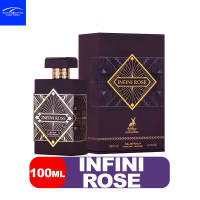
Maison Alhambra Infini Rose EDP (100ml)
₱2,988.00
Buy on Lazada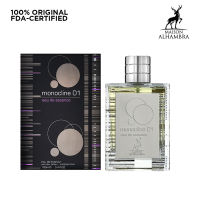
Maison Alhambra Monocline 01 100ml EDP Perfume For Unisex MA59288 SPDISC (100% ORIGINAL)
₱995.00
Buy on Lazada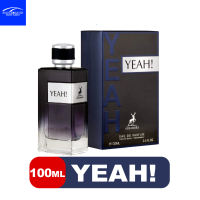
Maison Alhambra Yeah! Man EDP (100ml) (New Packaging)
₱1,888.00
Buy on Lazada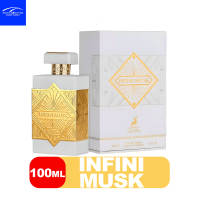
Maison Alhambra Infini Musk EDP (100ml)
₱2,988.00
Buy on Lazada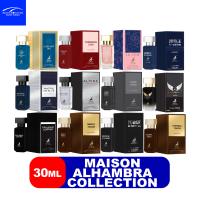
Maison Alhambra Collection EDP (30ml)
₱1,388.00
Buy on Lazada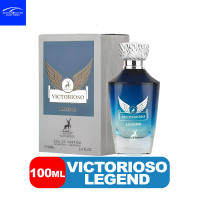
Maison Alhambra Victorioso Legend EDP (100ml)
₱2,288.00
Buy on Lazada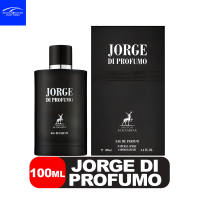
Maison Alhambra Jorge Di Profumo EDP (100ml)
₱2,088.00
Buy on Lazada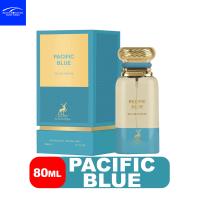
Maison Alhambra Pacific Blue EDP (80ml)
₱2,988.00
Buy on LazadaAbout Maison Alhambra
Overview
Maison Alhambra is a fragrance brand based in the United Arab Emirates that specialises in affordable perfumes inspired by designer and niche scents. It has gained significant prominence in the global market for “clone” or “dupe” fragrances, offering consumers accessible alternatives to high-end luxury perfumes. The brand operates under Lattafa Perfumes Industries L.L.C., a major Dubai-based fragrance manufacturer 1. Since its emergence around 2020, Maison Alhambra has established itself as a key player in the accessible luxury segment, marketing products that evoke the character of expensive fragrances from houses such as Tom Ford, Creed, and Parfums de Marly at a fraction of the cost 2.
Corporate Background
Parent Company
Maison Alhambra is part of the Lattafa Perfumes Industries L.L.C. portfolio. Lattafa describes itself as a third-generation, family-run business in the UAE with over 3,000 employees and distribution networks spanning more than 120 countries. The parent company’s portfolio includes over 2,000 products across various brands and market segments. Fragrance databases identify Lattafa as the direct parent entity of Maison Alhambra 1.
Brand Distinction
Although connected to Lattafa, Maison Alhambra maintains a distinct identity. While the broader Lattafa portfolio encompasses traditional Arabian-inspired scents alongside modern Western styles, Maison Alhambra focuses specifically on Western designer-inspired fragrances, niche interpretations, and European-style presentation. This strategic positioning differentiates it from other labels within the group, targeting consumers seeking recognisable luxury fragrance DNA at budget-friendly price points.
History and Emergence
Public documentation regarding the specific corporate history of Maison Alhambra is limited compared to established Western perfume houses. There is no publicly detailed founding story or century-long heritage associated with the label. Major fragrance databases place the brand’s emergence at approximately 2020 1. Its rapid growth coincided with the international expansion of Middle Eastern fragrance brands through online retailers, e-commerce platforms, and social media communities dedicated to fragrance reviews and “dupe” discussions.
Business Model and Positioning
Value Proposition
The core commercial proposition of Maison Alhambra is to reinterpret the scent profiles of expensive fragrances and offer them at significantly lower prices. A traditional luxury perfume may retail for several hundred dollars, whereas Maison Alhambra typically offers similar olfactory experiences for approximately $20–$40, depending on the retailer and market 2. The brand’s official website explicitly markets its products as luxury-inspired alternatives, with pricing often starting around $19 2.
Nature of Similarity
It is important to distinguish between identical replication and inspiration. Maison Alhambra fragrances may range from being very similar to their inspirations to merely sharing certain notes or an overall concept. Claims of high similarity, such as “95% identical,” found in marketing or community discussions should be understood as subjective estimates rather than scientific measurements of formula equivalence 2.
Pricing Structure
The brand’s ability to maintain low prices is attributed to structural advantages within the Middle Eastern fragrance industry and the Lattafa ecosystem. Unlike traditional luxury houses, Maison Alhambra does not bear the same costs associated with brand prestige, celebrity advertising campaigns, luxury boutique retail, or extensive international fashion marketing. Lattafa manages research and development, in-house manufacturing, and global ingredient sourcing, allowing the brand to compete primarily on fragrance-to-price ratio rather than exclusivity 1.
Product Range
Maison Alhambra offers an extensive catalogue covering virtually every major perfume family, including woody, amber, oriental, oud, leather, floral, fruity, citrus, aromatic, spicy, gourmand, fresh, musky, and vanillic scents. The product line includes fragrances marketed towards men, women, and unisex users 2.
Notable Releases
Several Maison Alhambra fragrances have achieved recognition among enthusiasts for their specific inspirations:
- The Tux: A woody, spicy, amber, and patchouli scent widely associated with Yves Saint Laurent Tuxedo.
- Kismet Angel: A sweet, boozy composition featuring cinnamon, vanilla, and amber, often compared to Kilian Angels’ Share.
- Tobacco Touch: A tobacco, vanilla, spice, and amber fragrance frequently linked to Tom Ford Tobacco Vanille.
- Woody Oud: A darker, earthy, and warm scent representing the Middle Eastern side of the catalogue.
- Porto Neroli: A citrus, neroli, and floral fragrance positioned as an alternative to Tom Ford Neroli Portofino.
- Delilah: A soft, floral, fruity, and musky release commonly compared to Parfums de Marly Delina.
- Hercules: An aromatic, woody, amber, and spicy scent associated with Parfums de Marly Layton.
- Jean Lowe series: A line demonstrating the brand’s evolution into luxury designer territory, with several releases linked to Louis Vuitton fragrance styles.
Packaging and Aesthetics
Packaging plays a central role in the brand’s appeal. Maison Alhambra designs its products to appear considerably more expensive than their retail price suggests. Common design elements include heavy glass bottles, gold accents, metallic or monochromatic colour schemes, ornate boxes, and minimalist luxury typography. This aesthetic strategy aims to provide the visual experience of owning a luxury item alongside the fragrance itself.
Quality and Performance
Opinions on quality vary across the catalogue. The brand has developed a reputation for strong performance relative to its price point, though consistency is not uniform. Some releases are highly regarded by enthusiasts, while others are considered average. Performance can depend on individual skin chemistry, climate, batch variations, reformulations, and application methods. In hot and humid climates, heavier fragrances from the brand may project more strongly. Consequently, the portfolio is best viewed as having variable performance characteristics rather than a single standard of quality.
Market Reception and Community
Enthusiast Appeal
Maison Alhambra has become popular in online fragrance communities for several reasons:
- Price: Allows experimentation with expensive scent profiles without significant financial commitment.
- Variety: The extensive catalogue enables exploration of diverse notes such as oud, tobacco, leather, and gourmand accords.
- Accessibility: Widely available through international online retailers and amplified by TikTok creators, YouTube reviewers, Reddit communities, and Facebook groups.
Criticism and Controversy
The brand’s reliance on recognisable luxury inspirations generates debate. Critics argue that clone brands benefit unfairly from the creative investment and prestige of original houses. Supporters counter that inspiration differs from counterfeiting, that affordable alternatives democratise access to fragrance, and that competition encourages better value across the industry. Legally and ethically, Maison Alhambra products are distinct from counterfeits; they are sold under the Maison Alhambra name and branding, even when marketed as inspired by another fragrance.
Comparison with Traditional Luxury
| Feature | Maison Alhambra | Traditional Luxury House |
|---|---|---|
| Price | Low–moderate | Moderate–very high |
| Main Selling Point | Value | Brand, fragrance, and prestige |
| Inspiration | Often recognisable luxury scents | Usually proprietary compositions |
| Packaging | Luxury-looking | Luxury |
| Heritage | Relatively new (c. 2020) | Often decades or centuries |
| Distribution | Online and perfume retailers | Department stores, boutiques, and online |
| Marketing | Reviews, social media, and value | Advertising, fashion, and celebrities |
| Performance | Often strong for price | Varies widely |
| Collector Appeal | Growing | Established |
| Primary Motivation | Affordable experimentation | Originality, prestige, and heritage |
Brand Philosophy
Current brand messaging emphasises “accessible luxury,” quality, versatility, and self-expression. The marketing philosophy centres on providing luxury fragrance aesthetics without luxury pricing, appealing particularly to younger consumers who prioritise scent profile and performance over fashion-house logos 2.
Global Context
The rise of Maison Alhambra is part of a broader international expansion of Middle Eastern fragrances. Brands from the UAE have gained prominence by combining high concentration, strong performance, attractive packaging, low prices, and social media visibility. Lattafa’s stated reach of over 120 countries illustrates the scale of the ecosystem supporting Maison Alhambra’s global distribution 1.
Clarifications
- Not a French House: Despite the French word “Maison” in its name, the brand is associated with the UAE. “Alhambra” references the palace complex in Granada, Spain, combining French luxury vocabulary with Andalusian and Middle Eastern imagery.
- Distinct from Lattafa: It is a specific label within the Lattafa ecosystem, not merely an alternative name for the parent company.
- Legitimate Brand: Products are commercial fragrances sold under the Maison Alhambra trademark, distinguishing them from illicit counterfeits.
- Variable Cloning: Not every release is an exact clone; some are merely reminiscent or share a general concept.
- Quality vs. Price: The brand challenges the assumption that high price necessarily equates to better value or quality.