Shop on Lazada
Maxfine products

MAXFINE Concealer Stick Set High Gloss Brightening Silkworm Shadow Matte Natural Pockmarks Black Circles Durable Waterproof No Makeup No Smob Genuine Goods
₱323.00₱495.00

Concealer Liquid Foundation For A Long Time Moisturizing And Delicate And Not Easy To Remove Makeup
₱78.27₱140.88
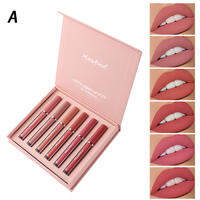
Maxfine | Matte Lip Gloss Set 6 Color Lipstick Smooth And Lasting Display Lip Gloss Waterproof Moisturizing Lipstick Holiday Gift Box Set
₱236.78₱355.18
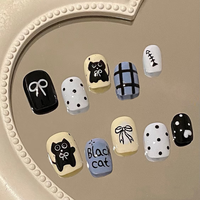
Cute Cartoon Short Nails
₱109.00₱309.00
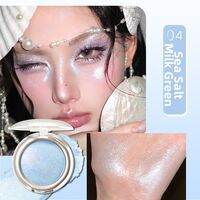
Single Color Shimmering Glow Powder
₱295.00
Buy on LazadaAbout Maxfine
Note: The name “Maxfine” is used by multiple unrelated businesses globally. In the context of architecture and design, it refers to the large-format porcelain stoneware collection manufactured by FMG Fabbrica Marmi e Graniti. Other entities using the Maxfine name operate in cosmetics, retail, and unrelated sectors.
Overview
Maxfine is a premium large-format porcelain stoneware surface system developed by the Italian manufacturer FMG Fabbrica Marmi e Graniti. It is engineered primarily for high-end architectural projects, interior design, bespoke furniture, and hospitality environments.
The core concept of Maxfine is the combination of expansive slab dimensions with a reduced thickness, enabling a continuous visual aesthetic across floors, walls, countertops, furniture, and structural elements. The flagship format measures 3000 × 1500 mm (300 × 150 cm) with a thickness of 6 mm, although the current range also includes other sizes and 8 mm options depending on the specific product line.12
Consequently, Maxfine is best understood as a technical surface material platform rather than a conventional consumer brand. FMG traces its Italian manufacturing heritage back to 1961, positioning Maxfine within a long-standing tradition of ceramic surface production rather than as a standalone start-up.1
Basic Information
| Category | Information |
|---|---|
| Brand | Maxfine / MAXFINE |
| Industry | Architectural surfaces / porcelain stoneware |
| Product type | Large-format porcelain slabs |
| Associated manufacturer | FMG Fabbrica Marmi e Graniti |
| Origin | Italy |
| Primary market | Architecture, interiors, furniture, and construction |
| Main material | High-tech porcelain stoneware |
| Flagship size | 300 × 150 cm |
| Typical flagship thickness | 6 mm |
| Applications | Floors, walls, façades, countertops, furniture, doors, bathrooms, hospitality |
| Design references | Marble, onyx, stone, concrete, wood, metal, and other natural/architectural materials |
Technical Concept
Maxfine is essentially an ultra-large-format porcelain surface. Unlike traditional ceramic tiles that are relatively small and require numerous grout joints, Maxfine employs extremely large slabs to cover substantial areas with minimal seams.
The flagship 3000 × 1500 mm slab is equivalent to approximately 120 × 60 inches. At only 6 mm thick, the material offers a significant visual scale combined with low profile thickness.2 This specification makes it particularly suitable for designs requiring the appearance of a single, continuous piece of marble, stone, or other monolithic materials.
History and Development
Maxfine emerged from the technological evolution of FMG Fabbrica Marmi e Graniti, an Italian producer specializing in porcelain stoneware. The concept represents a shift from conventional ceramic tiling toward large architectural slabs. Rather than treating porcelain solely as flooring, FMG positioned Maxfine as a versatile material capable of bridging architecture and furnishing.
The manufacturer emphasizes that Maxfine is intended to dissolve the traditional boundary between architectural surfaces and furniture components.2 This distinction defines the brand: Maxfine treats porcelain as a design material that can be fabricated into multiple integrated elements of an interior, rather than merely producing larger tiles.
Design Philosophy
The design philosophy of Maxfine centres on three primary attributes:
Large Scale
Large slabs enable the creation of broad, visually continuous surfaces. The principal 300 × 150 cm format allows for substantial coverage on walls, floors, counters, and furniture while minimizing visible joints. The product database also lists numerous other formats ranging from 75 × 37.5 cm to 300 × 150 cm.2
Thinness
The 6 mm thickness is a defining characteristic of the system. Combining large dimensions with thin construction renders the material suitable for applications where conventional thick stone or ceramic products would be impractical due to weight or bulk.1
Material Interpretation
Maxfine reproduces the appearance and character of numerous natural and industrial materials rather than limiting itself to a single aesthetic. Collections include effects inspired by marble, onyx, natural stone, travertine, concrete, granite, metal, wood, resin, and solid colours. Current portfolio collections include Marmi, Onici, Pietre, Travertino, Art Stone, Citystone, Gemstone, Limestone, Highway, and Walk On.2
Product Range
Maxfine comprises an extensive family of collections rather than a single surface design.
Marmi Maxfine
The marble-inspired range is one of the largest segments of the portfolio, with FMG listing 40 colour variants under Marmi Maxfine. These surfaces reproduce various marble aesthetics, allowing for a luxury-stone appearance using porcelain technology.2
Onici Maxfine
The Onici Maxfine collection is inspired by onyx and is intended for sophisticated interiors, luxury environments, and high-end contract projects. It is available in the 300 × 150 cm format and 6 mm thickness, featuring glossy and other surface options designed to emphasize translucency and visual depth.2
Pietre Maxfine
Stone-inspired surfaces in this range provide a more architectural and natural appearance, suitable for both contemporary interiors and exteriors.
Travertino Maxfine
This collection interprets the appearance of travertine while retaining the technical performance characteristics of porcelain stoneware.
Art Stone
Art Stone combines stone aesthetics with contemporary graphic and metallic effects. FMG has also promoted applications involving integrated technological features, including its Hypertouch concept.
Applications
Maxfine is distinguished by an unusually broad application range across residential and commercial sectors.
Flooring
The system is suitable for residential and commercial floors, including high-traffic areas. The large format creates a continuous visual field with fewer grout lines compared to standard tiling.2
Wall Coverings
Large slabs can cover interior walls to produce a continuous stone, marble, or concrete-like appearance. This application is common in luxury residential interiors, hotels, restaurants, and retail environments.
Kitchens
FMG positions Maxfine as a comprehensive solution for kitchens of various configurations. Applications include countertops, worktops, islands, backsplashes, cabinet fronts, and custom kitchen elements.1
Bathrooms
Bathroom applications encompass vanity tops, washbasin surrounds, walls, floors, shower areas, and furniture surfaces. The large slabs facilitate a relatively seamless luxury-stone aesthetic.
Furniture
Maxfine can be fabricated into tables, cabinets, doors, wardrobes, reception desks, shelving, benches, planters, and custom furniture pieces. FMG explicitly markets the material as suitable for both bespoke and mass-produced furniture manufacturing.2
Doors
Slabs can serve as surface coverings for doors, including flush-fit applications where the door is designed to blend seamlessly into the surrounding wall.1
Hospitality
Dedicated applications exist for hotels, spas, restaurants, wellness facilities, reception areas, and commercial interiors. The combination of visual luxury and technical performance suits high-end hospitality design.1
Exterior Architecture
Maxfine is approved for outdoor applications, including ventilated façades and exterior wall cladding. The large formats and thin construction specifically enable these façade applications.2
Technical Characteristics
The technical proposition of Maxfine is summarized as large, thin, resistant, and versatile. FMG describes the system as combining strength, lightness, flexibility, and adaptability.1
Current specifications include:
- Formats up to 300 × 150 cm
- Thicknesses including 6 mm and 8 mm
- Multiple surface finishes
- Multiple slip-resistance classifications
- Different aesthetic and chromatic-variation levels
- Various technical certifications depending on the product and application2
Performance characteristics vary by specific Maxfine collection, thickness, finish, and intended application; specifications should be verified for each project rather than assumed to be identical across all slabs.
Aesthetic Positioning
Maxfine occupies a segment between luxury natural stone and high-performance engineered surfaces. Its visual language is associated with premium architecture, characterized by marble-like luxury, large uninterrupted surfaces, contemporary minimalism, Italian design, and architectural continuity.
A key advantage is the ability to achieve a sophisticated stone appearance without specifying massive natural stone blocks. A single Maxfine surface can extend across floors, walls, countertops, islands, cabinets, and furniture, creating a continuous design language throughout an interior.1
Customization
The Maxfine ecosystem includes Design Your Slab (DYS), a customization concept allowing architects, designers, and artists to create personalized graphics and colours on large ceramic slabs. Applications range from interior and exterior walls to counters, furniture, doors, and large-scale architectural or urban design projects.1 This capability extends Maxfine beyond catalogue selection toward custom architectural surfacing.
Sustainability
Maxfine’s positioning includes environmental considerations. The manufacturer states the product is developed with environmentally conscious technology, and documentation includes certifications and declarations related to environmental and building-performance requirements.2 However, sustainability claims should be evaluated at the specific product and certification level, as porcelain does not automatically guarantee environmental superiority over all alternatives.
Manufacturing and Origin
Maxfine is produced within the FMG Fabbrica Marmi e Graniti ecosystem in Italy. The brand describes its products as Italian-made, connecting them to the broader Italian tradition of ceramic and architectural-surface design where technological manufacturing is combined with interpretations of marble, stone, and other natural materials.1
Brand Positioning
| Dimension | Maxfine Positioning |
|---|---|
| Market | Premium / luxury architectural surfaces |
| Design level | High-end |
| Primary customers | Architects, interior designers, developers, contractors, and luxury homeowners |
| Material | Porcelain stoneware |
| Visual inspiration | Natural stone and architectural materials |
| Key differentiator | Very large slabs with thin construction |
| Origin | Italy |
| Main competitors | Other premium large-format porcelain/sintered-surface manufacturers |
| Typical projects | Luxury residential, hospitality, commercial, and architectural projects |
Target Audience
Maxfine is designed primarily for professionals and high-end clients rather than casual consumers. Key user groups include architects, interior designers, kitchen and bathroom designers, furniture manufacturers, hospitality designers, property developers, luxury residential clients, commercial architects, and façade specialists. It functions as a material system for design professionals rather than a simple tile product.
Comparison with Natural Marble
| Maxfine | Natural Marble |
|---|---|
| Manufactured porcelain | Natural quarried stone |
| Highly controlled appearance | Naturally occurring variation |
| Very large slab formats | Large slabs possible but dependent on quarry/block |
| Thin 6 mm options | Usually considerably thicker |
| Can reproduce marble aesthetics | Genuine marble |
| Consistent repeatability | Every stone is unique |
| Broad technical specifications | Properties vary by stone |
| Suitable for many architectural applications | Also highly versatile |
| Industrially manufactured | Naturally formed |
Maxfine does not become marble; it is a porcelain material designed to reproduce the visual character of marble and other materials while offering the technical and manufacturing consistency of porcelain.
Significance
The significance of Maxfine lies in changing how porcelain is utilized in the built environment. Historically viewed as a modular covering material, Maxfine promotes porcelain as an architectural skin. A single material can visually connect floors, walls, countertops, furniture, doors, and other components, embodying the brand’s positioning to go beyond the barriers of size.1
Strengths and Considerations
Strengths
- Very large formats up to 300 × 150 cm2
- Thin construction with flagship 6 mm slabs
- Wide aesthetic range including marble, onyx, stone, concrete, and travertine effects
- Extremely broad applications across architecture, interiors, furniture, and façades
- Italian manufacturing identity
- Strong architectural and design orientation
- Customization capabilities through Design Your Slab
- Extensive collection structure
Considerations
- Large-format slabs require specialized handling, transportation, and installation
- Cutting and fabrication demand appropriate equipment and experienced fabricators
- Performance depends on the specific collection, thickness, finish, and installation system
- Premium positioning may result in higher costs compared to ordinary ceramic tile
- Should not be automatically considered equivalent to natural stone for every architectural application
Trademark Note
The name MAXFINE is not globally exclusive to the porcelain business. Trademark records indicate separate registrations associated with cosmetics and cleaning products owned by unrelated applicants. Additionally, a separate company in Kazakhstan uses “Maxfine” for a retail business selling porcelain tile, furniture, and bathroom products.3 When discussing Maxfine in the context of architecture, slabs, or interior design, the relevant entity is the FMG Fabbrica Marmi e Graniti Maxfine collection.