Shop on Lazada
MICUI products
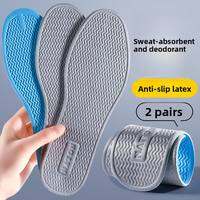
MICUI | Waterproof Breathable Anti-Slip Insoles for Men and Women
₱523.31
Buy on Lazada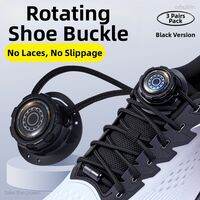
MICUI | Rotating Shoe Lace Buckle No-tie Fastening System
₱946.50
Buy on Lazada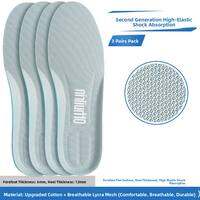
MICUI | Soft Cushioning Insoles for Mens Vans Sneakers and Womens Sports Shoes
₱306.24₱336.78
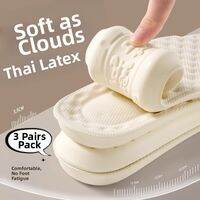
MICUI | Anti-Odor Absorbent Thickened Leather Insoles
₱764.39₱867.20
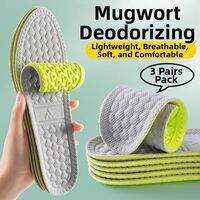
MICUI | Quick-Dry Waterproof Absorbent Anti-Odor Breathable Hiking Shoe Insoles
₱571.14₱625.83
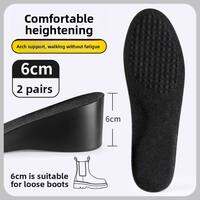
MICUI | Invisible Full-Sole Height Increase Insole Non-Tired Foot Sport Shock Absorption
₱766.19₱817.21
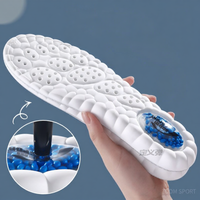
MICUI | Arch Support Shock Absorption Shoe Inserts for Men Flat Feet Correction
₱979.86
Buy on Lazada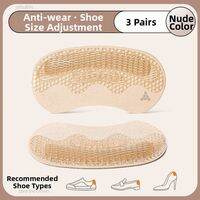
MICUI | Heel Protector Slip Resistant Half Size Shoe Pad
₱393.81
Buy on LazadaAbout MICUI
MICUI is a Chinese craft-decoration and accessories brand widely available in the Philippines through online marketplaces such as Lazada and AliExpress. It is best known for supplying resin rhinestones, acrylic stones, imitation pearls, beads, flatback gems, and other decorative components used in DIY crafts, jewellery making, garment embellishment, wedding decoration, and fashion accessories.13 While detailed corporate information is limited, MICUI has established a significant presence as a source of affordable decorative materials for Filipino hobbyists, designers, and small-scale sellers.3
Overview
| Field | Information |
|---|---|
| Brand name | MICUI / Micui |
| Industry | Craft supplies, fashion accessories, decorative components |
| Primary market | DIY, crafts, sewing, fashion decoration, jewellery making |
| Country of origin | China |
| Best known for | Resin rhinestones, flatback stones, beads and imitation pearls |
| Sales channels | Online marketplaces, including AliExpress and Lazada |
| Typical customers | DIY hobbyists, jewellery makers, crafters, sewists, costume makers and small-scale sellers |
| Product positioning | Large variety of inexpensive decorative components |
History and background
Publicly available information regarding MICUI’s corporate history, founders, headquarters, and manufacturing operations is limited. Unlike major consumer brands with extensive press coverage, MICUI functions primarily as an online-focused product brand and store identity, with its public footprint consisting largely of marketplace catalogues rather than corporate publications.
Marketplace records identify the Micui Official Store as a long-running seller of craft and decoration products, featuring an extensive catalogue of rhinestones, beads, and related accessories. Third-party tracking data indicates over a decade of seller activity, although this does not necessarily confirm the founding date of the MICUI brand itself.1 Available product records consistently identify MICUI items as originating from China.1
Product range
MICUI offers a broad catalogue that extends beyond standard rhinestones. Its products are generally categorised into several key groups.
Resin rhinestones
Resin rhinestones are arguably MICUI’s most recognisable product category. The brand offers numerous flatback resin rhinestones in various shapes, colours, finishes, and sizes, including round, oval, heart, flower, drop, square, and rectangular forms.1 Many products feature an AB (Aurora Borealis) finish, which creates an iridescent, multicoloured appearance. These stones are intended for decorative applications rather than serving as genuine gemstones.
Acrylic rhinestones
MICUI also retails acrylic decorative stones in numerous shapes and sizes, marketed for clothing, jewellery, crafts, wedding decoration, and accessories.1 Compared to glass crystals or natural gemstones, acrylic and resin components allow for mass production at relatively lower price points.
Flatback stones
A defining feature of the MICUI catalogue is the flatback format. These components are designed to sit flush against a surface and can be glued onto objects, sewn onto fabric, incorporated into craft projects, or attached to shoes, bags, garments, and accessories. Specific MICUI products are categorised as either glue-on or sew-on, depending on whether they have holes for stitching.1
Beads
The brand’s inventory includes conventional craft beads, such as coloured spacer beads and plastic or resin components for jewellery and DIY projects.1 These items position MICUI within the broader DIY bead and craft-supply market.
Imitation pearls
MICUI produces ABS imitation pearls and half-pearl/flatback pearl components. Marketplace listings show drop-shaped and half-pearl products made from resin or ABS-type materials, intended for jewellery, garments, bags, shoes, and scrapbook decoration.2 The brand also offers imitation-pearl bead chains and trims suitable for wedding dresses and costumes.2
Sew-on decorations
Decorative stones with pre-drilled holes allow for direct stitching onto fabric. These are particularly useful for dresses, costumes, stage clothing, wedding garments, handbags, shoes, and fashion accessories. A representative example is a large S-shaped resin stone specifically categorised as a sew-on flatback rhinestone.2
Materials
MICUI products utilise synthetic materials rather than precious or natural stones. Commonly documented materials include:
- Resin
- ABS/plastic
- Acrylic
- Other synthetic decorative materials
Individual listings typically specify resin for rhinestones and plastic or ABS resin for beads.1 This material strategy aligns with MICUI’s role as a supplier of craft components rather than fine jewellery gemstones.
Design philosophy and aesthetic
While MICUI does not publish a formal design manifesto, its catalogue exhibits several recurring characteristics.
Variety
The brand is distinguished by the sheer variety of shapes, colours, finishes, sizes, mounting methods, and decorative effects available. Catalogues contain everything from conventional round rhinestones to flowers, hearts, drops, geometric shapes, and unusual large-format decorative pieces.1
Decorative maximalism
MICUI products generally emphasise shine, colour, and visual impact. AB finishes, bright colours, imitation pearls, and crystal-like surfaces are common, making the brand suitable for projects requiring conspicuous decorative elements rather than minimalist luxury.
DIY-oriented design
Products are sold as components rather than finished consumer goods. Customers are expected to use the stones or beads to create or customise their own items, distinguishing MICUI from conventional fashion-jewellery brands.
Applications
MICUI components serve a wide range of creative and commercial purposes.
Fashion
Rhinestones and sew-on stones are frequently used to decorate dresses, shirts, costumes, dancewear, wedding clothing, and stage outfits.
Accessories
Products are marketed for embellishing handbags, shoes, hats, phone cases, and fashion ornaments. Marketplace specifications explicitly list garments, shoes, and bags among the intended uses for MICUI rhinestones.1
Jewellery making
Beads, pearls, flatback stones, and decorative components are incorporated into bracelets, necklaces, earrings, charms, brooches, and handmade accessories.
Scrapbooking and crafts
MICUI targets the general craft market, including scrapbook decoration and other DIY projects.2
Wedding decoration
The catalogue contains numerous products explicitly marketed for wedding dresses, wedding decoration, and related crafts, making weddings a significant application area for the brand.1
Business and market positioning
MICUI operates as a mass-market craft-supply brand rather than a luxury crystal manufacturer. Several characteristics support this positioning:
- Small package quantities are common.
- Products are offered in dozens of shapes and variations.
- Many items are inexpensive.
- Products are intended for DIY and customisation.
- The brand relies heavily on marketplace distribution.
- Quantities are suitable for both hobbyists and small-scale commercial craft work.1
The brand’s value proposition focuses on providing visually attractive, affordable components that makers can incorporate into their own creations.
Online presence in the Philippines
MICUI maintains a significant marketplace presence accessible to Philippine buyers. A dedicated MICUI storefront is listed on Lazada Philippines, presenting a wide range of products directly to local consumers.3 Additionally, the Micui Official Store on AliExpress serves international customers, with third-party records documenting substantial historical activity and numerous product listings.1
This marketplace-centred distribution model makes MICUI particularly accessible to Filipino DIY enthusiasts seeking inexpensive decorative materials without relying on specialist physical craft suppliers.
Brand identity
MICUI functions as a B2C/B2B2C-style craft-component brand, selling individual decorative components directly to consumers while also serving small businesses, designers, and makers. Its practical brand identity can be summarised as providing affordable, highly varied decorative components for DIY, fashion, and craft applications. The brand’s primary differentiation lies in the breadth of its decorative catalogue rather than a single signature product.
Comparison with crystal and jewellery brands
It is important to distinguish MICUI from premium crystal manufacturers such as Swarovski. MICUI’s catalogue is dominated by resin, acrylic, and plastic-based decorative components, whereas premium brands typically emphasise precision-cut glass or crystal, proprietary materials, luxury positioning, and finished jewellery. Consequently, MICUI is best understood as a craft-material and embellishment brand rather than a fine-jewellery or luxury-crystal house.
Reputation and customer feedback
Marketplace tracking records generally indicate positive customer feedback for individual MICUI products. For instance, specific imitation-pearl and rhinestone listings from the Micui Official Store have been recorded with ratings between 4.9/5 and 5.0, alongside numerous orders.2 However, these figures represent specific marketplace listings rather than a comprehensive measure of the entire brand’s quality.
Strengths and limitations
Strengths
- Very broad product selection
- Extensive variety of shapes, colours, and sizes
- Low-cost synthetic decorative materials
- Strong suitability for DIY projects
- Availability of both glue-on and sew-on applications
- Accessibility via Philippine and international marketplaces
- Utility for fashion customisation and small craft businesses
Limitations
- Limited corporate transparency: Public sources provide more information on products than on ownership, corporate structure, or financial performance.
- Material expectations: Products are primarily synthetic. Terms like “crystal” or “rhinestone” in listings should not be interpreted as indicating natural gemstones or premium crystal equivalents.
Name and terminology
The name MICUI should not be confused with unrelated entities sharing similar spelling. Search results may produce unrelated historical, linguistic, or corporate references; therefore, the craft brand should be identified specifically by its product category and marketplace presence.4
Summary
MICUI is a China-origin craft and fashion-decoration brand specialising in inexpensive synthetic embellishments. Its core assortment consists of resin and acrylic rhinestones, flatback stones, beads, imitation pearls, and sew-on decorations aimed at DIY enthusiasts, jewellery makers, fashion decorators, costume designers, sewists, and small craft businesses. Rather than competing as a luxury brand, MICUI’s competitive advantage lies in choice and accessibility, allowing customers to select from a vast array of affordable decorative components for customising clothing, accessories, and craft projects.1
References
- Buy Micui 100pcs New 11*16mm AB Color Sew on Resin Stones Flatback Sewing Oval Beads for Garment Bags Hats DIY Decoration ZZ416 in the online store Micui Official Store at a price of 4.94 usd with delivery: specifications, photos and customer reviews
- Micui Drop Pearl Beads ABS Half Pearls Flatback Scrapbooking Bead For Jewelry Making Resin Scrapbook Beads DIY Decorate MC212 – Price history & Review | AliExpress Seller – Micui Official Store | Alitools.io
- MICUI Products | Full Range on Lazada Philippines
- MICUI DE FLA SL (Inactiva): CIF, Dirección y Ventas – Iberinform