Shop on Lazada
Missha products
![[Missha] M Perfect Cover BB Cream 50ml SPF42 PA+++](https://filebroker-cdn.lazada.com.my/kf/S74b9c9734a294fe2aa5821634463f932w.jpg_200x200q80.jpg)
[Missha] M Perfect Cover BB Cream 50ml SPF42 PA+++
₱568.00₱1,000.00
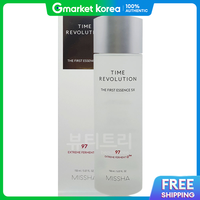
Missha | Missha Time Revolution the First Essence 5x 150ml
₱1,220.26₱1,829.94
[Missha] M Perfect Cover BB Cream SPF42 PA+++ 20ml
₱354.00₱600.00
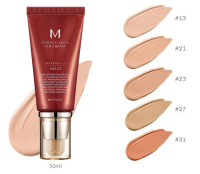
Missha M Perfect Cover BB Cream 50ml SPF42 PA+++
₱555.45₱680.00

Missha | Missha Magic Cushion Cover Long-lasting SPF50+/PA+++ 15g
₱504.67₱870.14

Missha | Missha m Perfect Cover Bb Cream 50ml Bb
₱582.92₱1,016.74
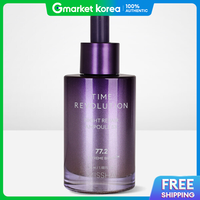
Missha| Time Revolution Night Repair Ampoule 5X 75ml
₱1,096.73₱1,648.72
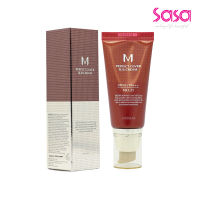
MISSHA M Perfect Cover BB Cream SPF42 PA+++ (50m) (#21 Light Beige / #23 Natural Beige)
₱626.00₱1,510.00
About Missha
Brand Overview
Missha is a South Korean cosmetics and skincare brand recognised for combining K-beauty formulations with accessible pricing. It serves as the flagship label of Able C&C Co., Ltd., a beauty company headquartered in Seoul. The brand’s origins are linked to Beautynet, an early Korean online cosmetics community and retail platform; Missha launched online in 2000 before opening its first physical store in 2002.1
The brand currently operates under the philosophy “Beauty in Every Moment”, emphasising ingredient-focused formulas, absorption technology, research-driven development, and products designed to address everyday skin concerns.2
Key Information
| Category | Details |
|---|---|
| Brand Name | Missha / 미샤 |
| Country of Origin | South Korea |
| Founded / Launched | 2000 |
| First Physical Store | 2002, Ewha Women’s University area, Seoul |
| Parent Company | Able C&C Co., Ltd. |
| Headquarters | Seoul, South Korea |
| Industry | Cosmetics, skincare, makeup, beauty |
| Main Markets | South Korea and international markets |
| Brand Philosophy | “Beauty in Every Moment” |
| Major Categories | Skincare, makeup, hair & body |
| Best-Known Franchises | Time Revolution, BB Cream, All Around Safe Block |
| Official Website | missha.com |
Able C&C currently lists Missha alongside sister brands such as A’pieu, Chogongjin, Cellapy, Mefactory, and MERZY.3
History
Origins: Beautynet and Online Launch
Unlike traditional cosmetics houses, Missha began as an online beauty business. In 2000, Beautynet launched as an online service, introducing Missha as a digital-first cosmetics brand built around direct consumer communication and affordable pricing.
In 2001, Able Communication was established, and the Beautynet women’s portal officially commenced operations. The company was subsequently renamed Able C&C Co., Ltd. in 2003. This online-first foundation allowed the brand to utilise customer feedback and direct sales data for product development rather than relying solely on traditional department store distribution channels.
First Physical Store and Road-Shop Model
Missha opened its first brick-and-mortar location in April 2002 near Ewha Women’s University in Seoul.4 This launch was significant in establishing the Korean “road-shop” model: standalone retail stores dedicated to a single affordable cosmetics brand. Missha became one of the primary drivers in popularising this sector within the Korean beauty market.
Expansion Milestones
The brand experienced rapid growth throughout the 2000s:
- 2003: Beautynet surpassed 1 million online members.
- 2004: Able C&C exceeded ₩100 billion in annual sales.
- 2005: Able C&C listed on KOSDAQ.
- 2006: Local corporations established in Japan and China.
- 2009: Missha became the first Korean cosmetics brand to enter Japanese airport duty-free outlets.
- 2010: Able C&C celebrated its 10th anniversary; Beautynet reached 5 million members.5
Reflecting its growth into a major industry player, the company transferred from KOSDAQ to KOSPI in 2011.6
Rise as a K-Beauty Brand
During the 2000s and early 2010s, Missha played a pivotal role in making Korean cosmetics accessible to a mass-market audience. Its strategy differentiated it from traditional prestige brands by focusing on:
- Affordable pricing
- Functional skincare
- Rapid product development cycles
- Direct-to-consumer retail
- Integration of online customer feedback
- International expansion via stores and distributors
This approach established the precedent that consumers could purchase functional Korean skincare without luxury price points.
The BB Cream Phenomenon
BB cream (blemish balm) was instrumental in building Missha’s international reputation. Originally associated with protective cosmetic formulations, it became a major K-beauty export during the 2000s and 2010s. Missha’s BB creams gained prominence by combining complexion coverage, skincare ingredients, sun protection, and base makeup functions in a lightweight formula.
By 2014, Missha reported that its BB Cream products had surpassed 30 million units sold. By June 2020, cumulative domestic and international shipments exceeded 130 million units, making it one of the most commercially significant products in the brand’s history.
Time Revolution Line
While BB Cream established Missha’s makeup credentials, Time Revolution became its signature skincare franchise. This line focuses on hydration, skin texture, radiance, barrier support, anti-ageing, and resilience. Key products include the First Treatment Essence and Night Repair series.
In 2019, Missha stated that cumulative sales across all generations of Time Revolution products had surpassed 10 million units.19 This franchise helped reposition the brand from a budget-friendly makeup label to a serious functional skincare contender.
Brand Philosophy
Missha articulates its current philosophy through three core concepts:
Origin: Proven by Ingredients
The brand prioritises selecting ingredients based on functional efficacy rather than marketing appeal alone.
Tech: Proven by Absorption
Missha employs customised absorption technologies intended to enhance the delivery of active ingredients into the skin.
Lab: Proven by Research
Research methodologies are informed by data from approximately 10 million customers, with emphasis placed on evaluating ingredient safety and product efficacy.2 This positions the modern brand towards science and performance rather than trend-driven marketing.
Product Portfolio
Missha’s offerings are categorised into skincare, makeup, and hair & body.7
Skincare
Skincare is widely considered the brand’s strongest category. Major product families include:
- Time Revolution
- Super Aqua
- Artemisia
- Atelo Collagen
- Vita C Plus
- Bee Pollen
- Various cleansers, toners, essences, serums, and creams
Listings in markets such as Vietnam feature key lines including Time Revolution Night Repair, Super Aqua Ultra Hyalron, Artemisia, Atelo Collagen, and Vita C Plus, indicating a consistent focus on core skincare franchises internationally.8
Makeup
The makeup portfolio encompasses BB creams, foundations, cushions, concealers, powders, lip products, eye makeup, blush, and tools. The brand’s heritage in this category remains closely tied to complexion products and BB creams.
Sun Care
Missha maintains a substantial sunscreen category, anchored by the All Around Safe Block line. Regional listings, such as those in Vietnam, include high-protection options like the All Around Safe Block SPF50+/PA++++ moisturizing sunscreen.9
Hair & Body
The official website also categorises products under Hair & Body, extending the brand’s scope beyond facial care and colour cosmetics.
Key Product Franchises
| Franchise | Positioning |
|---|---|
| Time Revolution | Premium/functional skincare and anti-ageing care |
| Time Revolution First Treatment | Essence and treatment-focused skincare |
| Time Revolution Night Repair | Night-time repair and nourishing skincare |
| Super Aqua | Hydration and moisture retention |
| Artemisia | Calming and moisture-oriented skincare |
| Atelo Collagen | Firming, plumping, and collagen-focused care |
| Vita C Plus | Vitamin C and brightening skincare |
| All Around Safe Block | Sunscreen and UV protection |
| BB Cream | Complexion makeup with skincare benefits |
Pricing and Market Position
Historically, Missha occupied the mass-market to affordable-premium segment. Its competitive proposition has been summarised as “functional Korean beauty at a price below traditional prestige cosmetics.” This positioning was particularly relevant in the 2000s when road-shop brands provided alternatives to expensive department store labels.
Today, the portfolio is more segmented. While basic skincare and makeup remain accessible, lines such as Time Revolution occupy a premium tier within the brand’s ecosystem.
International Expansion
Missha was an early mover in global K-beauty expansion. Able C&C established local corporations in Japan and China in 2006, followed by broader entry into Asia, Europe, North America, and the Middle East.10
Current global operations span South Korea, Japan, China, Thailand, Singapore, Vietnam, Indonesia, Taiwan, Hong Kong, Europe, Canada, the United States, and various Middle Eastern markets.11 Notably, Missha opened its first German store in 2015, which Able C&C described as the first European store operated directly by a Korean cosmetics brand.
By 2020, the company reported operating approximately 30,000 points of sale worldwide, comprising road shops, shop-in-shops, department store counters, and health-and-beauty retailers. This figure represents a historical aggregate of all retail touchpoints rather than dedicated standalone stores.
Corporate Structure
Missha is not an independent publicly traded entity but a brand operated by Able C&C Co., Ltd. The parent company’s portfolio includes Missha, A’pieu, Chogongjin, Cellapy, Mefactory, MERZY, and Body Holic.12
In 2017, Able C&C was acquired by IMM Private Equity, which continues to be identified as the ultimate controlling entity in recent corporate structures.
Role in K-Beauty History
Missha predates the global K-beauty boom of the late 2010s, representing an earlier generation of Korean beauty globalisation. Its evolution can be mapped across three phases:
- Phase 1 (2000–2002): Emergence from Beautynet as an online-first pioneer.
- Phase 2 (2002–2010s): Rapid expansion via standalone road shops and affordable cosmetics.
- Phase 3 (2010s–present): Shift towards skincare science, ingredient efficacy, and global distribution anchored by Time Revolution.
This trajectory underscores Missha’s historical importance despite the emergence of numerous newer competitors.
Brand Identity Evolution
The brand’s identity has shifted significantly over two decades. Earlier iterations were associated with youthful consumers, colourful low-cost makeup, and road-shop retail. The modern iteration presents a more sophisticated image focused on skincare efficacy, ingredient consciousness, and research.13 The slogan “Beauty in Every Moment” reflects this transition toward everyday functional beauty rather than purely budget cosmetics.
Major Milestones
- 2000: Beautynet launches; Missha launches online.
- 2001: Able Communication established; Beautynet begins as women’s portal.
- 2002: First physical store opens at Ewha Women’s University.
- 2003: Company renamed Able C&C.
- 2004: Annual sales surpass ₩100 billion.
- 2005: Able C&C listed on KOSDAQ.
- 2006: Japanese and Chinese corporations established.
- 2009: Entry into Japanese airport duty-free retail.
- 2010: 10th anniversary; Beautynet reaches 5 million members.
- 2011: Able C&C moves to KOSPI.
- 2013: Domestic Missha stores reach 700.
- 2014: BB Cream sales surpass 30 million units.
- 2015: Membership reaches 10 million; first German store opens.
- 2017: Able C&C acquired by IMM Private Equity.
- 2018: New brand identity (BI) introduced.
- 2019: Time Revolution surpasses 10 million cumulative units sold.
- 2020: 20th anniversary; 130 million BB Cream units shipped globally.
- 2022: Able C&C launches integrated online platform Able Shop.14
Differentiating Characteristics
Missha is defined by three primary characteristics:
- Korean Beauty Heritage: Part of the early generation that established Korea as a significant cosmetics market.
- Functional Positioning: Emphasis on product efficacy (hydration, brightening, firming) over luxury status.
- Mass-Market Accessibility: DNA rooted in online retail and road shops, with a stated goal of providing high satisfaction at reasonable costs.15
Consumer Reputation
Among consumers interested in Korean skincare, Missha maintains a strong price-to-performance reputation. Broad positioning assessments suggest:
- Skincare: High recognition
- BB Cream/Complexion: High recognition
- Affordable K-Beauty: High recognition
- Anti-Ageing Skincare: Strong recognition
- Makeup: Strong recognition
- Luxury Positioning: Limited association
The brand’s strongest historical equity lies in the combination of BB Cream and Time Revolution, which collectively established its international credentials in both makeup and skincare.
Comparative Market Position
| Brand | Broad Positioning |
|---|---|
| Missha | Functional, accessible K-beauty; strong skincare + makeup |
| A’pieu | Youthful, playful, straightforward K-beauty |
| The Face Shop | Mass-market skincare with natural-ingredient focus |
| Innisfree | Nature-oriented skincare |
| Laneige | Hydration-focused, mid-to-high premium |
| Sulwhasoo | Luxury Korean skincare |
| COSRX | Ingredient and skin-concern-focused modern skincare |
| Etude | Youthful makeup and skincare |
| Dr. Jart+ | Dermatology-inspired premium skincare |
Note: This table provides a broad market comparison and does not imply every product fits these categories exclusively.
Presence in Vietnam
Missha has developed a notable presence in Vietnam, where Korean cosmetics enjoy strong consumer demand. Local operations highlight the brand’s evolution from its Beautynet origins to its current international footprint.16 Current Vietnamese product listings feature major franchises including Time Revolution, Super Aqua, Artemisia, Atelo Collagen, Vita C Plus, and All Around Safe Block, demonstrating that skincare remains central to the local assortment.17
Summary
Missha is a South Korean cosmetics and skincare brand launched in 2000 through Beautynet and developed by Able C&C. It pioneered the road-shop model after opening its first physical store in 2002 and gained international recognition through affordable cosmetics and BB Cream. The brand later strengthened its skincare identity through franchises like Time Revolution and Super Aqua. Operating under the philosophy “Beauty in Every Moment,” Missha emphasises effective ingredients, absorption technology, and research. With distribution across Asia, Europe, North America, and the Middle East, it stands as one of the earlier Korean brands to establish a substantial global K-beauty presence.18
References
- ABLE C&C
- MISSHA
- ABLE C&C
- MISSHA
- Tất cả sản phẩm– Missha Việt Nam
- Kem dưỡng da
- ABLE C&C
- Câu chuyện thương hiệu– Missha Việt Nam
- Missha Việt Nam– Missha Việt Nam
- Able C&C FY2024: Profitability soars with growth from overseas sales, channel diversification
- What Kind of Company Was Missha, the Native Cosmetics Brand Listed for M&A? – The Asia Business Daily
- ABLE C&C
- ABLE C&C
- ABLE C&C
- ABLE C&C
- Kem dưỡng da
- Kem dưỡng da
- Kem dưỡng da
- Time Revolution – MISSHA US