Shop on Lazada
Zara products
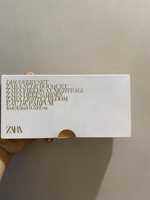
✅Authentic Zara Fragrances 30ml
₱2,795.00
Buy on Lazada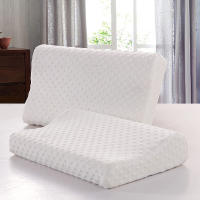
𝓗𝓖 Slow Rebound Natural Latex Memory Foam Pillow Orthopedic Sleep Neck Protection Cervical Health Care Head Cushion Pillows for Sleeping Buy 1 Take 1 Free Sale Natural Latex Mattress Pillow Case with Zipper Orthopedic Pillow Fiber Slow Rebound
₱395.00₱1,000.00
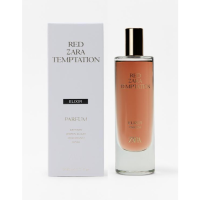
ORIGINAL ZARA RED TEMPTATION EAU DE PARFUM SUMMER / WINTER / FLORAL / SWEET / ELIXIR
₱3,799.00
Buy on Lazada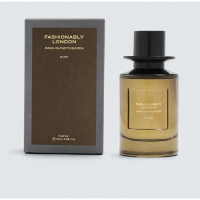
ZARA FASHIONABLY LONDON / ELIXIR / 30 ML / 100 ML EAU DE PARFUM
₱4,839.00
Buy on Lazada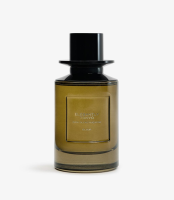
ZARA ELEGANTLY TOKYO 30 ML / 100 ML (2.54 FL. OZ EAU DE PARFUM
₱4,999.00
Buy on Lazada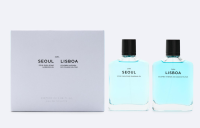
ZARA FOR HIM ZARA SEOUL / LISBOA SET / PER PIECE
₱2,699.00
Buy on Lazada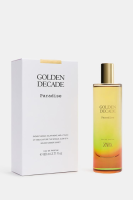
ZARA GOLDEN DECADE / WINTER EDP SUMMER/ ELIXIR 30 / 80 ML EAU DE PARFUM / CHRISTMAS EDITION
₱2,849.00
Buy on Lazada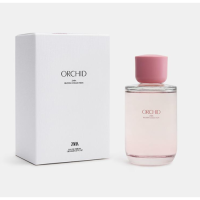
ZARA ORCHID / INTENSE 90 OR 180 ML (6.0 FL. OZ) EAU DE PARFUM
₱2,099.00
Buy on LazadaAbout Zara
Overview
| Attribute | Details |
|---|---|
| Brand Name | Zara |
| Founded | May 9, 1975 |
| Founder | Amancio Ortega |
| Headquarters | Arteixo, Galicia, Spain |
| Parent Company | Inditex |
| Industry | Fashion Retail |
| Products | Clothing, footwear, accessories, handbags, beauty products, perfumes, swimwear, home décor (through Zara Home) |
| Business Model | Fast Fashion |
| Global Presence | Online in more than 200 markets with stores across dozens of countries. [2] |
Zara is a Spanish multinational fashion retailer and one of the world’s most influential clothing brands. It specializes in affordable, trend-driven apparel, accessories, shoes, fragrances, and beauty products for women, men, and children. Zara is the flagship brand of Inditex (Industria de Diseño Textil, S.A.), one of the world’s largest fashion retail groups. The brand is recognized for pioneering the fast fashion business model, allowing it to quickly translate runway and street fashion trends into products available in stores and online. [1]
History
Zara was founded in 1975 by Amancio Ortega in A Coruña, Spain. The first store sold stylish clothing inspired by luxury fashion at prices affordable to the average consumer.
During the 1980s, Zara expanded throughout Spain and developed a revolutionary retail system that integrated design, manufacturing, distribution, and sales. This vertically integrated approach enabled the company to respond rapidly to changing consumer preferences.
International expansion began in 1988 with the opening of Zara’s first overseas store in Portugal. The brand later entered major global markets including the United States, France, the United Kingdom, Japan, and China. Today, Zara operates as the flagship brand of Inditex and has become one of the world’s best-known fashion retailers. [3]
Business Model
Zara is widely known for its innovative fast fashion strategy.
Key characteristics include:
-
Rapid design-to-store turnaround, often within a few weeks.
-
Frequent introduction of new collections throughout the year.
-
Limited production runs that create a sense of scarcity.
-
Close monitoring of customer preferences through store feedback and sales data.
-
Vertical integration, with much of the design, production, logistics, and retail operations managed within the company.
Unlike many fashion brands, Zara traditionally spends relatively little on advertising, relying instead on prime retail locations, store design, online platforms, and word-of-mouth marketing. [4]
Products
Zara offers a wide range of fashion products, including:
-
Women’s clothing
-
Men’s clothing
-
Children’s clothing
-
Shoes
-
Handbags
-
Jewelry
-
Accessories
-
Beauty and cosmetics
-
Perfumes
-
Swimwear
-
Sportswear
-
Seasonal collections
The company also operates Zara Home, which specializes in furniture, bedding, décor, tableware, and other home products.
Design Philosophy
Zara’s philosophy centers on delivering fashionable designs inspired by luxury trends while keeping prices accessible. The company emphasizes:
-
Minimalist aesthetics
-
Contemporary styles
-
Neutral color palettes
-
High product turnover
-
Trend responsiveness
-
Customer-focused design decisions
Rather than following traditional seasonal fashion calendars, Zara continuously updates its collections throughout the year based on demand and emerging trends. [5]
Global Presence
Zara has developed one of the largest retail networks in the fashion industry.
Its operations include:
-
Physical flagship stores in major cities worldwide.
-
E-commerce serving more than 200 markets.
-
Integrated online and in-store shopping experiences.
-
Technology such as RFID inventory systems and digital retail tools to improve efficiency and customer service. [6]
Sustainability
In recent years, Zara and its parent company, Inditex, have expanded sustainability initiatives, including:
-
Collections using recycled and lower-impact materials.
-
More energy-efficient stores and logistics.
-
Programs for clothing collection and recycling.
-
Efforts to improve supply chain transparency and reduce environmental impacts.
Despite these initiatives, Zara continues to face scrutiny regarding the environmental effects of fast fashion, including resource use, waste generation, and garment consumption. [7]
Competitive Advantages
Zara’s success is often attributed to:
-
Fast product development.
-
Efficient supply chain management.
-
Strong inventory control.
-
Continuous product refreshes.
-
Global brand recognition.
-
Prime retail locations.
-
Integration of physical and online retail.
Major Competitors
Zara competes with many international fashion retailers, including:
-
H&M
-
Uniqlo
-
Mango
-
Gap Inc.
-
Shein
Legacy
Zara is widely regarded as one of the pioneers of modern fast fashion. Its ability to move designs from concept to store shelves in a matter of weeks transformed apparel retailing and influenced competitors around the world. Today, it remains the flagship brand of Inditex and one of the most recognized fashion retailers globally, known for combining rapid trend adaptation with a broad international retail presence. [8]