Shop on Lazada
Miyoo products
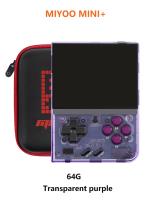
MIYOO Mini Plus Retro Handheld Game Console 3.5″IPS HD Screen Mini+ Portable Players childhood Classic Nostalgic Gaming Emulator
₱3,228.90₱4,428.00
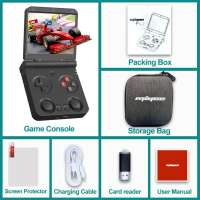
MIYOO Flip V2 Handheld Game Console 3.5IPS Screen Retro Compact Portable Game Machine for On-the-Go Entertainment Players Gift
₱4,323.91₱6,335.70

MIYOO Mini Flip Retro Handheld Game Console 2.8IPS Screen Classic Portable Video Game Consoles Simulator Retroid Players Gift
₱3,707.00₱4,141.50
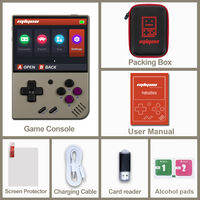
MIYOO Mini Plus Portable Retro Handheld Game Console Mini+ 3.5 IPS Screen Linux System Classic Video Game Console With Travel Bag Gaming Gift
₱3,228.90₱4,428.00
MIYOO Mini V4 Plus Button Motherboard Screen Special Link For Repair Parts
₱1,312.00₱1,500.00
About Miyoo
Overview
| Item | Information |
|---|---|
| Brand | Miyoo |
| Industry | Consumer Electronics |
| Products | Retro handheld game consoles |
| Headquarters | Shenzhen, Guangdong, China (company associated with Shenzhen Lemiyou Technology Co., Ltd.) [2] |
| Founded | Active since the late 2010s (public retail presence around 2019–2020) [3] |
| Operating System | Proprietary Miyoo OS (Linux-based) |
| Primary Market | Global |
History
Although Miyoo rarely publishes detailed corporate history, the company emerged during the rapid growth of the Chinese retro handheld market. Originally one of several Shenzhen manufacturers producing Linux-based handheld gaming devices, Miyoo gradually distinguished itself through better industrial design, high-quality displays, and compact form factors.
The brand became internationally recognized after releasing the Miyoo Mini in 2022. The device unexpectedly became one of the most popular retro handhelds ever produced due to its:
-
Extremely compact size
-
Excellent IPS display
-
Comfortable controls
-
Strong open-source community support
-
Affordable price
Demand quickly exceeded production, causing worldwide shortages for several months. [4]
Philosophy
According to Miyoo, the company’s goal is to make handheld gaming:
-
Simple
-
Portable
-
Reliable
-
Easy to enjoy anywhere
Rather than competing with powerful gaming PCs or Android handhelds, Miyoo focuses on lightweight devices dedicated to classic gaming experiences. [5]
Product Line
Miyoo Mini
Released in 2022, the Miyoo Mini became the company’s breakthrough product.
Highlights
-
2.8-inch laminated IPS display
-
Linux operating system
-
Pocket-sized vertical design
-
Excellent D-pad
-
Community firmware support
The laminated display significantly improved image clarity compared with many competing handhelds. [6]
Miyoo Mini Plus
The Mini Plus is a larger version of the original Mini.
Improvements include:
-
3.5-inch IPS screen
-
Larger battery
-
Better ergonomics
-
Wi-Fi connectivity
-
Improved durability
It remains one of the most recommended entry-level retro handhelds. [7]
Miyoo A30
Released as Miyoo’s first horizontal handheld.
Features include:
-
Horizontal layout
-
Analog stick
-
Better comfort for long play sessions
-
Compact dimensions
The A30 targets users who prefer a landscape design over the Game Boy-inspired vertical form factor. [8]
Miyoo Flip
The Miyoo Flip introduces a clamshell design inspired by handheld consoles such as the Game Boy Advance SP.
Key features include:
-
Folding design
-
Larger screen
-
Dual microSD support
-
More powerful hardware than earlier Miyoo devices
It is intended to combine portability with improved durability by protecting the screen when closed. [9]
Software
Miyoo OS
Miyoo ships its devices with Miyoo OS, a proprietary Linux-based operating system designed for quick startup and simple navigation.
Features include:
-
Fast boot time
-
Emulator management
-
Save states
-
Game library browsing
-
Basic settings interface
Unlike some competitors, Miyoo’s stock operating system is closed-source. [10]
Community Software
A major reason for Miyoo’s popularity is its active developer community.
Popular community firmware includes:
-
OnionOS (for the Miyoo Mini and Mini Plus)
-
Allium
-
MiniUI
These projects add features such as:
-
Improved menus
-
Better emulator performance
-
Themes
-
Enhanced file management
-
Network features
-
Automatic game scraping
-
Achievement support
-
Expanded customization
Many users consider OnionOS the preferred software experience for supported Miyoo devices. [11]
Hardware Design
Miyoo devices are known for:
-
Compact size
-
High-quality IPS screens
-
Good directional pads
-
Responsive face buttons
-
Lightweight construction
-
Long battery life relative to their size
The company typically prioritizes portability over maximum processing power.
Supported Systems
Depending on the model and emulator software, Miyoo handhelds can emulate many classic systems, including:
-
NES
-
SNES
-
Game Boy
-
Game Boy Color
-
Game Boy Advance
-
Sega Master System
-
Sega Genesis / Mega Drive
-
Game Gear
-
Neo Geo
-
Neo Geo Pocket
-
PC Engine / TurboGrafx-16
-
PlayStation (PS1)
-
Arcade systems (various)
Performance varies by device and emulator.
Community
Miyoo has developed one of the largest communities in the retro handheld space.
Users contribute:
-
Custom firmware
-
Themes
-
Performance optimizations
-
Homebrew software
-
Emulator improvements
-
Game artwork collections
-
Setup guides
This community support has significantly extended the lifespan and appeal of Miyoo devices beyond their original software.
Reception
Miyoo products are generally praised for:
Strengths
-
Excellent value for money
-
Premium-feeling displays
-
Compact design
-
Strong custom firmware ecosystem
-
Comfortable controls
-
Easy portability
Common criticisms
-
Limited processing power compared to newer handhelds
-
Stock firmware is less feature-rich than community alternatives
-
Occasional supply shortages for popular models
-
Build quality can vary slightly between production batches
Competitors
Miyoo competes with several other manufacturers in the retro handheld market, including:
-
Anbernic
-
Retroid
-
Powkiddy
-
TrimUI
-
AYN
Legacy
The Miyoo Mini is widely regarded as one of the most influential retro handheld consoles of the early 2020s. Its combination of portability, affordability, and extensive community software support helped popularize the modern pocket-sized emulation handheld category and inspired numerous competing devices. [12]