Shop on Lazada
Mizkan products
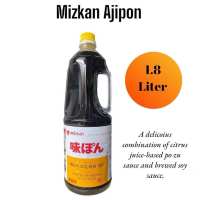
CMH Japan Mizkan Ajipon Ponzu Citrus Seasoned Soy Sauce 600ml and 1L
₱565.00₱680.00
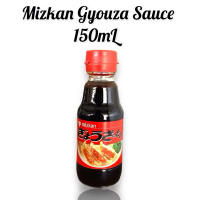
CMH Mizkan Gyouza Dumpling Sauce 150ml
₱118.00₱149.00
![[Japan] Mizkan Grain / Sushi Vinegar - 500mL / 900mL / 1.8L](https://ph-live.slatic.net/p/c420f149670f6282788ca05fc4d66f50.jpg_200x200q80.jpg)
[Japan] Mizkan Grain / Sushi Vinegar - 500mL / 900mL / 1.8L
₱519.00₱575.00
CMH Japan Mizkan Sesame / Pon Shabu Shabu Hotpot Dipping
₱280.00₱400.00
MIZKAN VINEGAR KOKUMOTSU 1.8L
₱429.00₱460.00
![[Japan] Mizkan Cooking Sake - 360mL | 400mL | 1 Liter](https://ph-live.slatic.net/p/d2be3374c9561db26f64a991c2cbae73.jpg_200x200q80.jpg)
[Japan] Mizkan Cooking Sake - 360mL | 400mL | 1 Liter
₱309.00₱360.00
Japan Mizkan Cooking Sake 360ml
₱160.00
Buy on Lazada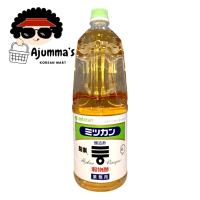
Japan Mizkan Rice & Grain Vinegar / Sushi Vinegar/Distilled Rice Vinegar - 1.8L
₱465.00
Buy on LazadaAbout Mizkan
Overview
Mizkan Group, commonly referred to as Mizkan, is a Japanese family-owned food manufacturer best known for its vinegar, seasonings, sauces and other fermented products. Established in 1804 in Handa, Aichi Prefecture, the company has grown from a local vinegar producer into an international food group with operations across Japan and Asia, North America and Europe. 2
The corporate mission of Mizkan is “Bringing Flavor to Life™,” supported by two longstanding principles: “Offer Customers Only the Finest Products” and “Continuously Challenge the Status Quo.” 2
Company at a glance
| Item | Details |
|---|---|
| Company name | Mizkan Group / Mizkan Holdings Co., Ltd. |
| Founded | 1804 |
| Founder | Matazaemon Nakano I |
| Origin | Handa, Aichi Prefecture, Japan |
| Industry | Food & beverages / food manufacturing |
| Ownership | Privately held, family-owned |
| Core heritage | Vinegar and fermentation |
| Main products | Vinegar, rice vinegar, ponzu, sauces, seasonings, cooking wines, pasta sauces, pickles, natto and other foods |
| Global regions | Japan & Asia, North America, Europe |
| Employees | Approximately 3,470 as of April 1, 2026 |
| FY2025 sales | ¥313.1 billion |
| FY2025 operating income | ¥26.7 billion |
| Mission | “Bringing Flavor to Life™” |
| Headquarters | Handa City, Aichi, Japan |
The FY2025 financial figures refer to the fiscal year ending February 2026. Mizkan reports 8 production sites in Japan, 12 in the United States and 2 in the United Kingdom. 2
Origins and early history
The history of Mizkan dates to 1804 during Japan’s Edo period. The founder, Matazaemon Nakano I, was originally a sake brewer in Handa. During a visit to Edo (modern-day Tokyo), he observed the rising popularity of sushi and identified an opportunity to produce vinegar from sake lees, the solid residue remaining after sake production. 1
This approach was unconventional at the time, as sake brewers typically avoided vinegar production due to contamination risks. Nakano instead developed sake-lees vinegar, creating a product particularly suited to sushi rice. This innovation laid the foundation for what would become the Mizkan Group. 2
Connection to Edo-style sushi
Mizkan’s origins are closely linked to the development of Edo-style sushi. Rather than producing a generic commodity, the company responded to evolving food culture by developing a specialised ingredient. Vinegar became essential for seasoning sushi rice and enhancing the overall dining experience. This philosophy of combining fermentation technology, culinary culture and consumer needs has remained central to Mizkan’s identity for over two centuries. 1
Expansion of vinegar production
In 1811, Mizkan opened its first dedicated vinegar brewery, later known as the Handa Factory, enabling larger-scale production of fermented vinegar. 1
Successive leadership further consolidated this focus. Matazaemon Nakano II transformed vinegar from a secondary activity into the company’s core business by significantly increasing production and sales of sake-lees vinegar and establishing Mizkan’s presence in the Edo market. 2
Yamabuki premium vinegar
One of Mizkan’s oldest surviving products is Yamabuki, a premium sake-lees vinegar introduced around the 1840s. Made using matured sake lees, it became particularly associated with sushi preparation. 2
Yamabuki exemplifies Mizkan’s historical business model, which has competed on fermentation expertise, flavour profile and culinary performance rather than solely on price or volume.
Corporate identity and symbols
Before adopting the modern Mizkan identity, the company was historically associated with the name Mitsukan. The Mizkan corporate mark was registered as a trademark in 1887 and is derived from the Nakano family crest. 2
In North American markets, the symbol carries an additional interpretation: the three bars represent taste, tang and aroma, while the surrounding circle signifies their balance. 1
Diversification into seasonings and prepared foods
Throughout the 20th century, Mizkan expanded beyond traditional vinegar production. Key developments included:
- Investment in food research and development
- Bottled vinegar production
- Seasonings and sauces
- Japanese prepared foods
- International expansion
In 1942, the company established what became its Central Research Institute, reflecting a growing emphasis on scientific product development. Full-scale production of bottled vinegar began in 1954. 2
Introduction of Aijpon
In 1964, Mizkan launched Aijpon, a citrus-seasoned soy sauce that became a staple Japanese condiment. Marketing efforts included recipe demonstrations and hot-pot tastings, reflecting a strategy of promoting practical usage in everyday cooking rather than simply selling ingredients. 2
This marked a shift towards helping consumers create complete meals, a concept that continues to define Mizkan’s product development.
International expansion
Mizkan began expanding internationally in the latter half of the 20th century. The company entered the United States market in the late 1970s, eventually acquiring established American vinegar businesses. A significant milestone occurred in 1981 with the acquisition of American Industries Company, which strengthened its US footprint. 2
North America subsequently became one of Mizkan’s largest regional markets. Growth was achieved through both organic expansion and acquisitions, allowing the company to operate in Western food categories alongside Japanese-inspired products.
North American operations
The North American portfolio now extends well beyond traditional Japanese vinegar. Major brands include:
- RAGÚ® — pasta sauces
- Bertolli® — pasta sauces
- Holland House® — cooking wines and related products
- Nakano® — rice vinegar
- Mizkan® — Japanese-inspired vinegars and sauces
Mizkan entered the pasta sauce category in 2014 through the acquisition of the RAGÚ and Bertolli sauce businesses. 2 Consequently, pasta sauce and vinegar have become the two primary business pillars in North America.
European operations
Mizkan has also built a substantial presence in Europe, particularly in the United Kingdom. Its UK portfolio includes established British food brands such as:
- Sarson’s — vinegar
- Branston — pickles, relishes and table sauces
- Haywards — pickled vegetables
- Mizkan — Japanese food products
The company acquired Sarson’s and Haywards in 2012, followed by Branston in 2013. 3 This reflects Mizkan’s international strategy of acquiring and developing locally established food brands while leveraging its core expertise in condiments and manufacturing.
Current business structure
Modern Mizkan operates as a global food group with vinegar and seasonings at its historical core. Operations are divided into three geographic regions plus the ZENB business:
Japan and Asia
Products in this region include vinegar, rice vinegar, ponzu, hot-pot sauces, tsuyu, seasonings, natto, food-service ingredients and prepared foods. 2
North America
The North American business focuses primarily on pasta sauces, vinegar, cooking wine and Japanese-inspired seasonings. Key brands include RAGÚ, Bertolli, Holland House, Nakano and Mizkan. 2
Europe
European operations centre on pickles, vinegar, relishes, table sauces and Japanese foods, with Branston, Sarson’s and Haywards serving as anchor brands. 3
ZENB
Mizkan has developed ZENB, a food brand based on utilising whole vegetables—including parts typically discarded—to create nutritious food products. 2
Major product categories
While strongly associated with vinegar, Mizkan’s portfolio encompasses several distinct categories.
Vinegar
Vinegar remains the company’s historical foundation. Products include rice vinegar, seasoned rice vinegar, sake-lees vinegar, balsamic vinegar, wine vinegar, distilled vinegar and specialty sushi vinegar. Mizkan describes itself as the world’s largest vinegar manufacturer. 1
Japanese seasonings
The company produces condiments for traditional and modern Japanese cooking, including ponzu, mirin, dipping sauces, hot-pot sauces and sushi seasonings. The Mizkan Japanese line is positioned as a leading rice-vinegar and ponzu brand in Japan. 1
Pasta sauces
In North America, RAGÚ and Bertolli form a major component of the consumer business. 2
Cooking wines
Holland House is a significant brand in the North American market, particularly for cooking wine and related culinary products. 2
Pickles and table sauces
In the UK and Europe, brands such as Branston, Sarson’s and Haywards provide a substantial presence in the pickles, vinegar and table sauce categories. 3
Natto and fermented foods
In Japan, Mizkan manufactures and sells natto, a traditional fermented soybean food. 2
Relationship with sushi
Mizkan’s identity is intrinsically linked to sushi. The company originated by recognising the potential of sake-lees vinegar as sushi gained popularity in Edo. Over two centuries, Mizkan developed vinegars specifically suited to sushi rice and collaborated closely with culinary professionals.
For example, Shiragiku vinegar was introduced in 1951 following feedback from sushi chefs and continues to be positioned as a specialist product for sushi preparation. 1 This history distinguishes Mizkan from generic vinegar manufacturers, as its development parallels the commercialisation of Japanese sushi culture.
Family ownership and governance
Mizkan has remained a family-owned business for more than two centuries. The Nakano family has maintained leadership through successive generations, with historical records referencing seven Matazaemons who shaped the company’s trajectory. 2
As of 2026, Miwa Nakano serves as Chairman and Group CEO of Mizkan Holdings, while Yuko Nakano holds the position of Group Deputy CEO/President. 2 This continuity supports a corporate emphasis on long-term stewardship rather than short-term financial cycles.
Corporate philosophy and sustainability
Mizkan’s philosophy rests on two principles: “Offer Customers Only the Finest Products” and “Continuously Challenge the Status Quo.” These reflect a commitment to maintaining quality while pursuing innovation. 2
The broader mission, “Bringing Flavor to Life™,” connects to a belief that food should deliver enjoyable taste while contributing to well-being. The current vision emphasises delicious, nutritious and accessible food, alongside sustainability and innovation. 2
Sustainability commitments
Sustainability is integrated into Mizkan’s long-term strategy, with stated ambitions to remain a sustainable company for the next 100 years and beyond. Key focus areas include:
- Responsible use of natural resources
- Food safety
- Reducing environmental impact
- Sustainable food production
- Healthier food choices
- Innovation in food production
- Long-term contribution to society
This approach aligns with the company’s historical roots, as vinegar production itself originated from finding value in sake lees, a by-product of fermentation. 2
Financial scale and workforce
According to its latest corporate profile, Mizkan employed approximately 3,470 people as of April 1, 2026.
For the fiscal year ending February 2026, the group reported:
- Sales: ¥313.1 billion
- Operating income: ¥26.7 billion
- EBITDA: ¥42.2 billion
Regional sales breakdown was approximately:
- Japan + Asia: ¥121.6 billion
- North America: ¥168.0 billion
- Europe: ¥23.4 billion
These figures illustrate that North America is now the group’s largest regional business by sales, driven largely by pasta-sauce and vinegar operations. 2
Key milestones
| Year | Milestone |
|---|---|
| 1804 | Matazaemon Nakano I establishes the vinegar business |
| 1811 | First Mizkan vinegar brewery opens |
| 1840s | Premium Yamabuki vinegar emerges |
| 1887 | Mizkan mark becomes a registered trademark |
| 1942 | Research institute established |
| 1951 | Shiragiku sushi vinegar introduced |
| 1954 | Large-scale bottled vinegar production begins |
| 1964 | Aijpon citrus-seasoned soy sauce introduced |
| 1970s | Mizkan begins international expansion |
| 1981 | Acquisition of American Industries Company strengthens U.S. presence |
| 2004 | 200th anniversary; modern “Bringing Flavor to Life” vision introduced |
| 2005 | Holland House acquired |
| 2012 | Sarson’s and Haywards acquired |
| 2013 | Branston acquired |
| 2014 | RAGÚ and Bertolli pasta-sauce businesses acquired |
| 2024 | Mizkan celebrates its 220th anniversary |
| 2026 | Group reports ¥313.1 billion in FY2025 sales |
Distinctive characteristics
Mizkan’s competitive identity is defined by five key attributes:
- Exceptional longevity — Founded in 1804, the company has over 220 years of continuous history. 2
- Fermentation expertise — Vinegar remains the technological and historical foundation of the business.
- Strong connection to Japanese cuisine — Particularly in sushi, rice vinegar and ponzu categories.
- International brand portfolio — Ownership of major Western brands such as RAGÚ, Bertolli and Branston alongside Japanese labels.
- Family ownership and long-term thinking — Direct involvement of the Nakano family across multiple generations.