Shop on Lazada
My Little Pony products
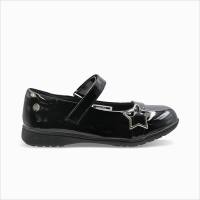
Hasbro My Little Pony Black School Shoes with Memory Foam for Kids Girls Ettas
₱1,199.00
Buy on Lazada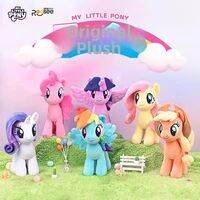
My Little Pony | Officially Licensed My Little Pony Plush Toy
₱5,255.48₱6,784.60
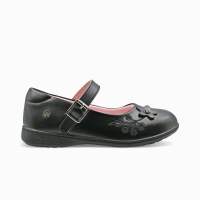
Hasbro My Little Pony Black School Shoes with Memory Foam for Kids Girls Eliodora
₱1,199.00
Buy on Lazada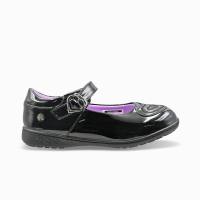
Hasbro My Little Pony Black School Shoes with Memory Foam for Kids Girls Kyoda
₱1,199.00
Buy on Lazada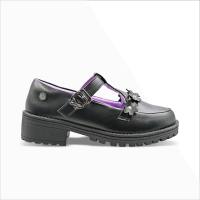
Hasbro My Little Pony Black School Shoes with Memory Foam for Kids Girls Zeffie
₱1,399.00
Buy on Lazada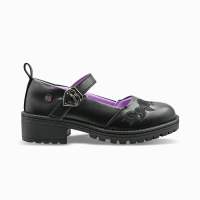
Hasbro My Little Pony Black School Shoes with Memory Foam for Kids Girls Quintessa
₱1,399.00
Buy on Lazada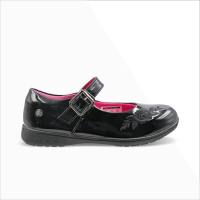
Hasbro My Little Pony Black School Shoes with Memory Foam for Kids Girls Willabelle
₱1,199.00
Buy on Lazada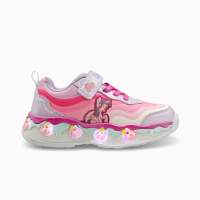
Hasbro My Little Pony LED Shoes for Kids Girls Miray
₱1,274.00₱1,799.00
About My Little Pony
My Little Pony (MLP) is an American toy and multimedia entertainment franchise created and owned by Hasbro. Originally launched as a toy line in 1983, the brand has grown into one of the world’s most recognizable children’s franchises, encompassing toys, animated television series, feature films, books, comics, video games, music, and licensed merchandise. It is best known for its colorful ponies, magical fantasy settings, and themes of friendship, kindness, courage, and self-discovery. The franchise was developed from the earlier My Pretty Pony toy released in 1981. [1]
Overview
-
Brand Name: My Little Pony
-
Owner: Hasbro
-
Creator: Bonnie Zacherle (with Charles Muenchinger and Steve D’Aguanno)
-
Country of Origin: United States
-
First Released: 1983
-
Original Product: Toy line
-
Target Audience: Primarily children, especially ages 3–10
-
Genres: Fantasy, Adventure, Comedy, Slice of Life
-
Current Status: Active
History
Origins (1981–1983)
The franchise began with My Pretty Pony, a larger horse toy introduced by Hasbro in 1981. Although moderately successful, the toy was redesigned into smaller, more colorful ponies with distinctive symbols on their flanks, creating My Little Pony in 1983.
The earliest toys featured:
-
Brushable manes and tails
-
Bright pastel colors
-
Unique symbols identifying each pony
-
Fantasy species such as unicorns and pegasi
These flank symbols later became known as Cutie Marks, one of the franchise’s defining features. [1]
Franchise Generations
The franchise is commonly divided into five major generations, each featuring new character designs, stories, and settings.
Generation 1 (G1)
1982/1983–1997
The original era established the foundation of the franchise.
Characteristics
-
Soft pastel toy designs
-
Dream Valley setting
-
Magic and fairy-tale adventures
-
Introduced unicorns, pegasi, dragons, and other creatures
Main Media
-
My Little Pony ‘n Friends
-
My Little Pony Tales
-
1986 animated movie
-
Numerous specials and direct-to-video releases
Generation 2 (G2)
1997–2003
A redesign aimed at modern audiences.
Features included:
-
More realistic proportions
-
Smaller toy bodies
-
Computer-themed accessories
-
Limited animated media
Although commercially successful in parts of Europe, G2 had a relatively short run.
Generation 3 (G3)
2003–2010
Focused on younger children.
Characteristics:
-
Softer, rounded designs
-
Bright colors
-
Slice-of-life storytelling
-
Numerous direct-to-DVD specials
Popular characters included:
-
Minty
-
Pinkie Pie (original G3 version)
-
Rainbow Dash (G3 version)
-
Cheerilee
Hasbro reported selling over 100 million My Little Pony toys from 2003 onward before the next major relaunch. [2]
Generation 4 (G4)
2010–2021
Often considered the franchise’s most influential era.
Created by Lauren Faust, G4 introduced:
-
Rich world-building
-
Serialized storytelling
-
Strong character development
-
Broader appeal to families and older audiences
Main Setting
Equestria
Main Characters (The “Mane Six”)
-
Twilight Sparkle
-
Rainbow Dash
-
Pinkie Pie
-
Applejack
-
Rarity
-
Fluttershy
Main Villains
-
Discord
-
Queen Chrysalis
-
Tirek
-
King Sombra
-
Cozy Glow
Major Productions
-
My Little Pony: Friendship Is Magic (2010–2019)
-
Equestria Girls films and specials
-
My Little Pony: The Movie (2017)
G4 gained a significant adult fan community, often referred to as Bronies, expanding the franchise’s cultural impact beyond its original audience. [2]
Generation 5 (G5)
2021–Present
A new continuity featuring a technologically advanced Equestria.
Main Characters
-
Sunny Starscout
-
Izzy Moonbow
-
Hitch Trailblazer
-
Zipp Storm
-
Pipp Petals
-
Misty Brightdawn
Major Media
-
My Little Pony: A New Generation (2021)
-
Tell Your Tale
-
Make Your Mark
This generation explores a world where pony tribes have become separated before rediscovering unity through friendship. [3]
Core Themes
Across all generations, My Little Pony emphasizes:
-
Friendship
-
Kindness
-
Honesty
-
Loyalty
-
Generosity
-
Magic
-
Teamwork
-
Acceptance
-
Personal growth
-
Community
These recurring themes have remained central despite changes in characters and settings.
The World of Equestria
The primary fantasy world of the franchise is Equestria, inhabited by magical pony species and other creatures.
Common pony races include:
-
Earth Ponies
-
Unicorns
-
Pegasi
-
Alicorns (winged unicorns)
Other creatures include:
-
Dragons
-
Griffons
-
Changelings
-
Yaks
-
Hippogriffs
-
Kirin
-
Zebras
Cutie Marks
One of the franchise’s signature concepts is the Cutie Mark.
A Cutie Mark is a symbol that appears on a pony’s flank and represents:
-
Special talent
-
Purpose
-
Personal identity
-
Individual strengths
Many stories focus on discovering one’s Cutie Mark as a metaphor for self-discovery.
Merchandise
My Little Pony has expanded far beyond toys.
Major product categories include:
-
Fashion dolls
-
Plush toys
-
Playsets
-
Books
-
Comics
-
Coloring books
-
Video games
-
School supplies
-
Clothing
-
Collectibles
-
Home décor
-
Digital content
The brand has also collaborated with numerous fashion, entertainment, and consumer brands over the years. [4]
Television and Film
Notable productions include:
-
My Little Pony ‘n Friends (1986)
-
My Little Pony Tales (1992)
-
Friendship Is Magic (2010–2019)
-
Equestria Girls (2013–2019)
-
My Little Pony: The Movie (2017)
-
A New Generation (2021)
-
Make Your Mark (2022–2023)
-
Tell Your Tale (2022–present)
Comics
The franchise has been adapted into numerous comic series, particularly by IDW Publishing, expanding the lore with original stories, alternate universes, and crossover events.
Video Games
My Little Pony has appeared in:
-
Mobile games
-
Browser games
-
Educational games
-
Console titles
-
PC games
Many games allow players to build towns, collect characters, and complete story-based quests.
Cultural Impact
My Little Pony is regarded as one of Hasbro’s flagship franchises and has influenced popular culture for decades. The success of Friendship Is Magic introduced the brand to a broad, multigenerational audience, inspiring fan art, conventions, music, cosplay, and extensive online communities. [2]
In 2024, the original My Little Pony toy line was inducted into the National Toy Hall of Fame, recognizing its lasting popularity and contribution to imaginative play. [5]
Legacy
More than four decades after its debut, My Little Pony remains one of the most enduring toy and entertainment franchises in the world. Through multiple reinventions, it has continued to introduce new characters and stories while maintaining its core message that friendship, empathy, and cooperation are powerful forces. The combination of collectible toys, animated storytelling, and memorable characters has helped the brand remain relevant across generations.