Shop on Lazada
Nokia products
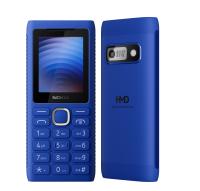
【Top Choice】HMD&Nokia 100/110/105C 2G Senior/Student essential Keypad Basic Phone FM Radio Long Standby No Online Games
₱1,490.00₱1,790.00
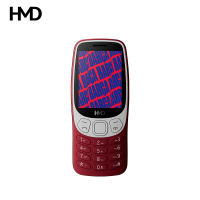
【Retro Vibe】Nokia 3210 4G Cloud Apps 2MP CCD Cam era 1450mAhBattery Feature Keypad Phone
₱3,490.00₱4,090.00
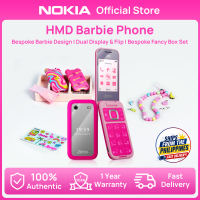
【Barbie X HMD】HMD Barbie 4G Flip Phone Dual Sim Fancy Box Basic Keypad Feature 1 year warranty makers of NOKIA
₱3,890.00₱4,290.00
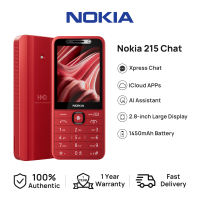
【Top Sales】Nokia 215 4G/215 Chat Keypad Basic Feature Phone Dual Sim 2.8″ Display FM Cloud APP(Facebook/Youtube) non camera
₱2,990.00₱3,390.00
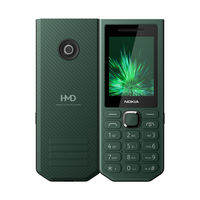
【NEW】Nokia 300 Power Bank 2G Keypad Phone 3700mAh Huge Battery 45 Days Standby 5W Reverse Charging Rugged Anti-slip Body Basic Feature
₱1,990.00₱2,390.00
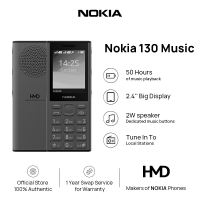
【Top Sales】HMD&Nokia 130 2G 2500mAh LongStandby Dual Sim 2.4″ Display 2W Loud Speakers Feature Keypad Basic Phone
₱1,690.00₱1,990.00
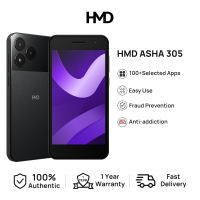
【New】HMD Asha 305 Lite Smartphone| AOSP Android OS Easy-Use |Fraud-Prevention| Anti-addiction makers of Nokia
₱3,790.00₱4,490.00
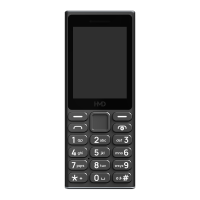
【Basic Essential】HMD 101/102/105 4G students/Senior Phone Dual Sim Long Standby Type-C MP3 FM Radio makers of Nokia
₱1,908.60₱2,390.00
About Nokia
Nokia Corporation is a Finnish multinational technology company and one of the world’s oldest and most influential telecommunications firms. Founded in 1865, Nokia has evolved from a paper mill into a global leader in network infrastructure, telecommunications equipment, software, and digital services. Although it became internationally famous for its mobile phones in the 1990s and early 2000s, the modern Nokia primarily focuses on building and supporting the communication networks that power the internet, mobile operators, enterprises, and cloud infrastructure. [1]
Overview
-
Full Name: Nokia Corporation
-
Founded: May 12, 1865
-
Founder: Fredrik Idestam
-
Headquarters: Espoo, Finland
-
Industry: Telecommunications, Network Infrastructure, Information Technology
-
Type: Public company
-
Stock Listings: Nasdaq Helsinki (NOKIA), New York Stock Exchange (NOK)
-
Area Served: Worldwide
-
Employees: Tens of thousands across more than 100 countries
-
Official Website: Nokia [2]
History
Early Years (1865–1960s)
Nokia was established in 1865 by mining engineer Fredrik Idestam as a wood pulp mill in southern Finland. A second mill was later built near the Nokianvirta River, from which the company took its name.
Over the following decades, Nokia expanded into several industries, including:
-
Paper products
-
Rubber goods (boots, tires)
-
Electrical cables
-
Power generation
By the mid-20th century, Nokia had become a diversified industrial company with operations spanning multiple sectors. [3]
Entry into Electronics (1960s–1980s)
During the 1960s and 1970s, Nokia began investing heavily in electronics and telecommunications. It developed:
-
Telephone exchanges
-
Radio communication equipment
-
Digital switching systems
-
Military and industrial communication technologies
These investments laid the foundation for Nokia’s future leadership in mobile communications. [4]
Rise as a Mobile Phone Giant (1990s–2007)
Nokia became the world’s largest mobile phone manufacturer during the 1990s.
Major milestones included:
-
Producing some of the first GSM mobile phones
-
Launching iconic devices such as the Nokia 3310, Nokia 1100, and Nokia 6600
-
Popularizing SMS messaging
-
Introducing the “Snake” mobile game
-
Becoming synonymous with reliable, durable mobile phones
At its peak:
-
Nokia controlled over one-third of the global mobile phone market.
-
Hundreds of millions of Nokia phones were sold annually.
-
The Nokia ringtone became one of the world’s most recognizable sounds. [5]
Challenges and Decline
The smartphone revolution, led by Apple’s iPhone (2007) and Android devices, dramatically changed the mobile industry.
Nokia struggled because:
-
Its Symbian operating system became less competitive.
-
Software development lagged behind newer platforms.
-
Consumer demand shifted toward touchscreen smartphones and app ecosystems.
In 2011, Nokia partnered with Microsoft and adopted Windows Phone as its primary smartphone platform. The strategy failed to regain significant market share.
In 2014, Microsoft acquired Nokia’s Devices and Services business. Nokia itself continued as an independent company focused on networking and technology rather than handset manufacturing. [6]
Reinvention
Following the sale of its phone business, Nokia reinvented itself by focusing on:
-
Telecommunications infrastructure
-
4G and 5G technologies
-
Optical networking
-
Enterprise networking
-
Cloud networking
-
Network software
-
Patent licensing
-
Cybersecurity solutions
The acquisition of Alcatel-Lucent in 2016 significantly strengthened Nokia’s position in the telecommunications market and brought Bell Labs into the company, adding one of the world’s most respected research institutions. [7]
Nokia Today
Modern Nokia is no longer primarily a mobile phone manufacturer. Instead, it develops technologies that enable communication networks worldwide.
Its major business areas include:
-
Mobile Networks
-
Network Infrastructure
-
Cloud and Network Services
-
Optical Networks
-
Fixed Broadband
-
Industrial Networks
-
Network Security
-
Licensing and Technologies
Its customers include:
-
Mobile network operators
-
Governments
-
Enterprises
-
Internet service providers
-
Data center operators
-
Cloud companies
Nokia equipment supports billions of mobile subscriptions globally and is used in more than 150 countries. [8]
Nokia Phones Today
Although Nokia-branded phones are still available in some markets, they are designed and marketed under licensing arrangements rather than being manufactured directly by Nokia Corporation. The Nokia brand remains recognized for reliability and long battery life, but the corporation’s primary business is now telecommunications infrastructure rather than consumer handsets. [9]
Innovation and Research
Nokia has made significant contributions to science and engineering through Bell Labs and its own research organizations.
Notable innovations associated with Nokia and Bell Labs include:
-
The transistor
-
Information theory
-
UNIX operating system
-
The C programming language
-
C++
-
Cellular communication technologies
-
Optical fiber advances
-
MIMO wireless technology
-
5G network technologies
Research associated with Bell Labs has been recognized with multiple Nobel Prizes, Turing Awards, Emmy Awards, and other honors. [10]
Brand Identity
In 2023, Nokia introduced a refreshed brand identity with a new logo and visual style, reflecting its transformation from a consumer mobile-phone brand into a business focused on digital infrastructure, networking, and technology for enterprises and service providers. [11]
Legacy
Nokia is widely regarded as one of the most influential technology companies in modern history. Its durable feature phones became cultural icons, while its later transformation into a networking company has kept it at the forefront of global communications infrastructure. Today, Nokia plays a key role in technologies supporting 5G, cloud networking, AI-ready data-center connectivity, and research into future generations of communications.