Shop on Lazada
Orange Pi products
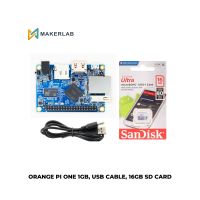
Orange Pi One A7 Quad Core 1GB piso wifi vendo machine
₱2,899.00
Buy on Lazada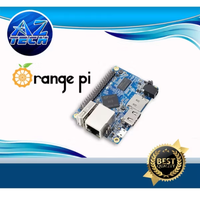
Aztech|Orange Pi One single-board computer with Ethernet port USB ports and GPIO pins.
₱1,920.00
Buy on Lazada
3 in 1 vendo wifi/eloading/gcash in
₱9,999.00
Buy on Lazada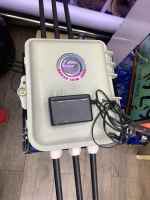
Greywifi Vendo with Rujie AC1300 Dual Band
₱3,350.00
Buy on Lazada
Orange Pi One + USB to Lan Casing 3D Printed
₱210.00
Buy on Lazada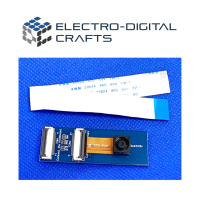
#4086 | Orange Pi GC2035 Camera Module
₱605.00
Buy on LazadaAbout Orange Pi
Orange Pi is a Chinese open-source hardware brand best known for its family of single-board computers (SBCs). Designed and manufactured by Shenzhen Xunlong Software Co., Ltd., Orange Pi boards are widely used for embedded systems, robotics, home servers, artificial intelligence, Internet of Things (IoT), education, industrial automation, and DIY electronics projects. The brand is often regarded as one of the major alternatives to the Raspberry Pi ecosystem due to its competitive pricing and wide hardware selection. [1]
Overview
| Property | Details |
|---|---|
| Brand | Orange Pi |
| Manufacturer | Shenzhen Xunlong Software Co., Ltd. |
| Country | China |
| Founded | Company founded in 2005; Orange Pi brand entered the SBC market in 2014 |
| Product Type | Single-board computers, keyboard PCs, tablets, smartphones, embedded hardware |
| Official OS | Orange Pi OS |
| Supported OS | Linux distributions, Android, Debian, Ubuntu, Armbian, OpenWrt, Manjaro, and others (model dependent) |
| Main Competitor | Raspberry Pi |
History
Shenzhen Xunlong Software Co., Ltd. was established in 2005 as an embedded hardware and software company. In 2014, the company launched its first Orange Pi development board, targeting developers, makers, educators, and electronics enthusiasts seeking affordable ARM-based computing platforms.
The first generation gained popularity because it offered hardware specifications that often exceeded competing SBCs at similar prices. Over the following years, Orange Pi expanded rapidly, introducing dozens of boards based on processors from:
-
Allwinner
-
Rockchip
-
MediaTek
-
Amlogic
-
RISC-V platforms
Today the company offers more than 30 hardware products, ranging from entry-level IoT boards to powerful desktop-class ARM computers. [3]
Product Categories
Orange Pi produces several hardware families.
Single-board Computers
These are the company’s flagship products.
Popular models include:
-
Orange Pi Zero
-
Orange Pi Zero 2
-
Orange Pi PC
-
Orange Pi Lite
-
Orange Pi 3
-
Orange Pi 3B
-
Orange Pi 4
-
Orange Pi 5
-
Orange Pi 5 Plus
-
Orange Pi RV (RISC-V)
These boards vary in:
-
CPU performance
-
RAM capacity
-
storage options
-
networking
-
GPU capabilities
-
AI acceleration
-
expansion interfaces
Keyboard Computers
Orange Pi also manufactures all-in-one keyboard PCs similar in concept to the Raspberry Pi 400.
Example:
-
Orange Pi 800
These integrate:
-
ARM processor
-
memory
-
storage
-
wireless networking
-
keyboard
-
HDMI output
into a single device. [5]
Open-source Phones
Orange Pi has introduced Linux-focused smartphones intended primarily for enthusiasts and developers, emphasizing software freedom and privacy rather than mainstream consumer features. [6]
Tablets
The company has also released Linux-compatible tablets aimed at developers and open-source users. [7]
Industrial & OEM Solutions
Beyond retail products, Orange Pi provides:
-
OEM services
-
ODM services
-
hardware customization
-
embedded solutions
-
industrial computing platforms
These services allow businesses to build commercial products using Orange Pi hardware. [8]
Operating Systems
Orange Pi boards support a wide variety of operating systems.
Official
-
Orange Pi OS
Linux
-
Ubuntu
-
Debian
-
Armbian
-
Arch Linux
-
Manjaro
-
OpenWrt
-
Kali Linux (selected models)
Android
Many boards support Android versions depending on chipset support.
Others
Certain models support specialized operating systems for networking, AI, or embedded development. [9]
Hardware Platforms
Unlike Raspberry Pi, which primarily uses Broadcom processors, Orange Pi employs SoCs from multiple vendors.
These include:
-
Allwinner
-
Rockchip
-
MediaTek
-
Amlogic
-
RISC-V processors
This diversity allows Orange Pi to offer boards optimized for different workloads, from low-power IoT devices to high-performance AI applications. [10]
Typical Applications
Orange Pi boards are commonly used for:
-
robotics
-
embedded Linux development
-
smart home systems
-
IoT gateways
-
AI edge computing
-
NAS (Network Attached Storage)
-
media centers
-
retro gaming
-
educational programming
-
web servers
-
VPN servers
-
Kubernetes clusters
-
Docker hosts
-
3D printer controllers
-
industrial automation
Software Ecosystem
Orange Pi provides:
-
official firmware
-
Linux images
-
Android images
-
documentation
-
SDKs
-
source code
-
tutorials
-
community forums
-
developer wiki
The ecosystem includes an official wiki, download center, and user forum for documentation and support. [11]
Community
Orange Pi maintains an international community of developers, makers, educators, and hardware enthusiasts. Users share:
-
operating system images
-
tutorials
-
hardware modifications
-
software projects
-
troubleshooting guides
-
benchmarking results
The company also supports documentation and educational resources around its hardware. [12]
Advantages
Orange Pi is known for:
-
competitive pricing
-
broad product lineup
-
high-performance ARM processors
-
multiple operating system options
-
support for Linux and Android
-
modern interfaces (USB 3.0, PCIe, NVMe, Gigabit Ethernet, Wi-Fi, Bluetooth, depending on model)
-
suitability for embedded and industrial projects
Limitations
Compared with Raspberry Pi, Orange Pi has historically faced some challenges:
-
software support can vary by model and chipset
-
official documentation is sometimes less comprehensive
-
long-term software maintenance differs across boards
-
community resources may be less extensive for certain models
Many users address these issues by using community-supported operating systems such as Armbian, though support quality still depends on the specific board. [13]
Market Position
Orange Pi is widely recognized as one of the leading manufacturers in the affordable ARM single-board computer market. Its products are used by:
-
hobbyists
-
students
-
universities
-
electronics engineers
-
embedded developers
-
startups
-
industrial system integrators
The brand competes with platforms such as:
-
Raspberry Pi
-
Banana Pi
-
BeagleBone
-
ODROID
-
NanoPi
Vision
According to the company, Orange Pi’s mission is to provide affordable, high-quality open-source hardware and software while fostering innovation through collaboration. The company emphasizes openness, community participation, and lowering the barrier to embedded computing and product development. [14]