Shop on Lazada
Pandora products
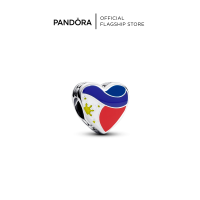
Pandora Philippine Colors Charm
₱4,550.00
Buy on Lazada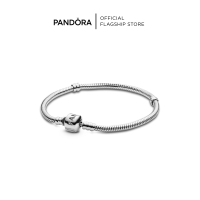
Pandora Moments Barrel Clasp Snake Chain Bracelet
₱5,250.00
Buy on Lazada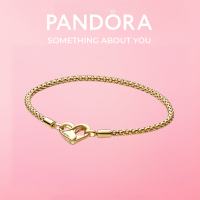
Original Pandora Studded Chain Bracelet Gold-plated
₱1,480.00₱4,600.00
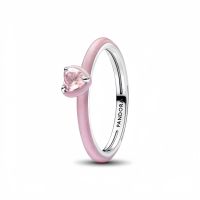
Pandora Pink Chakra Heart Ring
₱1,080.00₱3,250.00
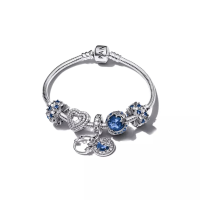
100% Authentic Pandora Sparkling Galaxy Bracelet SZ1001
₱1,846.80₱7,626.00
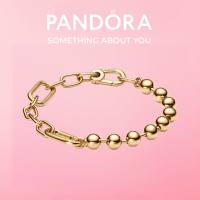
Original Pandora Metal Bead & Link Chain Bracelet Gold-plated
₱1,590.00₱5,600.00
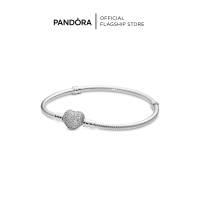
Pandora Moments Sparkling Heart Pave Clasp Snake Chain Bracelet
₱6,650.00
Buy on Lazada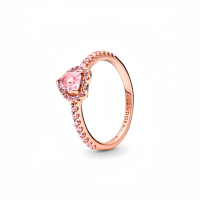
Pandora Sparkling Elevated Heart Ring JZ1001
₱892.05₱4,164.00
About Pandora
Pandora A/S, commonly known as Pandora, is a Danish jewelry company and the world’s largest jewelry brand by volume of pieces sold. Founded in 1982 in Copenhagen, Denmark, Pandora designs, manufactures, and markets hand-finished jewelry made from high-quality materials, offering what it describes as “accessible luxury”—premium jewelry at prices aimed at a broad consumer market. Today, Pandora operates in more than 100 countries through over 7,000 points of sale, including approximately 2,800 concept stores, and employs around 39,000 people worldwide.
History
Pandora was established in 1982 by Danish goldsmith Per Enevoldsen and his wife Winnie Liljeborg. The couple opened a small jewelry shop in Copenhagen under the name Populair Smykker (“Popular Jewellery”). Initially, the business focused on importing jewelry from Thailand for retail and wholesale distribution in Denmark.
By 1987, Pandora had shifted its focus entirely to wholesale operations and hired its first in-house designer, beginning the development of original jewelry collections. In 1989, the company started manufacturing its jewelry in Thailand, laying the foundation for its vertically integrated production model.
A major turning point came in 2000 when Pandora introduced its now-famous customizable charm bracelet concept in Denmark. Customers could build personalized bracelets by selecting individual charms that represented memories, milestones, or personal interests. The concept quickly became an international success and transformed Pandora into one of the fastest-growing jewelry companies in the world.
During the 2000s, Pandora expanded into major international markets, including the United States, Canada, Australia, Germany, the United Kingdom, China, Italy, and many others. In 2010, the company was listed on the Nasdaq Copenhagen stock exchange.
Business Model
Pandora operates a vertically integrated business model, meaning it controls nearly every stage of production:
-
In-house jewelry design
-
Manufacturing
-
Global marketing
-
Retail operations
-
Distribution
Most of Pandora’s jewelry is crafted in company-owned facilities in Thailand and Vietnam, combining traditional hand-finishing techniques with modern manufacturing technology. Every piece is hand-finished by skilled craftspeople.
Products
Pandora is best known for its:
-
Charm bracelets
-
Charms
-
Rings
-
Necklaces
-
Earrings
-
Pendants
-
Bangles
-
Personalized jewelry
-
Lab-grown diamond collections
The brand regularly launches seasonal collections and collaborations inspired by popular culture, nature, fashion, and storytelling.
Design Philosophy
Pandora’s core philosophy centers on self-expression and personal storytelling. Rather than viewing jewelry purely as decoration, the company encourages customers to create collections that represent important memories, relationships, achievements, hobbies, and life experiences.
Its customizable charm bracelets remain the company’s signature product because each bracelet can be uniquely assembled by the wearer.
Materials
Pandora jewelry is crafted using materials including:
-
Sterling silver
-
14k gold plating
-
Solid gold (selected collections)
-
Murano glass
-
Cubic zirconia
-
Freshwater cultured pearls
-
Enamel
-
Lab-grown diamonds
Since 2024, Pandora has stated that all newly crafted jewelry uses 100% recycled silver and gold, reducing reliance on newly mined precious metals.
Sustainability
Sustainability has become a central part of Pandora’s corporate strategy. Key initiatives include:
-
Using 100% recycled silver and gold in jewelry crafting
-
Reducing greenhouse gas emissions across its value chain
-
Increasing renewable energy use
-
Improving responsible sourcing practices
-
Partnering with international organizations such as UNICEF
The company has publicly committed to significant emissions reductions by 2030.
Global Presence
Pandora products are available across:
-
Europe
-
North America
-
South America
-
Asia
-
Australia
-
Africa
The company serves customers through:
-
Concept stores
-
Franchise stores
-
Authorized retailers
-
Department stores
-
Official online stores
Pandora reports that its jewelry is sold in more than 100 countries through approximately 7,000 retail locations.
Manufacturing
Although Pandora is a Danish brand, most production takes place in Thailand, where the company operates large crafting facilities employing thousands of skilled artisans. These facilities combine traditional jewelry-making techniques with modern production processes and quality control systems.
Collaborations
Pandora has partnered with major entertainment and cultural brands, including:
-
Disney
-
Marvel
-
Star Wars
-
Harry Potter
-
Bridgerton
These collaborations feature themed charms and jewelry inspired by well-known characters, stories, and franchises.
Brand Identity
Pandora positions itself as an accessible luxury brand, aiming to balance premium craftsmanship with affordability. Its branding emphasizes:
-
Individuality
-
Personal storytelling
-
Emotional connections
-
Everyday luxury
-
Gift-giving
-
Modern Scandinavian-inspired design
Quick Facts
| Category | Information |
|---|---|
| Company Name | Pandora A/S |
| Founded | 1982 |
| Founders | Per Enevoldsen and Winnie Liljeborg |
| Headquarters | Copenhagen, Denmark |
| Industry | Jewelry |
| Specialty | Customizable charm jewelry and accessible luxury |
| Products | Charms, bracelets, rings, necklaces, earrings, pendants, lab-grown diamonds |
| Manufacturing | Thailand and Vietnam |
| Markets | 100+ countries |
| Retail Presence | 7,000+ points of sale |
| Employees | Approximately 39,000 |
| Stock Exchange | Nasdaq Copenhagen |
Today, Pandora has grown from a small family-owned jewelry shop into one of the world’s most recognizable jewelry brands. Its customizable charm system, emphasis on personal storytelling, and broad international presence have made it a leading name in the global accessible luxury jewelry market.