Shop on Lazada
Rideco products

RIDECO Car T-shirt TOYOTA LAND CRUISER 2020
₱999.00
Buy on Lazada
RIDECO Car T-shirt SuZuki Spresso 2023
₱599.00
Buy on Lazada
RIDECO Car T-shirt FORD RANGER RAPTOR
₱499.00
Buy on Lazada
rideco cap toyota camry trending hat mesh cap trucker snapback car vehicle
₱360.00
Buy on Lazada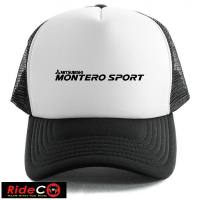
rideco cap mitsubishi montero sport trending hat mesh cap trucker snapback car vehicle
₱360.00
Buy on Lazada
rideco cap harley davidson trending hat mesh cap trucker snapback car vehicle automobile
₱360.00
Buy on Lazada
RIDECO Car T-shirt TOYOTA FJ CRUISER 2020
₱599.00
Buy on Lazada
RS8 design Hat Cap
₱360.00
Buy on LazadaAbout Rideco
Overview
Rideco is a Canadian transportation technology company that develops on-demand transit software for public transportation agencies, municipalities, and mobility operators. The firm specializes in microtransit, paratransit, and dynamic ride-sharing solutions designed to help cities replace or enhance traditional fixed-route transit systems with flexible, technology-driven mobility services.1
Company Profile
- Industry: Transportation technology, mobility software, public transit technology
- Founded: 2013
- Founders: Prem Gururajan, Matthew Monteyne, and Darren Maki
- Headquarters: Canada
- Products: On-demand transit software, microtransit platforms, paratransit management systems, passenger and driver applications
- Primary Markets: North America and international transit markets
- Website: rideco.com
History
Rideco was established in 2013 to address systemic challenges within traditional public transportation networks. The founders envisioned a more flexible approach to urban mobility where passengers could request rides dynamically rather than relying exclusively on fixed bus routes and schedules.
The company developed software to assist transit agencies in operating shared, on-demand transportation networks. Rather than replacing public transit, Rideco’s technology is intended to complement existing systems by improving accessibility, reducing operational inefficiencies, and connecting passengers to transportation options that better align with their needs.
Over time, Rideco expanded its presence by partnering with transit agencies across the United States and Canada, including major metropolitan systems. The company states that its technology has powered more than 80 on-demand transit services worldwide.
Business Model
Rideco operates as a B2B transportation software provider. Unlike traditional ride-hailing companies that provide rides directly to consumers, Rideco licenses its technology to transit agencies and transportation operators.
Its customer base includes:
- Municipal transit authorities
- Regional transportation agencies
- Paratransit providers
- Mobility operators
- Cities seeking flexible transportation solutions
The company provides the software infrastructure required to plan, book, dispatch, monitor, and optimize shared rides.
Products and Technology
Rideco offers an end-to-end platform for managing on-demand transportation services. Its technology stack comprises several integrated components.
Passenger App
The passenger-facing application allows riders to:
- Search available trips
- Book rides
- Manage reservations
- Track vehicles
- Receive trip updates
The platform supports smartphone apps, web portals, and assisted booking tools.
Driver App
The driver application provides:
- Vehicle location tracking
- Trip assignments
- Navigation support
- Communication tools
- Real-time operational updates
Operations Center
The operations platform assists transit agencies in:
- Monitoring fleets
- Managing dispatch operations
- Handling service disruptions
- Coordinating vehicles and passengers
Data Insights
Rideco provides analytics tools that allow agencies to evaluate:
- Passenger demand
- Service performance
- Operational efficiency
- Cost effectiveness
Core Technology: Dynamic Routing
A central component of Rideco’s technology is its real-time routing and scheduling system, known as Solver.
Solver uses algorithms to continuously optimize:
- Vehicle routes
- Passenger pickups and drop-offs
- Travel times
- Fleet utilization
- Ride-sharing combinations
The objective is to improve reliability while reducing operational costs compared with traditional transportation models.
Main Solutions
Microtransit
Microtransit refers to flexible public transportation services that operate between traditional buses and private ride-hailing. Examples include:
- Neighborhood shuttle services
- First-mile/last-mile connections
- Low-density area transportation
- Flexible alternatives to underused bus routes
Rideco helps agencies operate these services using dynamic booking and routing technology.
Paratransit
Paratransit provides transportation services for passengers who cannot use conventional public transit due to accessibility needs. Rideco’s paratransit solutions support:
- Eligibility management
- Reservation systems
- Scheduling
- Dispatching
- Fleet coordination
Customers and Partnerships
Rideco works with public transportation organizations across North America. Examples of agencies and organizations associated with Rideco services include:
- Metropolitan Transportation Authority
- Southeastern Pennsylvania Transportation Authority
- Houston METRO
- Regional Transportation Commission of Southern Nevada
- Metropolitan Atlanta Rapid Transit Authority
Rideco has positioned itself as a technology partner for agencies modernizing traditional transit operations.
Market Position
Rideco operates in the growing smart mobility and transportation-as-a-service (MaaS) sector. The company competes with other mobility technology providers that offer:
- Transit scheduling software
- Fleet optimization
- Ride-sharing systems
- Demand-responsive transportation platforms
Its differentiation is focused on public-sector transportation rather than consumer ride-hailing.
Innovation and Patents
Rideco has developed patented technologies related to shared transportation operations, including systems for:
- Dynamic ride scheduling
- Route generation
- Ride-sharing trip management
- Driver and vehicle optimization
Impact and Vision
Rideco’s stated mission is to make urban mobility more personal, accessible, and sustainable. The company aims to help cities improve transportation equity by providing flexible mobility options for communities that may not be well served by fixed-route transit.
The company’s approach reflects broader trends in urban transportation, including:
- Digitization of public transit
- Demand-responsive mobility
- Lower-emission transportation planning
- Improved accessibility for underserved communities