Shop on Lazada
Pasabahce products
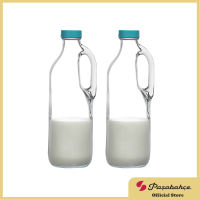
Pasabahce Vita Water/Milk/Juice Glass Bottle 1400cc Set of 2 (Clear)
₱809.75
Buy on Lazada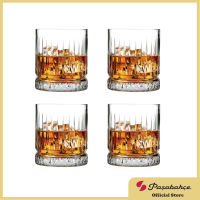
Pasabahce Elysia Whisky Glass 355cc 11 3/4oz Set of 4 (Clear)
₱839.75
Buy on Lazada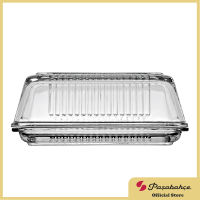
Pasabahce Frigo Glass Butter Dish (Clear)
₱399.75
Buy on Lazada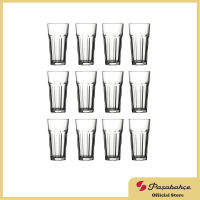
Pasabahce Casablanca Beer Drinking Glass 470cc 16 1/4oz Set of 12 (Clear)
₱1,799.75
Buy on Lazada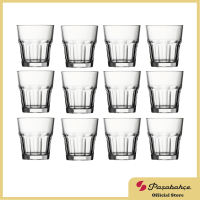
Pasabahce Casablanca Whisky Drinking Glass 361cc Set of 12 (Clear)
₱1,429.75
Buy on Lazada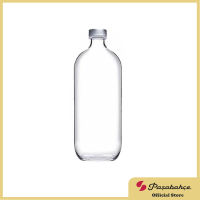
Pasabahce Iconic Glass Bottle 1100cc 36 3/4oz (Clear)
₱359.75
Buy on Lazada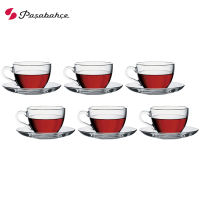
Pasabahce Basic Glass Cup and Saucer 238cc 8oz Set of 6 (Clear) Best Seller
₱1,139.75
Buy on Lazada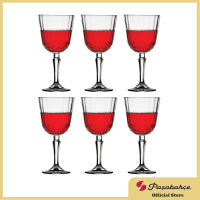
Pasabahce Diony Red Wine Glass 310cc Set of 6 (Clear)
₱1,379.75
Buy on LazadaAbout Pasabahce
Overview
Pasabahce is a Turkish glassware and tableware brand owned by Şişecam, one of the world’s major glass manufacturers.1 Established in 1935 during the development of Turkey’s modern glass industry, the brand has evolved from a domestic factory into an internationally distributed label known for drinking glasses, tableware, kitchenware, decorative glass, and hospitality products.12
| Field | Information |
|---|---|
| Brand | Pasabahce |
| Turkish name | Paşabahçe |
| Industry | Glassware, tableware, kitchenware, home & hospitality |
| Parent company | Şişecam |
| Origin | Turkey |
| Established | 1935 |
| Historic location | Beykoz, Istanbul, Turkey |
| Key products | Drinking glasses, tumblers, stemware, plates, bowls, serving ware, bottles, jars, kitchenware |
| Markets | International; Şişecam states glassware reaches customers in around 140 countries |
| Retail arm | Paşabahçe Mağazaları |
| Positioning | Mass-market to premium glassware, with both automated and handmade products |
Origins
The history of Pasabahce is intrinsically linked to the birth of the modern Turkish glass industry. In 1934, as part of Mustafa Kemal Atatürk’s industrial development programme, the Turkish government entrusted Türkiye İş Bankası with establishing a national glass industry.2 The foundation for the first Pasabahce glass plant was subsequently laid in Beykoz, Istanbul, on the Asian side of the Bosphorus.
Production officially commenced in 1935 under the name Türkiye Şişe ve Cam Fabrikaları Anonim Sosyetesi, the predecessor to the current Şişecam group.2 The facility began operations with approximately 400 employees and a daily capacity of roughly 25,000 bottles.2 Unlike many contemporary brands created primarily as marketing identities, the name Pasabahce is derived directly from the Beykoz district where the original factory was established, rooting the brand in the company’s geographical and industrial history.
Early development: 1935–1955
During its inaugural year, the Pasabahce plant expanded production rapidly. By 1936, it was producing approximately 3,000 tons of glassware and bottles, meeting the country’s domestic requirements for these goods.12 Initial production relied heavily on handmade soda glass, reflecting the factory’s role not merely as a commercial enterprise but as a pillar of national industrialisation.
A significant transformation occurred in 1955 when Pasabahce introduced mechanical production.12 This milestone marked the beginning of the transition from labour-intensive glassmaking towards increasingly automated manufacturing processes.
From factory to consumer brand
Pasabahce evolved beyond being solely a glass manufacturer to become a direct-to-consumer entity. In 1957, the company opened its first retail store in Beyoğlu, Istanbul, followed by another early location in Ankara.2 This established a direct retail presence that distinguished the consumer brand from the wider industrial group.
While Şişecam operates as the overarching industrial conglomerate, Pasabahce serves as its principal consumer-facing glassware brand.2 Although the group has since developed various other businesses and labels, Pasabahce remains the flagship name for glassware, serving household, catering, and industrial segments.2
Expansion into heat-resistant and specialty glass
Throughout the 1960s and 1970s, Pasabahce broadened its technological capabilities. Between 1968 and 1969, production of heat-resistant glassware and laboratory equipment began through Teknik Cam Sanayii A.Ş., while Pasabahce simultaneously entered crystal glassware production.2
In 1971, the company initiated dedicated glass design activities, exhibiting products internationally at venues such as the Lisbon International Hand-Made Glass Exhibition.2 By 1974, the group had produced its first tempered borosilicate glass, and Pasabahce began manufacturing tempered pressed glass products.2 This era established a defining characteristic of the brand: combining industrial-scale manufacturing with glass design and traditional craftsmanship.
Automation and industrialization
The 1980s and 1990s were periods of significant technological advancement. Pasabahce expanded automated glassware production through facilities in Kırklareli and Mersin. In 1984, the Kırklareli plant commenced automated production using soda glass.2
The company subsequently introduced sophisticated machinery and techniques, including:
- Automated stemware production
- Press-blowing
- Glass robots
- Automated packaging
- Coloured glass
- Thick-bottomed glassware
- Pulled-stem technology
- Centrifugal moulding
- Automated stemmed-glass production
Notable milestones included the introduction of the first glass robot into production in 1989 and the commercial adoption of pulled-stem technique in 1991.2 These technological developments enable Pasabahce to offer products at price points considerably lower than many traditional European handmade glass brands while maintaining a distinct design identity.
International expansion
Pasabahce began its internationalisation efforts relatively early, recording its first export to the United States in 1960 with a value of approximately US$150,000.2 By the 1970s, the brand was establishing international representation, including an office in New York in 1976.2
International expansion accelerated during the 1990s and 2000s through several key developments:
- Establishment of Pasabahce Schott in partnership with Schott
- Expansion into hotel and restaurant glassware
- Acquisition of Posuda, a Russian glassware producer
- Establishment of Pasabahce USA
- Expansion into Bulgaria
- Creation of international sales and representative offices
- Development of production capacity outside Turkey
Today, Şişecam reports that its glassware business serves customers in approximately 140 countries, with production operations located in Turkey, Bulgaria, Russia, and Egypt.2
Product categories
Pasabahce is particularly associated with everyday glassware, offering a broad portfolio that includes:
Drinking glasses
- Tumblers
- Water glasses
- Juice glasses
- Highball glasses
- Lowball/rocks glasses
- Beer glasses
- Shot glasses
Stemware
- Wine glasses
- Champagne glasses
- Cocktail glasses
- Brandy glasses
- Dessert glasses
Tableware
- Plates
- Bowls
- Serving dishes
- Dessert dishes
- Carafes
- Decanters
Kitchen and storage
- Glass jars
- Food-storage containers
- Bottles
- Measuring products
- Baking and cooking glassware
Hospitality
Pasabahce produces extensive ranges intended for restaurants, hotels, cafés, and catering businesses, prioritising durability, standardised dimensions, and cost efficiency. Şişecam explicitly identifies household, catering, and industrial customers as three major segments for the brand.2
Design philosophy
Pasabahce operates at the intersection of industrial design and traditional glassmaking. Rather than positioning itself exclusively as a luxury crystal manufacturer, the brand focuses on producing well-designed glassware suitable for everyday use. Its product philosophy generally encompasses function, durability, recognisable design, and affordability.
Formal glass design activities date back to the early 1970s.2 Furthermore, Pasabahce maintains handmade production alongside automated manufacturing. Şişecam states that its glassware operation combines automated production with handmade products, offering more than 20,000 items across its glassware activities.2
Recognisable designs
The brand is widely recognised for its extensive range of classic glass forms. Rather than relying solely on seasonal trends, Pasabahce has produced enduring silhouettes, including simple tumblers, thick-bottomed glasses, embossed glasses, stemware, and traditional Turkish-inspired forms. Consequently, certain collections have become synonymous with everyday drinking glasses in Turkey.
Due to the size of the catalogue, the name Pasabahce applies to products ranging from inexpensive everyday tumblers to sophisticated crystal-style or hospitality-oriented glassware.
Cultural significance
Pasabahce maintains a strong relationship with modern Turkish domestic culture. Having been established during the early industrialisation of the Turkish Republic and subsequently developing a nationwide retail presence, its products became commonplace in Turkish households. The brand occupies a unique position as simultaneously an industrial manufacturer, a consumer brand, a design label, and a part of Turkish cultural history.
The retail business has also incorporated cultural themes into its collections; for example, the first Paşabahçe Mağazaları boutique collection, the Ottoman Collection, was launched in 1999.2
Paşabahçe Mağazaları
It is necessary to distinguish between Pasabahce as a glassware brand and Paşabahçe Mağazaları, the company’s retail chain. Paşabahçe Mağazaları A.Ş. is the specialty retail arm of Şişecam’s Glassware division, with roots tracing back to the factory’s early retail activities and formal expansion in 1957.2
The stores sell a wide assortment beyond glass, including:
- Glassware
- Ceramics
- Porcelain
- Wood products
- Stainless steel/tableware
- Kitchenware
- Home decoration
- Gift products
Şişecam describes the retail chain as operating under concepts such as Life and Boutique.2 In practical terms, Pasabahce refers primarily to the glassware brand, while Paşabahçe Mağazaları denotes the specialty homeware retail business.
Relationship with Şişecam
Pasabahce is not an independent luxury glass company in the manner of Lalique, Baccarat, or Waterford; it is a major brand within Şişecam, a large Turkish glass manufacturer.2 Şişecam’s activities extend beyond household glassware to include various areas of glass production and industrial materials, with Pasabahce representing its primary consumer glassware identity.2 The broader group also owns other glassware-related brands, including Nude, Borcam, and Zest Glass.2
Market positioning
Pasabahce occupies a distinct position in the international glassware spectrum.
| Type | Examples | Typical positioning |
|---|---|---|
| Everyday glassware | Pasabahce | Affordable / mid-market |
| Premium designer glassware | Nude, Riedel, etc. | Mid-to-premium |
| Luxury crystal | Baccarat, Lalique | Luxury |
| Traditional handmade art glass | Various European artisan houses | Premium/luxury |
The brand’s competitive advantage lies in scale. It combines large-scale industrial manufacturing, accessible pricing, broad distribution, extensive product variety, professional hospitality products, traditional handmade techniques, and design-oriented collections. This combination differentiates it from brands whose primary focus is luxury crystal.
Important milestones
1934
Decision made to establish a Turkish glass industry through İş Bankası; foundation of the Pasabahce plant begins.2
1935
Pasabahce glass plant begins production with approximately 400 employees.2
1936
Production reaches approximately 3,000 tons and meets domestic demand for bottles and glassware.2
1955
Mechanical production begins.2
1957
First Pasabahce retail store opens in Beyoğlu, Istanbul.2
1960
First export to the United States.2
1969
Crystal-glassware production begins at Pasabahce.2
1971
Dedicated glass-design activities begin.2
1974
Tempered glass production expands.2
1984
Automated glassware production begins at Kırklareli.2
1989
Glass robots enter production.2
1997
Pasabahce partners with Schott to establish Pasabahce Schott for hotel and restaurant products.2
2003
Pasabahce makes its first foreign investment by acquiring Posuda in Russia.2
2004–2005
Pasabahce expands its international operations and opens a foreign prestige store in Moscow.2
2014
Şişecam creates the global design brand Nude.2
2015
Paşabahçe Mağazaları opens its first overseas store in Milan.2
Brand identity
The identity of Pasabahce can be summarised through five core concepts:
- Turkish heritage: Its roots are directly connected to the industrial development of modern Turkey.
- Glass expertise: The brand possesses over nine decades of experience in glass manufacturing.
- Everyday usability: Unlike purely luxury-oriented glassmakers, Pasabahce emphasises products intended for regular household and hospitality use.
- Industrial scale: Automated manufacturing allows for the production of large quantities at competitive prices.
- Design and tradition: The brand combines modern manufacturing with handmade techniques and designs influenced by Turkish heritage.
Significance in the glassware industry
Pasabahce holds a notable position in the global glassware industry as its history mirrors the development of Turkey’s domestic glass sector. From a small factory in Beykoz in 1935, it developed into a major international operation through technological modernisation, exports, international investments, design development, and retail expansion.12
Today, the name Pasabahce encompasses a vast range of products, from inexpensive drinking glasses found in ordinary homes to specialised glassware used by professional hospitality businesses.12