Shop on Lazada
Philips AVENT products
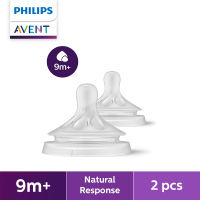
Philips AVENT 9m+ Natural Response Flow 6 Nipples 2-pack
₱719.10₱799.00
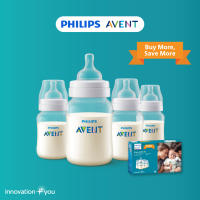
Philips AVENT 9oz Anti-colic Baby Bottle 4-pack
₱1,637.00₱2,099.00
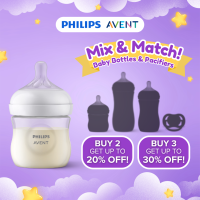
Philips AVENT 4oz Natural Response Baby Bottle
₱599.00₱999.00
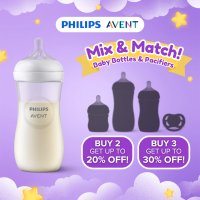
Philips AVENT 11oz Natural Response Baby Bottle
₱779.00₱1,299.00
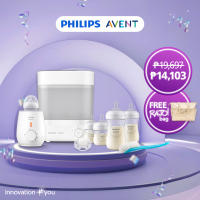
Philips AVENT Premium Electric Steam Sterilizer with Dryer and Bottle Warmer Bundle
₱14,182.00₱19,697.00
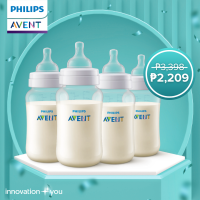
Philips AVENT 11oz Anti-Colic Baby Bottle 4-pack Bundle
₱2,209.00₱3,398.00
Philips AVENT 9oz Natural Response Baby Bottle Giraffe
₱983.00₱1,229.00
Philips AVENT 9oz Natural Response Baby Bottle Koala
₱1,008.00₱1,229.00
About Philips AVENT
Overview
| Attribute | Details |
|---|---|
| Brand Name | Philips AVENT |
| Industry | Baby Care / Mother & Child Care |
| Founded | 1984 |
| Original Company | AVENT |
| Current Owner | Philips |
| Headquarters | Amsterdam, Netherlands (under Philips) |
| Origin | United Kingdom |
| Products | Baby bottles, breast pumps, pacifiers, sterilizers, bottle warmers, baby monitors, toddler cups, feeding accessories |
| Markets | Worldwide |
History
Foundation (1984)
AVENT was founded in 1984 by British entrepreneur Edward Atkin, who sought to improve traditional baby bottles after becoming dissatisfied with their design. At the time, many bottles featured narrow necks, hard latex nipples, and were difficult to clean or fill. [1]
The company introduced several innovations:
-
Wide-neck bottle design
-
Soft silicone nipple
-
Natural latch shape
-
Improved airflow system
-
Easier cleaning and sterilization
These features helped distinguish AVENT from conventional baby bottles and contributed to its rapid growth in Europe and internationally. [1][2]
Acquisition by Philips
In September 2006, Philips acquired AVENT as part of its strategy to expand into consumer health and mother-and-child care products. [2]
Following the acquisition:
-
The brand became Philips AVENT
-
Research and development resources expanded
-
Distribution increased globally
-
New product categories were introduced
-
Integration with Philips health technology accelerated innovation
The acquisition strengthened Philips’ position in maternal and infant healthcare worldwide. [2]
Brand Philosophy
Philips AVENT focuses on helping parents care for babies through products designed around:
-
Natural feeding
-
Breastfeeding support
-
Baby comfort
-
Infant safety
-
Scientific research
-
Ease of use
-
Long-term product compatibility
The brand emphasizes designing products that mimic natural breastfeeding and simplify daily baby care. [2]
Major Product Categories
Baby Bottles
Philips AVENT bottles are among the brand’s most recognized products. [3]
Key features include:
-
Anti-colic air vent systems
-
Wide necks for easier filling and cleaning
-
BPA-free materials
-
Glass and polypropylene options
-
Natural Response nipples designed to release milk only when babies actively drink
The company states that its anti-colic valve is designed to reduce the amount of air babies swallow during feeding. [3]
Breast Pumps
The brand offers:
-
Manual breast pumps
-
Single electric pumps
-
Double electric pumps
-
Hands-free pumping options (in some markets)
Features commonly include:
-
Gentle suction technology
-
Multiple stimulation modes
-
Adjustable expression settings
-
Compatibility with Philips AVENT bottles and storage containers
Pacifiers (Soothers)
Philips AVENT pacifiers are designed with:
-
Orthodontic nipples
-
Symmetrical silicone shapes
-
Ventilation holes
-
Glow-in-the-dark models
-
Ultra Air and Ultra Soft product lines
Bottle Sterilizers
The sterilizer range includes:
-
Electric steam sterilizers
-
Microwave sterilizers
-
Drying and sterilizing combinations
These products help sanitize bottles, nipples, breast pump parts, and pacifiers.
Bottle Warmers
Bottle warmers provide controlled warming for:
-
Breast milk
-
Formula
-
Baby food
Many models are designed to warm milk evenly and avoid hot spots.
Baby Monitors
Philips AVENT also manufactures:
-
Audio baby monitors
-
Video baby monitors
-
Smart connected monitors (selected markets)
Features can include:
-
Night vision
-
Temperature monitoring
-
Two-way communication
-
Smartphone connectivity
Toddler Feeding Products
Additional products include:
-
Trainer cups
-
Straw cups
-
Sippy cups
-
Feeding spoons
-
Bowls
-
Food storage containers
Technologies
Anti-Colic System
One of Philips AVENT’s signature innovations is its anti-colic valve. According to Philips, the valve allows air into the bottle instead of the baby’s stomach, which is intended to reduce gas, burping, and discomfort during feeding. [3]
Natural Response Nipple
Introduced in newer bottle designs, the Natural Response nipple is intended to:
-
Release milk only when the baby actively drinks
-
Pause milk flow when the baby stops sucking
-
More closely resemble breastfeeding patterns
BPA-Free Materials
Philips AVENT states that its bottles, cups, and feeding products are manufactured without Bisphenol A (BPA) and that many products are also free of BPS, depending on the product line. [3]
Research and Development
Philips AVENT develops products using:
-
Clinical research
-
Parent feedback
-
Healthcare professional input
-
Engineering and product testing
The company states that many feeding products undergo laboratory and clinical evaluation before commercial release. [2]
Global Presence
Philips AVENT products are available through:
-
Baby specialty retailers
-
Pharmacies
-
Department stores
-
Online marketplaces
-
Philips’ regional websites
The brand has a presence across Europe, North America, Asia, Latin America, the Middle East, and Oceania. [2]
Sustainability
As part of Philips, the brand aligns with the company’s broader sustainability goals, including:
-
Reducing environmental impact
-
Improving recyclable packaging
-
Increasing energy efficiency in manufacturing
-
Supporting responsible sourcing
These initiatives form part of Philips’ wider corporate sustainability strategy. [4]
Reputation
Philips AVENT is widely recognized for:
-
Anti-colic baby bottles
-
Breastfeeding support products
-
Product compatibility across its feeding system
-
Long-standing presence in the baby care market
-
Continuous product innovation
Its bottles and breast pumps are frequently recommended by parents and healthcare professionals, although product preferences vary by individual needs and region. [2]
Recent Developments
Recent product development has focused on:
-
Natural Response feeding systems
-
Improved electric breast pumps
-
Connected baby monitoring devices
-
Enhanced sterilization technology
-
Expanded feeding accessories
The brand continues to position itself as a provider of integrated solutions for infant feeding and early childcare. [2]
Challenges and Controversies
Like many manufacturers of polypropylene baby bottles, Philips North America was named in proposed U.S. class-action lawsuits in 2024 alleging that heated plastic bottles could release microplastics and that consumers were not adequately warned. These allegations have been made in court, and the litigation does not constitute a finding of liability. [5]
Legacy
Since its launch in 1984, Philips AVENT has become one of the world’s best-known baby care brands. Its introduction of wide-neck bottles, silicone nipples, and anti-colic feeding technology influenced the design of modern infant feeding products. As part of Philips’ health technology portfolio, the brand continues to develop products aimed at supporting parents from newborn care through the toddler years. [1][2]