Shop on Lazada
Pirelli products
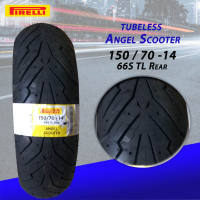
PIRELLI Angel Scooter RIM14 Tubeless Tires ( 80/80-14 90/80-14 110/70-14 110/80-14 100/80-14 120/70-14 140/70-14 150/70-14 ) FREE SEALANT and PITO
₱5,698.50₱5,800.00
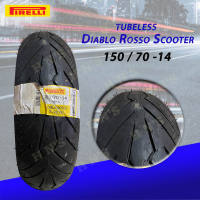
PIRELLI Diablo Rosso Sport RIM14 Tubeless Tires ( 70/90-14 80/90-14 80/80-14 90/90-14 100/80-14 120/70-14 140/70-14 150/70-14 120/70-15 ) Free Tire Sealant and Pito
₱7,270.50₱7,400.00
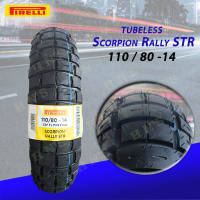
PIRELLI Scorpion Rally STR Tubeless Tires for Honda ADV 150 ADV 160 ( 130/70-13 110/80-14 As Set ) w/ Free Sealant and Tire Valve
₱3,773.25₱3,900.00
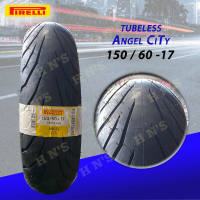
PIRELLI Angel CT RIM 17 Tubeless Tires ( 70/90-17 80/80-17 80/90-17 90/80-17 90/90-17 110/70-17 100/80-17 (F/R) 120/70-17 130/70-17 140/70-17 150/60-17 ) with FREE TIRE SEALANT and PITO
₱6,337.12₱6,550.00
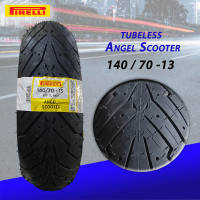
PIRELLI Angel Scooter / Diablo Rosso RIM13 Tubeless Tires ( 110/70-13 120/70-13 130/70-13 140/70-13 130/60-13 ) for Nmax FREE SEALANT and PITO
₱4,740.75₱4,900.00
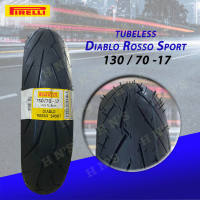
PIRELLI Diablo Rosso Sport RIM17 Tubeless Tires ( 70/90-17 80/80-17 80/90-17 90/80-17 100/80-17 120/70-17 130/70-17 ) FREE Tire Sealant and Pito
₱6,140.62₱6,250.00
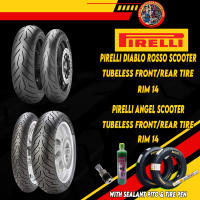
Pirelli Diablo Rosso Sports/ Angel Scooter TUBELESS TIRE Rim 14 WITH FREEBIES PITO & TIRE SEALANT
₱6,400.00
Buy on Lazada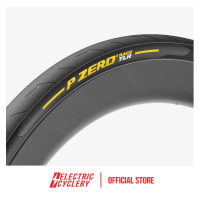
PIRELLI P ZERO™ Race TLR 700c Bike Tire Tubeless Ready
₱6,100.00₱6,900.00
About Pirelli
Overview
Pirelli is an Italian multinational tyre manufacturer headquartered in Milan, Italy. Established in 1872 by Giovanni Battista Pirelli, the company originated as a producer of rubber products before evolving into one of the world’s most recognised tyre brands. Today, Pirelli is particularly associated with premium and high-performance tyres, automotive technology, motorsport, Formula 1, Italian design, and luxury cars.1
| Category | Information |
|---|---|
| Full name | Pirelli & C. S.p.A. |
| Founded | 1872 |
| Founder | Giovanni Battista Pirelli |
| Origin | Milan, Italy |
| Headquarters | Milan, Italy |
| Industry | Tyres / Automotive |
| Main business | Consumer tyres |
| Products | Car, motorcycle and bicycle tyres |
| Market position | Premium / High Value |
| Global presence | 160+ countries |
| Production plants | 18 in 12 countries |
| 2025 revenue | €6.8 billion |
| Employees | About 29,680 |
| Formula 1 | Exclusive tyre supplier since 2011 |
Pirelli describes itself as a global high-value consumer tyre company, with its business focused entirely on consumer tyres for cars, motorcycles, and bicycles. In 2025, approximately 79% of its sales were derived from high-value tyres.2
History
1872–1899: The beginning
The history of Pirelli began in Milan in 1872 when Giovanni Battista Pirelli established G.B. Pirelli & C., initially producing elastic rubber products. The company built its first rubber-products factory in Milan in 1873, manufacturing items such as rubber bands and other elastic goods before entering the emerging tyre industry.
A significant early milestone occurred in 1894 when Pirelli introduced its first tyre for velocipedes, an early form of bicycle. This development marked the company’s first substantial connection with the evolving world of personal mobility.3
Early milestones
- 1872 — G.B. Pirelli & C. founded in Milan
- 1873 — First factory established
- 1885 — Production of rubber bands for carriages
- 1894 — First Pirelli bicycle/velocipede tyre
Entering the automobile era
At the beginning of the 20th century, as automobiles gained commercial importance, Pirelli entered the automotive tyre business. Car-tyre production commenced in 1901. From this point, the company’s development was driven by two interconnected strategies: technological innovation and motorsport. This combination became fundamental to the Pirelli identity.4
Pirelli also began expanding internationally, establishing factories and operations in various locations:
- Barcelona — 1902
- Southampton — 1903
- Buenos Aires — 1917
- Manresa — 1924
- Burton upon Trent — 1928
In 1907, a car equipped with Pirelli tyres won the first Grand Prix organised by the Automobile Club de France, reinforcing the company’s early association with competition.5
The Cinturato and tyre innovation
One of Pirelli’s most significant technological achievements was the Cinturato. Conceived beginning in 1949 and commercially introduced in 1953, this tyre utilised a radial construction with a reinforced belt between the carcass and tread. This design provided improvements in durability, safety, and performance compared to many tyres of that period.6
The Cinturato subsequently became one of Pirelli’s most renowned tyre families. Throughout the 20th century, Pirelli continued developing advanced tyre designs, including sport tyres, low-profile tyres, radial tyres, high-speed tyres, motorcycle radial tyres, and performance-oriented road tyres. Its racing activities served as an important technological laboratory, with innovations developed in competition eventually influencing consumer products.7
Expansion during the 20th century
Between the 1950s and 1980s, Pirelli expanded its manufacturing footprint and international presence while continuing to invest heavily in tyre technology. The company established or expanded operations in countries including Italy, Spain, Brazil, Argentina, Greece, Turkey, Germany, the United States, and Mexico.
In 1986, Pirelli acquired Metzeler Kautschuk, strengthening its position in the motorcycle tyre segment. In 1988, it acquired Armstrong Tyre Company as part of its expansion into North America.8
From a diversified industrial group to a tyre specialist
Pirelli was not always solely a tyre company. During the 20th century and early 21st century, the wider Pirelli group operated businesses involving rubber products, cables, telecommunications, real estate, tyres, and industrial products.
A major restructuring took place during the 2000s. In 2005, Pirelli sold its cables and systems business, which eventually became Prysmian. The company subsequently divested additional non-tyre activities. By 2010, Pirelli had completed its transformation into what it describes as a “pure tyre company.”9 This strategic shift distinguishes the modern Pirelli from the historic conglomerate, resulting in a much narrower operational focus.
Pirelli and Formula 1
Formula 1 represents one of the most recognisable aspects of the Pirelli brand. The company has a motorsport history spanning more than a century, having participated in the early years of Grand Prix racing and supplied tyres during the initial Formula 1 era.
After a prolonged absence, Pirelli returned to Formula 1 in 2011 and became the championship’s exclusive tyre supplier.10 Today, Formula 1 serves as Pirelli’s most visible global technological showcase. The company utilises motorsport to develop knowledge regarding tyre compounds, heat management, structural durability, aerodynamic loads, grip, wear, high-speed performance, data analysis, and simulation. Technology and insights generated through racing subsequently influence road-tyre development. Pirelli states it is currently involved in more than 350 car and motorcycle championships.11
Since 2024, Formula 1 tyres have incorporated FSC-certified natural rubber, reflecting Pirelli’s efforts concerning the responsible sourcing of materials.12
Relationship with luxury and performance cars
Pirelli has deliberately positioned itself towards the premium, prestige, and high-performance segments of the tyre market. Rather than competing primarily on low price and mass volume, the company emphasises performance, handling, safety, grip, comfort, low noise, technology, customisation, and premium vehicle integration.
This strategy is evident in its relationships with luxury and performance-car manufacturers. Pirelli develops tyres specifically for particular vehicle models, meaning that two tyres with similar dimensions may be engineered differently for different cars. This approach is particularly relevant for vehicles from manufacturers such as Ferrari, Lamborghini, Porsche, and other premium marques. Pirelli classifies these products as Specialty and Super Specialty tyres, designed for demanding applications.13
Main product categories
Pirelli’s current consumer business is broadly divided into three major areas.
Cars
Cars represent Pirelli’s largest and most important category. Its car tyres cover everyday passenger cars, premium sedans, SUVs, sports cars, supercars, luxury vehicles, electric vehicles, and classic cars.
Motorcycles
Pirelli possesses a substantial motorcycle-tyre heritage, historically strengthened by its connection with Metzeler. Its motorcycle products cover road, sport, racing, touring, adventure, and off-road applications.
Bicycles
Pirelli also produces bicycle tyres, particularly for performance-oriented cycling. The bicycle range includes products for disciplines such as road cycling, gravel, mountain biking, and racing.
Through these categories, Pirelli operates across several levels of the mobility market while maintaining its premium positioning.14
Famous Pirelli tyre families
Several names are closely associated with the Pirelli brand:
Cinturato
Historically significant, the original Cinturato was a major innovation in radial tyre technology. Today, the Cinturato name is used across modern road-tyre products.
P Zero
Perhaps the most famous modern Pirelli tyre name, P Zero is strongly associated with high performance, sports cars, supercars, premium vehicles, and motorsport-derived technology. It has become almost synonymous with Pirelli’s performance-oriented brand identity.
Scorpion
The Scorpion family is primarily associated with SUVs and crossover vehicles.
P7
The P7 name has historically represented a technologically advanced performance tyre family. Pirelli introduced the Cinturato P7 in 2009 as a high-performance tyre developed with a focus on efficiency and environmental considerations.15
Technology and research
Research and development is central to Pirelli’s identity. The company operates its principal R&D centre in Milan and maintains technology centres internationally. Pirelli reports having approximately 2,000 people involved in R&D, around 5,900 patents, and partnerships with universities and other research organisations.16
Technological work encompasses new rubber compounds, tyre structures, sensors, digital technologies, noise reduction, rolling resistance, wet-weather performance, electric-vehicle tyres, motorsport technology, sustainable materials, and computer simulation. A core philosophy is that a modern tyre is not simply a piece of rubber but a highly engineered system involving chemistry, physics, materials science, software, manufacturing, and vehicle dynamics.
Pirelli and electric vehicles
Electric vehicles present specific challenges for tyre manufacturers due to increased weight from batteries and instant torque generation. Pirelli has responded by developing tyres optimised for electric vehicles, prioritising the management of additional vehicle weight, reduced rolling resistance, noise control, instant torque handling, maintained grip, and improved range. This aligns with Pirelli’s broader strategy of targeting high-value and technically specialised tyres rather than competing primarily through commodity products.
Brand identity
Pirelli is distinctive among tyre manufacturers because its identity extends beyond the product itself. The brand is strongly associated with Italian design, technology, performance, motorsport, and luxury. Its famous “Long P” logo has been part of the company’s visual identity for more than a century.
Historically, Pirelli’s branding has also emphasised photography, fashion, art, and popular culture. This is particularly evident in the Pirelli Calendar, which became an internationally recognised cultural and fashion object rather than merely an advertising catalogue. Consequently, Pirelli is often perceived not just as a tyre manufacturer but as a luxury-oriented Italian technology brand.
The Pirelli Calendar
The Pirelli Calendar is one of the most prominent examples of the company’s branding strategy. First introduced in 1964, it became known for commissioning prominent photographers to create artistic photographs featuring internationally famous models, actresses, musicians, and other personalities.
Over time, the calendar evolved from conventional glamour photography into a broader artistic project. It helped establish Pirelli’s reputation in areas far removed from the traditional tyre industry, linking automotive heritage with fashion, photography, art, and Italian cultural identity. This initiative contributes significantly to Pirelli’s distinctive brand image compared to competing tyre companies.
Corporate structure and ownership
Pirelli is a publicly listed Italian company, Pirelli & C. S.p.A., whose shares trade on the Borsa Italiana in Milan. A major turning point occurred in 2015 when Pirelli was acquired through a transaction involving ChemChina and related entities.
Following restructuring and the separation of its industrial tyre business, Pirelli returned to the Milan stock market on 4 October 2017 as a company focused on consumer tyres.17 Today, the company is controlled through a shareholder structure in which China National Tire & Rubber Corporation (CNRC) is an important shareholder alongside other investors. Exact ownership percentages are subject to change and should be verified against Pirelli’s latest investor disclosures.
Pirelli today
As of 2025, Pirelli reports €6.8 billion in revenue, approximately 29,680 employees, 18 production plants, factories in 12 countries, and commercial presence in more than 160 countries. About 79% of revenue is derived from high-value tyres.18
The company’s headquarters and global R&D centre remain in Milan. Pirelli’s current corporate strategy is built around being a specialist in high-value consumer tyres rather than attempting to become the world’s largest producer by volume.19
Sustainability
Sustainability has become an increasingly integral part of Pirelli’s technology strategy. Areas of focus include sustainable natural rubber, lower rolling resistance, reduced environmental impact, sustainable materials, product efficiency, responsible supply chains, manufacturing efficiency, and recycling and end-of-life tyre management.
The company’s motorsport programme provides a practical example: since 2024, Pirelli’s Formula 1 tyres have used FSC-certified natural rubber. Pirelli publishes sustainability information as part of its annual reporting; its 2025 Annual Report was published in 2026.20
Competitive identity
Pirelli’s competitive identity can be summarised by five characteristics:
Premium positioning
Pirelli deliberately targets premium and high-value segments rather than competing primarily as a low-cost tyre producer.
Motorsport heritage
More than a century of racing has become a core component of the company’s engineering and marketing identity.
OEM relationships
Pirelli works closely with automobile manufacturers to develop tyres specifically suited to particular vehicles.
Italian design
The company uses Italian design, fashion, art, and cultural associations to differentiate itself from purely engineering-focused tyre brands.
Technology
Pirelli emphasises research, advanced compounds, construction, simulation, and specialised tyres.
Comparison with other major tyre brands
In the global tyre industry, Pirelli is often compared with companies such as Michelin, Bridgestone, Continental, Goodyear, and Yokohama. A simplified positioning overview is presented below:
| Brand | General positioning |
|---|---|
| Pirelli | Premium, performance, luxury, motorsport |
| Michelin | Premium, technology, longevity, broad application |
| Bridgestone | Global scale, technology, broad market |
| Continental | Premium, European engineering, safety |
| Goodyear | Global, performance, broad consumer market |
| Yokohama | Performance, motorsport, Japanese engineering |
This table represents a broad brand-positioning comparison rather than a ranking of tyre quality; individual tyre models may differ considerably.
Cultural significance
Pirelli’s importance extends beyond tyres. Few industrial companies have successfully built such a strong association between a technical product and fashion, art, motorsport, and luxury. The company’s image essentially combines Milan, Italian industrial heritage, engineering, racing, performance, fashion, and luxury. This combination allows the Pirelli logo on a vehicle to communicate values beyond mere utility.
Timeline
- 1872 — Giovanni Battista Pirelli establishes G.B. Pirelli & C. in Milan.
- 1873 — First Pirelli factory opens.
- 1894 — First Pirelli tyre for velocipedes.
- 1901 — Car-tyre production begins.
- 1907 — Pirelli-equipped car wins the Automobile Club de France Grand Prix.
- 1922 — Pirelli & C. becomes listed on the Milan Stock Exchange.
- 1949 — Development of the Cinturato begins.
- 1953 — Cinturato enters the market.
- 1986 — Acquisition of Metzeler strengthens motorcycle business.
- 2001 — Pirelli introduces MIRS automated tyre-production technology.
- 2005 — Cables business sold, eventually becoming Prysmian.
- 2010 — Pirelli completes transformation into a pure tyre company.
- 2011 — Pirelli returns to Formula 1 as exclusive tyre supplier.
- 2015 — Acquisition by ChemChina-related entities.
- 2017 — Pirelli returns to the Milan stock exchange as a consumer-tyre-focused company.
- 2024 — FSC-certified natural rubber enters all Pirelli F1 tyres.
- 2025 — Pirelli reaches €6.8 billion in revenue and approximately 79% high-value sales.21
References
- Pirelli’s History
- Pirelli in brief
- Pirelli: a history of innovation
- Racing
- The Pirelli Brand Story – Motorsport Heritage & Style
- Company And Brand Value | Pirelli
- Discover the value of the brand | Pirelli
- PIRELLI Corporate | Official PIRELLI Corporate Site
- Reports
- Financial Reports
- Investitori
- Reportistica
- Bilanci
- Annual General Meeting and Board of Directors
- CORPORATE GOVERNANCE REPORT
- PIRELLI: SHAREHOLDERS MEETING HELD
- PIRELLI: ANNUAL FINANCIAL REPORT AS AT 31 DECEMBER 2024 AVAILABLE
- Pirelli in breve
- Pirelli in brief
- Racing
- Annual Report 2025 – Key Data | Pirelli