Shop on Lazada
Pocky products
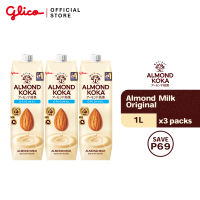
Almond Koka Milk 1L Buy 3 Save 69
₱621.00₱690.00
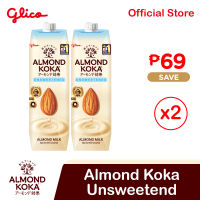
Almond Koka Unsweetened Almond Milk 1L - Set of 2s
₱460.00
Buy on Lazada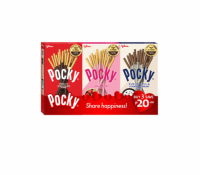
Pocky Assorted Buy 3 Save P20
₱113.04₱133.00
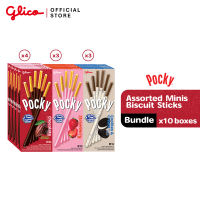
Pocky Mini Mixed Bundle All Flavors by 10s
₱280.00
Buy on Lazada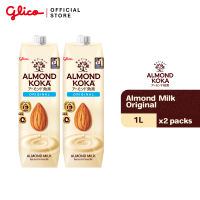
Almond Koka Original Milk 1L - Set of 2s
₱460.00
Buy on Lazada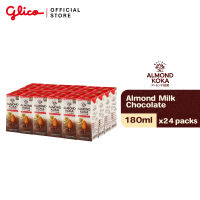
Almond Koka 180ml by 24s
₱1,320.00
Buy on Lazada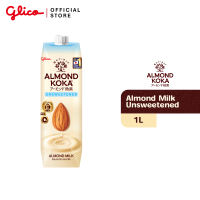
Almond Koka Milk Unsweetened 1L
₱230.00
Buy on Lazada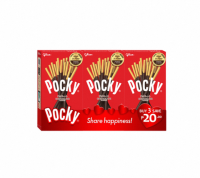
Pocky Chocolate Buy 3 Save P20
₱113.14₱133.00
About Pocky
Pocky (Japanese: ポッキー, Pokkī) is a Japanese snack food brand owned and manufactured by Ezaki Glico Co., Ltd. It is best known for its thin, crunchy biscuit sticks partially coated in chocolate or other flavoured creams, with one end deliberately left uncoated to serve as a “handle.” This distinctive design allows consumers to eat the snack without getting chocolate on their fingers.12
First introduced in Japan in 1966, Pocky evolved from a simple chocolate-covered biscuit into one of Glico’s most recognised international brands. Over the decades, the product line has expanded to include numerous flavours, formats, limited editions, regional variants, and international market adaptations. In 2020, Glico announced that Pocky had been certified by Guinness World Records as the world’s No. 1 largest chocolate-coated biscuit brand based on 2019 global sales data.1
As of 2026, Pocky is celebrating its 60th anniversary.1
Basic information
| Category | Information |
|---|---|
| Brand | Pocky |
| Japanese name | ポッキー |
| Romanisation | Pocky / Pokkī |
| Manufacturer | Ezaki Glico Co., Ltd. |
| Country of origin | Japan |
| Introduced | 1966 |
| Product category | Confectionery / chocolate-coated biscuit snack |
| Original product | Pocky Chocolate |
| Signature feature | Chocolate-coated stick with an uncovered handle |
| Major markets | Japan, Asia, North America, Europe and other international markets |
| Brand concept | “Share happiness” |
| Major anniversary | 60th anniversary in 2026 |
Product description
At its simplest, Pocky consists of a long, narrow crunchy biscuit stick covered with a layer of chocolate or flavoured cream. The coating normally stops short of one end of the stick. That uncovered section functions as a handle, allowing people to hold and eat the Pocky without touching the chocolate.
This construction was the key innovation behind the original product. Glico sought to combine the appeal of chocolate with a convenient stick-shaped snack while avoiding messy fingers.12 The basic eating experience is built around three elements: crunchy biscuit + creamy coating + clean “handle.” Glico describes the product around qualities such as taste, shareability and portability.1
History
1966: The birth of Pocky
Pocky was created during a period when chocolate bars were prominent in Japan’s confectionery market. Glico wanted to develop a product that could differentiate itself from conventional chocolate and conceived the idea of taking its existing Pretz-style biscuit stick concept and covering it with chocolate.2
The challenge was enabling consumers to hold a chocolate-covered stick without getting chocolate on their hands. The solution was to leave part of the stick uncoated, which became Pocky’s signature handle.12 The product was initially tested under the name “Choco-teck,” but Glico later discovered that the name was already trademarked. The final name, Pocky, was derived from the Japanese onomatopoeia pokkin pokkin, associated with the sound of biting the crunchy stick.12 Pocky Chocolate officially launched in Japan in 1966.1
Early expansion: New flavours
While the original chocolate flavour quickly gained popularity, Glico expanded the range to establish Pocky as a platform for diverse flavours and textures rather than a single product.
- 1971: Glico introduced Pocky Almond, responding to consumer interest in flavours beyond chocolate.1
- 1976: Pocky Strawberry was released, expanding the brand into fruit-flavoured territory. The product was particularly successful among female consumers at the time.1
Over subsequent decades, Glico repeatedly experimented with chocolate, fruit, nuts, cream, matcha and other combinations.
Evolution beyond children’s snacks
During the 1970s, Pocky gradually transformed from a snack associated largely with children into a product marketed to teenagers and adults. Glico experimented with campaigns based on actual consumer usage. For example, marketers observed that Pocky was sometimes used in cafés and restaurants as a drink stirrer, inspiring the “Pocky on the Rocks” campaign. Another campaign, “Pocky for your trip!”, connected the product with travel and youth culture, particularly young women.1 These efforts helped develop Pocky’s image as a social and lifestyle snack.
1980s: Segmentation and premium products
In the 1980s, Glico developed Pocky products for different consumer segments, including Pocky Bitter, Little Pocky, Almond Crush Pocky, and other premium variations. Little Pocky was smaller and designed for convenience, while Almond Crush Pocky offered a more luxurious experience.1 This strategy established that different Pocky products could target distinct moods, ages, occasions and price levels while retaining the same basic brand identity.
1990s: Experimentation
The 1990s saw further experimentation with products such as Chunky/Crunchy Strawberry Pocky, Marble Pocky, Giant Pocky, and various premium and limited-edition versions. Some focused on visual appearance, while others emphasised larger toppings or elaborate flavours.1
Giant Pocky was originally developed partly as a gift and souvenir product. The oversized sticks provided a novelty factor, and later regional versions such as Yubari King Melon Giant Pocky exemplified Pocky’s Japanese regional-souvenir strategy.1
2000s: Premium and fashionable Pocky
The early 2000s brought another wave of innovation. Mousse Pocky, featuring a soft, airy coating, became extremely popular, with demand reportedly outstripping supply.1 Other products included Original/Chocolate, White, Strawberry, Matcha, Pocky Decorer, and various premium varieties. During this era, Pocky developed two broad personalities: Basic Pocky (familiar, affordable and everyday) and “Gorgeous” or premium Pocky (visually elaborate, indulgent and gift-like).1
Design and packaging
The uncovered handle
The uncovered end is arguably Pocky’s most important design element. It separates the snack into two functional areas: the coated section for eating and the uncoated section for holding. This design makes the product convenient in situations where consumers prefer not to get chocolate on their hands. It also provides a recognisable silhouette; even without packaging, a chocolate-coated stick with a small exposed handle immediately suggests Pocky.1
The iconic red box
The classic red Pocky box is one of the brand’s strongest visual assets. Glico describes the red packaging as an iconic design associated with Pocky’s identity and portability.1 The packaging is compact, vertically oriented, easy to carry, immediately recognisable, suitable for sharing, and strongly associated with the classic chocolate flavour. In Japan, the original red-box Pocky became significant enough that Glico deliberately refocused its product strategy around the classic variety during the 2010s.1
Brand philosophy and aesthetic
“Share happiness”
A central concept associated with Pocky is “Share happiness.” A box contains multiple sticks, making it naturally suitable for sharing with friends, parties, school breaks, office snacks, family occasions, gifts, and casual social gatherings. Glico explicitly identifies shareability as one of Pocky’s core characteristics, positioning it as a social snack rather than merely an individual chocolate biscuit.1
Visual identity
Pocky’s visual language can be summarised as thin sticks + colourful coating + recognisable red packaging + playful branding. This simplicity grants the brand considerable flexibility. Changing the coating from chocolate to strawberry produces a different visual identity while the shape remains unmistakably Pocky. Premium products can add nuts, fruit pieces, decorative coatings, multiple colours, or different textures without abandoning the fundamental format, helping the brand remain recognisable despite decades of experimentation.
Major product types
The exact lineup varies by country and changes over time, but Pocky has historically included the following categories:
- Classic chocolate: The original and most recognisable version.
- Strawberry: A fruit-flavoured alternative that became one of Pocky’s long-running varieties.
- Almond / nut varieties: Designed around additional crunch and a more premium flavour profile.
- Matcha: A Japanese-inspired flavour popular in markets interested in Japanese confectionery.
- Cookies & Cream: A modern variation combining the Pocky format with cookie-style flavouring.
- Premium Pocky: Higher-end versions featuring richer coatings, toppings, or elaborate presentation.
- Regional Pocky: Limited products developed around local ingredients or regional Japanese specialties.
- Giant Pocky: Oversized versions developed primarily for novelty, gifting and souvenirs.1
Pocky & Pretz Day
Pocky & Pretz Day is celebrated annually on November 11. The date was chosen because the repeated vertical shape of 11/11 resembles four Pocky or Pretz sticks. The anniversary was formally established in 1999 and certified by the Japan Anniversary Association.1 November 11 subsequently became an important promotional occasion, particularly in Japan. The date is also effective for social media because the visual relationship between 11/11 and Pocky’s stick shape is immediately understandable.
Global expansion
Pocky’s international development began relatively early and now spans numerous markets in Asia, North America and Europe.1
- Thailand (1970): Thai Glico was established, marking an important early step in Glico’s international expansion.1
- France (1982): Glico established a presence in France, where Pocky is sold under the name MIKADO, named after a popular game.1
- Canada (1987): Glico entered Canada following positive consumer tasting results.1
- China (1995): Shanghai Ezaki Glico Foods was established. In China, the brand is marketed as 百奇 (Bǎiqí), a phonetic adaptation of Pocky’s name.1
- United States (2003): Ezaki Glico USA was established in California, helping Pocky develop a larger presence in the American market.1
- Indonesia (2014): PT Glico Indonesia was established in South Jakarta, marketing products including Pocky and Pretz.1
Relationship with Pretz
Pocky is closely related to another Glico brand, Pretz. Introduced in Japan in 1963 (three years before Pocky), Pretz is a savoury/sweet pretzel-stick snack. Pocky took the stick-snack concept in a more confectionery direction by adding chocolate or sweet coatings. The two brands have historically been marketed together, including through the annual Pocky & Pretz Day.1
| Feature | Pocky | Pretz |
|---|---|---|
| Main identity | Sweet confectionery | Pretzel snack |
| Typical coating | Chocolate/cream | Usually uncoated |
| Flavour profile | Sweet | Often savoury |
| Famous design | Chocolate + exposed handle | Thin pretzel stick |
| Manufacturer | Ezaki Glico | Ezaki Glico |
| Launch | 1966 | 1963 |
Cultural impact and recognition
Japanese pop culture
In Japan, Pocky has become more than a food product. Its distinctive shape facilitates integration into advertising, television campaigns, seasonal promotions, character collaborations, limited-edition packaging, regional souvenirs, and social-media campaigns. The 11/11 Pocky Day phenomenon turns the physical shape of the product into a recurring cultural event, exemplifying how Pocky’s marketing often starts with the physical form of the product itself.
Guinness World Records
In 2020, Glico announced that Pocky had been certified by Guinness World Records as the world’s No. 1 largest chocolate-coated biscuit brand. The certification was based on international market-research data for 2019, with estimated global annual sales of approximately US$589.9 million. Glico notes that the classification included cream-coated biscuits for international market-research purposes.1 This recognition reflects the brand’s substantial international footprint beyond its popularity in Japan.
60th Anniversary
2026 marks 60 years since Pocky’s original launch in Japan. Glico’s U.S. organisation has described 2026 as a special anniversary year, reflecting on Pocky’s development from a Japanese chocolate snack into an internationally recognised brand.1 Pocky holds an unusual position among snack brands: its basic product concept has remained recognisable for six decades while the brand has continually adapted its flavours, packaging, markets and marketing.
Factors in success
Several factors explain Pocky’s longevity:
- Simple but clever product design: The uncovered handle solves the practical problem of eating chocolate without touching it.
- Strong visual identity: The thin stick and exposed handle make Pocky recognisable from a distance.
- Huge flavour potential: The basic biscuit supports chocolate, strawberry, matcha, nuts, cream, cookies and countless limited editions.
- Portability: The compact box is easy to carry, a quality Glico explicitly emphasises.1
- Shareability: Multiple sticks in a package naturally encourage sharing.
- Cultural flexibility: Pocky can be positioned as an everyday snack, Japanese cultural product, souvenir, gift, premium confection or novelty item depending on the market.
- Strong nostalgia: Having existed since 1966, Pocky has been consumed by multiple generations in Japan and elsewhere.
Japanese cultural export
Pocky represents a broader phenomenon in Japanese consumer culture: a relatively ordinary snack becoming an internationally recognisable symbol of Japanese confectionery and pop culture. Its success overseas is attributed to distinctive packaging, unusual product shape, many flavours, frequent limited editions, strong presentation, Japanese origin story, accessible price, and portability. Crucially, the product itself is immediately understandable regardless of cultural background: a crunchy stick covered in something sweet. This combination of Japanese identity and universal snack appeal has been central to its international success.
Relationship with Ezaki Glico
Pocky is a brand of Ezaki Glico Co., Ltd., usually referred to simply as Glico. Founded in Japan in the early 20th century, Glico’s history began with Glico Caramel in 1922. Pocky belongs to the same broad Glico family as products such as Glico Caramel, Pretz, Bisco, Almond Chocolate, and Giant Cone.1 Pocky is not an independent snack company but one of Glico’s flagship global brands.
Timeline
- 1966: Pocky Chocolate launches in Japan.
- 1970: Thai Glico established, supporting international expansion.
- 1971: Pocky Almond introduced.
- 1976: Pocky Strawberry introduced.
- 1970s: Marketing expands Pocky’s appeal to adults and young women.
- 1982: Glico expands into France; Pocky is marketed there as MIKADO.
- 1987: Expansion into Canada.
- 1989: Giant Pocky and Almond Crush Pocky appear.
- 1990s: More premium, fruit and novelty varieties emerge.
- 1995: Expansion into China; Pocky marketed as 百奇.
- 1999: November 11 established as Pocky & Pretz Day.
- 2000s: Mousse Pocky and other premium varieties become popular.
- 2003: Ezaki Glico USA established in California.
- 2013: Global Pocky brand website launched around the “Share happiness” concept.
- 2014: Glico Indonesia established.
- 2016: Pocky’s 50th anniversary.
- 2020: Guinness World Records recognition for global sales leadership in its category.
- 2026: Pocky’s 60th anniversary.1