Shop on Lazada
Pomelo products

Rrm sweet and juicy davao pomelo
₱850.00
Buy on Lazada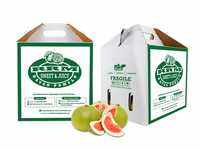
buy 1 take 1 pomelo 5 kilos per box
₱1,600.00
Buy on Lazada
Pomelo Womens Floral Print Bow Dress
₱4,360.00₱5,450.00
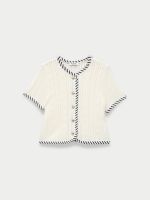
Pomelo Womens Stripe Trim Knit Top
₱1,257.00₱2,095.00
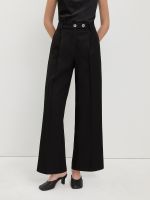
Pomelo Womens High-Waisted Wide-Leg Trousers
₱2,650.00
Buy on Lazada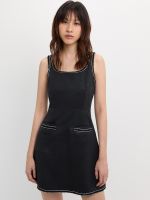
Pomelo Womens Contrast Trim Dress
₱1,737.00₱2,895.00
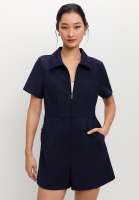
Pomelo Womens Floral Lace Trim Romper
₱1,617.00₱2,695.00

Pomelo Womens Tweed Trim Denim Jacket
₱1,797.00₱2,995.00
About Pomelo
Overview
Pomelo Fashion, commonly branded as Pomelo or Pomelo., is a Bangkok-based fashion and retail company that has evolved from an online-first women’s wear retailer into an omnichannel brand integrating e-commerce, physical stores, technology, and data-driven retail operations. Founded in 2013 and headquartered in Bangkok, Thailand, the company positions itself as a technology-driven fashion platform offering thousands of styles through its website, mobile application, marketplaces, and brick-and-mortar locations.1 Its distinctive value proposition combines the extensive selection of online shopping with the ability to physically try on products before purchase, primarily targeting female consumers across Southeast Asia.4
| Details | Information |
|---|---|
| Brand | Pomelo / Pomelo. |
| Company | Pomelo Fashion Co., Ltd. |
| Founded | 2013 |
| Origin | Bangkok, Thailand |
| Headquarters | Bangkok, Thailand |
| Industry | Fashion retail, e-commerce, technology |
| Business Model | Omnichannel / direct-to-consumer fashion |
| Primary Audience | Women, particularly Southeast Asian consumers |
| Key Markets | Thailand, Singapore, Indonesia, Malaysia, Philippines |
| Signature Concept | Tap.Try.Buy. |
| Major Investors | Central Group, JD.com, Provident, Jungle Ventures |
| Current Positioning | Southeast Asian omnichannel fashion brand |
Origins and founding
Pomelo was established in Bangkok in 2013 during a period of rapid expansion in Southeast Asia’s e-commerce sector. The company was co-founded by David Jou and Casey Liang, both of whom were previously associated with Lazada Thailand; Jou served as co-founder and managing director of Lazada Thailand prior to launching Pomelo.2 The founding concept aimed to merge the speed and trend responsiveness of Asian fashion markets with the convenience of digital commerce. Jou has cited visits to Dongdaemun Market in Seoul as a key inspiration, where he observed retailers receiving new fashion products at high frequency, identifying an opportunity to replicate this fast-moving ecosystem in Thailand and the wider region.
Unlike traditional department store labels, Pomelo was designed from inception as a digital-native fashion company. Early descriptions characterized it as a “fast fashion brand first and e-tailer second,” distinguishing it from conventional retailers that merely added online sales channels to existing businesses.4 Technology was integral to its identity from the start, enabling the company to identify trends, source products, analyze customer behavior, and adjust assortments rapidly.
Brand name
The name “Pomelo” references the large citrus fruit widely associated with Southeast Asia. According to founder David Jou, the name was selected to convey freshness, regional distinctiveness, and memorability, aligning with the company’s ambition to present itself as a Southeast Asian brand with international reach.3
Retail model and technology
Tap.Try.Buy.
Pomelo’s transition from a purely online retailer to an omnichannel brand was driven by consumer demand for physical fitting experiences. This led to the development of Tap.Try.Buy., the company’s signature retail innovation introduced with its first physical store in Bangkok in 2018.6 The model integrates three steps:
- Tap: Customers browse and select items via the Pomelo website or app.
- Try: Selected items are prepared at a physical Pomelo location for the customer to try on.
- Buy: Customers pay only for the pieces they wish to keep.
This system addresses common e-commerce pain points such as fit uncertainty and return logistics by combining online catalog depth with offline fitting convenience.9 Unlike traditional retail stores where inventory is limited to floor stock, Pomelo’s omnichannel model allows the online catalog to vastly exceed physical display inventory, leveraging stores as experience and fulfillment nodes rather than mere warehousing spaces.7
Technology infrastructure
Pomelo describes itself as a technology company that produces fashion, utilizing data analytics across e-commerce, inventory management, demand forecasting, personalization, and omnichannel fulfillment.8 Historical reliance on consumer browsing, purchasing, and return data informs decisions spanning design, buying, merchandising, and marketing. In markets like the Philippines, the company has also deployed AI-powered virtual try-on features via its app, allowing users to visualize products on uploaded photos, further extending its strategy of using technology to reduce purchase uncertainty.9
Product identity and collections
Pomelo targets young, urban Southeast Asian women, designing products specifically for regional body proportions and tropical climates rather than adapting Western trends unchanged.5 The brand occupies a middle ground between inexpensive trend-driven fast fashion and premium contemporary labels, offering polished clothing at accessible price points. Its aesthetic is generally modern, feminine, and versatile, covering categories including workwear, casualwear, resort wear, sportswear, and occasion wear.
Rather than adhering to a single aesthetic, Pomelo operates as a fashion destination with distinct sub-collections:
- Sophisticated Urban: Tailored silhouettes, neutral colors, and office-to-evening attire.
- Velvet Horizon: Feminine, romantic styling featuring floral prints and soft textures.
- Resort Wear: Vacation-oriented clothing suited for tropical travel.
- Sports Club: Athleisure and performance-inspired pieces.
- Workwear: Professional office attire.
- VERSE: An independent label within the ecosystem focusing on elegant designs.18
The brand has also released collaborations, including a Pomelo × Hello Kitty collection.19
Expansion in the Philippines
The Philippines represents a significant market for Pomelo, transitioning from a purely online presence to a full omnichannel ecosystem. Although the brand had sold online to Filipino customers for approximately seven years prior to establishing physical retail, CEO David Jou noted the strong pre-existing demand that justified brick-and-mortar expansion.11 Physical retail operations in the Philippines are conducted through an exclusive distribution partnership with The SSI Group.13
In August 2025, Pomelo opened its first Philippine flagship store at Glorietta 1 in Makati, spanning approximately 270 square meters.28 A second location subsequently opened at Robinsons Place Manila.10 These stores carry the full range of lifestyle collections, catering to diverse occasions from work to leisure. The Philippine expansion exemplifies Pomelo’s broader strategy of leveraging local partners to scale physical retail while maintaining digital integration.1122
International growth
Beyond Thailand and the Philippines, Pomelo has expanded across Southeast Asia and internationally. Early growth focused on Singapore, Indonesia, and Malaysia, with the company shipping to over 40 countries by 2017.7 More recent expansion strategies emphasize partnerships:
Sustainability initiatives
Pomelo addresses sustainability through its Down To Earth initiative, which aims to balance eco-conscious practices with trend relevance and affordability. Corporate disclosures highlight efforts including the use of eco-conscious materials, water-neutral denim production, and ethical manufacturing standards.20 This positioning attempts to reconcile the inherent tensions between fast-fashion consumption cycles and environmental responsibility, a challenge prevalent in the affordable fashion segment.21
Funding and investors
Pomelo attracted substantial venture capital during the growth of Southeast Asian e-commerce, backed by a mix of technology investors and traditional retail conglomerates. Key funding milestones include:
- 2014: Raised approximately US$1.6 million in early funding led by Jungle Ventures.14
- 2016: Series A financing reached approximately US$11 million.27
- 2017: Raised US$19 million in Series B led by JD.com and Provident Capital Partners, noted at the time as the largest Series B for a Thai startup.15
- 2019: Secured US$52 million in Series C funding from investors including Central Group, Provident Growth Fund, InterVest Star SEA Growth Fund, Andre Hoffmann, Toivo Annus, Lombard Private Equity, Ambient Sound Investments, and Deverel.16
Total funding has been estimated at approximately US$126 million, though figures vary across databases.17 The investor base reflects Pomelo’s hybrid identity, bridging technology startups and physical retail; notably, Central Group’s investment provided strategic access to retail real estate and consumer brand expertise crucial for the company’s omnichannel pivot.26
Competitive positioning
Pomelo differentiates itself from global fast-fashion giants like Zara and H&M, regional marketplaces like Zalora, and ultra-fast-fashion players like Shein through its specific focus on Southeast Asian consumers. While sharing traits with these competitors—such as trend responsiveness and accessible pricing—Pomelo’s core advantage lies in its combination of regional design sensibility, digital-native operations, and proprietary omnichannel technology like Tap.Try.Buy.
| Feature | Pomelo | Traditional Fast Fashion |
|---|---|---|
| Origin | Southeast Asia | Primarily Europe/US |
| Digital DNA | Core foundation | Historically secondary |
| Regional Localization | High | Global standardization |
| Original Model | Online-first | Store-first |
| Omnichannel Innovation | Tap.Try.Buy. central | Developed later |
| Marketplace Element | Significant | Less central |
| Physical Stores | Post-online expansion | Traditionally primary |
This hybrid model positions Pomelo as a distinct entity: part fashion brand, part e-commerce platform, and part technology company, built specifically around the realities of Southeast Asian climate, body types, mall culture, and mobile-first consumer behavior.
Key people
- David Jou: Co-founder and CEO. A Korean-American entrepreneur who previously co-founded and managed Lazada Thailand, Jou’s e-commerce background fundamentally shaped Pomelo’s digital-first strategy.2
- Casey Liang: Co-founder. Also formerly associated with Lazada Thailand, Liang was instrumental in the company’s establishment.25
Corporate status
As of 2026, Pomelo operates as a privately held company headquartered in Bangkok with approximately 501–1,000 employees.23 The company continues to expand internationally through franchise partnerships and digital marketplaces, maintaining its position as a leading Southeast Asian fashion-tech platform.24
References
- Pomelo Fashion | LinkedIn
- David Jou – CEO & Co-Founder at Pomelo Fashion | The Org
- From Bangkok with love: Pomelo. brings fresh-faced fashion to Manila
- International fashion brand Pomelo. opens 1st store in the PHL – BusinessWorld Online
- Online fashion retailer Pomelo secures follow-on funding from Jungle Ventures and others – The Tech Portal
- ‘Pomelo’ fashion brand with Omni Channel marketing strategy
- China’s JD.com leads $19M investment in Southeast Asian online fashion brand Pomelo | TechCrunch
- JD.com-backed Thai fashion e-commerce site Pomelo is expanding its online-to-offline retail concept to Singapore | South China Morning Post
- How Pomelo is redefining O2O retailing in Asia – Inside Retail Asia
- POMELO is NOW OPEN at Robinsons Manila | Robinsons Malls
- Pomelo. and SSI Bring SEA’s Favorite Fashion Playground to the Philippines — SSI Life
- F J BENJAMIN SECURES EXCLUSIVE RIGHTS FOR POMELO BRAND IN MALAYSIA
- Pomelo Fashion | LinkedIn
- Thai fashion e-commerce startup Pomelo raises US$1.6 million
- Pomelo Fashion raises US$19 million to accelerate growth in South-east Asia | Retail Asia
- We are thrilled to announce that we have secured US$52 million in Series C funding from Central Group, Provident Growth Fund, InterVest Star SEA Growth Fund, Andre Hoffman, Toivo Annus, Lombard… | Pomelo Fashion
- Pomelo Fashion Raises $124. | Signalbase
- Pomelo Fashion – Apps on Google Play
- Pomelo Fashion – Apps bei Google Play
- How Much Did Pomelo Raise? Funding & Key Investors | Clay
- Fashion flavor
- PSA: Pomelo Fashion To Arrive In The Philippines This August
- ‘Send now, pay later’ startup Pomelo lands $35M Series A from secretive Vy Capital, Founders Fund | TechCrunch
- DAVID JOU ปั้น Pomelo แฟชั่นเทคที่ 1 อาเซียน
- Pomelo Fashion ติดต่อ – PomeloFashion ข้อเสนอ แนะนำข้อมูล
- Thai fashion e-commerce startup Pomelo raises US$52m in Series C round – The Business Times
- Thai fashion e-tailer Pomelo closes on $11m funding – FashionNetwork
- A new chapter begins ✨ Mabuhay Philippines 🇵🇭 Pomelo has opened its very first Philippine flagship store at Glorietta 1, a 270 sqm space designed for Filipino style seekers to discover our… | Pomelo Fashion