Shop on Lazada
Pororo products

Pororo | Waterproof Wet and Dry Separation Storage Bag
₱272.51₱275.86

Pororo | Leakproof Reusable Breathable Post-Surgery Adult Diapers
₱450.48
Buy on Lazada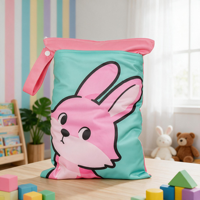
Pororo | Waterproof Separate Wet and Dry Tote Bag
₱284.37
Buy on Lazada
Pororo | Waterproof Dry & Wet Separation Large Capacity Fitness Bag
₱282.31
Buy on Lazada
Pororo | Waterproof Dry & Wet Separation Large Capacity Portable Swimming Bag
₱257.26
Buy on Lazada
Pororo | Waterproof Large Capacity Portable Travel Storage Bag for Swimming and Outdoor Activities
₱222.45
Buy on Lazada
Pororo | Washable Adult Leakproof Diaper Pants
₱341.22
Buy on Lazada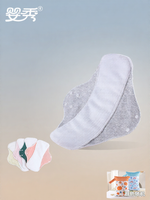
Pororo | Reusable Cotton Sanitary Pads
₱1,842.29
Buy on LazadaAbout Pororo
Pororo is a South Korean children’s entertainment franchise centred on Pororo the Little Penguin (Korean: 뽀롱뽀롱 뽀로로, Pporongpporong Ppororo). The character originated as the star of a 3D CGI preschool television series that first aired in South Korea in November 2003. Developed principally by ICONIX and OCON Studios, with EBS and SK Broadband involved in production, Pororo grew from a television programme into one of Korea’s best-known children’s intellectual properties (IPs). The franchise now encompasses animation, films, books, toys, musical productions, theme parks, educational content, licensing, and merchandise.
Overview
| Category | Information |
|---|---|
| Brand | Pororo |
| Main character | Pororo the Little Penguin |
| Korean name | 뽀롱뽀롱 뽀로로 |
| Country of origin | South Korea |
| Debut | November 27, 2003 |
| Original broadcaster | EBS |
| Format | 3D CGI animation |
| Primary audience | Preschool children, particularly ages 3–7 |
| Main production companies | ICONIX, OCON, EBS, SK Broadband |
| Main setting | Porong Porong Forest |
| Genre | Children’s entertainment, comedy, adventure, edutainment |
| Core themes | Friendship, curiosity, cooperation, problem-solving, learning through play |
ICONIX currently describes the series as a preschool animated TV series aimed at children aged 3–7, utilising high-definition 3D CGI animation.
History
Creation
The origins of Pororo date to the early 2000s, when Korean animation companies sought to develop original characters and programmes for young children. Production of Pororo the Little Penguin began around 2002, prior to the series’ premiere on EBS in November 2003.
The central design concept was an animal living in a winter environment. A penguin was eventually selected as the protagonist, resulting in the character who became Pororo.
The first two seasons possess a distinctive production history: they involved collaboration between designers from South and North Korea, making the project unusual within the history of Korean animation 1.
Television debut
The first episode of Pororo the Little Penguin aired on EBS on November 27, 2003. The original concept was deliberately simple: Pororo and his animal friends live together in a snowy environment, encounter everyday problems and adventures, and learn from their experiences.
The programme quickly achieved success in Korea. By 2004, it had secured the highest animation ratings in EBS history at that time, while its books and educational videos also became major commercial successes.
The Pororo universe
Stories primarily take place in Porong Porong Forest, a snowy settlement inhabited by Pororo and his friends. Rather than being built around complex fantasy mythology, the setting functions as a familiar playground where characters discover things, play games, invent objects, solve problems, and experience the consequences of their actions.
The basic storytelling formula follows a specific progression:
Curiosity → adventure → problem → cooperation → discovery/lesson
This structure makes Pororo particularly suitable for preschool audiences.
Main characters
Pororo
Pororo is a small blue penguin and the protagonist of the franchise. He is energetic, curious, adventurous, and sometimes mischievous. His desire to explore and try new things frequently drives the narrative.
His recognisable appearance includes blue clothing, orange goggles, and an aviator-style helmet, providing him with a distinct adventurous visual identity.
Crong
Crong is a young green dinosaur and Pororo’s close companion. He is generally portrayed as playful and mischievous. One of his defining characteristics is his repeated use of his own name, “Crong”, as speech.
Loopy
Loopy is a pink beaver associated with cooking, domestic activities, and caring for her friends. Later Pororo-related productions have expanded her personality considerably beyond these initial traits.
Eddy
Eddy is a small orange fox known for his intelligence and inventions. He often acts as the group’s scientist or engineer, creating machines and gadgets that lead to either useful discoveries or unexpected problems.
Poby
Poby is a large white polar bear. He is generally calm, kind, and dependable, often providing a stabilising presence within the group.
Petty
Petty is a female penguin and one of Pororo’s friends. She is athletic, confident, and energetic, offering a different personality dynamic to Pororo.
Harry
Harry is a small hummingbird who is energetic and musical. He is another recurring member of the group.
Rody
Rody is a robot associated with Eddy and the technological side of the Pororo universe. He becomes particularly prominent as the franchise expands its cast and stories.
ICONIX’s official work page lists Pororo, Crong, Petty, Loopy, Eddy, Poby, Harry, Rody, and Tongtong among the principal characters.
Television series
The original series has continued through multiple seasons. ICONIX currently lists the following structure:
- Seasons 1–3: 52 episodes per season, approximately 5 minutes each
- Seasons 4–9: 26 episodes per season, approximately 11 minutes each
The franchise has also generated spin-offs and related programmes, including Pororo Sing-A-Long, Pororo’s English Show, Eddy the Clever Fox, Loopy, the Cooking Princess, and other special productions.
The shift from five-minute episodes to longer 11-minute episodes allowed later seasons to accommodate more elaborate stories while retaining the show’s preschool-oriented format.
Educational philosophy
Education is a fundamental aspect of the Pororo brand. Rather than functioning primarily as formal instruction, Pororo generally employs play-based learning. Children watch characters encounter situations resembling childhood experiences: sharing, making friends, experimenting, losing items, cooking, playing games, building structures, and resolving disagreements.
Common lessons include:
- Friendship and cooperation
- Sharing and consideration
- Responsibility
- Curiosity and exploration
- Basic problem-solving
- Communication
- Creativity
- Emotional development
- Learning from mistakes
This combination of entertainment and education was central to the franchise’s original positioning. The official ICONIX description specifically presents the programme around discovery and adventure with Pororo and his friends.
International expansion
Pororo quickly moved beyond the Korean market. In 2004, it became the first Korean animation to air on France’s largest terrestrial broadcaster, TF1, before expanding into other countries. By 2005, ICONIX reported broadcasts in 33 countries, including China, the United Kingdom, Japan, Mexico, and Italy. By 2008, Pororo exports had expanded to more than 100 countries.
This international expansion was significant because Pororo was not originally based on a pre-existing internationally famous comic or toy property. It was an original Korean animation IP that successfully developed an international children’s audience.
The Korean government has subsequently highlighted Pororo as an important example of Korea’s character and animation industry. The Ministry of Culture, Sports and Tourism has described Pororo as one of the country’s enduringly popular animated characters.
From cartoon to brand
A critical aspect of Pororo is that it extends far beyond a television series. The character became a broader consumer and entertainment brand through:
- Toys
- Dolls and plush products
- Children’s books
- Educational videos
- DVDs and digital media
- Clothing
- Food and beverages
- Stationery
- Musical productions
- Live performances
- Theme parks
- Character licensing
- Movies
- Educational programmes
By the franchise’s tenth anniversary, Korean Film Council reporting described Pororo as having expanded into toys, dolls, books, plays, musicals, and theme parks, in addition to animation.
Pororo Park
One of the most visible examples of the brand’s expansion is Pororo Park, an indoor children’s entertainment concept based around the characters.
ICONIX began opening Pororo Park locations in Korea and subsequently expanded the concept internationally, including branches in China. Its development illustrates how Pororo transformed from television content into an immersive physical experience.
The concept allows children to interact with Pororo-themed environments, attractions, and activities rather than simply watching the characters on screen. ICONIX’s corporate history records Pororo Park openings in several Korean locations and later branches in Beijing and Chongqing.
Films
Pororo has also become a film franchise. One notable example is Pororo: The Racing Adventure, released around the franchise’s tenth anniversary in 2013. The film was released theatrically in China and Korea and was designed partly as a celebration of Pororo’s first decade.
The move into theatrical films represented a significant expansion of the property’s storytelling scale—from short preschool television episodes towards longer cinematic adventures. The Korean Film Council has noted that the franchise subsequently developed numerous films, demonstrating the longevity of the character across multiple generations of young viewers.
Brand identity
Pororo’s visual and commercial identity relies on several highly recognisable elements.
The penguin protagonist
Making Pororo a penguin was strategically effective. Penguins are visually distinctive, naturally associated with snow and winter, and relatively easy to stylise into a friendly preschool character.
Strong colour coding
The principal characters have distinct colours and silhouettes:
- Pororo — blue
- Crong — green
- Loopy — pink
- Eddy — orange
- Poby — white
- Petty — pink/white
- Harry — yellow
This differentiation makes individual characters easy for young children to recognise.
Goggles and helmet
Pororo’s goggles and helmet distinguish him from an ordinary penguin. They reinforce his identity as an adventurous, curious character and form an important part of his merchandising silhouette.
Ensemble cast
Pororo is rarely presented entirely alone. The franchise relies heavily on the chemistry among its characters, allowing different personalities to generate varied story types.
Simple narratives
Stories generally revolve around situations that young children can understand immediately. This simplicity makes Pororo easy to localise internationally.
Cultural significance in South Korea
Pororo became an important symbol of the development of South Korea’s modern character industry. In the 2000s, Korean children’s animation became increasingly capable of producing original intellectual properties for international markets, with Pororo standing as one of the clearest successes of this movement.
ICONIX records numerous awards and milestones for the franchise, including repeated Presidential Awards at the Korea Character Awards and recognition in Korean animation and digital-content awards.
The Korean government has also utilised Pororo in public-facing roles. For example, the character has served as an ambassador or promotional figure for various Korean initiatives. Consequently, Pororo is sometimes informally described as one of Korea’s most recognisable children’s characters.
Business and licensing model
Pororo demonstrates the character-IP business model effectively. The basic chain operates as follows:
Animated character → television audience → character recognition → licensing → merchandise → live experiences → films/education → international expansion
The television programme establishes the characters, while merchandise and other experiences allow the IP to generate revenue across many categories. This approach is particularly effective for preschool properties because children can encounter the same characters repeatedly through different formats: television, books, toys, games, clothing, theme parks, and educational materials.
Pororo’s appeal
Pororo’s success can be attributed to several converging factors:
- Character simplicity: Characters are visually simple enough for very young children to recognise.
- Emotional accessibility: Episodes focus on friendship, curiosity, conflict, and cooperation rather than complicated plots.
- Repeatability: The basic setting and characters can support a vast number of stories.
- Educational value: Parents view the programme as entertainment that reinforces social and developmental lessons.
- Merchandising potential: Every major character has a distinctive appearance suitable for toys and consumer products.
- International adaptability: Stories rely relatively little on culture-specific humour, facilitating translation and international distribution.
Pororo as a Korean cultural export
Pororo is significant within the context of the broader Korean Wave (Hallyu). While international discussions of Korean popular culture often focus on K-pop, dramas, and films, Pororo represents another facet of Korea’s cultural exports: children’s entertainment and character IP.
The Korean Film Council has identified Pororo alongside other successful Korean animated characters as an important development in the country’s animation industry. Unlike conventional celebrities, Pororo can be localised into different languages while retaining essentially the same visual identity, making the character particularly suitable for international licensing.
Legacy
More than two decades after its debut, Pororo remains one of the most recognisable Korean children’s entertainment properties. Its importance lies not merely in producing a successful cartoon, but in demonstrating that a Korean-created preschool character could develop into a long-running international IP ecosystem.
Its legacy can be summarised in three areas:
- Animation: It became one of Korea’s best-known original children’s animated series.
- Character business: It demonstrated the commercial potential of developing a character across toys, books, entertainment venues, films, and licensing.
- Cultural export: It helped establish Korean children’s animation as an internationally exportable form of popular culture.
Pororo is best understood not merely as a cartoon character, but as a large-scale Korean children’s media franchise and character brand comparable in business structure to other major preschool IPs. The animated series serves as the foundation, while education, licensing, merchandise, movies, and physical experiences form the wider Pororo ecosystem.
Quick timeline
- 2001 — ICONIX Entertainment established.
- 2002 — Joint production work on Pororo the Little Penguin begins.
- 2003 — Pororo the Little Penguin premieres on EBS.
- 2004 — International expansion accelerates; Pororo airs on France’s TF1.
- 2005 — Broadcast expands to 33 countries.
- 2006 — Pororo Sing-A-Long and additional books, musicals, and educational products expand the IP.
- 2007 — Pororo enters major overseas television markets including China, Japan, and the UK.
- 2008 — Exports expand to more than 100 countries; Pororo wins the Presidential Award at the Korea Character Awards.
- 2012 — Pororo Park expands in Korea and Pororo is appointed a promotional ambassador for the Ministry of Unification.
- 2013 — 10th anniversary; Pororo: The Racing Adventure reaches theatres.
- 2020s — Pororo continues as a major Korean children’s character, with new series, films, educational content, merchandise, and international distribution.