Shop on Lazada
Puma products
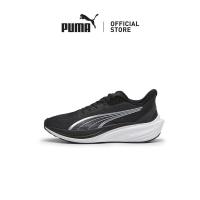
PUMA Unisex Darter Pro Running Shoes (Black)
₱2,750.00₱5,000.00
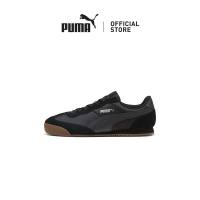
PUMA Unisex Bootero Sneakers (Black)
₱2,835.00₱4,500.00
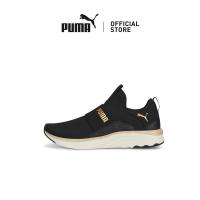
PUMA Softride Sophia Slip-on Womens Running Shoes (Black)
₱2,709.00₱4,300.00
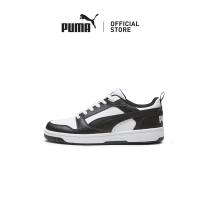
PUMA Unisex Rebound V6 Low Sneakers (White)
₱1,950.00₱3,900.00
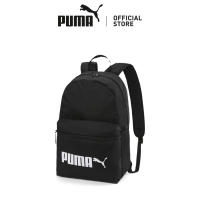
PUMA Unisex Phase Backpack No. 2
₱804.00₱1,200.00
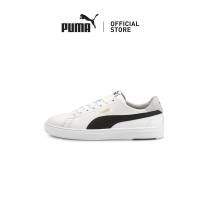
PUMA Unisex Serve Pro Lite Sneakers (White)
₱1,710.00₱3,800.00
![[NEW] PUMA Ascenso Jane Tennis Shoes Women (White)](https://sg-test-11.slatic.net/p/0c43dfc0947a9183ee56fe257056263c.jpg_200x200q80.jpg)
[NEW] PUMA Ascenso Jane Tennis Shoes Women (White)
₱2,772.00₱4,400.00
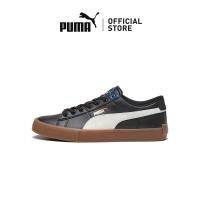
PUMA Unisex Bari Casual Retro Academia Sneakers (Black)
₱2,142.00₱3,400.00
About Puma
Overview
-
Company Name: PUMA SE
-
Founded: 1948
-
Founder: Rudolf Dassler
-
Headquarters: Herzogenaurach, Bavaria, Germany
-
Industry: Sporting Goods
-
Products: Footwear, Sportswear, Apparel, Accessories
-
Markets Served: Worldwide (120+ countries)
-
Employees: More than 20,000
-
Parent Company: Independent public company (PUMA Group)
-
Subsidiaries: Cobra Golf, stichd [1]
History
Origins
The history of PUMA begins with the Dassler Brothers Shoe Factory, established in 1919 by brothers Rudolf Dassler and Adolf (“Adi”) Dassler. Their athletic shoes quickly gained international recognition, with athletes wearing Dassler footwear at major competitions, including the 1936 Berlin Olympic Games, where Jesse Owens won four gold medals. [1]
However, after World War II, the brothers ended both their personal and business relationship. In 1948, Rudolf Dassler founded his own company under the name RUDA, later renamed PUMA in October of the same year. Around the same time, Adolf Dassler founded Adidas, creating one of the most famous rivalries in sports business history. [1]
Early Growth
PUMA quickly became known for innovation in football footwear. Notable milestones include:
-
1950: Introduction of the PUMA Atom football boot
-
1952: Launch of the Super Atom, among the first football boots with screw-in studs
-
1954: PUMA athletes set world records in sprinting
-
1958: Patent of the famous Formstrip, now one of PUMA’s most recognizable design elements [1]
Expansion
Throughout the 1970s, 1980s, and 1990s, PUMA expanded beyond football into:
-
Running
-
Basketball
-
Motorsport
-
Golf
-
Training
-
Lifestyle fashion
During the early 1990s, PUMA underwent a major transformation under CEO Jochen Zeitz, who repositioned the company from a struggling sports manufacturer into a premium global sports and lifestyle brand. [1]
Brand Identity
PUMA is recognized by:
-
The Leaping Cat logo
-
The Formstrip design on footwear
-
The slogan: FOREVER. FASTER.
The company positions itself at the intersection of:
-
Performance sports
-
Streetwear
-
Fashion
-
Youth culture [1]
Products
PUMA develops products across several categories.
Footwear
-
Running shoes
-
Football boots
-
Basketball shoes
-
Training shoes
-
Lifestyle sneakers
-
Motorsport footwear
Popular models include:
-
Suede
-
Speedcat
-
Palermo
-
Easy Rider
-
RS-X
-
Future
-
Ultra
-
Deviate Nitro
Apparel
-
Jerseys
-
Jackets
-
Hoodies
-
T-shirts
-
Shorts
-
Leggings
-
Tracksuits
-
Sports bras
Accessories
-
Backpacks
-
Caps
-
Socks
-
Bags
-
Gloves
-
Water bottles
-
Sports equipment
Sports Categories
PUMA is active in:
-
Football
-
Running
-
Basketball
-
Golf
-
Motorsport
-
Cricket
-
Handball
-
Esports
-
Fitness & Training [1]
Technology
PUMA invests in performance technologies such as:
-
NITRO™ foam cushioning
-
PWRPLATE propulsion systems
-
PROFOAM midsoles
-
PWRTAPE reinforcement
-
ULTRAWEAVE lightweight fabrics
-
MATRYX engineered uppers [1]
Athlete Partnerships
PUMA has sponsored many internationally recognized athletes, including:
-
Usain Bolt
-
Neymar Jr.
-
Breanna Stewart
-
LaMelo Ball
-
Mondo Duplantis
-
Tommie Smith (historically)
-
Heike Drechsler
-
Linford Christie [1]
Club & Team Sponsorships
PUMA supplies kits for numerous clubs and national teams. Notable partnerships include:
-
Manchester City
-
Borussia Dortmund
-
AC Milan
-
Palmeiras
-
RB Leipzig
-
Various national football teams [1]
Fashion Collaborations
PUMA has successfully blended sportswear with fashion through collaborations with designers and celebrities, including:
-
Rihanna (FENTY x PUMA)
-
Jil Sander
-
Dua Lipa
-
Ami Paris
-
Vogue
-
Liberty London
-
KidSuper
-
Butter Goods [1]
Sustainability
PUMA has expanded initiatives focused on:
-
Reducing carbon emissions
-
Using recycled materials
-
Improving supply chain transparency
-
Sustainable manufacturing
-
Circular product design
The company regularly publishes sustainability and annual reports detailing these efforts. [1]
Global Presence
PUMA products are sold through:
-
Company-owned stores
-
Franchise stores
-
Department stores
-
Sporting goods retailers
-
Official online stores
-
E-commerce platforms
The brand maintains a presence across Europe, Asia, North America, South America, Africa, and Oceania. [1]
Corporate Structure
The PUMA Group includes:
-
PUMA – Sportswear and footwear
-
COBRA Golf – Golf equipment and apparel
-
stichd – Bodywear, socks, and licensed apparel [1]
Mission
PUMA describes its mission as creating innovative products that help athletes perform at their best while bringing together sport, culture, and fashion. The company emphasizes speed, performance, creativity, and sustainability in its brand philosophy. [1]
Legacy
Since its founding in 1948, PUMA has evolved from a small German shoe manufacturer into one of the world’s leading sports brands. Its legacy includes innovations in athletic footwear, iconic sneaker designs such as the Suede and Speedcat, influential collaborations with athletes and fashion figures, and a longstanding presence in global sports. Today, PUMA continues to compete with other major sportswear companies while maintaining a strong identity rooted in performance, style, and sports culture. [1]