Shop on Lazada
SK products
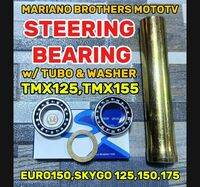
NEW STEERING BEARING w/ SPACER & WASHER TMX125/155
₱659.00
Buy on Lazada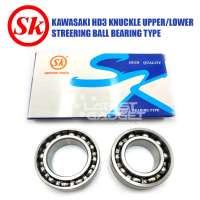
SK Ball Bearing Steering Upper And Lower With Box For Kawasaki HD3 And Barako 175
₱219.00₱244.00
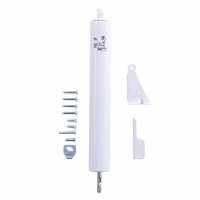
Made In TAIWAN SK Pneumatic automatic Door Closer for Aluminum Swing Door for screen door closer tube type whole set
₱149.00₱299.00
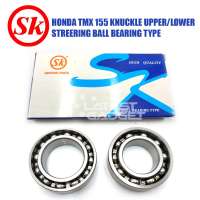
SK Ball Bearing Steering Upper And Lower With Box For Honda TMX155
₱219.00₱244.00

【SK】100 pcs 20 grams White Round Bath Soap Hotel Bath Soap Travel Size soap
₱420.00
Buy on Lazada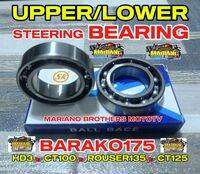
STEERING HEAD BEARING BARAKO175/CT100/ROUSER135/CT125/BOXER150
₱298.00
Buy on Lazada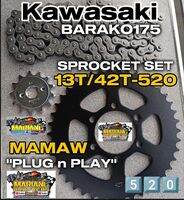
13T/42T-520 BARAKO 175 BLACK MAMAW
₱2,100.00
Buy on Lazada
12T/42T-520 SPROCKET SET BARAKO175
₱2,100.00
Buy on LazadaAbout SK
SK Group, commonly branded as SK, is one of South Korea’s largest multinational conglomerates, known locally as a chaebol. Headquartered in Seoul, South Korea, the group manages a diverse portfolio spanning semiconductors, telecommunications, energy, chemicals, life sciences, artificial intelligence (AI), and advanced materials. It currently ranks as the country’s second-largest business group by assets and revenue, comprising more than 175 affiliated companies and employing over 100,000 people worldwide.1
Overview
| Attribute | Details |
|---|---|
| Company Name | SK Group |
| Native Name | SK그룹 |
| Founded | 1953 (originated as Sunkyong Textile) |
| Headquarters | Seoul, South Korea |
| Chairman | Chey Tae-won |
| Industry | Conglomerate (Chaebol) |
| Employees | 100,000+ globally |
| Subsidiaries | 175+ companies |
| Business Areas | AI, Semiconductors, Energy, Telecommunications, Life Sciences, Chemicals, Advanced Materials |
| Market | Global |
History
SK traces its origins to 1953 when it was established as Sunkyong Textile shortly after the Korean War. Over the decades, the company evolved from a textile manufacturer into a diversified global conglomerate through strategic expansion and acquisitions.
Major milestones in the group’s history include:
- 1953 – Founded as Sunkyong Textile.
- 1970s – Expanded operations into petrochemicals and energy.
- 1980 – Entered the telecommunications sector.
- 1994 – Officially adopted the name SK Group.
- 2000s – Pursued international growth through acquisitions and technology investments.
- 2012 – Acquired a controlling stake in SK hynix, establishing itself as a key player in the global semiconductor industry.
- 2020s – Increased investment in AI, electric vehicle (EV) batteries, renewable energy, biotechnology, and advanced semiconductor technologies.2
Business Segments
Semiconductors
SK is recognized as a global leader in the semiconductor industry, primarily through its subsidiary SK hynix. The segment focuses on memory chips, including DRAM, NAND Flash, High Bandwidth Memory (HBM), and AI memory solutions. SK hynix stands among the world’s largest memory chip manufacturers and serves as a critical supplier for AI computing infrastructure.1
Telecommunications
The group operates SK Telecom, one of the largest telecommunications providers in South Korea. Its service portfolio encompasses mobile communications, 5G networks, AI platforms, cloud computing, data centers, and various digital services.1
Energy
SK’s energy businesses are anchored by SK Innovation, which covers oil refining, petrochemicals, lubricants, battery technology, and renewable energy. In recent years, the company has strategically shifted its focus toward cleaner energy sources and battery manufacturing.1
Electric Vehicle Batteries
Through SK On, the group manufactures lithium-ion batteries for electric vehicles, energy storage systems, and commercial vehicles. SK On supplies batteries to major automotive manufacturers globally.3
Life Sciences
SK has made significant investments in the healthcare sector, covering pharmaceuticals, biotechnology, vaccine development, contract manufacturing, and drug discovery. These businesses serve international pharmaceutical markets.3
Advanced Materials
The group produces specialized materials that support semiconductor manufacturing and advanced electronics. Products include semiconductor materials, industrial gases, specialty chemicals, high-performance materials, and glass substrates for AI chips.3
Major Companies
Prominent affiliates within the SK Group ecosystem include:
- SK Inc.
- SK hynix
- SK Telecom
- SK Innovation
- SK On
- SK E&S
- SK Biopharmaceuticals
- SK Bioscience
Global Presence
SK conducts business across multiple regions, including South Korea, the United States, China, Japan, Europe, and Southeast Asia. Its international operations encompass semiconductor manufacturing facilities, battery plants, telecommunications services, AI infrastructure projects, and energy investments.1
Research and Innovation
Research and development efforts at SK are concentrated in areas central to the group’s long-term growth strategy. Key investment fields include artificial intelligence (AI), high-performance computing, advanced semiconductor packaging, EV batteries, renewable energy, hydrogen technologies, biotechnology, and data centers.2
Corporate Philosophy
SK operates under a management framework known as the SK Management System (SKMS). This philosophy emphasizes sustainable growth, innovation, social value creation, long-term stakeholder value, and ethical management. Additionally, the company employs a “Double Bottom Line” approach that evaluates performance based on both financial results and social impact.3
Brand Identity
The SK logo features an orange-and-red butterfly symbolizing innovation, freedom, transformation, sustainable growth, and global connectivity. This emblem has become one of the most recognizable corporate symbols in South Korea.3
Recent Strategic Focus
In recent years, SK has prioritized the development of AI infrastructure, high-bandwidth memory (HBM), semiconductor manufacturing, renewable energy, battery technology, data centers, AI cloud services, and advanced materials for next-generation chips. Recent partnerships and investments reflect this intensified focus on AI and semiconductor ecosystems.4
Significance
SK Group is widely regarded as one of South Korea’s most influential corporations. Alongside other major conglomerates, it has played a pivotal role in the nation’s industrialization and remains a significant global competitor in the semiconductor, telecommunications, energy, and advanced technology sectors.1