Shop on Lazada
Raspberry Pi products
Raspberry Pi 5
₱18,500.00
Buy on Lazada
Raspberry Pi 5 4GB 8GB RAM Single Board Computer
₱17,399.00₱18,999.00
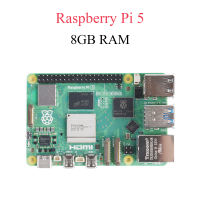
Original Raspberry Pi 5 4B 3B+ 3B Development Board RAM 2G 4G 8G Broadcom 4 Core CPU For DIY Education Home automation Industrial automation
₱28,963.00₱36,203.75
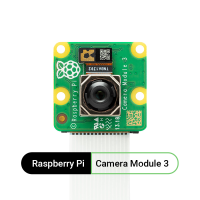
Raspberry Pi Camera Module 3 - 12MP Autofocus (Standard Wide NoIR)
₱3,950.00
Buy on Lazada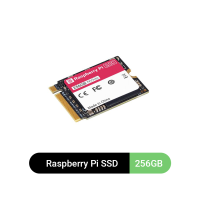
Raspberry Pi SSD 256GB / 512GB NVMe
₱9,760.00
Buy on Lazada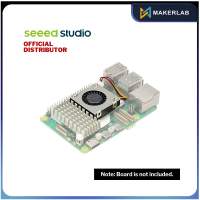
Official Raspberry Pi 5 Active Cooler
₱549.00
Buy on LazadaAbout Raspberry Pi
Introduction
Raspberry Pi is a British technology brand best known for designing affordable, high-performance single-board computers (SBCs), microcontrollers, and embedded computing solutions. Originally created to make computer science education more accessible, Raspberry Pi has evolved into one of the world’s most recognized computing platforms for education, hobbyists, researchers, industrial automation, robotics, artificial intelligence (AI), and Internet of Things (IoT) applications. [1]
Today, Raspberry Pi products are used by:
-
Students and educators
-
Makers and DIY enthusiasts
-
Software developers
-
Robotics engineers
-
Industrial automation companies
-
Research laboratories
-
OEMs (Original Equipment Manufacturers)
-
AI and IoT developers
Millions of Raspberry Pi devices are deployed worldwide, making it one of the most influential hardware ecosystems in modern computing. [2]
History
The Raspberry Pi project began in 2006 at the University of Cambridge, where engineers noticed that fewer students were applying to computer science programs with practical programming experience.
To encourage young people to learn programming and electronics, a group led by Eben Upton designed an inexpensive computer that anyone could own.
The Raspberry Pi Foundation, an educational charity, was established in 2008, and the first Raspberry Pi computer launched on 29 February 2012.
The original Raspberry Pi Model B sold out within hours, marking the beginning of a rapidly growing ecosystem. Over time, Raspberry Pi expanded beyond education into industrial, commercial, and embedded computing markets while maintaining its focus on affordability and accessibility. [3]
Mission
Raspberry Pi’s mission is to make computing accessible to everyone by providing:
-
Affordable computing platforms
-
High-performance embedded hardware
-
Educational resources
-
Open development ecosystems
-
Long-term product availability
The company emphasizes creativity, learning, innovation, and practical engineering while supporting both beginners and professionals. [4]
Core Products
Raspberry Pi offers several product families.
1. Raspberry Pi Single-Board Computers
These are complete Linux computers on a single circuit board.
Popular models include:
-
Raspberry Pi 5
-
Raspberry Pi 4 Model B
-
Raspberry Pi 3 Model B+
-
Raspberry Pi Zero 2 W
-
Raspberry Pi Zero W
These boards can function as desktop computers, servers, media centers, robots, IoT gateways, or embedded controllers. [5]
2. Compute Module Series
Designed for industrial and commercial products, Compute Modules provide Raspberry Pi technology in a compact form factor for integration into custom hardware.
They are widely used in:
-
Medical equipment
-
Factory automation
-
Digital signage
-
Smart kiosks
-
Retail systems
-
Transportation
3. Raspberry Pi Pico
The Raspberry Pi Pico family consists of microcontroller boards built around Raspberry Pi’s own RP-series chips.
Unlike standard Raspberry Pi computers, Pico boards do not run a full Linux operating system. Instead, they are designed for real-time embedded applications such as:
-
Robotics
-
Sensors
-
Smart devices
-
Home automation
-
Wearable electronics
4. RP-Series Microcontrollers
Raspberry Pi also develops its own microcontroller silicon, including the RP2040 and newer RP-series chips, enabling third-party manufacturers to build custom embedded products. [8]
Software Ecosystem
Raspberry Pi supports a broad software ecosystem, including:
-
Raspberry Pi OS (Linux-based operating system)
-
Python programming
-
C/C++
-
Scratch
-
Node.js
-
Java
-
Rust
-
Go
-
Docker
-
Kubernetes
-
Home Assistant
-
TensorFlow Lite
-
OpenCV
The platform also provides extensive documentation, tutorials, and development tools. [9]
Key Features
Raspberry Pi products are known for:
-
Low cost
-
Small physical size
-
Low power consumption
-
GPIO (General Purpose Input/Output) pins for hardware interfacing
-
Linux compatibility
-
Strong community support
-
Long product lifecycles
-
Extensive accessory ecosystem
These characteristics make Raspberry Pi suitable for education, prototyping, and production systems. [10]
Major Application Areas
Raspberry Pi hardware is commonly used for:
-
Programming education
-
Robotics
-
Internet of Things (IoT)
-
Home automation
-
Artificial intelligence
-
Machine learning
-
Edge computing
-
Industrial automation
-
Smart agriculture
-
Media centers
-
Retro gaming
-
Network-attached storage (NAS)
-
Security systems
-
Digital signage
-
Scientific research
Target Audience
Raspberry Pi serves a wide range of users:
-
Beginners learning programming
-
Schools and universities
-
Hobbyists
-
Electronics makers
-
Engineers
-
Product designers
-
Industrial manufacturers
-
Embedded systems developers
-
Research institutions
-
Technology startups
Educational Impact
Education remains central to Raspberry Pi’s identity. Through the Raspberry Pi Foundation, the ecosystem supports:
-
Free programming resources
-
Coding clubs
-
Teacher training
-
Curriculum development
-
Computing competitions
-
Online learning platforms
The Foundation’s mission is to help young people develop computing and digital skills worldwide. [12]
Community
One of Raspberry Pi’s greatest strengths is its global community, which contributes:
-
Open-source software
-
Hardware add-ons (HATs)
-
Tutorials
-
Forums
-
Books
-
Magazines
-
Project guides
This community has created thousands of projects ranging from simple electronics experiments to sophisticated industrial solutions. [13]
Industries Using Raspberry Pi
Raspberry Pi technology is deployed in sectors such as:
-
Manufacturing
-
Healthcare
-
Agriculture
-
Education
-
Transportation
-
Retail
-
Energy
-
Telecommunications
-
Smart cities
-
Research laboratories
Industrial products now represent a significant portion of Raspberry Pi’s commercial business. [14]
Brand Values
Raspberry Pi’s brand is built around:
-
Accessibility
-
Affordability
-
Innovation
-
Education
-
Open-source collaboration
-
Reliability
-
Practical engineering
-
Community engagement
Competitive Advantages
Compared with many embedded computing platforms, Raspberry Pi stands out through:
-
Strong software support
-
Large global user community
-
Extensive documentation
-
Broad accessory ecosystem
-
Long-term product availability
-
Affordable pricing
-
Versatility across education, hobbyist, and industrial markets
Legacy and Influence
Since its first release in 2012, Raspberry Pi has transformed access to affordable computing. What began as an educational initiative has grown into a widely adopted hardware platform spanning classrooms, research labs, startups, and industrial systems around the world. Its combination of low cost, flexibility, and a strong ecosystem has made it one of the most influential brands in single-board computing. [16]