Shop on Lazada
Regent products
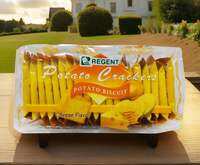
Regent Potato Crackers/Biscuit 20 x 10g (Flavors: Seaweed Cheese Onion Cheese)
₱158.00
Buy on Lazada
Regent Potato Seaweed Biscuits 20 x 10g set of 2
₱299.00
Buy on Lazada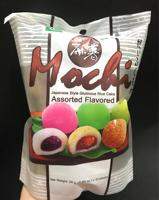
Regent Mochi Assorted Flavored Japanese Style Glutinuous Rice Cake 24g x 10pcs
₱148.00
Buy on Lazada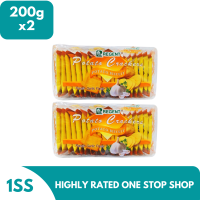
Regent Potato Crackers Biscuit French Garlic Flavor 200g set of 2
₱289.00
Buy on Lazada
REGENT CHEESE RING CHEESY JALAPENO FLAVOURED SNACK 60G
₱406.43₱419.00
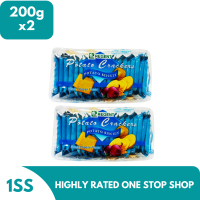
Regent Potato Crackers Biscuit Onion Cheese Flavor 200g set of 2
₱289.00
Buy on Lazada
Regent Japanese Cheese Cake 34g 10s
₱131.00
Buy on Lazada
Regent Belgian Choco Waffle ( 1 pack )
₱172.00
Buy on LazadaAbout Regent
Regent Hotels & Resorts is an international luxury hospitality brand specialising in high-end hotels and resorts located in major gateway cities and destination resorts. Founded in 1970, Regent developed a reputation for combining sophisticated architecture and interior design with highly personalised, discreet service. Today, the brand forms part of the IHG Hotels & Resorts luxury portfolio and is positioned at the top end of IHG’s luxury offering.1
As of 30 June 2026, Regent operates 11 open hotels with 3,212 rooms, with another 14 hotels and 2,599 rooms in its development pipeline.1
Overview
| Category | Information |
|---|---|
| Brand name | Regent Hotels & Resorts |
| Industry | Luxury hospitality |
| Founded | 1970 |
| Founder | Robert H. Burns |
| Original market | Luxury hotels and resorts |
| Current parent | IHG Hotels & Resorts |
| IHG ownership | 51% acquired in 2018 |
| Positioning | Upper luxury / luxury hospitality |
| Headquarters / corporate base | Associated with IHG Hotels & Resorts |
| Hotels open | 11 as of June 30, 2026 |
| Rooms open | 3,212 |
| Hotels in pipeline | 14 |
| Pipeline rooms | 2,599 |
| Core markets | Global gateway cities and luxury resort destinations |
History
Origins
The history of Regent began in 1970, when American hotelier Robert H. Burns established the brand. The first Regent hotel opened at Waikiki Beach, Honolulu, in 1971. Burns was subsequently joined in developing the brand by hoteliers Georg Rafael and Adrian Zecha.2
The founders sought to create a new type of luxury hotel that went beyond conventional five-star hospitality. Regent became associated with carefully selected locations, distinctive architecture and interiors, spacious accommodations, personalised service, and a sense of exclusivity.
Over the following decades, the brand expanded internationally and became particularly influential in Asia and other luxury travel markets. Its hotels became known not simply as places to stay but as destination properties in their own right.
Development of the luxury concept
Regent’s identity was built around what would later be described as timeless modernity, understated luxury and intuitive service. Rather than relying exclusively on traditional notions of opulence, the brand emphasised design, privacy, comfort and personalised experiences.1
This approach helped Regent establish a distinctive position within the international luxury-hotel industry.
Acquisition by IHG
A major turning point came in 2018, when IHG Hotels & Resorts agreed to acquire a 51% stake in Regent Hotels & Resorts for US$39 million. The transaction was completed in July 2018. IHG also received the right to acquire the remaining 49% interest in phases beginning in 2026.1
At the time of the acquisition, Regent had only six hotels. IHG stated that its long-term objective was to expand the brand to more than 40 hotels in major global cities and iconic resort destinations.1
IHG subsequently relaunched the Regent brand in 2018, updating its positioning for contemporary luxury travellers while retaining the brand’s historical heritage.1
Brand philosophy
Regent occupies the upper end of IHG’s luxury portfolio. Its contemporary philosophy is centred on creating highly personalised experiences while providing guests with a sense of calm, privacy and escape.
IHG describes the modern Regent experience through ideas such as:
- Majestically intimate — luxurious environments designed around the individual guest.
- On their terms — attentive service combined with technology intended to make the guest experience effortless.
- Inspiring discoveries — encouraging guests to experience local culture, cuisine, art and ideas.1
The brand’s current positioning is essentially a combination of grand luxury and personal tranquillity: hotels are intended to feel impressive without becoming overwhelming.
Design and architecture
Design is one of Regent’s most important brand characteristics.
Rather than applying an identical visual template to every property, Regent emphasises individually designed hotels that respond to their location. IHG describes the brand as creating destinations in partnership with architects, designers, artisans and artists.1
This results in properties that can look dramatically different from one another. For example:
- Regent Beijing incorporates Chinese cultural references while providing a contemporary urban environment.
- Regent Hong Kong emphasises its relationship with Victoria Harbour and the Hong Kong skyline.
- Carlton Cannes, a Regent Hotel draws on the historic glamour and Belle Époque character of Cannes.
- Regent Shanghai on the Bund combines contemporary luxury with its prominent location overlooking the Bund.
- Regent Phu Quoc focuses on tropical resort living and beachfront experiences.3
This emphasis on individual architectural identity is an important distinction between Regent and more standardised hotel brands.
Hotels and destinations
Regent’s portfolio spans both urban luxury hotels and resort properties. Notable properties include:
Asia
- Regent Beijing, China
- Regent Shanghai on the Bund, China
- Regent Hong Kong, Hong Kong
- Regent Taipei, Taiwan
- Regent Chongqing, China
- Regent Phu Quoc, Vietnam4
Europe
- Carlton Cannes, a Regent Hotel, France
- Regent Porto Montenegro, Montenegro4
Southeast Asia
- Regent Bali Canggu, Indonesia — one of the brand’s newest destinations and currently listed as open.3
The current portfolio is considerably smaller than that of mass luxury chains such as Marriott or Hilton, which is intentional: Regent presents itself as a selective collection of luxury properties rather than a very large standardised network.
Guest experience
A central characteristic of Regent is its emphasis on anticipatory and personalised hospitality.
The idea is that luxury should not simply mean expensive furniture, large rooms or elaborate public spaces. Instead, the hotel should remove friction from the guest’s stay and anticipate individual preferences.
IHG describes Regent’s service philosophy as providing an experience in which guests can relax while hotel colleagues take care of the details.3
The brand’s website also highlights its “With Compliments” approach, which can include conveniences such as laundry, garment pressing and personalised minibar offerings.3
Dining
Food and beverage is another significant part of the Regent experience.
The brand positions its restaurants and bars as more than supporting facilities for hotel guests. Regent emphasises:
- fine dining;
- local culinary traditions;
- innovative cuisine;
- premium beverages;
- collaborations with chefs and artists;
- immersive culinary events.
One of its newer concepts is Taste Studio, described by Regent as an intersection of gastronomy and artistic expression. These events bring together chefs, artists, musicians and other creatives to create multi-sensory dining experiences.3
Spa and wellness
Wellness is another component of the modern Regent concept.
Regent properties offer spa and fitness experiences that combine locally inspired treatments with contemporary wellness techniques. The brand describes its approach as balancing traditional practices with modern treatments, including massage, hydrotherapy and fitness experiences.3
The overall philosophy is less about a conventional “hotel spa” and more about creating an environment where guests can recover from the intensity of travel.
Relationship with IHG
Regent is part of IHG Hotels & Resorts, one of the world’s major hotel companies.
Within IHG’s portfolio, Regent occupies a particularly high-end position. Its sister brands include names such as InterContinental, Six Senses, Kimpton, Vignette Collection and others, but Regent is intended to occupy a distinct ultra-luxury/luxury niche.
IHG’s acquisition gave Regent access to:
- IHG’s global distribution network;
- loyalty infrastructure;
- technology;
- sales organisation;
- development capabilities;
- international hotel-management expertise.
At the same time, IHG has sought to preserve Regent’s relatively exclusive identity rather than turning it into a highly standardised mass-market brand.4
Brand positioning
Regent can broadly be understood as competing in the upper luxury and ultra-luxury hotel market.
Its competitive environment includes brands such as:
- Four Seasons Hotels and Resorts
- Mandarin Oriental
- Rosewood Hotels & Resorts
- Aman
- The Peninsula Hotels
- Park Hyatt
- Ritz-Carlton
- St. Regis
- Six Senses
Regent’s differentiation is particularly focused on the combination of heritage, sophisticated design, personalised service and destination-specific experiences.
Rather than positioning itself around conspicuous wealth, Regent’s current brand language tends to emphasise understated luxury, serenity, individuality and discovery. IHG itself describes the brand as sitting at the “top tier of luxury.”4
Brand identity
The simplest way to summarise Regent’s identity is:
Historic luxury hospitality reinterpreted for the modern traveller.
The brand tries to combine several seemingly contrasting qualities:
Grand ↔ Intimate
Hotels can be architecturally spectacular while maintaining private, comfortable spaces.
Traditional ↔ Contemporary
Regent draws on its long history while using modern architecture, technology and service concepts.
Serene ↔ Exciting
Properties are designed to provide a peaceful retreat while connecting guests with the culture and energy of their destination.
Global ↔ Local
Regent is an international brand, but individual hotels are intended to reflect their specific locations.
Regent’s evolution
Regent has gone through several distinct phases:
1970s–1980s — Creation and expansion
The brand established its reputation for innovative luxury hotels and began expanding internationally.
1990s–2000s — International luxury brand
Regent became associated with landmark properties in Asia and other major luxury destinations.
2010s — Ownership transitions and repositioning
The brand went through changes in ownership and portfolio composition.
2018 — IHG acquisition
IHG acquired 51% of Regent and incorporated it into its luxury portfolio.1
2018 onward — Global relaunch
IHG relaunched Regent with a new contemporary luxury positioning and an ambitious global-development strategy.1
2020s — Expansion of the modern Regent
The brand began adding new-build and converted properties across Asia, Europe and resort destinations, including Regent Phu Quoc, Carlton Cannes and Regent Shanghai on the Bund.4
2026 — Growing global portfolio
As of June 2026, Regent has 11 operating hotels and 14 additional properties in its pipeline.1
What makes Regent distinctive?
Regent’s strongest differentiators are arguably its heritage and design philosophy.
It is not simply a luxury version of a conventional hotel chain. The brand’s historical reputation was built around creating individual landmark hotels, and its modern strategy continues this idea.
A typical Regent property therefore aims to provide:
- A prestigious destination — usually a major city, waterfront location or resort.
- Exceptional architecture and interiors — often developed specifically for the property.
- Large, comfortable private spaces — particularly suites and guest rooms.
- Highly personalised service — designed to anticipate rather than merely respond to requests.
- High-end dining and wellness — integrated into the overall experience.
- A connection to the destination — local culture and surroundings become part of the stay.
- A sense of privacy and calm — luxury without unnecessary formality.
Current status
As of September 2026, Regent is a relatively small but rapidly developing global luxury-hotel brand. IHG reports 11 open hotels, 3,212 open rooms and 14 hotels in the pipeline as of June 30, 2026.1
The strategic direction is clear: expand Regent into more major international cities and resort destinations while preserving its position as a high-end, design-led and highly personalised hospitality brand.