Shop on Lazada
Salomon products
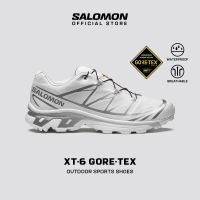
SALOMON XT-6 Gore-tex Unisex Sportstyle Shoes in White / White / Ftw Silver
₱14,990.00
Buy on Lazada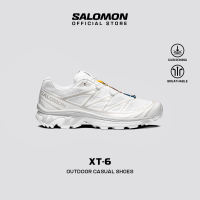
SALOMON XT-6 Unisex Sportstyle Shoes in White / White / Lunar Rock
₱12,990.00
Buy on Lazada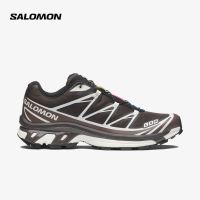
SALOMON XT-6 Unisex Sportstyle Shoes in Black Coffee / French Roast / Vanilla Ice
₱12,990.00
Buy on Lazada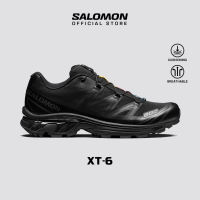
SALOMON XT-6 Unisex Sportstyle Shoes in Black / Black / Phantom
₱12,990.00
Buy on Lazada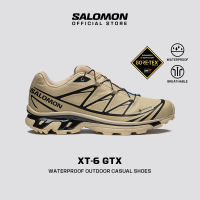
SALOMON XT-6 Gore-tex Unisex Sportstyle Shoes in Safari / Safari / Black
₱14,990.00
Buy on Lazada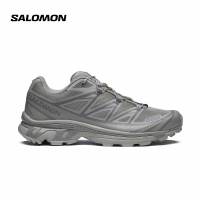
SALOMON XT-6 Unisex Sportstyle Shoes in Ghost Gray / Ghost Gray / Gray Flannel
₱12,990.00
Buy on Lazada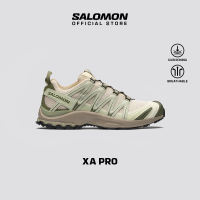
SALOMON XA Pro 3D Unisex Sportstyle Shoes in Almond Milk / Celadon Tint / White Pepper
₱9,891.00₱10,990.00
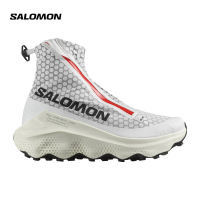
SALOMON S/LAB Ultra Dust Unisex Trail Running Shoes in White / Fiery Red / Vanilla Ice
₱16,792.00₱20,990.00
About Salomon
Overview
| Category | Information |
|---|---|
| Company Name | Salomon |
| Founded | 1947 |
| Founders | François Salomon, Georges Salomon, and their family |
| Headquarters | Annecy, Haute-Savoie, France |
| Industry | Sporting Goods & Outdoor Equipment |
| Products | Trail running shoes, hiking footwear, ski equipment, snowboards, apparel, backpacks, hydration gear, accessories |
| Parent Company | Amer Sports |
| Markets | Global (100+ countries) |
| Slogan/Purpose | “To unleash the best in people through mountain sports.” [1] |
History
Early Years (1947–1960s)
Salomon began as a small family workshop producing ski edges and woodworking tools in the French Alps. The company quickly became known for its engineering expertise in ski hardware.
Founder Georges Salomon believed that innovation should solve real problems faced by athletes. This philosophy became the foundation of the company’s culture.
One of Salomon’s first major breakthroughs came in 1957, when it introduced the Skade ski binding toe piece, improving safety and performance for skiers. This invention helped establish Salomon as one of Europe’s leading ski equipment manufacturers. [1]
Expansion in Ski Technology (1970s–1990s)
Throughout the 1970s and 1980s, Salomon became one of the world’s dominant ski brands through several innovations:
-
SX90 ski boots
-
SNS Nordic boot and binding system
-
Advanced ski bindings
-
Monocoque ski construction
These products significantly improved skier control, comfort, and safety, making Salomon a technological leader in winter sports. [1]
Entering New Outdoor Categories
Beginning in the late 1990s, Salomon expanded beyond skiing into:
-
Trail running
-
Hiking
-
Snowboarding
-
Inline skating
-
Outdoor apparel
The launch of the XA PRO trail shoe in 2002 marked the company’s successful transition into outdoor footwear.
Later, the S/LAB performance collection (2005) and the XT-6 trail shoe (2013) became flagship products, widely respected by athletes and increasingly popular in lifestyle fashion. [1]
Ownership
Salomon has changed ownership several times during its history.
-
Originally family-owned
-
Acquired by Adidas in 1997
-
Sold to Amer Sports in 2005
-
Amer Sports later became majority-owned by Anta Sports-led investors
Despite these ownership changes, Salomon continues to operate independently with its headquarters remaining in Annecy, France. [2]
Product Categories
Today Salomon manufactures products across multiple outdoor disciplines.
Footwear
-
Trail running shoes
-
Hiking boots
-
Trekking boots
-
Road running shoes
-
Recovery footwear
-
Lifestyle sneakers
Popular shoe series include:
-
XT-6
-
Speedcross
-
XA PRO
-
Genesis
-
Aero Glide
-
Sense Ride
Winter Sports
Salomon remains one of the world’s largest manufacturers of:
-
Alpine skis
-
Ski boots
-
Ski bindings
-
Nordic skiing equipment
-
Snowboards
-
Ski helmets
-
Goggles
Apparel
Technical clothing includes:
-
Waterproof jackets
-
Running apparel
-
Hiking clothing
-
Ski wear
-
Mid-layers
-
Base layers
Equipment
Salomon also produces:
-
Running vests
-
Hydration packs
-
Backpacks
-
Trekking poles
-
Gloves
-
Socks
-
Hats
-
Outdoor accessories
Technologies
Salomon is known for developing proprietary technologies, including:
Quicklace™
A one-pull lacing system that replaces traditional shoelaces with durable Kevlar cords for quick tightening and easy adjustment.
Contagrip®
A family of outsole compounds engineered for different terrains, balancing grip, durability, and traction on surfaces such as mud, rock, snow, and pavement.
EnergyCell™
A cushioning material designed to improve shock absorption and energy return during running.
SensiFit™
A construction system that wraps the foot from the midsole to the laces for a secure and stable fit.
Advanced Chassis™
A stability platform integrated into many hiking and trail shoes to improve support while reducing fatigue.
GORE-TEX®
Many Salomon shoes feature waterproof, breathable GORE-TEX membranes for protection in wet conditions.
Design Philosophy
Salomon follows a design philosophy centered on:
-
Performance-first engineering
-
Lightweight construction
-
Durability
-
Precision fit
-
Innovation through athlete testing
-
Mountain-inspired functionality
The company develops many products in collaboration with elite trail runners, mountain guides, skiers, and outdoor professionals. [1]
Sustainability
In recent years, Salomon has expanded its sustainability initiatives by:
-
Increasing recycled materials in products
-
Developing lower-impact manufacturing methods
-
Opening the Advanced Shoe Factory 4.0 in France
-
Reducing waste in production
-
Designing longer-lasting products
The company views sustainability as part of its long-term innovation strategy. [1]
Salomon in Fashion
Although built as a technical outdoor brand, Salomon has become highly influential in contemporary fashion. Models such as the XT-6, ACS Pro, and Speedcross are widely worn as lifestyle sneakers.
Collaborations with fashion designers and retailers have helped bridge performance footwear and streetwear while retaining the brand’s technical identity. [3]
Professional Athletes
Salomon sponsors athletes across disciplines including:
-
Trail running
-
Ultra-running
-
Ski mountaineering
-
Alpine skiing
-
Freeride skiing
-
Mountain running
Athlete feedback plays a central role in product development, particularly within the S/LAB line. [1]
Global Presence
Salomon products are available through:
-
Brand-owned retail stores
-
Outdoor specialty retailers
-
Sporting goods stores
-
Official online stores
-
Authorized distributors
The company operates globally across Europe, North America, Asia-Pacific, South America, and other regions. [2]
Brand Identity
Salomon’s core values are:
-
Imagination
-
Family Spirit
-
Commitment
-
Simplicity
-
Diversity
Its stated mission is “to unleash the best in people through mountain sports.” [1]
Legacy
From a small family workshop making ski edges in the French Alps, Salomon has evolved into one of the most influential names in outdoor sports. Its innovations in ski equipment helped shape modern winter sports, while its trail running shoes have become benchmarks for performance and have also gained a strong following in contemporary fashion. The brand remains closely associated with technical excellence, mountain culture, and product innovation. [1]